

Have you ever wondered if you can cook rice in a kitchen pan instead of a rice cooker? Maybe you don’t have special equipment, or you want a quick, simple way to prepare your meal.
The good news is, yes—you absolutely can! But there are some easy tips and tricks you should know to get perfect, fluffy rice every time. Keep reading, and you’ll discover how to turn your ordinary pan into a rice-cooking powerhouse.
Your next meal could be tastier and hassle-free with just a few simple steps.
Choosing The Right Pan
Choosing the right pan is key to cooking perfect rice in your kitchen. The pan affects heat distribution and how evenly your rice cooks. Picking the correct pan helps avoid burning or undercooking your rice. You want a pan that holds heat well and has a tight-fitting lid to trap steam. Let’s explore which pans work best for rice cooking.
Material Matters
The pan’s material controls heat flow and cooking speed. Heavy materials like cast iron hold heat evenly. Stainless steel pans heat quickly but may cause hot spots. Non-stick pans prevent rice from sticking and make cleanup easier. Aluminum pans heat fast but may warp with high heat. Choose a pan that suits your stove and cooking style.
Size And Shape Considerations
Size affects how much rice you can cook at once. A pan too small will cause rice to spill or cook unevenly. A large pan might dry out the rice if not enough water is used. Shape matters too. A wide pan allows quicker evaporation, better for fluffy rice. A taller pan holds more water, ideal for sticky or steamed rice. Pick a size and shape that matches your recipe and portion needs.

Credit: karinearappliances.com
Preparing Rice For Cooking
Preparing rice properly before cooking sets the foundation for a fluffy, well-textured dish. The process involves cleaning the rice and measuring the right amounts of rice and water. These steps might seem simple, but they can dramatically affect the final result in your kitchen pan.
Rinsing And Soaking
Rinsing rice removes excess starch, which can make your rice sticky or clump together. Place your rice in a bowl and rinse with cold water until the water runs clear. This usually takes about 2 to 3 rinses.
Soaking rice for 20 to 30 minutes softens the grains, allowing them to cook evenly and faster. If you're short on time, rinsing alone will still improve texture. Have you noticed how soaked rice feels softer when you cook it?
Measuring Rice And Water
Accurate measurement is key to avoid mushy or undercooked rice. A common ratio is 1 cup of rice to 1.5 to 2 cups of water, but this varies based on rice type and pan size.
Try this simple table for guidance:
| Rice Type | Rice to Water Ratio |
|---|---|
| White Rice | 1:1.5 |
| Brown Rice | 1:2 |
| Jasmine Rice | 1:1.75 |
Using a kitchen pan means you can adjust water slightly if you notice your rice is too dry or wet from past attempts. Have you tried tweaking the water ratio to get that perfect bite?
Cooking Rice On The Stove
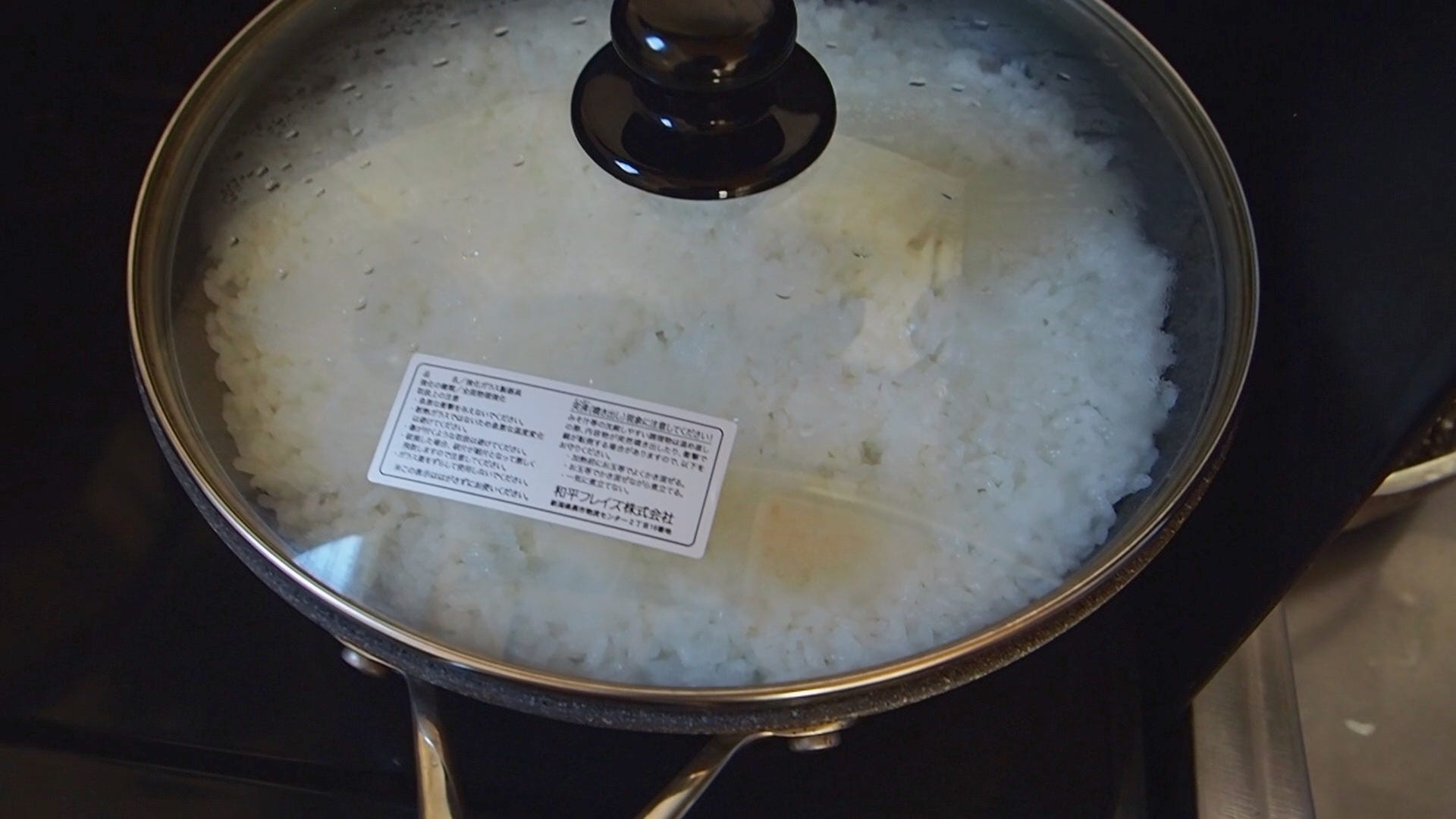
A kitchen pan works well for cooking rice on the stove. Just add water and rice, cover, and simmer until done. This simple method saves time and cookware.
Cooking rice on the stove is a timeless kitchen technique. It's simple and effective for perfect rice every time. With just a pot and some basic instructions, anyone can master this task. Let's explore the key elements of cooking rice on the stove.
Setting The Heat
Start by rinsing the rice to remove excess starch. Use medium-high heat to bring the water and rice to a boil. This initial high heat is crucial for the cooking process. Once boiling, reduce to low heat. This prevents the rice from burning and ensures even cooking.
Timing And Simmering
Simmering is key for fluffy rice. After reducing the heat, cover the pan with a lid. Let the rice simmer gently. For white rice, simmer for 15-20 minutes. Brown rice takes longer, around 40-45 minutes. Always check the package instructions for specific timing.
When To Remove The Lid
Keep the lid on during cooking to trap steam. This steam cooks the rice evenly. Only lift the lid when the time is up. Check if the water is absorbed and the rice is tender. If not, replace the lid and cook for a few more minutes. Once done, remove from heat and let it sit. This resting time allows the rice to firm up. Fluff the rice gently with a fork before serving.
Tips For Fluffy Rice
Cooking rice in a kitchen pan can be simple, but getting fluffy rice takes some attention to detail. The right techniques make all the difference between a perfect side dish and a sticky mess. These tips will help you master fluffy rice every time you cook on your stovetop.
Avoiding Sticky Or Mushy Rice
One key to fluffy rice is rinsing the grains before cooking. Rinse under cold water until the water runs clear to remove excess starch that causes stickiness.
Use the right amount of water—too much makes rice mushy, too little leaves it undercooked. A good rule is 1.5 to 2 cups of water per cup of rice, depending on the type.
After bringing water to a boil, reduce the heat to low and cover the pan tightly. Avoid lifting the lid while it cooks to keep steam inside, which helps the rice cook evenly.
Using A Fork To Fluff
Once the rice is done, resist the urge to stir it vigorously with a spoon. Instead, let it sit covered off the heat for about 5 minutes.
Then, use a fork to gently fluff the rice. This separates the grains without crushing them, keeping the texture light and airy.
Fluffing with a fork also releases trapped steam, preventing the rice from becoming soggy. Have you tried this simple step before serving your rice?
Common Mistakes To Avoid
Cooking rice in a kitchen pan might seem straightforward, but small mistakes can turn your fluffy rice into a sticky or burnt mess. Avoiding common errors is key to getting perfect rice every time. Let’s look at some typical pitfalls and how you can easily steer clear of them.
Too Much Or Too Little Water
Water is the main ingredient in cooking rice, and the balance matters more than you think. Using too much water makes the rice mushy and soggy, while too little leaves it hard and undercooked.
Think about the last time you cooked rice that was either clumped together or tough to chew. Chances are, the water ratio was off. A good rule is to use about 1.5 to 2 cups of water for every cup of rice, but this can vary depending on the rice type and pan used.
Have you tried measuring water by eye? It’s tempting but risky. Try using a measuring cup instead, and adjust based on your pan’s heat retention and rice variety.
Lifting The Lid Too Often
It’s natural to want to check on your rice while it cooks, but lifting the lid too often disrupts the cooking process. Each time you open the lid, steam escapes and heat drops, which can lead to uneven cooking or longer cooking times.
I remember when I first started cooking rice, I kept opening the lid every few minutes to see if it was done. The result? Rice that was unevenly cooked and frustratingly sticky in some parts.
Instead, trust the process and keep the lid closed until the cooking time is up. You’ll find your rice cooks more evenly and with better texture when you resist the urge to peek.
Enhancing Flavor
Cooking rice in a kitchen pan can be simple. Yet, making it flavorful takes a little effort. Enhancing the taste transforms plain rice into a dish everyone loves. Small changes in ingredients can create big flavor differences. Experimenting with spices and liquids can make rice more enjoyable.
Adding Spices And Aromatics
Spices add warmth and depth to rice. Common spices include cumin, cinnamon, and cardamom. Aromatics like garlic, onion, and ginger bring a fresh, vibrant taste. Sauté these in oil before adding rice and water. This step releases their natural flavors. Try adding a bay leaf or a few cloves for extra aroma. Use fresh herbs like cilantro or parsley after cooking. They brighten the dish and add a fresh touch.
Using Broth Instead Of Water
Broth adds richness and enhances rice flavor. Use chicken, beef, or vegetable broth to cook rice. The broth infuses every grain with savory taste. It’s a simple swap that makes a big difference. If broth is too salty, dilute it with water. This method works well for plain or spiced rice. Broth also adds nutrients, making rice healthier and tastier.
Alternative Cooking Methods In A Pan
Cooking rice in a kitchen pan offers more than just the basic boil-and-simmer method. You can try different techniques that bring out unique textures and flavors. These alternative methods can make your rice dishes stand out without needing special equipment.
Pilaf Style
Cooking rice pilaf-style in a pan means toasting the rice first. Heat a little oil or butter in your pan, then add the rice and stir it until it smells nutty. This step adds a rich flavor and helps the grains stay separate once cooked.
Next, add broth or water along with your choice of spices or vegetables. Cover the pan tightly and let it simmer on low heat until the liquid is absorbed. The result is fluffy, flavorful rice that pairs well with many dishes.
Have you ever noticed how toasted rice smells different? That small step can transform your plain rice into something special.
Steaming With A Pan
Steaming rice in a pan is a gentle way to cook grains without direct boiling. Start by soaking your rice for 20-30 minutes to soften the grains. Drain the water, then place the rice in a pan with a small amount of water or broth.
Cover the pan with a tight-fitting lid or even foil to trap steam. Cook on low heat, allowing the rice to absorb moisture slowly. This method helps rice keep its shape and prevents it from becoming sticky.
Steaming rice in a pan may take a bit longer, but the texture is worth the wait. How often do you think about adjusting cooking time to improve your meals?

Credit: www.yahoo.com
Credit: medium.com
Frequently Asked Questions
Can I Cook Rice In A Kitchen Pan?
Yes, you can cook rice in a kitchen pan. Use the right water-to-rice ratio and cook on low heat. Stir occasionally and cover the pan to trap steam for even cooking.
What Is The Best Pan For Cooking Rice?
A heavy-bottomed kitchen pan is best for cooking rice. It distributes heat evenly and prevents rice from burning. Non-stick pans work well for easy cleaning and smooth cooking.
How Much Water Do I Need For Cooking Rice In A Pan?
Use 2 cups of water for every 1 cup of rice. This ratio works for most rice types. Adjust water slightly based on rice variety and desired texture.
How Long Should I Cook Rice In A Kitchen Pan?
Cook rice on medium heat until water boils, then simmer for 15-20 minutes. Keep the pan covered to allow rice to absorb water fully.
Conclusion
Cooking rice in a kitchen pan works well with the right method. Use the right water amount and keep heat low. Stir gently to avoid sticking and burning. Cooking rice this way saves space and tools. It fits small kitchens or quick meals.
Just watch the rice closely for best results. Simple steps make tasty rice without a special pot. Give it a try and enjoy your meal!