
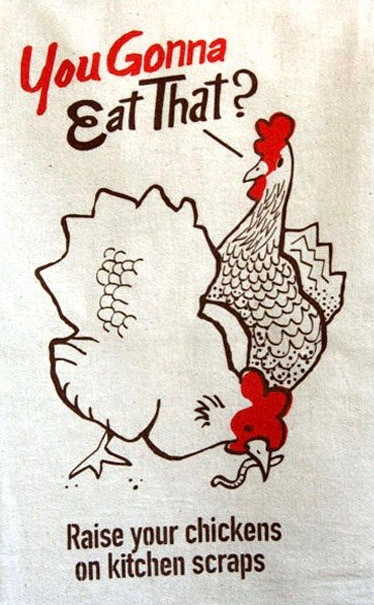
Are you wondering if it’s safe and smart to feed your chickens kitchen scraps? You’re not alone.
Many chicken owners want to reduce waste and save money by sharing leftovers with their flock. But you might be asking yourself: Which scraps are good for your chickens? Can some foods harm them? Knowing the right way to do this can keep your chickens healthy and happy while making the most of your kitchen waste.
Keep reading to discover everything you need to know about feeding chickens kitchen scraps safely and effectively.

Credit: www.youtube.com
Benefits Of Feeding Kitchen Scraps
Feeding your chickens kitchen scraps offers more than just a way to dispose of leftovers. It introduces several benefits that can improve your flock’s health, save money, and help the environment. Understanding these advantages can encourage you to make smart choices about what scraps to share with your birds.
Nutritional Value For Chickens
Kitchen scraps can provide a variety of nutrients that contribute to your chickens’ overall diet. Vegetables like leafy greens, carrots, and squash offer vitamins and minerals that support their immune system and egg production.
Protein-rich scraps such as cooked beans or eggshells add important elements for strong feathers and bone health. Have you noticed how your hens perk up when you add fresh scraps to their feed?
Cost-effective Feeding
Feeding kitchen scraps can significantly reduce the amount you spend on commercial feed. Instead of throwing away leftovers, you reuse food that would otherwise go to waste.
This approach not only lowers your feed costs but also stretches your resources further during times when feed prices rise. Could saving money on feed allow you to invest more in your chicken coop or other supplies?
Reducing Food Waste
By giving kitchen scraps to your chickens, you help cut down the amount of waste sent to landfills. Food waste is a major environmental issue, and your flock can be part of the solution.
Scraps like fruit peels, vegetable trimmings, and stale bread become valuable nutrition instead of garbage. How much waste could you divert each week just by feeding your chickens leftovers?

Credit: www.theguardian.com
Safe Kitchen Scraps For Chickens
Feeding your chickens kitchen scraps can be a great way to reduce waste and provide them with a variety of nutrients. However, not all scraps are safe or healthy for your flock. Knowing which foods to share helps keep your chickens happy and healthy, while avoiding any potential risks.
Vegetables And Fruits
Chickens love fresh vegetables and fruits. Safe options include leafy greens like spinach and kale, carrots, cucumbers, apples, and berries. These foods provide essential vitamins and minerals that boost your chickens’ immune systems.
Be careful to avoid onions, garlic, and citrus fruits, as these can upset their digestion or be toxic. Also, cut the scraps into small pieces to make eating easier for your birds. Have you noticed your chickens preferring certain veggies? Watching their favorites can guide your feeding choices.
Grains And Bread
Grains are a natural part of a chicken’s diet. You can safely feed cooked rice, oats, and corn, which offer energy and fiber. Small amounts of bread can be given, but avoid moldy or heavily processed types.
Whole grain bread is better than white bread because it contains more nutrients. Remember, bread should be a treat, not a staple. How often do you include grains in your chickens’ meals? Balancing grains with fresh foods is key for their health.
Cooked Vs. Raw Foods
Chickens can eat both cooked and raw scraps, but there are differences. Cooked vegetables and grains are usually easier to digest and safer, as cooking kills harmful bacteria. Raw fruits and veggies keep more vitamins but may be harder on young or sick chickens.
Avoid feeding raw potatoes or beans—they can be toxic if not cooked properly. Offering a mix of cooked and raw scraps gives your flock variety and nutritional balance. What’s your experience with feeding cooked versus raw? Trying different options can help you find what works best for your birds.
Scraps To Avoid
Feeding your chickens kitchen scraps can be a great way to reduce waste and provide them with tasty treats. However, not all scraps are safe or healthy for your flock. Knowing which leftovers to avoid is crucial to keep your chickens happy and healthy.
Toxic Foods
Some common foods in your kitchen can actually harm your chickens. Avoid feeding them anything containing onions, garlic, chocolate, avocado, or raw potato peels. These items contain toxins that can cause serious illness or even death.
Even small amounts can be dangerous, so be vigilant. Have you checked your usual scraps for these hidden dangers before tossing them to your birds?
Spoiled Or Moldy Items
Chickens have strong stomachs but they can’t handle rotten or moldy food. Feeding them spoiled scraps can lead to digestive problems and infections. Always smell and inspect scraps carefully before giving them to your flock.
Remember, mold isn’t always visible, so if food smells off or feels slimy, it’s best to discard it. How often do you find yourself tempted to feed questionable leftovers to your chickens?
Salty And Processed Foods
Salt and processed foods are a big no-no for chickens. Items like chips, bread with too much salt, or leftover deli meats can cause dehydration and kidney damage. Keep these scraps away from your birds to avoid health issues.
Instead, focus on fresh, natural scraps that provide real nutrition. Could cutting out processed foods from your chicken’s diet improve their egg quality and energy levels?
Preparing Scraps For Feeding
Preparing kitchen scraps before feeding them to your chickens is essential for their health and safety. Proper preparation ensures that the scraps are clean, easy to eat, and well-balanced with their regular diet. Taking a few extra minutes to prepare scraps carefully can prevent digestive issues and keep your flock happy.
Cleaning And Cutting
Always wash kitchen scraps thoroughly to remove dirt, pesticides, or any harmful residues. Scraps like vegetable peels, fruit skins, and leftover greens should be rinsed well under running water.
Cut the scraps into small, manageable pieces. Smaller bits help chickens eat easily and reduce the chance of choking. For tougher items like carrot peels or apple cores, chopping finely makes a big difference.
Portion Control
Feeding scraps is a treat, not a main meal. Keep the quantity limited to about 10-15% of your chickens’ daily diet to maintain nutritional balance.
Overfeeding scraps can upset their digestion and cause them to ignore their regular feed. Think about how you would balance treats for yourself—too much of anything can be unhealthy.
Mixing With Regular Feed
Mix scraps with your chickens’ regular feed to encourage them to eat everything evenly. This helps avoid selective eating and ensures they get all necessary nutrients.
You can combine chopped vegetable scraps with grains or pellets. This blend not only makes feeding time more interesting but also supports their overall health.
Feeding Frequency And Quantity
Knowing how often and how much kitchen scraps to feed your chickens is key to keeping them healthy and happy. Overfeeding can lead to weight problems and spoil their natural foraging habits, while underfeeding may leave them hungry and less productive. Let’s look at how to find the right balance for your flock’s diet.
Balancing Diet
Kitchen scraps should complement, not replace, your chickens’ main feed. Think of scraps as treats that add variety and extra nutrients.
Offer scraps once or twice a day, keeping the amount to around 10-15% of their total daily food intake. This helps maintain a balanced diet and prevents reliance on scraps alone.
Try mixing different types of scraps—vegetables, fruits, and grains—to provide a wide range of nutrients. Avoid feeding too many high-fat or sugary leftovers, as these can cause health issues.
Signs Of Overfeeding
Watch for chickens that become overweight or less active, which can be signs of too many kitchen scraps. Another red flag is leftover scraps piling up uneaten—your birds might be full or picky.
Also, check their droppings; unusually soft or smelly droppings can indicate diet imbalance.
If you notice these signs, reduce the amount of scraps and increase their regular feed. Your chickens will thank you by staying healthy and lively.
Adjusting For Different Chicken Breeds
Smaller breeds like Bantams need less food overall, so limit scraps accordingly. Larger breeds or high-production layers can handle a bit more, but still within reason.
For example, a Rhode Island Red laying hens can enjoy slightly bigger portions than a small Silkie. Tailor feeding based on their size, activity level, and egg production.
Keep an eye on individual chickens to see how they respond. Adjust portions gradually and observe their health and behavior closely to find the sweet spot.
Health Risks And Prevention
Feeding your chickens kitchen scraps can be a great way to reduce waste and provide variety in their diet. However, it comes with health risks that you need to manage carefully. Understanding these risks and knowing how to prevent problems will keep your flock happy and healthy.
Digestive Issues
Chickens have sensitive digestive systems that can react poorly to certain scraps. Foods high in salt, sugar, or fat can cause upset stomachs or diarrhea. Avoid feeding them spoiled or moldy leftovers, as these can lead to severe digestive problems.
Introducing new scraps gradually helps you spot any negative reactions early. Have you noticed your chickens acting sluggish or having loose droppings after eating certain foods? This could be a sign to cut back or eliminate that item.
Contamination Risks
Kitchen scraps can carry harmful bacteria like salmonella or E. coli if not handled properly. Raw meat, dairy, and oily leftovers pose the highest risk and should generally be avoided. Always check scraps for mold, rot, or contamination before feeding.
Washing fruits and vegetables before offering them to your chickens reduces exposure to pesticides and dirt. Could your scraps be introducing unseen dangers to your flock? Taking a few extra steps in preparation can prevent serious illness.
Monitoring Chicken Behavior
Pay close attention to how your chickens respond after eating kitchen scraps. Changes in energy levels, appetite, or social behavior can indicate health issues. Quick action is crucial if you spot signs of distress or unusual symptoms.
Keeping a feeding journal can help you track which scraps work best and which cause problems. What patterns might you discover by observing your flock closely? Your chickens’ reactions provide valuable clues to safe feeding practices.
Tips For Sustainable Kitchen Scrap Feeding
Feeding chickens kitchen scraps is a sustainable practice. It reduces waste and provides nutrition. Yet, it's essential to manage this practice properly. Ensuring the scraps are safe and nutritious is key. Here are some tips for sustainable kitchen scrap feeding.
Composting Leftovers
Composting is a great way to handle leftovers. It turns waste into valuable soil. Not all scraps are suitable for chickens. Composting helps manage those unsuitable parts. Keep a compost bin for non-edible scraps. Use the resulting compost for your garden. This process enriches the soil naturally.
Safe Storage Practices
Proper storage keeps scraps fresh and safe. Use airtight containers to store kitchen scraps. This prevents spoilage and contamination. Keep scraps in a cool, dry place. It ensures they remain fresh until feeding time. Rotting food can harm chickens. So, always check scraps before feeding.
Involving Family In Feeding
Feeding chickens can be a family activity. Teach children about sustainable practices. Let them help sort safe kitchen scraps. Make it a fun, educational experience. It fosters responsibility and environmental awareness. Family involvement strengthens bonds and encourages teamwork.
Credit: bloominghealthfarms.com
Frequently Asked Questions
Can Chickens Eat All Types Of Kitchen Scraps?
Chickens can eat many kitchen scraps like vegetables, fruits, and grains. Avoid spoiled or moldy food. Do not feed onions, garlic, or chocolate as they are toxic.
How Often Should I Feed Chickens Kitchen Scraps?
Feed kitchen scraps as a supplement, not the main diet. Offer scraps 2-3 times a week. Balance with commercial feed to meet nutritional needs.
Are Kitchen Scraps Safe For Chicken Eggs?
Yes, healthy kitchen scraps can improve egg flavor and nutrition. Avoid scraps with chemicals or spoiled food to ensure egg safety and quality.
What Kitchen Scraps Should I Avoid Feeding Chickens?
Avoid feeding chickens raw beans, avocado, chocolate, onions, garlic, and salty or sugary foods. These can be harmful or toxic to chickens.
Conclusion
Feeding chickens kitchen scraps can save money and reduce waste. Choose safe scraps like vegetables and cooked grains only. Avoid harmful foods such as onions, chocolate, and raw potato peels. Always offer fresh water alongside scraps. Watch your chickens’ health and adjust their diet as needed.
Balanced feeding keeps chickens happy and productive. Small changes make a big difference in their care. Simple steps help you feed chickens safely and wisely.