
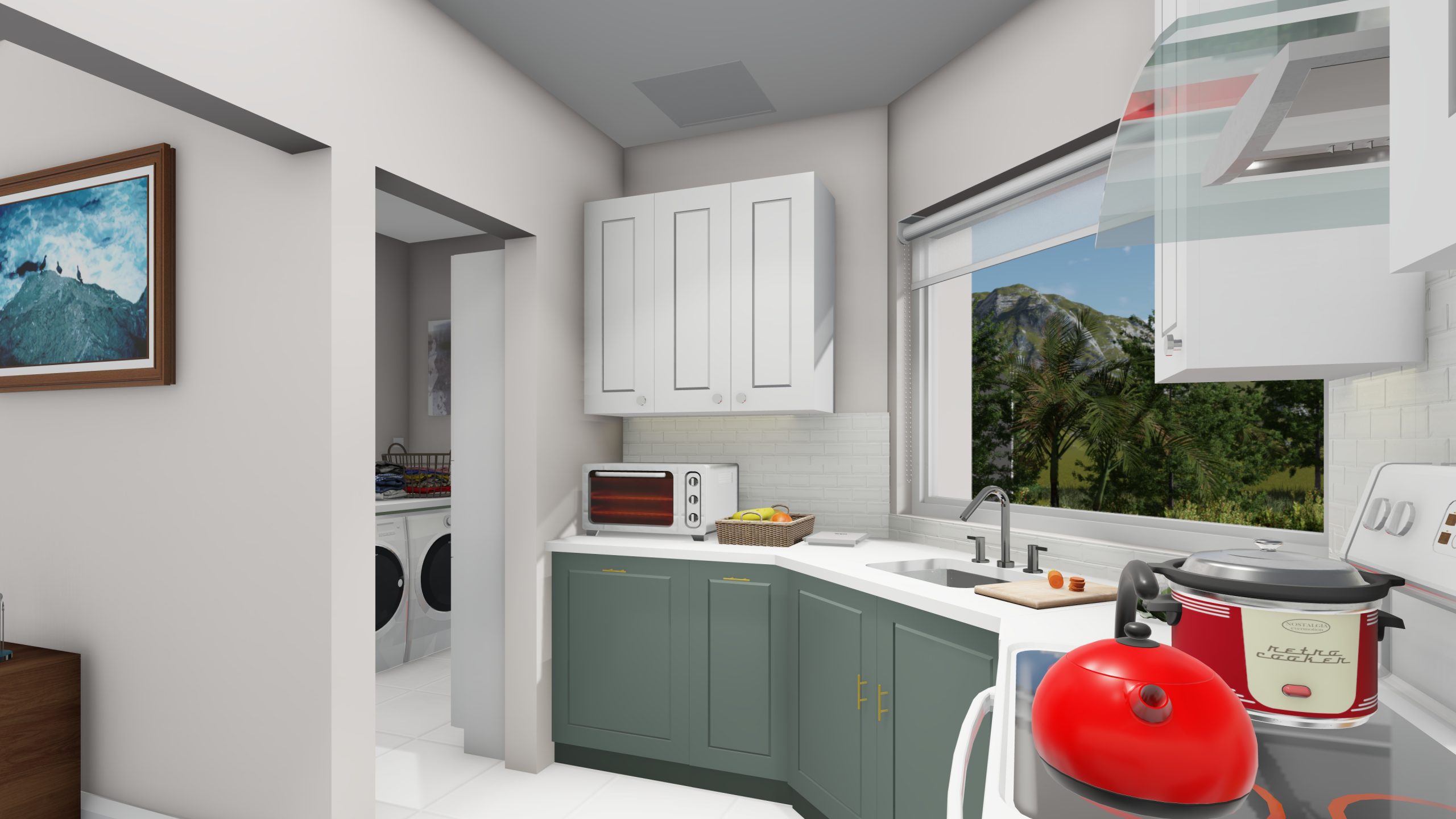
Are you tired of spending precious time scrubbing dishes after every meal? Imagine having a machine that does all the hard work for you, giving you more time to relax or focus on what matters most.
But can you actually fit a dishwasher in your kitchen? Whether your space is big or small, old or new, this question might be closer to a “yes” than you think. Keep reading to discover how you can bring the convenience of a dishwasher into your kitchen—and transform your daily routine for good.
Assessing Kitchen Space
Before adding a dishwasher to your kitchen, it’s important to carefully assess the available space. This helps ensure the appliance fits properly without disrupting your daily routine or kitchen flow. Taking a close look at measurements, layout, and utility access can save you time and frustration later.
Measuring Available Areas
Start by measuring the spots where a dishwasher could go. Use a tape measure to check width, height, and depth. Don’t forget to allow extra space for door clearance and ventilation.
Look under your countertops and around cabinets to identify gaps or unused corners. If your kitchen is tight, consider slimline or compact dishwasher models. Could a smaller size still meet your needs?
Considering Layout And Flow
Think about how a dishwasher would fit into your kitchen’s daily rhythm. Placing it near the sink makes loading and unloading easier. But what about traffic paths and other appliances?
Ask yourself if the dishwasher door might block walkways or cabinet access when open. You want a setup that keeps your kitchen smooth and efficient, not crowded or awkward.
Checking Plumbing And Electrical Access
A dishwasher needs proper plumbing and power to work. Check if there’s a water supply line and drain nearby. Also, look for a grounded electrical outlet within reach.
If these connections aren’t close, adding them can increase installation costs. Could you run new lines, or would moving the dishwasher be simpler? Knowing this upfront helps avoid surprises.
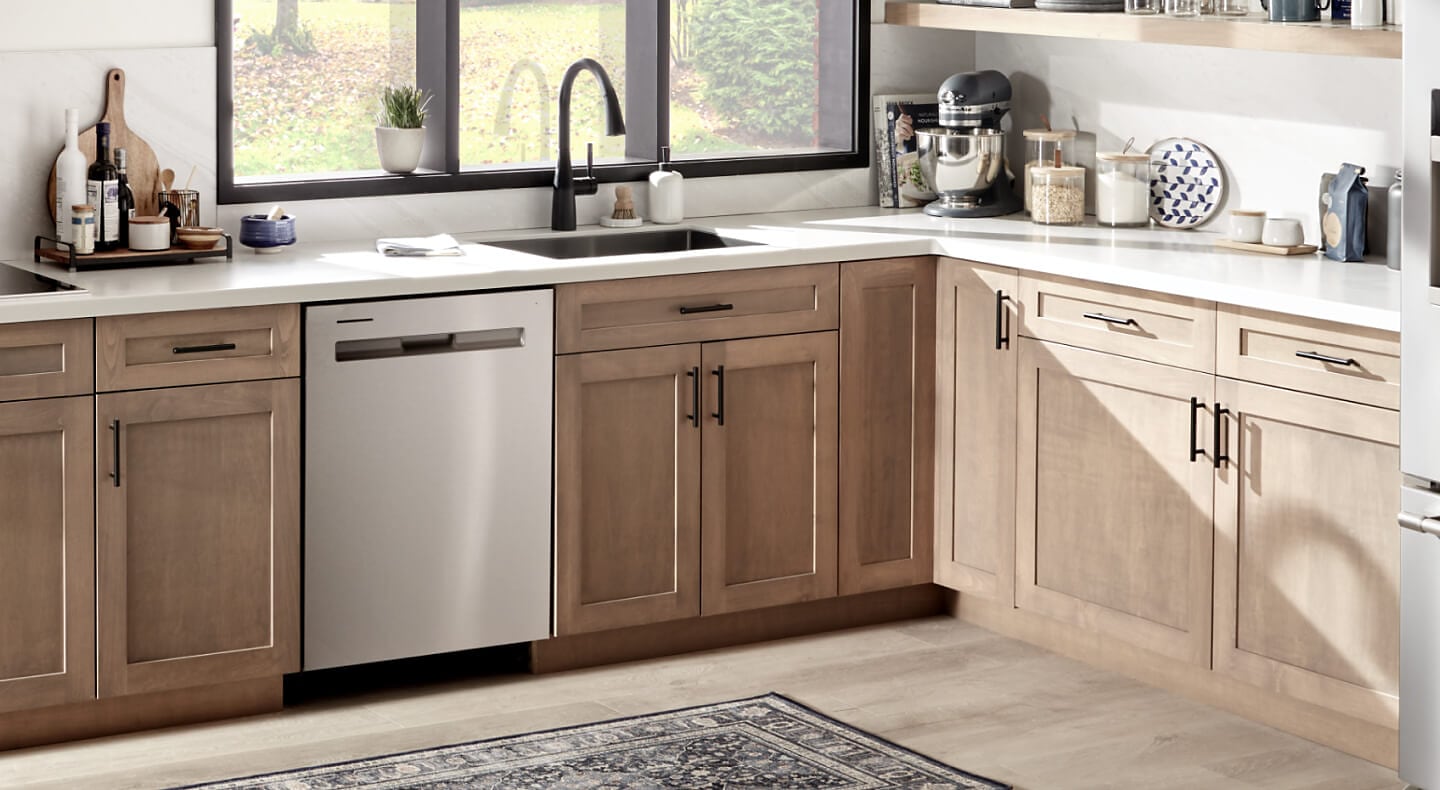
Credit: www.maytag.com
Types Of Dishwashers
Choosing the right type of dishwasher can make a big difference in your kitchen's functionality and your daily routine. Dishwashers come in various styles, each designed to fit different spaces and needs. Understanding these options helps you pick one that truly fits your lifestyle and kitchen setup.
Built-in Models
Built-in dishwashers are the most common choice for many kitchens. They fit seamlessly under your countertop, giving your kitchen a sleek, integrated look. If you have a dedicated space and want a permanent solution, these models offer powerful cleaning and quiet operation.
They often come with multiple wash cycles and adjustable racks. Think about whether you want a model with smart features like Wi-Fi control or energy-saving modes. Have you checked if your kitchen cabinet can accommodate the standard 24-inch width?
Portable Options
Portable dishwashers are great if your kitchen lacks built-in space or if you rent your home. These units roll on wheels and connect to your sink when in use, then store away easily. They provide flexibility without permanent installation.
Though slightly bulkier than built-in models, they still offer good cleaning performance. Portable dishwashers can be moved between rooms or even different homes, which is perfect if you move often. Could this be the solution if your kitchen layout is limited or temporary?
Drawer Dishwashers
Drawer dishwashers are designed like drawers instead of a traditional door. You can install one or two drawers, allowing you to run smaller loads independently, saving water and energy. This feature is handy if you don’t generate a lot of dirty dishes daily.
They fit well into modern kitchens and are easier to load without bending down. Drawer models suit those who value convenience and want to reduce water usage. Would having two separate drawers for different wash cycles simplify your dishwashing routine?
Countertop Variants
Countertop dishwashers are compact and sit on your kitchen counter. They’re ideal for very small kitchens or single-person households. Despite their size, they can handle several place settings and save you time washing by hand.
You simply connect them to your faucet when needed and drain into the sink. These models are budget-friendly and easy to move. Could a countertop dishwasher be your answer if you have limited space but want the convenience of automatic dishwashing?
Installation Requirements
Installing a dishwasher requires certain preparations in your kitchen. These ensure the machine works properly and lasts long. Understanding these needs helps you plan better and avoid surprises during installation.
Plumbing Connections
A dishwasher needs a water supply line and a drain connection. The water supply usually connects to the hot water pipe under the sink. It must have a shut-off valve for easy maintenance.
The drain hose links to the kitchen sink drain or garbage disposal. This connection prevents water from backing up into the dishwasher. Make sure the hose is secure and properly elevated to avoid leaks.
Electrical Needs
Dishwashers require a dedicated electrical circuit for safety and efficiency. The circuit should match the dishwasher's power rating, often 120 volts in many homes. Installing a grounded outlet or hardwiring the dishwasher is necessary.
Using an extension cord is unsafe and not recommended. Proper wiring prevents electrical hazards and ensures consistent performance.
Ventilation And Drainage
Good ventilation helps prevent moisture buildup around the dishwasher. Some models have built-in vents to release steam during cycles. Make sure kitchen cabinets allow some airflow around the appliance.
Drainage must be sloped correctly to avoid standing water. Check that the drain hose rises above the flood level of the dishwasher. This prevents dirty water from flowing back inside.
Budget And Cost Factors
When considering adding a dishwasher to your kitchen, the budget is a significant factor. Understanding the various costs associated with purchasing, installing, and maintaining a dishwasher can help you make an informed decision. Let's delve into the different budget and cost factors you need to consider.
Dishwasher Prices
Dishwashers come in a range of prices to fit different budgets. You can find basic models starting from around $300, which offer essential features and decent performance. Mid-range options, priced between $500 to $1000, often include additional features like more wash cycles and energy efficiency.
If you're looking for high-end models, expect to pay $1000 and above. These typically include advanced features such as smart technology and custom wash settings. Consider what features are most important to you and how much you're willing to invest.
Installation Expenses
Installing a dishwasher may involve additional costs beyond the purchase price. If your kitchen is already prepped for a dishwasher, you might save money on installation. However, if plumbing or electrical work is required, these can add to your expenses.
Professional installation usually ranges from $100 to $500. It's crucial to get quotes from several installers to ensure you're getting a fair price. Think about whether you have the necessary skills to attempt a DIY installation or if hiring a professional is a better choice.
Maintenance Costs
Maintaining your dishwasher is essential for its longevity and performance. Regular maintenance includes cleaning the filter, checking for clogs, and occasionally using a dishwasher cleaner to prevent buildup. These tasks are relatively inexpensive and can save you money in the long run.
However, unexpected repairs can occur. Consider setting aside a small budget for potential repair costs, which can range from $50 to $200 depending on the issue. Ask yourself if investing in an extended warranty might provide peace of mind for potential future repairs.
Energy Efficiency And Features
Choosing a dishwasher means thinking about energy use and special features. These factors affect your electricity bill and how well the machine cleans.
Energy-efficient dishwashers save water and power. They help reduce environmental impact and lower monthly expenses.
Modern dishwashers come with smart options that make washing easier. Quiet operation is also a key feature for many kitchens.
Energy Star Ratings
Energy Star labels show the most efficient dishwashers. These models use less water and electricity than standard ones. They meet strict government standards for energy savings. Choosing Energy Star helps you save money over time.
Smart Technology
Smart dishwashers connect to your phone or home system. You can start or stop cycles remotely. Some models send alerts when the wash is done. These features add convenience and control to your kitchen routine.
Noise Levels
Quiet dishwashers keep noise below 45 decibels. This level is similar to a soft conversation. Low noise is important in open-plan homes or small spaces. Check the decibel rating before buying to ensure a peaceful kitchen.

Credit: www.reddit.com
Design And Style Options
Choosing the right dishwasher means thinking about design and style. This helps the appliance fit well in your kitchen space. You want a dishwasher that looks good and works well. There are many options to match your kitchen’s style and size.
Color And Finish Choices
Dishwashers come in various colors and finishes. Common colors include white, black, and stainless steel. Stainless steel finish is popular for its modern look. Some models offer custom panels to blend with your cabinets. This lets your dishwasher disappear into the kitchen design.
Matching Kitchen Decor
Your dishwasher should match other kitchen appliances and decor. Choose a style that fits the overall theme. For example, a sleek stainless steel dishwasher suits a modern kitchen. A white or black dishwasher works well in traditional kitchens. Matching handles and controls keep the look uniform.
Compact Designs For Small Spaces
Small kitchens need space-saving dishwashers. Compact models are narrower and fit tight spots. Some are designed to fit under counters or in corners. These dishwashers still clean dishes well but take less room. Perfect for apartments or kitchens with limited space.
Diy Vs Professional Installation
Deciding between DIY and professional installation of a dishwasher depends on many factors. Installing a dishwasher requires plumbing, electrical work, and fitting the unit correctly. Some homeowners enjoy the challenge and cost savings of DIY. Others prefer the certainty of expert installation.
Understanding the differences helps you choose the right path for your kitchen project.
When To Hire Experts
- If your kitchen lacks existing plumbing or electrical hookups.
- When local codes require licensed professionals for installations.
- For complex kitchen layouts or tight spaces.
- If you feel unsure about handling water or electric connections.
- To avoid possible damage or leaks that cause costly repairs.
- When the dishwasher model has special installation needs.
Tools And Skills Needed For Diy
- Adjustable wrench and pliers for plumbing connections.
- Voltage tester to safely check electrical wiring.
- Drill and screwdriver for mounting brackets and panels.
- Level to ensure the dishwasher sits evenly.
- Basic knowledge of plumbing and electrical systems.
- Ability to read and follow installation manuals carefully.
Safety Considerations
- Always switch off water and power before starting work.
- Check for leaks after connecting water lines.
- Use proper tools to avoid injuries or damage.
- Wear protective gloves and eyewear during installation.
- Do not modify electrical wiring beyond your skill level.
- Ensure all connections are secure to prevent hazards.
Common Challenges And Solutions
Adding a dishwasher to your kitchen sounds straightforward, but it often comes with common challenges that can throw you off track. Understanding these issues helps you plan smarter and avoid costly mistakes. Let’s look at practical solutions that make installing a dishwasher easier, even in tricky situations.
Dealing With Limited Space
Many kitchens, especially older or smaller ones, don’t have enough room for a standard dishwasher. Have you measured your available space carefully? Even a few inches can make a big difference.
If space is tight, consider a compact or countertop dishwasher. These models fit in smaller areas without sacrificing too much capacity. You can also rearrange cabinets or remove a lower cabinet to create enough space.
Another option is to look for drawer-style dishwashers. They are slimmer and fit well in narrow spots. Think about your kitchen workflow—placing the dishwasher near your sink saves time and effort.
Resolving Plumbing Issues
Dishwashers need a water supply and a drain connection, which can be a hurdle if your kitchen lacks nearby plumbing points. Have you checked where your water lines and drains are located?
If pipes are far or missing, a plumber can extend or reroute water lines, but it might increase your costs. Sometimes, you can tap into your sink’s existing water supply using a T-connector without major changes.
Be sure to install a shut-off valve for maintenance convenience. Also, think about electrical requirements—your dishwasher will need a dedicated outlet or hardwired connection to work safely and efficiently.
Ensuring Proper Drainage
Drainage problems can cause water leaks or slow emptying, which ruins your dishwasher experience. Does your kitchen drain have an air gap or high loop? These prevent dirty water from flowing back into your dishwasher.
If your plumbing setup lacks these features, adding an air gap or creating a high loop in the drain hose is essential. This simple fix keeps your dishwasher draining properly and your kitchen hygienic.
Regularly check and clean the dishwasher filter and drain hose to avoid clogs. Small maintenance steps can prevent big headaches down the line.
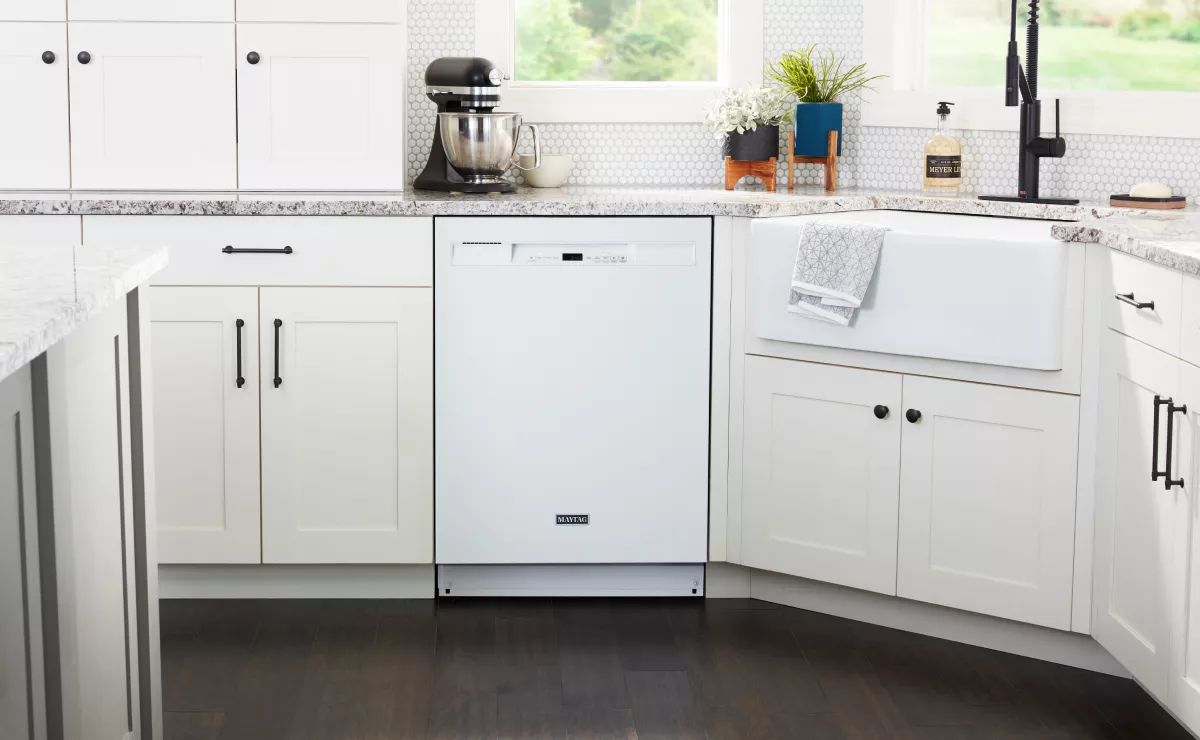
Credit: www.maytag.com
Frequently Asked Questions
Can I Install A Dishwasher In A Small Kitchen?
Yes, compact dishwashers fit small kitchens. Measure available space carefully before buying. Consider portable or countertop models for tight areas.
What Kitchen Layouts Suit Dishwasher Installation Best?
Dishwashers fit well in L-shaped, U-shaped, and galley kitchens. Place near the sink for easy plumbing and efficient workflow.
Do I Need Professional Help To Install A Dishwasher?
Professional installation is recommended. It ensures proper plumbing, electrical connections, and prevents leaks. DIY is possible if you have experience.
How Much Space Is Required For A Dishwasher?
Standard dishwashers need about 24 inches wide, 24 inches deep, and 35 inches high. Compact models require less space.
Conclusion
Adding a dishwasher can save time and effort in your kitchen. Measure your space carefully before choosing a model. Consider water and electrical connections for easy installation. Small kitchens can still fit compact dishwashers. Think about your daily needs and budget too.
A dishwasher brings convenience and keeps your kitchen tidy. Take your time to find the best fit. Your kitchen can be both functional and efficient. Why not make dishwashing simpler today?