
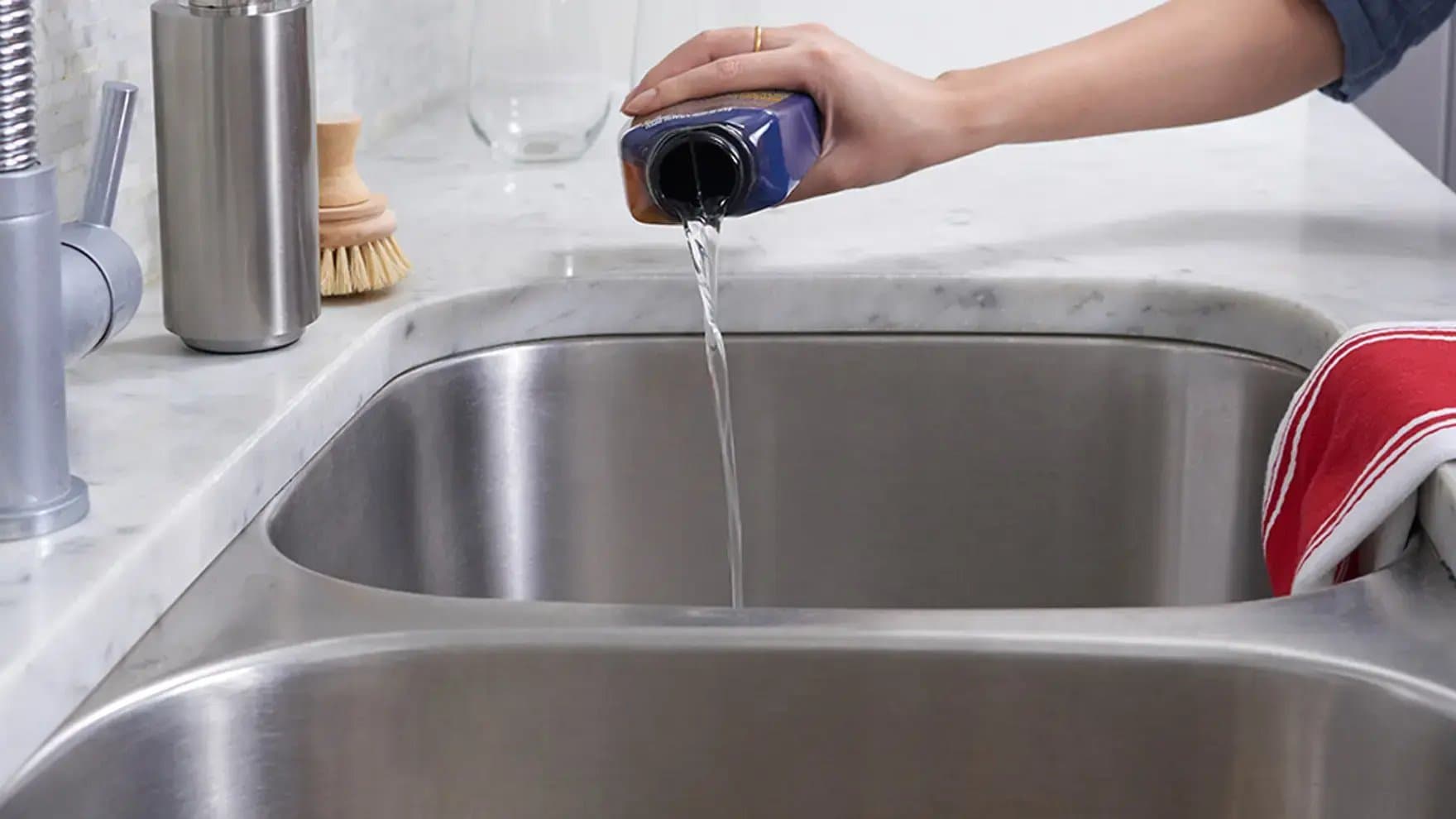
Is your kitchen sink clogged and slowing you down? You’re probably wondering, “Can I plunge a kitchen sink myself?” The good news is, you don’t have to call a plumber right away.
With the right steps, you can often fix the problem quickly and save time and money. Keep reading, and you’ll learn exactly how to plunge your kitchen sink safely and effectively—so you can get back to your day without the mess or stress.
When To Use A Plunger
Knowing when to use a plunger on your kitchen sink can save you time and money. Not every clog needs a professional or harsh chemicals. Sometimes, a simple plunge is all it takes to get your sink draining smoothly again.
Signs Your Sink Is Clogged
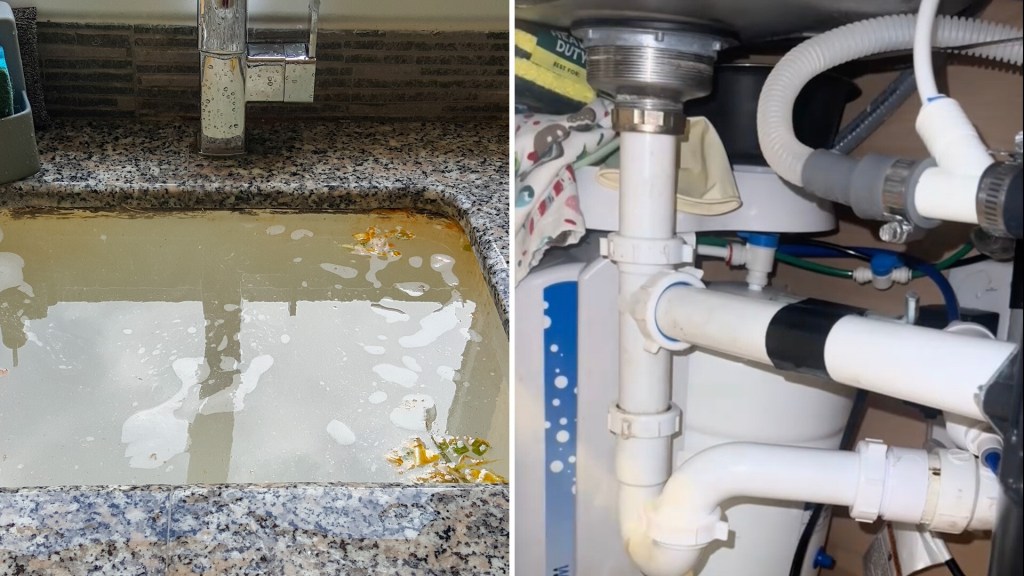
Is water pooling around your sink when you wash dishes? That’s a clear sign of a clog. Slow drainage, strange gurgling noises, or unpleasant odors coming from the drain are also red flags.
If you notice water backing up into the sink after using the dishwasher, your drain might be partially blocked. These signs tell you it’s time to act before the problem worsens.
Types Of Clogs Suitable For Plunging
Plungers work best on clogs caused by soft materials like food scraps, grease buildup, or soap residue. These blockages sit near the surface of the drain and respond well to the suction and pressure created by plunging.
However, if the clog is caused by hard objects like utensils or if it’s deep inside the pipes, plunging might not help. Also, avoid plunging if the sink is completely blocked and won’t hold water, as the plunger needs water to create a seal.
Have you ever tried plunging your sink and wondered why it didn’t work? Often, it’s because the clog wasn’t the right type or location for plunging. Recognizing the right moment can prevent frustration and wasted effort.

Credit: ca.style.yahoo.com
Choosing The Right Plunger
Choosing the right plunger is key to solving your kitchen sink clog quickly and without frustration. Not all plungers work the same way, and picking the right type can save you time and effort. Let’s break down what you need to know before grabbing the first plunger you see.
Cup Plunger Vs. Flange Plunger
There are two main types of plungers you might consider: the cup plunger and the flange plunger. A cup plunger has a simple rubber cup shape and works best on flat surfaces like sinks and bathtubs.
The flange plunger, on the other hand, has an extra soft rubber flap (flange) that extends from the cup. This design allows it to create a better seal in drains with pipes that go deeper, like toilets, but it can also be effective in kitchen sinks with narrow drains.
Think about your sink’s drain shape. If it’s flat and wide, a cup plunger should do the trick. If the drain narrows sharply or curves, the flange plunger might give you a stronger seal and better pressure to clear the clog.
Material And Size Considerations
Plungers come in different materials like rubber, plastic, and even silicone. Rubber is the most common and flexible, making it easier to form a tight seal around your sink drain. Silicone models last longer and resist cracking but are usually pricier.
Size matters too. A plunger that’s too big won’t fit well in your sink drain, and one that’s too small won’t create enough suction. Measure your drain opening before choosing a plunger—most kitchen sink plungers fall between 3 and 4 inches in diameter.
Also, handle length plays a role. A longer handle gives you more leverage but can be awkward in tight spaces under the sink. Shorter handles offer better control but may require more effort.
Have you ever grabbed a plunger that just didn’t seem to work? Reflect on that experience and consider whether the plunger matched your sink’s drain type and size. Choosing the right plunger upfront can make plunging less of a chore and more of a quick fix.
Preparing Your Sink For Plunging
Clear the sink of dishes and debris to ensure a good seal with the plunger. Seal the overflow drain with a wet cloth to build pressure. Fill the sink partially with water to help dislodge the clog effectively.
Preparing your sink for plunging is crucial for effective results. This process ensures that no obstacles hinder the plunging action. A clear and properly sealed sink makes plunging more efficient and less messy.
Clearing The Sink Area
Remove all dishes and debris from the sink. Clear the countertops near the sink to prevent splashes. Check the drain for any visible obstructions. Use gloves to remove any food particles or debris. Clean the sink surface for a better seal.
Sealing Overflow Openings
Locate the overflow openings in your sink. These are small holes usually near the top. Use a wet cloth to block these openings. This helps create a vacuum for effective plunging. Make sure the cloth is snugly fit to prevent air escape. A proper seal boosts plunging power.
Step-by-step Plunging Technique
Plunging a kitchen sink is a simple skill that can clear many common clogs. Using the right technique helps push blockages through the drain. Follow these clear steps to plunge your sink effectively and avoid damage.
Positioning The Plunger Correctly
Place the plunger cup flat over the drain opening. Ensure the sink has enough water to cover the plunger’s edge. This creates a tight seal. Hold the handle firmly and keep the cup fully in contact with the surface.
Effective Pumping Motions
Push the plunger down slowly and then pull up sharply. Use controlled, steady motions to build pressure. Avoid breaking the seal during movement. Repeat this pumping action about 15 times or until the clog loosens.
Testing Drainage After Plunging
Remove the plunger carefully without breaking the seal. Run some water to check if it drains quickly. If water drains slowly, repeat the plunging process. Clear drainage means the clog is gone and your sink is ready to use.
Alternative Methods For Tough Clogs
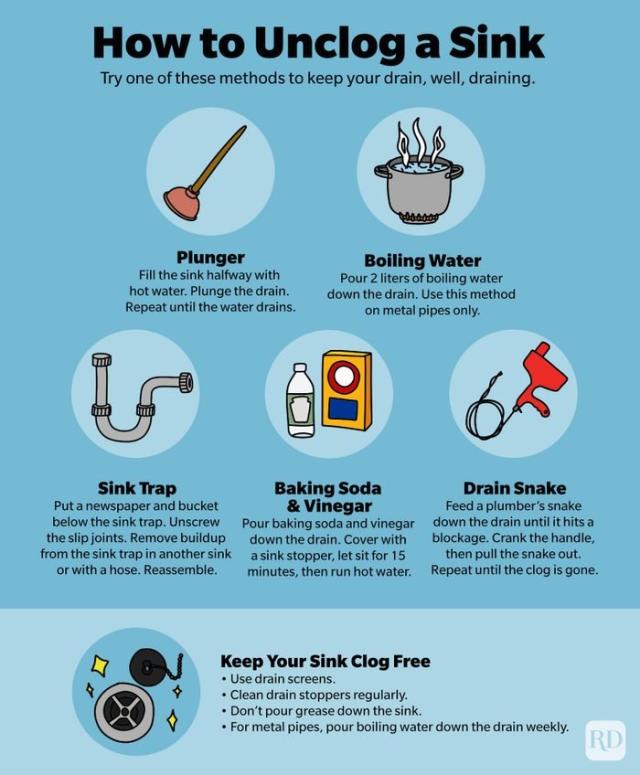
Sometimes, plunging your kitchen sink just isn’t enough to clear a stubborn clog. Tough blockages require different approaches that can tackle grime, grease, or debris stuck deeper in the pipes. Trying alternative methods before calling a plumber can save you time and money.
Using Baking Soda And Vinegar
This classic combo is a gentle yet effective way to break down clogs without harsh chemicals. Start by pouring about half a cup of baking soda directly into the drain. Follow it with half a cup of white vinegar and cover the drain to keep the reaction inside.
Wait for 15 to 30 minutes while the fizzing action loosens the blockage. Then flush the drain with hot water to clear out any loosened debris. If you’ve never tried this, it might surprise you how well natural ingredients work.
Applying A Drain Snake
A drain snake, also called a plumber’s auger, can reach clogs far beyond the reach of a plunger. Insert the flexible coil into the drain and turn the handle to break up or hook the clog. This tool works especially well if hair or food particles are causing the blockage.
Be careful not to force the snake too hard, as you could damage your pipes. If you don’t own one, they’re usually affordable and available at most hardware stores. Have you ever been frustrated by a clog that just wouldn’t budge? A drain snake might be the answer.
When To Call A Professional
If your kitchen sink remains clogged despite these efforts, it’s time to consider expert help. Persistent blockages can signal deeper plumbing issues that require specialized tools and knowledge. Don’t hesitate to call a plumber if water backs up repeatedly or drains very slowly after multiple attempts.
Trying to fix complicated problems yourself can sometimes make things worse. A professional can diagnose the root cause and fix it safely. Have you ever delayed calling a plumber only to face a bigger mess? Sometimes, quick expert intervention saves you headaches down the line.
Credit: www.aol.com
Preventing Future Sink Clogs
Preventing future sink clogs keeps your kitchen running smoothly. Simple habits stop buildup and blockages. Regular care saves time and money on repairs. Small changes make a big difference in drain health.
Regular Maintenance Tips
- Flush drains with hot water weekly to clear grease.
- Use a drain strainer to catch food and debris.
- Clean the strainer after every meal to prevent buildup.
- Run cold water while using the garbage disposal.
- Pour a mix of baking soda and vinegar monthly to break down residue.
- Avoid harsh chemical cleaners that can damage pipes.
What To Avoid Pouring Down The Drain
- Grease and oil, which solidify and block pipes.
- Coffee grounds, as they clump and slow drainage.
- Eggshells, which create gritty buildup inside pipes.
- Large food scraps that can clog disposals.
- Pasta and rice that expand with water and cause blockages.
- Fibrous foods like celery and onion skins that tangle in pipes.
Credit: www.thecooldown.com
Frequently Asked Questions
Can I Plunge A Kitchen Sink Safely?
Yes, you can safely plunge a kitchen sink using a cup plunger. Ensure the sink has enough water to cover the plunger’s cup. Use firm, consistent plunges to create pressure and dislodge clogs. Avoid using excessive force to prevent pipe damage.
What Type Of Plunger Works Best For Kitchen Sinks?
A cup plunger works best for kitchen sinks. It creates a strong seal over the drain, which helps generate pressure. Avoid flange plungers designed for toilets, as they don’t fit kitchen sink drains properly. Choose a sturdy plunger with a comfortable handle.
How Many Times Should I Plunge My Kitchen Sink?
Plunge your kitchen sink 10 to 15 times per session. This number of plunges usually helps loosen minor clogs. If the clog persists, wait a few minutes and repeat. Excessive plunging can damage pipes, so avoid overdoing it.
When Should I Avoid Plunging My Kitchen Sink?
Avoid plunging if the sink is completely clogged with standing water. Also, do not plunge if you suspect a broken or damaged pipe. In these cases, call a professional plumber to prevent further damage.
Conclusion
Plunging a kitchen sink often solves common clogs quickly. It’s a simple tool that anyone can use safely. Remember to create a tight seal around the drain for best results. Avoid harsh chemicals that can damage pipes. If plunging doesn’t work, calling a plumber is a smart choice.
Regular sink care helps prevent future blockages. Small efforts save time and money. Now you know how to handle a clogged sink easily. Give it a try next time water won’t drain.