
Have you ever wondered if your KitchenAid stand mixer can do more than just mix dough or whip cream? What if you could puree fruits, vegetables, or even make smooth baby food using the same trusted appliance on your countertop?
If you’re looking to save time, reduce kitchen clutter, and get creative with your cooking, knowing how to puree in your KitchenAid stand mixer could be a game-changer. Keep reading to discover how this versatile machine can make your meal prep easier and more enjoyable.
Credit: m.youtube.com
Pureeing With Kitchenaid Mixer
Pureeing with a KitchenAid stand mixer offers a simple way to create smooth textures for many dishes. This powerful kitchen tool can handle soft and cooked foods well. Using the right attachments and technique makes pureeing easy and effective. It saves time and effort compared to manual methods.
Mixer Attachments For Pureeing
- Food Grinder Attachment: Grinds and purees cooked vegetables and fruits.
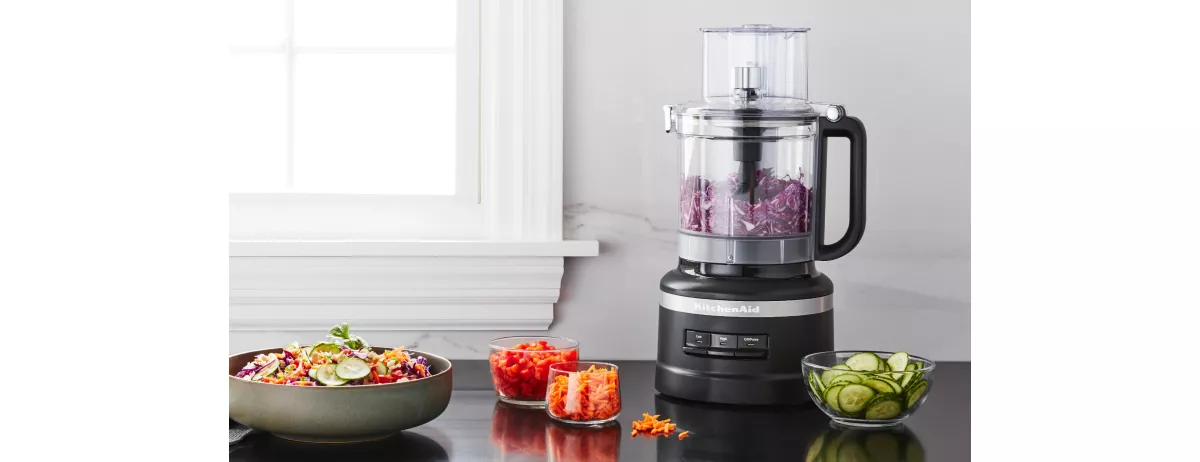
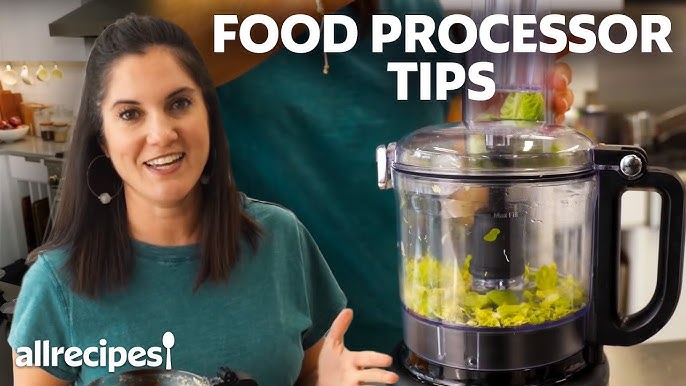
- Food Processor Attachment: Chops and purees ingredients quickly.
- Wire Whip: Can blend softer foods but less smooth than other attachments.
- Flat Beater: Useful for mixing soft foods but not ideal for fine purees.
Suitable Foods For Pureeing
- Cooked vegetables like carrots, potatoes, and squash.
- Soft fruits such as bananas, peaches, and berries.
- Cooked beans and lentils for dips and spreads.
- Soups and sauces that need smooth textures.
Step-by-step Pureeing Process
- Prepare food by cooking until soft and cool enough to handle.
- Attach the food grinder or processor to the stand mixer.
- Cut food into small pieces for even processing.
- Feed pieces slowly into the attachment while mixer runs at low speed.
- Scrape down sides if needed for consistent texture.
- Repeat until food reaches desired smoothness.
- Clean attachments immediately after use to avoid residue buildup.
Benefits Of Using Kitchenaid For Puree
Using your KitchenAid stand mixer to puree ingredients can transform your cooking experience. It’s not just about mixing batter anymore; this powerful appliance offers several benefits that make pureeing faster, easier, and more precise. Understanding these advantages can help you get the most out of your mixer and elevate your homemade sauces, soups, and baby food.
Time-saving Features
KitchenAid mixers come with strong motors that handle tough ingredients without breaking a sweat. This means you can puree vegetables, fruits, or nuts quickly, cutting down your prep time significantly. Have you noticed how some blenders struggle with fibrous foods? KitchenAid often powers through them smoothly, letting you focus on other tasks.
Consistent Texture Results
One of the biggest challenges in pureeing is achieving a smooth, even texture. KitchenAid’s steady speed and powerful blades help create uniform purees every time. Whether you’re making a silky pumpkin soup or a creamy hummus, your results won’t vary from batch to batch. How often have you been frustrated by lumpy purees? This mixer helps put those worries to rest.
Versatility Beyond Mixing
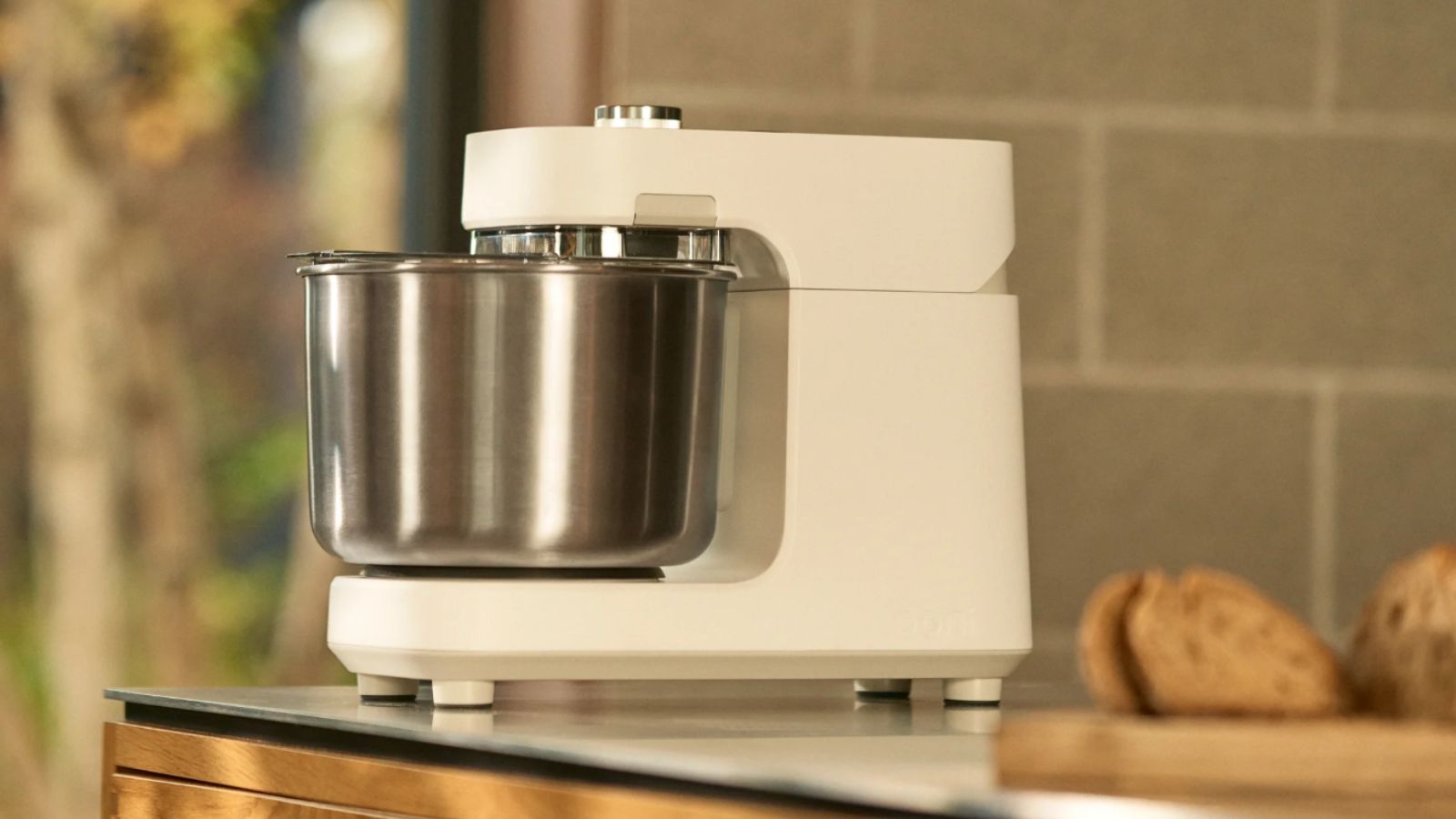
Your KitchenAid isn’t limited to just mixing dough or batter; it’s a versatile tool that can handle multiple kitchen tasks. You can switch attachments to chop, shred, or puree, making it a multi-functional gadget. This flexibility means fewer appliances cluttering your countertop and more convenience when preparing meals. Have you tried using your mixer for tasks other than baking? It might surprise you how many uses it has.
Common Challenges And Fixes
Pureeing with a Kitchen Aid stand mixer can bring some challenges. These common issues can slow you down or cause frustration. Knowing simple fixes helps keep the process smooth and safe. Here are key challenges and how to solve them.
Avoiding Overheating
Pureeing thick or heavy mixtures can strain the motor. Overheating may cause the mixer to stop working temporarily. To avoid this, use short mixing bursts. Let the mixer rest between sessions. Check the motor’s temperature by touch. If it feels hot, pause and cool it down.
Preventing Splatter
Pureeing liquids or soft foods may cause splatter. This creates a mess and wastes ingredients. Use a deep bowl or cover the mixer head with a towel. Start mixing at low speed. Gradually increase speed as the mixture blends. This controls splatter and keeps your kitchen clean.
Dealing With Thick Mixtures
Thick mixtures can slow the blades or cause uneven pureeing. Add small amounts of liquid to loosen the texture. Stop mixing occasionally to scrape down the sides. This helps blend everything evenly. Use the paddle attachment for better control with dense foods.
Credit: www.homesandgardens.com
Maintenance After Pureeing
Maintaining your KitchenAid stand mixer after pureeing is crucial to keep it running smoothly and to extend its lifespan. Pureeing can leave behind stubborn residues, especially if you've worked with fibrous or sticky foods. Taking a few extra minutes for proper maintenance ensures your mixer stays clean and functional, ready for your next cooking adventure.
Cleaning Attachments
After pureeing, detach the attachments immediately. Food particles can dry quickly and become difficult to remove. Rinse them under warm water to loosen any stuck-on bits.
Use a soft brush or sponge with mild soap to clean blades and attachments thoroughly. Avoid abrasive cleaners that can scratch the surface. If your attachments are dishwasher safe, placing them on the top rack is a convenient option.
Remember to dry attachments completely before storing. Moisture can cause rust or damage, especially on metal parts. Have you noticed how a simple rinse right after use saves you from scrubbing later?
Protecting Mixer Components
Wipe down the mixer body with a damp cloth to remove any splatters or spills. Avoid getting water near the motor or electrical parts to prevent damage. Your mixer isn’t waterproof, so careful cleaning is essential.
Check the attachment hub and locking mechanisms regularly. Food debris can accumulate in these areas, affecting performance. A quick wipe or a gentle brush can keep these parts clean and working well.
If you puree often, consider applying a light coat of food-safe lubricant on moving parts as recommended in your user manual. This small step can reduce wear and tear. How often do you inspect your mixer’s moving parts? It might be time to make it a habit.
Alternative Pureeing Tools
When it comes to pureeing, your KitchenAid stand mixer might not always be the best tool for the job. You might wonder about alternative pureeing tools that can deliver smoother results. Let's explore some options that might just be what you need in your kitchen.
Blenders Vs. Stand Mixers
Blenders are often a go-to for pureeing because they excel in creating smooth textures. Unlike stand mixers, blenders have sharp blades specifically designed to break down food fibers efficiently. This makes them ideal for smoothies, soups, and sauces.
Have you ever tried to puree a chunky soup in a stand mixer? It can be a bit of a struggle. With a blender, you simply add your ingredients, press a button, and within seconds, you have a perfectly smooth puree.
Consider the versatility of blenders. They can handle anything from frozen fruits to hot liquids without missing a beat. Does your stand mixer offer that kind of flexibility?
Food Processors As Options
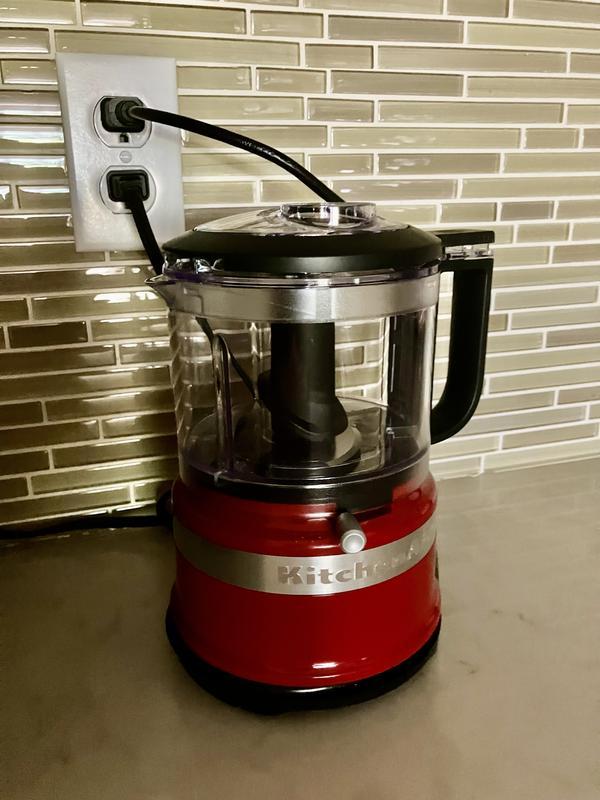
Food processors are another excellent choice for pureeing. They are equipped with powerful motors and versatile blades. These features make them perfect for tasks that require both chopping and pureeing.
Imagine making a chunky salsa and then deciding to puree it for a different dish. A food processor can transition from one task to the other with ease, saving you time and effort.
They often come with a variety of attachments. This means you can use the same machine for slicing, shredding, and pureeing. Wouldn’t that streamline your cooking process?
Exploring these alternative tools could enhance your kitchen experience. Maybe it's time to rethink the way you puree and consider the benefits these tools bring to the table.
Credit: www.kitchenaid.com
Frequently Asked Questions
Can I Puree Food In A Kitchenaid Stand Mixer?
Yes, you can puree soft foods using a KitchenAid stand mixer with the food grinder or blender attachment. It’s ideal for making baby food, sauces, or soups.
Which Kitchenaid Attachment Is Best For Pureeing?
The KitchenAid blender or food processor attachment works best for pureeing. These attachments finely blend ingredients into smooth textures.
Is Pureeing In A Stand Mixer Safe?
Pureeing in a KitchenAid stand mixer is safe if you use proper attachments and avoid overfilling the bowl. Follow the manufacturer’s instructions.
Can I Puree Hot Food In My Stand Mixer?
It’s not recommended to puree hot food directly in the stand mixer bowl. Let the food cool slightly to prevent damage or injury.
Conclusion
Yes, you can puree in your Kitchen Aid stand mixer with the right tools. Using attachments like a food grinder or blender helps achieve smooth textures. Always add liquids slowly to avoid splashing. Small batches work best for even pureeing.
Clean your mixer properly after use to keep it in good shape. This method saves time and effort in the kitchen. Give it a try and enjoy homemade purees easily. Simple, quick, and effective.