
Are you tired of washing dishes by hand after every meal? You might be wondering, "Can I put a dishwasher in my kitchen?"
Adding a dishwasher can save you time and effort, making your daily routine much easier. But before you jump in, there are some important things you need to know. You’ll discover how to find the perfect spot, what to consider in terms of plumbing and space, and tips to make the installation smooth.
Keep reading to learn how you can bring convenience and efficiency right into your kitchen.

Credit: www.reddit.com
Choosing The Right Dishwasher
Choosing the right dishwasher can make your kitchen tasks easier and save time. The perfect dishwasher fits your space, handles your load, and uses energy wisely. Think about your kitchen size and daily dishwashing needs before buying. This helps pick a model that works well and lasts long.
Size And Capacity Options
Dishwashers come in different sizes to match your kitchen space. Compact models fit small kitchens or apartments. Standard sizes suit most homes and can hold 12 to 16 place settings. Larger models handle bigger families or frequent cooks. Consider how many dishes you wash daily. Choose a size that fits your kitchen layout without crowding.
Energy Efficiency Ratings
Energy-efficient dishwashers reduce electricity and water use. Look for models with ENERGY STAR labels. These save money on bills and help the environment. Efficient machines use less water per cycle. They also run quietly and clean well. Check the energy rating before buying to find a model that balances performance and savings.
Types Of Dishwashers
There are several dishwasher types to fit different needs:
- Built-in:Installed under the counter, common in most kitchens.
- Portable:On wheels, can move and connect to sink when needed.
- Drawer:Small, easy to load, good for limited space.
- Countertop:Small units placed on counters for light use.
Choose a type that fits your kitchen design and dishwashing habits. Think about installation space and how often you cook.

Credit: www.reddit.com
Evaluating Your Kitchen Space
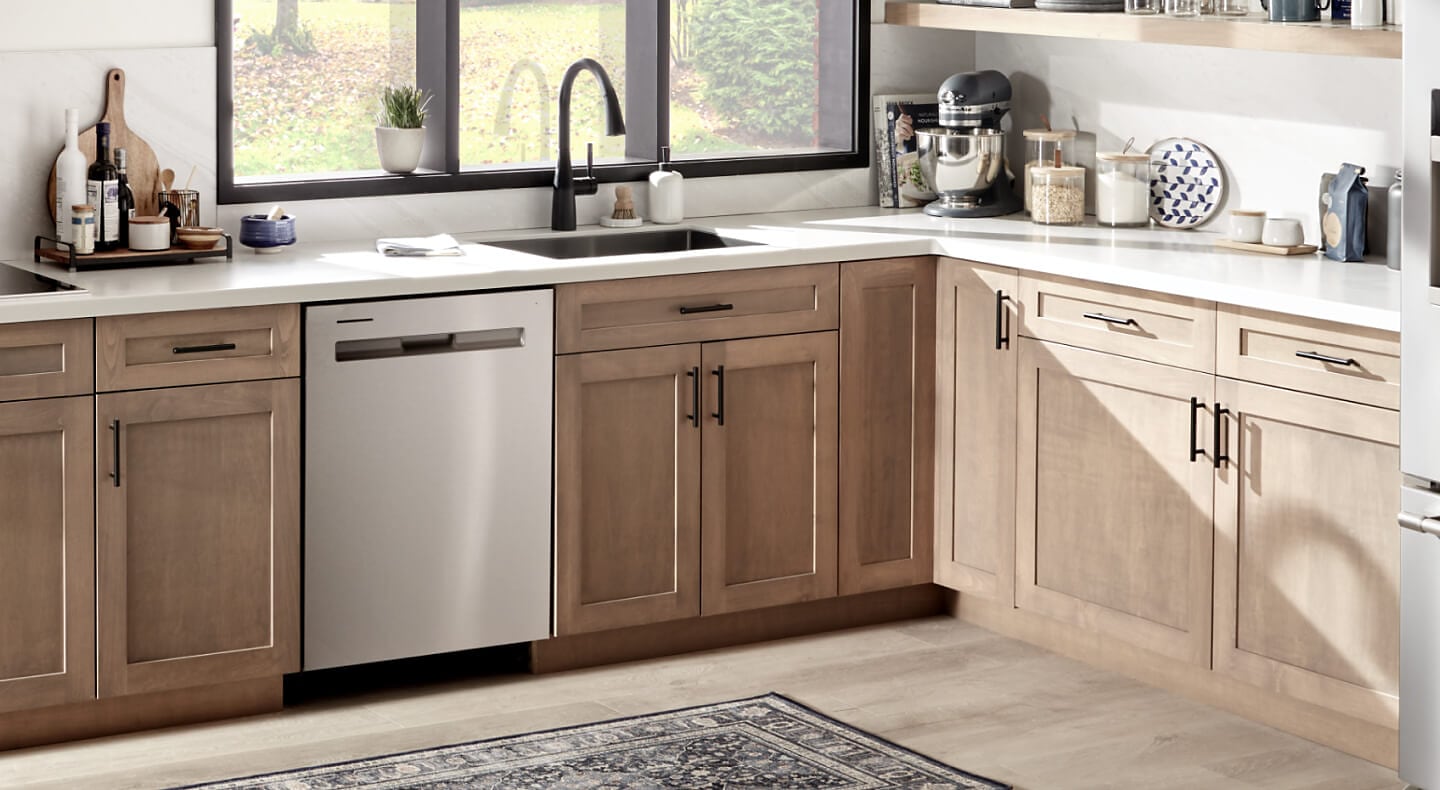
Measure the available space and check plumbing access before installing a dishwasher. Ensure there is enough room for door clearance and ventilation. Consider your kitchen layout to keep the dishwasher convenient and functional.
Deciding to add a dishwasher to your kitchen can be a game-changer for your daily routine. However, it's crucial to evaluate your kitchen space to ensure a smooth installation. This involves considering several factors that can impact both the functionality and aesthetics of your kitchen.
Measuring Available Space
Before anything else, grab a tape measure and assess the dimensions of your potential dishwasher spot. Standard dishwashers typically require a width of about 24 inches, but compact models are also available for smaller spaces. Ensure there's enough room for the door to open fully without hitting cabinets or other appliances. Consider how your kitchen traffic flows. Will the dishwasher open into a walkway? You want to avoid creating a bottleneck during busy times.
Checking Cabinet Layout
Take a close look at your existing cabinet arrangement. Can you sacrifice a cabinet to make way for a dishwasher? Removing a cabinet is often easier than you might think and can be a worthwhile trade-off. Think about the ease of access. Is the spot convenient for loading and unloading dishes? Ideally, it should be near your sink and storage areas for maximum efficiency.
Considering Plumbing And Electrical Access
Your dishwasher will need access to both water and electricity. Check for existing plumbing connections under the sink, as this is where the dishwasher will likely connect. Ensure you have an electrical outlet nearby. If not, you might need to hire a professional to install one, which could affect your budget. Have you thought about how these installations might affect your kitchen's overall look? Concealed wiring and plumbing can keep your kitchen looking sleek and organized.
Installation Basics
Installing a dishwasher in your kitchen can be a smooth process with the right knowledge. Understanding the basics of installation helps avoid mistakes. It ensures the dishwasher works efficiently and lasts long. This section covers essential tools, the installation steps, and common challenges you might face.
Tools And Materials Needed
- Screwdriver (Phillips and flathead)
- Adjustable wrench
- Drill and drill bits
- Measuring tape
- Level
- Plumber’s tape
- Dishwasher installation kit (includes water supply line and drain hose)
- Wire nuts and electrical tape
- Bucket or towel to catch water spills
- Safety gloves and goggles
Step-by-step Installation Process
Start by turning off the water supply and power to the kitchen area. Remove the cabinet panel or open the space where the dishwasher will go. Measure the space to confirm the dishwasher fits perfectly.
Connect the water supply line to the dishwasher’s inlet valve. Attach the drain hose to the sink drain or garbage disposal. Secure all connections tightly to prevent leaks. Connect the dishwasher to the electrical supply, following the manufacturer’s instructions carefully.
Slide the dishwasher into place, making sure it sits level. Adjust the legs if needed to balance the unit. Secure the dishwasher to the countertop or cabinet to prevent movement during operation. Turn the water and power back on. Run a test cycle to check for leaks and proper function.
Common Installation Challenges
- Incorrect measurements causing tight or loose fit
- Improper water line connection leading to leaks
- Electrical wiring errors affecting dishwasher operation
- Drain hose not secured, causing water backups
- Leveling issues resulting in poor drainage or noise
- Limited access to plumbing or electrical hookups
- Damage to cabinets or flooring during installation
Credit: www.maytag.com
Plumbing And Electrical Requirements
Installing a dishwasher needs careful attention to plumbing and electrical needs. These systems must work well for the appliance to function safely and efficiently. Proper connections help avoid leaks, electrical issues, and damage to the kitchen.
Understanding these requirements helps prepare your kitchen for a dishwasher. It saves time and prevents costly mistakes during installation.
Water Supply Connection
A dishwasher requires a cold water supply line. It connects to the kitchen’s existing plumbing, usually under the sink. A shut-off valve is necessary to control water flow. The connection uses a flexible hose with proper fittings for a secure seal.
- Use copper or braided stainless steel supply lines for durability.
- Ensure the water pressure matches the dishwasher’s specifications.
- Check for leaks after connecting the supply line.
Drainage Setup
The dishwasher must drain wastewater properly. It connects to the kitchen sink drain or garbage disposal. A drain hose carries dirty water away safely. This hose needs a high loop or air gap to prevent backflow.
- Install the drain hose above the sink’s trap to avoid contamination.
- Secure the hose to prevent kinks or bends.
- Check local codes for air gap requirements.
Electrical Outlet Specifications
A dishwasher needs a dedicated electrical circuit. It should have a grounded outlet with the right voltage and amperage. Most dishwashers require 120 volts and 15 to 20 amps. The outlet is usually located under the sink or behind the dishwasher space.
- Use a GFCI outlet if required by local codes.
- A hardwired connection is common in some installations.
- Ensure the power source is switched off during installation.
Maximizing Kitchen Workflow
Maximizing your kitchen workflow means setting up your space so tasks flow smoothly without unnecessary steps. Adding a dishwasher can change how you move around your kitchen, so it's important to think about placement and interaction with other appliances. The goal is to make washing dishes less of a chore and more of a seamless part of your cooking routine.
Optimal Dishwasher Placement
Place your dishwasher near the sink to make rinsing and loading quick and easy. This reduces water drips on the floor and cuts down on the distance you carry dirty dishes. Think about where you usually store your plates and glasses—put the dishwasher close to these cabinets to speed up unloading.
Consider your kitchen layout. In a galley kitchen, the dishwasher fits well at the end of the counter. In open-plan spaces, placing it near the dining area can help with quick cleanups after meals. How often do you find yourself crossing the kitchen with a full sink? A smart spot for the dishwasher can cut that time in half.
Integrating With Existing Appliances
Look at how your dishwasher will work alongside your stove, fridge, and sink. You don’t want it to block access to other appliances or create tight spots. For example, if your fridge door swings open next to the dishwasher, it can cause a traffic jam during busy cooking times.
Make sure your dishwasher’s door can open fully without hitting cabinets or appliances. Also, check if plumbing and electrical outlets are nearby to avoid costly rewiring or plumbing changes. Sometimes, shifting a dishwasher just a few inches can make a big difference in how smoothly your kitchen runs.
Maintaining Accessibility
Keep the dishwasher accessible to everyone who uses the kitchen. If you have kids or elderly family members, a lower or front-facing dishwasher might be easier for them to use. Avoid blocking walkways or corners, so opening the dishwasher doesn’t interrupt movement in the kitchen.
Think about the loading and unloading process. Can you open the dishwasher and still have space to stand and sort dishes? Are the dishwasher racks easy to pull out without hitting nearby cabinets? Small details like these improve your daily kitchen experience and save frustration.
Maintenance And Troubleshooting
Keeping your dishwasher in top shape takes more than just loading and unloading dishes. Regular maintenance and knowing how to troubleshoot issues can save you time, money, and frustration. Understanding what to clean, how to prevent problems, and when to seek help is essential for a smoothly running kitchen appliance.
Regular Cleaning Tips
Cleaning your dishwasher regularly helps avoid buildup that can affect performance. Start by wiping down the door seals and edges with a damp cloth to remove food particles and grime. Don't forget to clean the filter at the bottom—clogged filters reduce water flow and cleaning power.
Run an empty cycle with a cup of white vinegar placed on the top rack to break down mineral deposits and soap scum. You can also sprinkle baking soda on the bottom and run a short hot-water cycle to freshen the interior. How often you clean depends on your usage, but a monthly routine keeps your dishwasher smelling fresh and working well.
Preventing Common Issues
Many dishwasher problems can be avoided by simple habits. Always scrape off large food scraps before loading dishes to prevent clogs. Avoid overloading the racks; this ensures water reaches every item and prevents strain on the motor.
Check that spray arms spin freely and aren’t blocked by utensils. Using the right detergent and the correct amount is crucial—too much can cause excessive suds, while too little reduces cleaning efficiency. Ever noticed your dishes coming out cloudy or spotted? It might be time to test your water hardness and adjust your detergent accordingly.
When To Call A Professional
Some issues need more than just a quick fix. If you hear unusual noises like grinding or banging, or if the dishwasher won’t drain properly, it’s a sign to call an expert. Electrical problems or persistent leaks also require professional attention to avoid further damage or safety hazards.
Trying to fix complex parts yourself can sometimes make things worse. Remember, a professional can quickly diagnose problems and ensure your dishwasher runs safely and efficiently. Have you ever ignored a small issue only to face a bigger repair later? Don’t let that happen with your dishwasher.
Frequently Asked Questions
Can I Install A Dishwasher In A Small Kitchen?
Yes, you can install a dishwasher in a small kitchen. Compact and slim models save space. Proper measurements and layout planning are essential for a perfect fit.
What Plumbing Is Needed For A Kitchen Dishwasher?
A dishwasher requires a water supply line and a drain connection. It usually connects to the sink’s hot water supply and drainage system. Professional installation ensures proper plumbing and avoids leaks.
Will Adding A Dishwasher Increase My Kitchen’s Value?
Installing a dishwasher can increase your kitchen’s value. It adds convenience and modern appeal. Many buyers consider dishwashers a desirable feature in homes.
Can I Install A Dishwasher Without Electrical Expertise?
Dishwashers need a dedicated electrical outlet. While basic installation is possible, hiring a licensed electrician is safer. Proper wiring prevents electrical hazards and ensures appliance functionality.
Conclusion
Adding a dishwasher can save time and effort in your kitchen. Check the space and plumbing before starting the project. Many kitchens can fit a dishwasher with small changes. It also helps keep your dishes cleaner and your kitchen tidier.
Think about your budget and needs first. A dishwasher can make daily chores easier. Consider all factors to decide if it suits your home. You can enjoy more free time with less washing. Simple steps lead to a smoother kitchen upgrade.