
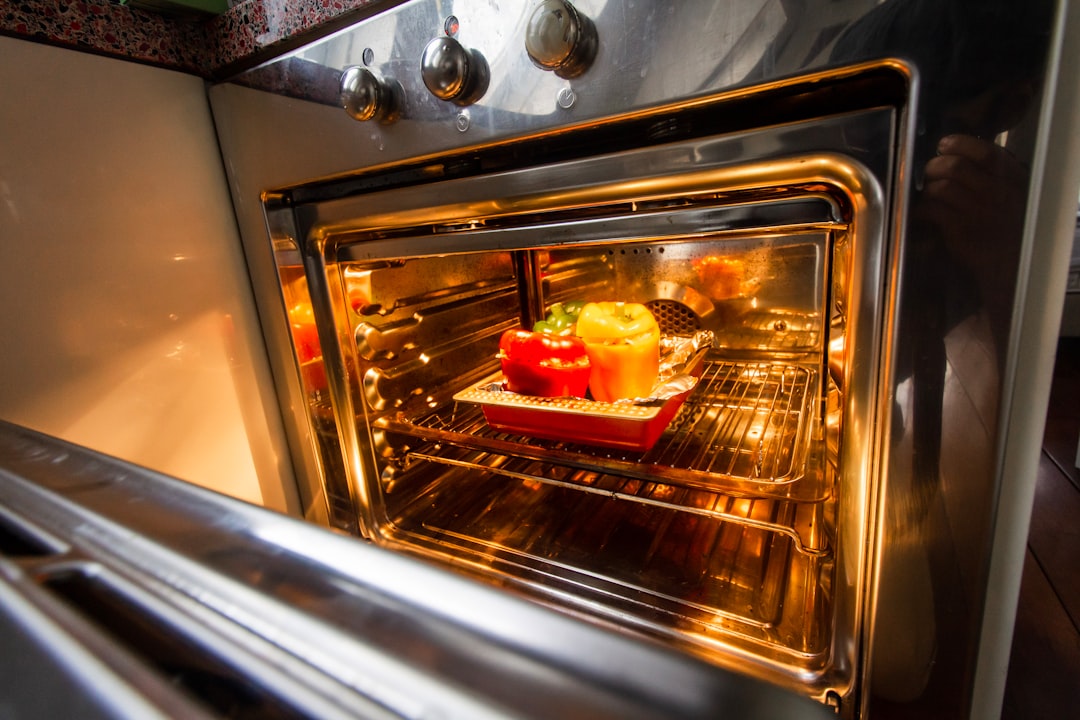
Are you wondering if you can put an oven in your kitchen? Maybe you’re short on space or unsure about the best spot for it.
Adding an oven can change the way you cook and enjoy your meals, but it’s important to get it right. You’ll discover practical tips and smart ideas that make installing an oven easier than you think. By the end, you’ll feel confident about making your kitchen more functional and stylish.
Keep reading to find out how to bring your cooking space to life!
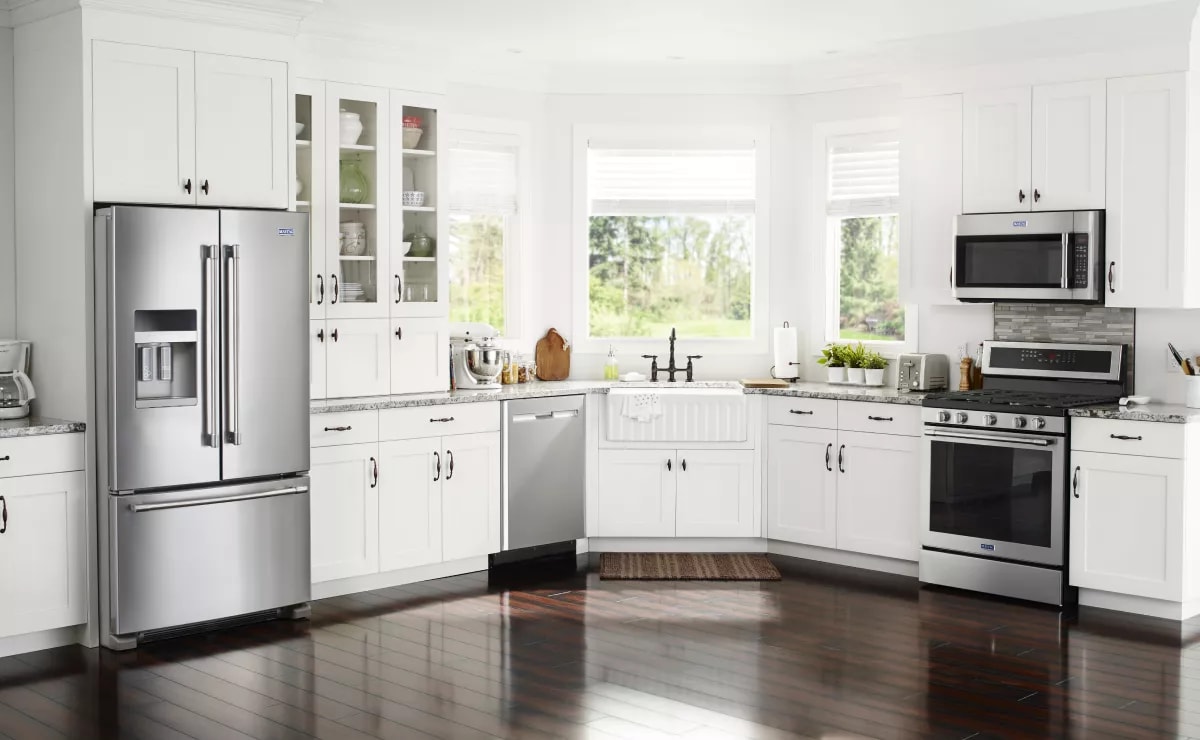
Credit: www.maytag.com
Choosing The Right Oven
Choosing the right oven shapes your kitchen’s cooking experience. The ideal oven fits your space, meets your cooking needs, and saves energy. Consider the types, sizes, and energy ratings carefully. This helps pick an oven that works well every day.
Types Of Ovens
Ovens come in various styles. Each type suits different cooking habits.
- Conventional Ovens:Use heating elements above and below food.
- Convection Ovens:Have fans to circulate hot air for even cooking.
- Microwave Ovens:Heat food quickly using microwave radiation.
- Steam Ovens:Cook food with steam, preserving moisture and nutrients.
- Wall Ovens:Built into kitchen walls to save floor space.
Pick an oven type that matches your cooking style and kitchen layout.
Size And Capacity Considerations
Oven size affects cooking and kitchen space.
Think about how much food you cook at once. Small ovens suit singles or couples. Large ovens fit families or those who entertain often.
Measure your kitchen area to ensure the oven fits well. Leave room for opening doors and ventilation.
| Oven Size | Best For | Typical Capacity |
|---|---|---|
| Compact (20-24 inches) | Small kitchens, limited space | 1.5 to 2.5 cubic feet |
| Standard (27-30 inches) | Most families, average use | 3 to 5 cubic feet |
| Large (30+ inches) | Large families, frequent cooking | 5+ cubic feet |
Energy Efficiency Ratings
Energy ratings show how much power the oven uses. Efficient ovens lower electricity bills and reduce environmental impact.
Look for ovens with Energy Star labels or similar certifications. These ovens use technology to save energy without losing performance.
Electric ovens often have better energy ratings than gas ovens. Convection ovens also use less energy by cooking food faster.
Choosing an energy-efficient oven benefits your wallet and the planet.
Kitchen Space Planning
Planning kitchen space is essential before adding an oven. It helps avoid clutter and keeps your kitchen functional. Thoughtful space planning creates a smooth cooking experience and keeps everything accessible.
Measuring Available Space
Start by measuring the area where you want to place the oven. Use a tape measure to get the width, height, and depth. Note any obstacles like cabinets, doors, or windows near the spot.
Compare these measurements with the oven’s size. Leave some extra space for ventilation and ease of use. Accurate measuring prevents fitting problems later.
Oven Placement Options
Consider different spots for the oven in your kitchen. Common places include under the countertop, in a tall cabinet, or built into a wall. Each option has pros and cons.
- Under-counter ovens save space but may be hard to reach.
- Tall cabinet ovens are easier to access but need more room.
- Wall ovens create a modern look and separate cooking zones.
Choose a place that fits your kitchen layout and daily habits.
Ensuring Proper Ventilation
Ovens produce heat and moisture, so ventilation is crucial. Check if there is a vent or range hood nearby. Proper airflow keeps your kitchen safe and comfortable.
Leave enough space around the oven for air to circulate. Avoid placing the oven too close to walls or cabinets without vents. Good ventilation improves oven performance and kitchen air quality.
Electrical And Gas Requirements
Planning to install an oven? Understand the electrical and gas needs first. Proper setup ensures efficiency and safety. Let's explore the requirements.
Power Supply Needs
An oven needs a reliable power source. Electric ovens typically require a 240-volt outlet. Check your kitchen's power capacity. Ensure it can handle the oven's demands. A dedicated circuit might be necessary. This prevents overloads and ensures smooth operation.
Gas Line Installation
Gas ovens need a gas line. Professional installation is best. It ensures safe and efficient gas flow. Locate the gas line near the oven's installation area. Check for compatibility with your oven model. Use certified materials for connections.
Safety Precautions For Connections
Safety is crucial during installation. Inspect all connections for leaks. Tighten connections securely. Use a gas leak detector to check for leaks. Ensure electrical connections are insulated. Avoid water exposure to prevent hazards. Always consult with a professional for guidance.

Credit: www.realmomnutrition.com
Safety Regulations And Codes
Installing an oven in your kitchen requires more than just space. Safety regulations and codes protect your home and family from hazards. Understanding these rules helps you avoid costly mistakes and ensures a safe cooking area.
Local Building Codes
Local building codes set rules for kitchen appliances. These codes vary by city and state. They cover electrical wiring, ventilation, and installation methods. Always check with your local building department before installation. Permits may be needed to comply with laws. Following codes prevents accidents and legal issues.
Fire Safety Standards
Ovens must meet fire safety standards to reduce fire risks. These standards include using fire-resistant materials around the oven. Smoke detectors should be installed nearby. Avoid placing ovens near flammable materials like curtains or paper. Fire safety also involves proper electrical connections. Certified appliances often meet these safety rules.
Clearance And Spacing Guidelines
Clearance rules keep space between your oven and other objects. Proper spacing prevents heat damage and allows air circulation. Most codes require a minimum distance from walls and cabinets. Leave enough room for oven doors to open fully. Check manufacturer instructions for specific spacing needs. Following these guidelines keeps your kitchen safe and functional.
Professional Installation Tips
Installing an oven in your kitchen requires careful planning and skill. Professional installation ensures safety and efficiency. It prevents damage to your oven and kitchen setup. Follow these tips to get the best results from your new appliance.
Hiring Certified Technicians
Choose technicians with proper certification and experience. Certified professionals understand safety codes and installation standards. They handle electrical and gas connections correctly. This reduces risks and future repair costs. Always check reviews and credentials before hiring.
Installation Process Steps
The process starts with measuring the space for the oven. Proper measurements avoid fitting problems. Next, technicians prepare the area by checking power or gas supply. They connect the oven securely to utilities. Finally, they fix the oven in place, ensuring stability and alignment.
Post-installation Testing
After installation, thorough testing is essential. Technicians check oven functions like heating and controls. They inspect gas or electrical connections for leaks or faults. Testing confirms the oven works safely and efficiently. Request a demonstration to understand your new oven’s features.
Maintaining Your Oven Safely
Maintaining your oven safely is essential for both the longevity of your appliance and the safety of your kitchen environment. Neglecting regular care can lead to hazards such as gas leaks, electrical issues, or even fires. You might think safety checks are complicated, but simple habits can keep your oven running smoothly and securely.
Regular Cleaning Practices
Keeping your oven clean helps it function efficiently and prevents buildup that can cause smoke or unpleasant odors. Wipe spills immediately after the oven cools to avoid hardened messes.
Use a mild cleaner or baking soda paste for scrubbing the interior without damaging surfaces. Don’t forget to clean the oven racks and door seals, as grime there can affect heat distribution and cause heat to escape.
Checking For Gas Leaks
If your oven uses gas, regularly checking for leaks is crucial. You can do a simple test by applying a soapy water solution to the gas connections and watching for bubbles, which indicate a leak.
Smelling gas or hearing a hissing sound near your oven should prompt immediate action—turn off the gas supply and call a professional. How often do you inspect your kitchen for potential gas issues?
Troubleshooting Common Issues
Many oven problems have easy fixes you can try before calling a technician. If your oven isn’t heating properly, check that the thermostat is set correctly and the door seals tightly.
Uneven cooking might mean your racks are misaligned or the oven needs recalibration. If your oven display or buttons stop working, a simple reset by unplugging the oven for a few minutes often solves the issue.
Credit: www.lemon8-app.com
Frequently Asked Questions
Can I Install An Oven In A Small Kitchen?
Yes, compact ovens or wall-mounted models fit well in small kitchens. Proper ventilation and space planning are essential.
What Kitchen Space Is Needed For An Oven?
Typically, allow at least 24 inches width and proper clearance around the oven for safety and functionality.
Are There Electrical Requirements For Kitchen Ovens?
Yes, ovens usually need a dedicated 240-volt outlet. Check local codes and hire a certified electrician for installation.
Can I Put A Gas Oven In My Kitchen?
Yes, but ensure proper gas line installation and ventilation. A professional should handle gas connections to ensure safety.
Conclusion
Adding an oven can change your kitchen’s look and feel. Think about space, power needs, and safety first. Choose the right size that fits well in your kitchen. Check if your kitchen’s wiring can handle the oven’s power. Plan for ventilation to keep your kitchen fresh and safe.
An oven makes cooking easier and more fun. Take your time to decide, and your kitchen will be better for it.