
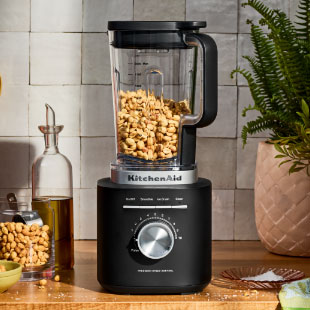
Have you ever wondered if you can pour hot liquid directly into your KitchenAid blender? Maybe you're craving a warm soup or a fresh hot sauce and want to blend it quickly without waiting for it to cool down.
But is it safe? Could it damage your blender or cause a mess in your kitchen? You’ll discover the truth about using hot liquids in your KitchenAid blender, learn important tips to keep your appliance safe, and find out how to get the best results every time.
Keep reading—your next warm recipe will thank you!
Kitchen Aid Blender Basics
Understanding the basics of your Kitchen Aid blender is essential before adding hot liquids. These blenders are designed with specific features that determine how well they handle different ingredients, including temperature-sensitive ones. Knowing what your blender can do helps you avoid common mistakes and extend its life.
Key Features
Your Kitchen Aid blender typically comes with a powerful motor, sharp blades, and a sturdy jar made from either glass or BPA-free plastic. The motor strength usually ranges from 500 to 800 watts, which is strong enough to crush ice and blend tough ingredients.
The jar has a vented lid, which is crucial when dealing with hot liquids. This vent allows steam to escape and prevents pressure build-up. Without this feature, hot liquids can cause the lid to pop off, creating a mess or even injury.
Some models also include variable speed controls and preset programs, giving you precise control over blending textures. This control is particularly useful when you want to avoid over-blending or splashing.
Common Uses
Kitchen Aid blenders are often used for smoothies, soups, sauces, and even nut butters. Many users enjoy making hot soups by blending cooked vegetables directly in the blender, but here’s where caution is needed.
When you blend hot liquids, rapid steam expansion can cause dangerous splatters. To reduce this risk, you can wait for the liquid to cool slightly or blend in small batches with the lid vent open.
Think about your own cooking habits: do you often blend hot soups or just cold ingredients? This insight helps you decide if your Kitchen Aid blender can safely handle hot liquids or if you should use it only for cooler tasks.

Credit: kitchenaid.com.au
Handling Hot Liquids
Handling hot liquids in your KitchenAid blender requires careful attention. Pouring boiling soup or hot sauces directly into the blender can be tempting, but it’s important to know the limits and risks involved. Understanding these details helps you protect your blender and stay safe in the kitchen.
Temperature Limits
KitchenAid blenders have a maximum temperature limit, typically around 140°F (60°C). Exceeding this can damage the pitcher or the sealing components. Even if the blender jar is made of heat-resistant glass, the lid and gasket might not handle high heat well.
Always check your specific model’s manual for exact temperature guidelines. If your liquid is too hot, let it cool slightly before blending. This small wait prevents cracks, warping, or leaks that could ruin your blender or cause injury.
Risks Of Blending Hot Liquids
Blending hot liquids poses several risks you should never ignore. Hot steam can build pressure inside the sealed jar, causing the lid to pop off unexpectedly. This can lead to burns or kitchen messes.
Another risk is thermal shock, where sudden temperature changes cause glass pitchers to crack. Plastic jars may warp or release harmful chemicals if exposed to very hot liquids repeatedly.
Here’s a quick safety checklist to minimize risk:
- Remove the center piece of the lid to allow steam to escape.
- Cover the opening with a kitchen towel to prevent splashes.
- Start blending on low speed and gradually increase.
- Never fill the jar more than halfway with hot liquid.
Have you ever experienced a blender mishap with hot ingredients? Taking these precautions could save you from a messy and dangerous kitchen accident.
Safe Blending Practices
Blending hot liquids in your Kitchen Aid blender requires careful attention to safety. Hot liquids can create pressure inside the blender jar, leading to spills or burns if not handled properly. Understanding how to manage heat and pressure will help you avoid accidents and get the best results from your blender.
Allowing Liquids To Cool
Never pour boiling liquids directly into the blender. Let your soups, sauces, or other hot mixtures cool down for a few minutes before blending. This simple step reduces the chance of sudden pressure build-up that can cause the lid to pop off.
Think about the last time you rushed and poured hot liquid straight in—did you notice steam pushing against the lid? Cooling the liquid first prevents that dangerous rush.
Using Venting Lids
Make sure your blender has a venting lid or a removable center cap. This feature allows steam to escape safely while blending hot liquids. Without proper venting, pressure can build up quickly, making it risky to blend hot items.
If your Kitchen Aid blender doesn’t have a vent, consider tilting the lid slightly or covering it with a kitchen towel to let steam escape. Have you checked your blender’s lid design for this important safety feature?
Starting At Low Speeds
Begin blending hot liquids on the lowest speed setting. This helps reduce splashing and sudden eruptions caused by steam pressure. Gradually increasing the speed lets the hot liquid blend smoothly without creating dangerous bursts.
When you start slow, you also avoid overworking the motor. Have you ever started your blender on high speed and ended up with a hot mess? Starting low prevents that and keeps your kitchen safe.
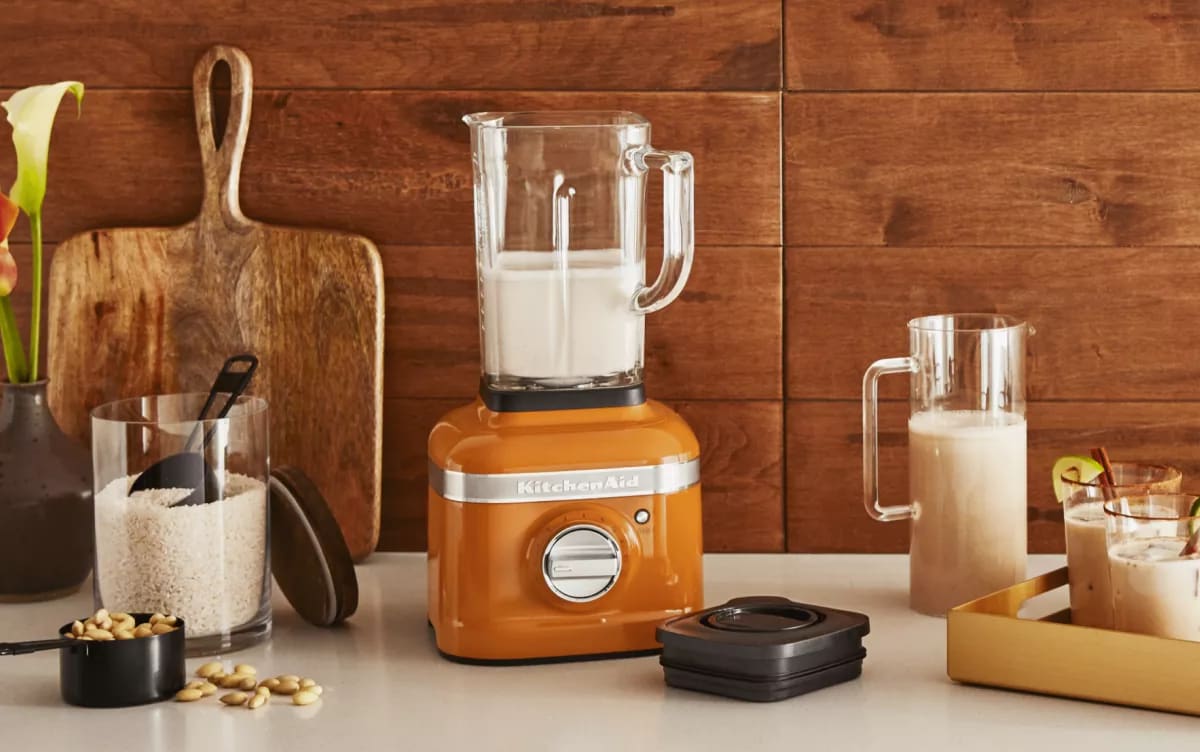
Credit: www.kitchenaid.ca
Alternatives To Blending Hot Liquids
Avoid placing hot liquids directly into a Kitchen Aid blender to prevent damage or injury. Instead, cool liquids slightly or use a heat-safe container designed for blending hot items. Stirring or whisking by hand also works well for hot mixtures.
Blending hot liquids in a traditional blender, like a KitchenAid, can often lead to messy or hazardous situations. The heat can create pressure, causing the lid to pop off unexpectedly. So, what are some safer alternatives? Whether you're whipping up a comforting soup or a smooth sauce, there are practical ways to blend hot liquids without the fuss.
Using An Immersion Blender
An immersion blender, sometimes called a stick blender, is a handy tool for blending hot liquids right in the pot. It’s compact, easy to use, and eliminates the need to transfer hot liquids between containers. Imagine the simplicity of just dipping the blender into your pot of soup and blending until smooth. This method reduces the risk of spills and burns. Plus, it’s a breeze to clean afterward. If you haven’t tried an immersion blender yet, it could be the game-changer your kitchen needs.
Blending In Batches
If you’re set on using your KitchenAid blender, consider blending in batches. Pour smaller amounts of hot liquid into the blender, leaving plenty of space for steam to escape. This minimizes pressure build-up, making it much safer. After blending each batch, combine the mixtures back in the pot to ensure consistency. This method might take a bit more time, but it’s a small trade-off for safety. Have you ever found yourself in a steamy kitchen dilemma? Blending in batches might just be your solution.
Cleaning And Maintenance Tips
Keeping your Kitchen Aid blender clean after blending hot liquids is essential for its longevity and performance. Proper cleaning and maintenance not only ensure your blender stays hygienic but also prevent potential damage from residues or heat. Let’s look at how you can handle hot liquid residues and keep your blender in top shape.
Handling Residue From Hot Liquids
Hot liquids can leave stubborn residues that are tougher to clean than cold blends. To tackle this, rinse the blender jar immediately after use with warm water to prevent food from drying and sticking.
If residue remains, fill the jar halfway with warm water and add a drop of dish soap. Blend on low speed for 30 seconds, then rinse thoroughly. This simple trick helps loosen stuck particles without scrubbing hard.
For tough stains or odors from ingredients like tomato sauce or garlic, try blending a mixture of baking soda and water. Let it sit for 15 minutes before rinsing. Have you noticed any smells lingering after blending? This step can really freshen things up.
Preventing Damage
Hot liquids can stress your blender’s seals and jar if not handled carefully. Avoid filling the jar to the brim, as hot liquid expansion may cause leaks or spills.
Never place a hot blender jar directly into cold water after use; the sudden temperature change can crack the glass or warp plastic. Instead, let it cool down naturally before cleaning.
Make sure your blender lid is secure but not overly tight when blending hot liquids to allow steam to escape safely. Have you ever had your blender lid pop off unexpectedly? A small vent or loosening the lid slightly can prevent this.
Regularly inspect the rubber gasket and blades for wear and tear. Replacing these parts when needed helps maintain a safe seal and smooth blending, especially after frequent hot liquid use.

Credit: www.youtube.com
Frequently Asked Questions
Can I Blend Hot Liquids In A Kitchen Aid Blender?
Yes, you can blend hot liquids in a Kitchen Aid blender. Use the vented lid to release steam. Avoid filling the jar more than halfway. Blend on low speed to prevent splashing and pressure buildup.
Will Hot Liquids Damage My Kitchen Aid Blender?
Hot liquids won't damage the blender if used properly. Always start blending at low speed. Avoid sudden temperature changes. Use the vented lid to allow steam to escape safely and prevent pressure buildup.
How To Safely Blend Hot Soups In Kitchen Aid?
Pour hot soup into the blender jar carefully. Use the vented lid to release steam. Blend at low speed and gradually increase if needed. Avoid overfilling the jar to prevent spills and burns.
Can Kitchen Aid Blender Jars Handle Boiling Liquids?
Kitchen Aid blender jars can handle boiling liquids, but with caution. Avoid sudden temperature changes to prevent cracking. Use the vented lid to release steam. Blend at low speed to reduce pressure inside the jar.
Conclusion
Using hot liquid in a KitchenAid blender can be safe with care. Always check your blender’s manual before blending hot items. Avoid filling the jar too full to prevent spills or burns. Start blending at low speed and increase gradually.
Let steam escape by removing the center cap carefully. Taking these steps helps keep you and your blender safe. Enjoy making soups, sauces, or smoothies without worry. Small precautions make a big difference in kitchen safety.