
Are you wondering if you can put your KitchenAid beater in the dishwasher? It’s a common question because cleaning these attachments can sometimes feel tricky.
You want to keep your mixer parts clean without damaging them or losing their shine. You’ll discover the best way to clean your KitchenAid beater safely and efficiently. Keep reading to find out what works and what to avoid, so your mixer stays in top shape for every recipe you try.

Credit: www.amazon.ca
Kitchenaid Beater Types
KitchenAid offers different types of beaters for various mixing tasks. Each beater has a unique design to handle specific ingredients and recipes. Knowing these types helps you choose the right one for your mixer. It also guides you on proper cleaning methods and care.
Standard Beaters
Standard beaters are the most common type included with KitchenAid mixers. They work well for everyday mixing tasks like batter, dough, and frosting. These beaters have a simple, durable design. They are usually dishwasher safe but check the manufacturer’s instructions to be sure.
Flex Edge Beaters
Flex Edge beaters have a silicone edge that scrapes the bowl as it mixes. This feature reduces the need to stop and scrape by hand. They are ideal for thick or sticky mixtures. The silicone edge is gentle on bowls but may require hand washing to maintain quality.
Specialty Attachments
KitchenAid also offers specialty beaters for unique tasks. Examples include dough hooks for bread and spiral beaters for heavy mixtures. These attachments are designed for specific uses and often need special care. Cleaning instructions vary, so always refer to the product guide.
Dishwasher Safety Guidelines
Dishwasher safety guidelines help protect your KitchenAid beater and dishwasher. Following these rules keeps your equipment in good shape. Understanding what is safe improves your cleaning routine and avoids damage.
Manufacturer Recommendations
Check the KitchenAid manual before washing the beater in a dishwasher. Some models are dishwasher safe, but others are not. Manufacturers suggest hand washing to keep the finish and parts intact. Always follow the specific advice given for your beater model.
Material Compatibility
KitchenAid beaters often have metal and plastic parts. Dishwasher heat and detergent can harm plastic components. Stainless steel parts usually handle dishwasher cleaning well. Avoid dishwashing if the beater has delicate or painted parts.
Potential Risks
- Dishwasher heat may warp plastic parts on the beater.
- Strong detergents can dull or damage the finish.
- Beater edges can chip or scratch if they hit other items.
- Water spots or stains may form on metal surfaces.
Careful handling and following guidelines prevent these issues.
Cleaning Beaters By Hand
Cleaning Kitchen Aid beaters by hand can be a simple yet effective way to keep them in great shape. Sometimes the dishwasher may not be the best option, especially if you want to maintain the finish and avoid damage. Hand washing allows you to control the pressure and temperature, ensuring thorough cleaning without wear and tear.
Effective Hand Washing Techniques
Start by rinsing the beaters under warm water to remove loose batter and crumbs.
Use a soft sponge or brush to gently scrub all the nooks and crevices where food tends to stick.
Pay special attention to the areas where the beaters connect to the mixer, as residue can build up there.
Would you believe that soaking the beaters for 10 minutes in warm, soapy water can make scrubbing much easier?
Best Cleaning Agents
Choose a mild dish soap that cuts through grease but won’t harm the metal or coating.
If you’re dealing with stubborn residue, a paste made from baking soda and water works wonders without scratching.
Avoid harsh chemicals or abrasive cleaners that might dull the finish or cause corrosion over time.
Have you ever tried a bit of white vinegar in the rinse water? It helps remove mineral deposits and keeps your beaters shiny.
Drying And Maintenance
After washing, dry the beaters immediately with a clean towel to prevent water spots and rust.
Make sure to air dry them completely before storing or reattaching to the mixer to avoid moisture buildup.
Occasionally, check for any signs of damage or rust and address them quickly to prolong the life of your beaters.
Have you noticed how a little extra care in drying can save you from replacing your beaters sooner?
Credit: www.amazon.com
Using The Dishwasher For Beaters
Cleaning your KitchenAid beater can feel like a daunting task after a baking marathon. The good news is that many beaters are dishwasher-friendly, offering a convenient way to get them sparkling clean. But before tossing them in, it’s crucial to know the best practices to avoid any mishaps. Let’s explore how you can safely use your dishwasher for this task.
Placement Tips
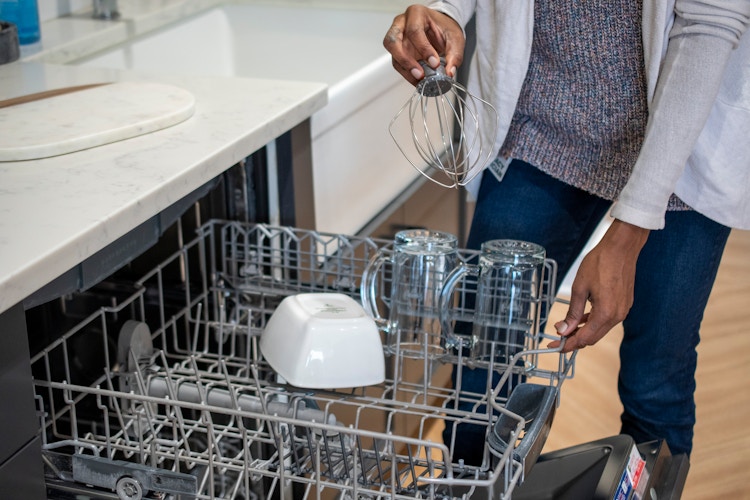
When placing your KitchenAid beater in the dishwasher, location is key. Always position it on the top rack to minimize direct contact with the dishwasher’s heating element. This helps protect the beater’s finish and ensures even cleaning.
If you’ve got multiple beaters or other attachments, space them out. This prevents them from bumping into each other during the wash cycle, reducing the risk of scratches or bends.
Safe Dishwasher Settings
Opt for a gentle cycle to clean your beaters. High temperatures or aggressive settings can be harsh on their coating and structure.
If your dishwasher has an air-dry option, use it. This reduces heat exposure and prolongs the life of your beaters.
Avoiding Damage
Before washing, check if your beater is dishwasher-safe. Some models, especially older ones, may not be designed for machine washing.
Inspect your beaters for any signs of wear or damage regularly. If you notice any cracks or peeling, it might be time to replace them to maintain optimal performance.
Have you ever found your beater discolored after a wash? This could be due to harsh detergents. Use mild, dishwasher-safe detergents to keep them in top shape.
Troubleshooting Common Issues
Troubleshooting common issues with Kitchen Aid beaters helps keep them working well. Knowing how to solve problems saves time and effort. Proper care can extend the life of your beaters and keep your kitchen efficient.
Removing Stubborn Residue
Stubborn food residue can build up on beaters after mixing thick or sticky ingredients. Soak the beaters in warm, soapy water for 10 to 15 minutes. Use a soft brush or sponge to scrub off remaining bits. Avoid harsh tools that might scratch the surface. Rinse thoroughly and dry completely before storing or using again.
Preventing Rust And Corrosion
Rust and corrosion damage beaters and reduce their lifespan. Dry beaters fully after washing to stop water spots and rust. Store them in a dry place away from moisture. Avoid leaving beaters in the dishwasher too long, as water and detergent can cause corrosion. Regularly inspect for any signs of rust and clean immediately if spotted.
When To Replace Beaters
Replace beaters if they show signs of damage like bending, cracks, or persistent rust. Bent beaters can damage your mixer or cause uneven mixing. Cracks can harbor bacteria and reduce safety. If cleaning does not restore shine or function, it is time for new beaters. Using damaged beaters risks poor results and potential machine damage.
Credit: www.kitchenaid.com
Frequently Asked Questions
Can Kitchen Aid Beaters Go In The Dishwasher?
Yes, most Kitchen Aid beaters are dishwasher safe. Place them on the top rack to avoid damage. Check your model’s manual for specific instructions to ensure longevity and performance.
Will Dishwasher Damage Kitchen Aid Beaters?
Dishwashers usually do not damage Kitchen Aid beaters if placed correctly. Avoid harsh detergents and high heat settings to keep them in good condition.
How To Clean Kitchen Aid Beaters Safely?
Hand wash beaters with warm, soapy water for best results. Use a soft brush to remove stubborn residue. Dry them thoroughly before storage to prevent rust.
Are All Kitchen Aid Attachments Dishwasher Safe?
Not all attachments are dishwasher safe. Always consult the user manual to confirm. When in doubt, hand washing is the safest option.
Conclusion
Kitchen Aid beaters can usually go in the dishwasher safely. Check your model’s manual to be sure. Hand washing also works well to keep them clean. Avoid harsh scrubbers that can damage the metal or coating. Dry the beaters completely before storing them.
This helps prevent rust and keeps them in good shape. Taking simple care steps extends their life. Clean beaters mix ingredients better and last longer. Keep your Kitchen Aid ready for every baking task.