
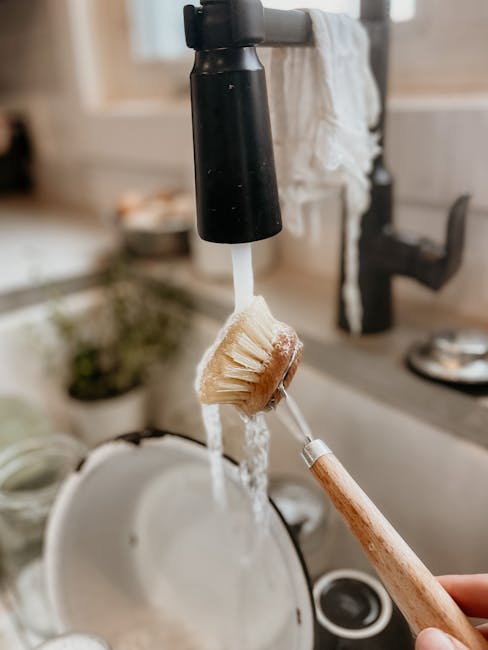
Are you wondering if you can put your KitchenAid bowl in the dishwasher? You’re not alone.
Cleaning up after cooking can be a hassle, and knowing the best way to care for your KitchenAid accessories saves you time and keeps them looking new. You’ll discover exactly what you should—and shouldn’t—do to keep your KitchenAid bowl spotless without risking damage.
Stick with me, and you’ll learn simple tips that protect your investment and make cleanup a breeze.
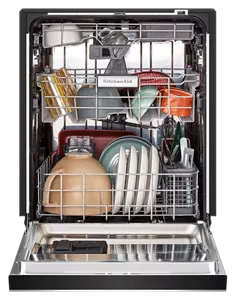
Credit: www.kitchenaid.com
Dishwasher Safety For Kitchenaid Bowls
Cleaning your KitchenAid bowl in the dishwasher might seem like a simple choice. But is it really safe? Understanding dishwasher safety for KitchenAid bowls helps you protect your investment and keep your kitchen routine smooth.
Material Compatibility
KitchenAid bowls come in different materials like stainless steel, glass, and ceramic. Stainless steel bowls usually handle dishwasher cleaning well. However, glass and ceramic may have delicate finishes that can fade or crack over time with dishwasher use.
Think about your bowl’s material before tossing it into the dishwasher. Have you noticed any changes in color or texture after washing? That’s a clue about how your bowl responds to dishwasher cycles.
Manufacturer Guidelines
KitchenAid provides specific care instructions for each type of bowl. Most stainless steel bowls are labeled as dishwasher safe, but some glass or ceramic models recommend hand washing. Ignoring these guidelines can void warranties or cause damage.
Checking the user manual or the label on your bowl is a smart move. Have you ever skipped this step only to regret it later? Following manufacturer advice saves you from unexpected repairs or replacements.

Credit: www.amazon.ca
Pros And Cons Of Dishwasher Cleaning
Cleaning your KitchenAid bowl in the dishwasher might seem like a time-saver, but it’s important to weigh the pros and cons before making it a habit. Understanding both the benefits and potential risks helps you maintain your bowl’s quality and longevity. Let’s take a closer look at what dishwasher cleaning can mean for your KitchenAid bowl.
Benefits Of Dishwasher Use
Using a dishwasher to clean your KitchenAid bowl can save you significant time and effort. The powerful jets and high temperatures often do a better job of removing stuck-on food compared to hand washing.
Dishwashers also sanitize better due to their high heat cycles, which can be a big plus if you use your bowl frequently for raw ingredients. Plus, it frees up your hands for other kitchen tasks.
Imagine finishing your baking session and simply placing the bowl in the dishwasher without scrubbing—it’s a convenience many appreciate. Does this convenience outweigh the risks for your routine?
Potential Risks
One concern is that the intense heat and harsh detergents in dishwashers might dull the finish or damage the coating on some KitchenAid bowls. Over time, this can affect the bowl’s appearance and durability.
Plastic or painted bowls are especially vulnerable, as they may warp or discolor. Even stainless steel bowls can develop water spots or corrosion if not dried properly.
There’s also a risk that the bowl may shift during the wash cycle, causing dents or scratches if it bumps against other items. Have you noticed any changes in your bowl after dishwasher cleaning?
Handwashing Vs. Dishwasher
KitchenAid bowls are often safe for dishwashers, but check the manufacturer’s label first. Handwashing can protect the finish and extend the bowl’s life. Choosing between handwashing and dishwasher depends on care preferences and bowl material.
Deciding whether to handwash or use a dishwasher for your KitchenAid bowl can be puzzling. Both methods have their pros and cons, and choosing the right one can impact the longevity of your kitchenware. Let's dive into when each method is most appropriate, ensuring your KitchenAid bowl stays in top shape.
When To Choose Handwashing
Handwashing is often preferred for delicate or expensive kitchen items. If your KitchenAid bowl is made of glass or has intricate patterns, handwashing helps preserve its look and feel. Cleaning by hand allows you to focus on stubborn food residues and give your bowl the gentle care it deserves. Another reason to opt for handwashing is if the bowl has any non-dishwasher-safe components. Rubber or silicone parts can deteriorate over time if exposed to dishwasher heat. Handwashing these items can extend their lifespan significantly.
When Dishwasher Is Suitable
Using a dishwasher is a huge time-saver, especially after preparing a large meal. If your KitchenAid bowl is made of stainless steel or dishwasher-safe plastic, placing it in the dishwasher can be a convenient option. It ensures thorough cleaning without the hassle of scrubbing. Additionally, dishwashers are effective at sanitizing kitchenware. If hygiene is your primary concern, the high temperatures achieved in a dishwasher cycle can kill more bacteria than handwashing. Just ensure that your bowl is securely placed in the dishwasher to prevent any damage during the cycle. Do you find yourself reaching for the sponge or pressing the dishwasher button more often?
Step-by-step Dishwasher Cleaning
Cleaning your Kitchen Aid bowl in the dishwasher is simple with the right approach. Follow these clear steps to keep your bowl spotless without damage. Proper cleaning saves time and maintains the bowl’s quality.
Preparing The Bowl
Start by removing any leftover food from the bowl. Rinse it gently with warm water to loosen stuck particles. Avoid using abrasive scrubbers that can scratch the surface. Check for any cracks or damage before placing it in the dishwasher.
Loading Tips
Place the bowl securely in the dishwasher’s lower rack. Position it face down to allow water to reach all areas. Avoid overcrowding to ensure proper water flow and cleaning. Keep the bowl away from heavy pots or utensils that may cause chipping.
Optimal Settings
Select a gentle or normal wash cycle for the best results. Use a mild detergent that is safe for Kitchen Aid bowls. Avoid high heat drying to prevent warping or discoloration. A low-temperature rinse helps keep the bowl shiny and intact.
Maintaining Kitchenaid Bowl Longevity
Maintaining the longevity of your KitchenAid bowl ensures it stays in great shape for years. Proper care prevents damage and keeps the bowl looking new. Simple habits help avoid wear and tear. Consistent maintenance preserves its performance and appearance.
Avoiding Damage
- Do not place the bowl in the dishwasher unless it is marked dishwasher safe.
- Avoid using harsh chemicals or abrasive scrubbers on the bowl’s surface.
- Handle the bowl gently to prevent dents and scratches.
- Keep the bowl away from extreme temperature changes to prevent warping.
- Use soft cloths or sponges for cleaning to protect the finish.
Regular Maintenance Tips
- Wash the bowl by hand with warm, soapy water after each use.
- Dry the bowl immediately to prevent water spots and rust.
- Check the bowl for cracks or chips regularly and avoid using if damaged.
- Store the bowl in a dry place to avoid moisture buildup.
- Use non-abrasive cleaners to maintain the bowl’s shine and surface.
Alternative Cleaning Methods
Alternative cleaning methods help keep your KitchenAid bowl spotless without risking damage. These techniques use simple ingredients and careful steps. They clean thoroughly and protect the bowl's finish. Ideal for those who prefer hand cleaning over dishwashers.
Using Baking Soda And Vinegar
Baking soda and vinegar create a natural cleaning duo. Sprinkle baking soda inside the bowl. Add white vinegar slowly to start fizzing. Let it sit for a few minutes to loosen grime.
Use a soft sponge to scrub gently. Focus on stains and sticky spots. Rinse well with warm water to remove residue. Dry the bowl with a soft cloth to avoid water spots.
Deep Cleaning Techniques
Deep cleaning removes stubborn stains and odors. Fill the bowl with warm water and a few drops of mild dish soap. Let it soak for 15 to 20 minutes. Use a soft brush to reach corners and edges.
For tough stains, create a paste using baking soda and water. Apply the paste and scrub softly. Rinse thoroughly to clear all cleaning agents. Dry immediately to keep the bowl shiny and fresh.
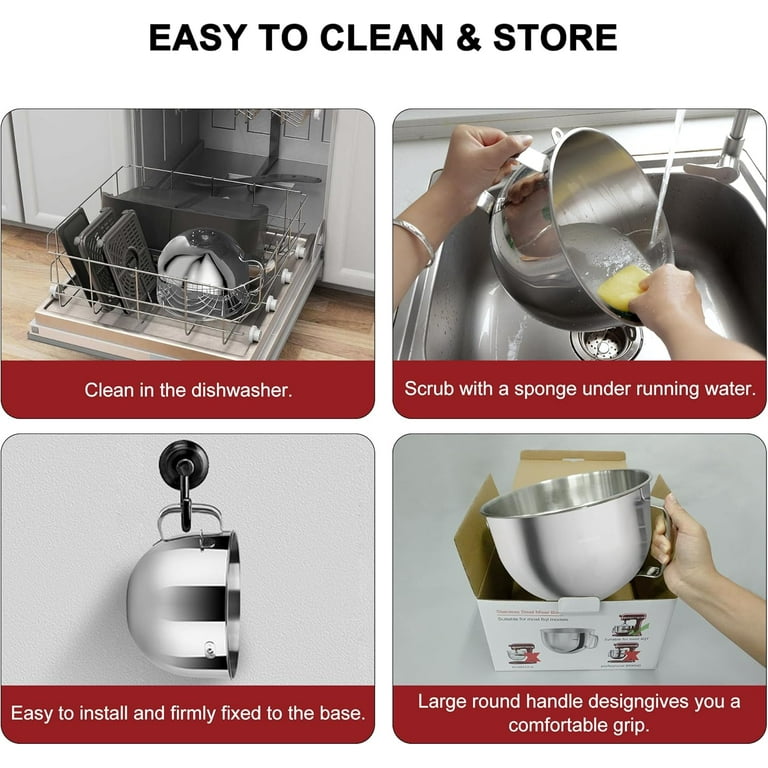
Credit: www.walmart.com
Frequently Asked Questions
Can Kitchenaid Bowls Be Cleaned In A Dishwasher?
Yes, most KitchenAid bowls are dishwasher safe. However, always check your model’s manual for specific instructions to avoid damage.
Will Dishwasher Damage My Kitchenaid Bowl?
Dishwashers rarely damage KitchenAid bowls if properly placed. Avoid high heat cycles to maintain the bowl’s finish and longevity.
How Should I Load Kitchenaid Bowls In Dishwasher?
Place the bowl securely on the top rack. Avoid overcrowding to ensure thorough cleaning and prevent scratches or chips.
Can Dishwasher Detergent Harm Kitchenaid Bowls?
Harsh detergents might dull the bowl’s finish. Use mild, non-abrasive detergents recommended for kitchenware to keep your bowl pristine.
Conclusion
You can clean your Kitchen Aid bowl safely by hand washing. Dishwashers might damage its finish over time. Warm, soapy water and a soft cloth work best. Avoid using harsh scrubbers or strong chemicals. Taking care this way keeps your bowl looking new.
It also helps the bowl last longer in your kitchen. Simple steps make cleaning easy and safe. Your Kitchen Aid bowl deserves gentle care every time.