

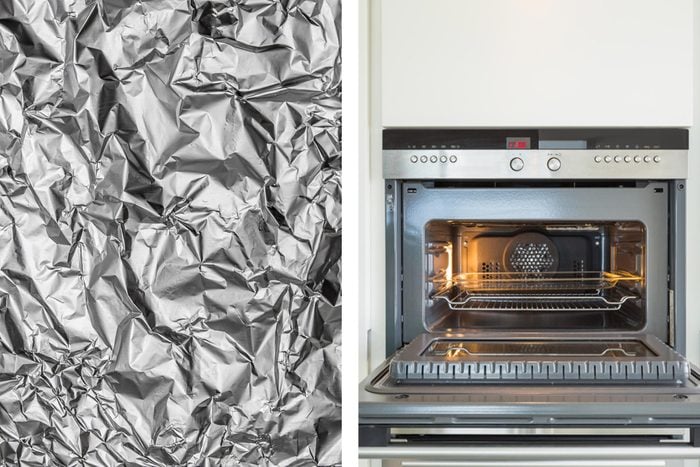
Have you ever wondered if you can safely use kitchen foil in your oven? You’re not alone.
Many people ask this question because it seems like a handy trick for cooking or cleaning. But before you reach for that roll of foil, it’s important to know what’s safe and what’s not. You’ll discover the best ways to use kitchen foil in your oven without risking your food, your cookware, or even your safety.
Keep reading—you might be surprised by what you learn!

Credit: kitchendance.com
Is Kitchen Foil Oven-safe
Wondering if kitchen foil is safe to use in your oven? It's a common question, especially since foil is a kitchen staple for wrapping and covering food. The truth is, not all kitchen foils are created equal, and their safety in the oven depends on a few key factors.
Types Of Foil Suitable For Oven Use
Not all kitchen foils are designed to handle oven temperatures. Standard aluminum foil, the kind you find in most grocery stores, is generally oven-safe up to certain temperatures.
- Standard Aluminum Foil:Safe for most oven cooking and baking, usually up to 600°F (315°C).
- Heavy-Duty Foil:Thicker and more durable, this type is better for high-heat cooking and grilling.
- Non-Stick Foil:Has a coating that prevents food from sticking, also safe but check the packaging for maximum temperature limits.
Plastic wrap or wax paper, on the other hand, should never go in the oven. They can melt or catch fire, creating a safety hazard.
Foil Thickness And Heat Resistance
The thickness of your foil directly affects its heat resistance. Thin foil can tear easily and may not withstand prolonged exposure to high heat without breaking down.
- Standard Foil Thickness:Usually around 0.016 mm thick, suitable for general oven use.
- Heavy-Duty Foil Thickness:Roughly 0.024 mm thick, offers extra strength and heat resistance.
Have you noticed your foil tearing or burning during baking? That’s likely because the foil was too thin for the heat or duration of cooking. Choosing the right thickness can prevent these issues and keep your cooking safe.
Always check the foil packaging for heat resistance details. If you frequently bake at high temperatures, investing in heavy-duty foil can save you from frustrating kitchen mishaps.
Credit: www.rd.com
Common Uses Of Foil In Baking
Aluminum foil is a staple in many kitchens, especially when baking. Its versatility makes it a handy tool for various tasks beyond simple wrapping. Understanding the common uses of foil in baking can help you improve your cooking results and make cleanup easier.
Covering Dishes To Retain Moisture
Foil acts as a shield that traps steam inside your dish. This helps keep meats juicy and vegetables tender during baking. Have you ever noticed how a roast stays moist when covered with foil? That’s because the foil prevents moisture from escaping, which is especially useful for slow-cooked recipes.
Lining Baking Trays
Lining trays with foil makes cleanup a breeze. It also prevents food from sticking to the pan, which means your baked goods come out clean and intact. You can simply lift the foil out and toss it when you’re done, saving you time scrubbing baked-on residue.
Wrapping Food For Even Cooking
Wrapping food tightly in foil helps it cook evenly by distributing heat around the item. This method is perfect for baking fish or potatoes. Have you tried wrapping a potato in foil before baking? It steams the potato inside its skin, giving you a fluffy texture without drying out the outside.
Risks Of Using Foil Incorrectly
Using kitchen foil in the oven can be risky. Incorrect use may lead to various problems. Understanding these risks is important for safety and effectiveness.
Fire Hazards And Melting
Foil can catch fire if misused. It may ignite under high heat. This creates a dangerous situation. Foil can also melt at high temperatures. Melting foil can stick to oven surfaces. This may cause permanent damage.
Damage To Oven Components
Foil can block heat distribution. This affects cooking performance. Blocked heat can overwork the heating elements. It may lead to premature wear. Foil touching heating elements can cause sparks. This may damage the oven's interior.
Food Safety Concerns
Foil can affect food safety. Acidic foods can react with foil. This may cause aluminum to leach into food. Consuming aluminum is not healthy. Foil pieces may tear and mix with food. This can pose a choking hazard. Proper foil use is crucial for safe cooking.
Safe Ways To Use Foil In The Oven
Using kitchen foil in the oven can be helpful, but safety is key. Proper use prevents damage to your oven and avoids risks. Follow these tips to use foil safely and effectively while cooking.
Avoiding Direct Contact With Heating Elements
Keep foil away from oven heating elements. Direct contact can cause sparks or fires. Do not let foil touch the top or bottom heating parts. Instead, place foil on the oven rack or cookware. This reduces the risk of melting or burning.
Proper Placement In Oven
Place foil carefully inside the oven. Use it to cover food or line trays. Avoid covering the entire oven floor. Blocking heat flow may cause uneven cooking. Make small holes in foil if covering food tightly. This lets steam escape and keeps food crisp.
Using Foil With Oven-safe Cookware
Use foil only with cookware that can handle oven heat. Avoid putting foil directly on glass or ceramic dishes unless labeled oven-safe. Wrap food in foil or cover baking pans with it. This helps keep moisture in and prevents spills. Always check the cookware’s oven guidelines before use.
Alternatives To Foil For Oven Cooking
Using kitchen foil in the oven might seem convenient, but it’s not always the best choice. There are safer and more eco-friendly alternatives that can protect your food and your cookware just as well. These options also help you avoid the risk of foil melting or causing uneven cooking.
Parchment Paper
Parchment paper is a fantastic alternative to foil for baking and roasting. It’s non-stick, heat-resistant, and easy to use. You can line baking sheets or wrap food in it to lock in moisture without worrying about sticking or burning.
One time, I baked salmon wrapped in parchment, and it steamed perfectly without any mess to clean. Have you tried cooking this way? It’s a game-changer for delicate foods.
Silicone Baking Mats
Silicone baking mats offer a reusable, non-stick surface that works well for cookies, roasted vegetables, and more. They distribute heat evenly and are easy to clean. Plus, they reduce waste since you don’t need to keep buying foil.
If you haven’t used them yet, you might be surprised how well they prevent burning and sticking. Do you want to save money and the environment while baking? Silicone mats are worth trying.
Oven-safe Lids And Covers
Oven-safe lids and covers are another great way to trap heat and moisture without foil. Glass or ceramic lids fit securely on many dishes, keeping food juicy and cooking evenly. Using them also cuts down on cleanup and helps maintain consistent oven temperatures.
Think about your casseroles or roasts—could they benefit from a snug lid instead of foil? It’s a simple swap that enhances flavor and reduces hassle.

Credit: kitchendance.com
Frequently Asked Questions
Can I Use Kitchen Foil Directly On Oven Racks?
Using kitchen foil on oven racks is not recommended. It can block heat circulation and cause uneven cooking. Foil might also melt or stick to the racks, leading to difficult cleanup and potential damage.
Is Aluminum Foil Safe In A Conventional Oven?
Yes, aluminum foil is safe in a conventional oven when used properly. Avoid covering oven bottoms or blocking vents. Use foil to wrap food or line baking sheets for easy cleanup.
Can Kitchen Foil Cause Oven Damage Or Fire?
Improper use of kitchen foil can cause oven damage or fire. Avoid foil touching heating elements or oven walls. Always follow manufacturer guidelines to prevent accidents.
How To Use Kitchen Foil Safely In The Oven?
Use kitchen foil to cover dishes or line trays without touching heating elements. Avoid sealing food tightly to allow steam release. Follow oven instructions for best results.
Conclusion
Using kitchen foil in the oven can be safe with care. Avoid covering oven racks completely to let heat circulate. Do not let foil touch oven walls or heating elements. Use foil to wrap food or cover pans for easy cleanup.
Always check your oven’s manual for specific rules. Small steps keep your cooking safe and efficient. Remember, simple habits protect your oven and improve results. Cooking with foil works well when done right. Keep these tips in mind for safe oven use.