
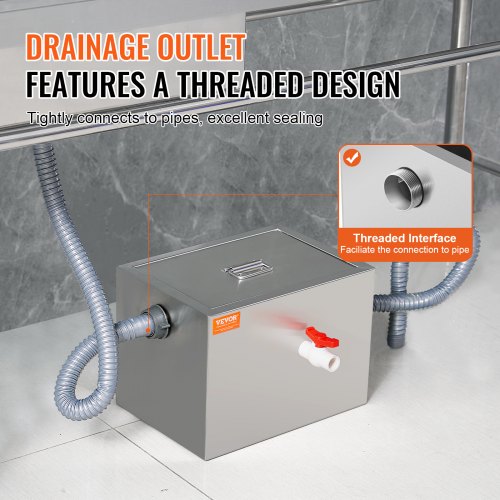
Are you worried about messy cables cluttering your busy commercial kitchen? You’re not alone.
Keeping your workspace safe and organized is crucial when every second counts. But can you use a cable cover in a commercial kitchen without risking safety or breaking regulations? You’ll discover the simple solution to protect your staff, prevent accidents, and keep your kitchen running smoothly.
Keep reading to find out how a cable cover could be the game-changer you didn’t know you needed.
Cable Covers In Commercial Kitchens
Working in a commercial kitchen means dealing with a busy, fast-paced environment full of sharp tools, hot surfaces, and lots of movement. Keeping cables safe and out of the way is crucial to prevent accidents and maintain efficiency. Cable covers can be a smart solution, but you need to pick the right type and use them properly to fit the unique demands of a commercial kitchen.
Purpose Of Cable Covers
Cable covers protect cables from damage caused by foot traffic, spills, and kitchen equipment. They help prevent tripping hazards, which is essential in a space where staff are constantly on the move.
By organizing cables neatly, covers also make cleaning easier and keep the workspace looking professional. Have you ever slipped or tripped over a loose cable? Cable covers eliminate that risk, making your kitchen safer for everyone.
Types Suitable For Kitchens
Not all cable covers are made equal, especially for commercial kitchens. You need covers that resist heat, moisture, and frequent cleaning.
- Rubber Cable Covers:Durable and slip-resistant, they handle heavy foot traffic well and are easy to clean.
- Plastic or PVC Covers:Lightweight and affordable, but ensure they are rated for heat resistance to avoid warping near hot appliances.
- Metal Cable Trays:Offer excellent protection and durability, but might be more expensive and less flexible in tight spaces.
Choosing covers that are water-resistant and easy to wipe down helps maintain hygiene, which is non-negotiable in kitchens. Have you checked if your current cable setup meets safety standards? Upgrading to proper cable covers could save you from costly accidents and downtime.
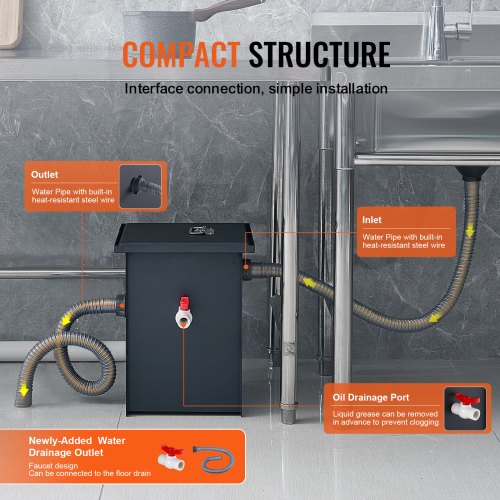
Credit: www.vevor.ca
Safety Concerns
Using a cable cover in a commercial kitchen raises important safety concerns. Kitchens have unique risks due to heat, moisture, and heavy foot traffic. Proper use of cable covers can reduce accidents but must address key safety issues to be effective.
Fire Hazards
Kitchens have high heat and open flames. Cable covers must be fire-resistant to avoid catching fire. Plastic covers can melt or burn, causing toxic fumes. Choose covers made from non-flammable materials. Avoid placing cables near stoves or ovens to reduce fire risk.
Slip And Trip Risks
Busy kitchens have many workers moving quickly. Loose cables create trip hazards. Cable covers keep wires flat and organized on the floor. Make sure covers are securely fastened to prevent lifting edges. Use covers with non-slip surfaces to keep workers safe.
Electrical Safety
Water spills are common in kitchens. Wet cables increase the risk of electrical shock. Cable covers should protect cables from moisture and damage. Check covers regularly for cracks or wear. Use covers designed for wet environments to maintain electrical safety.
Regulations And Standards
Using cable covers in a commercial kitchen isn't just about tidying up cables; it's about meeting strict regulations and standards that keep your workspace safe and compliant. Before you lay down that cover, you need to understand the rules set by various authorities. These guidelines help prevent accidents and ensure your kitchen passes inspections without hassle.
Osha Guidelines
The Occupational Safety and Health Administration (OSHA) focuses on workplace safety. When it comes to cable covers, OSHA requires that cords and cables do not create tripping hazards. You must use covers that are durable, slip-resistant, and designed to handle heavy foot traffic.
OSHA also emphasizes regular inspection. A cable cover that’s cracked or peeling can be just as dangerous as an uncovered cable. Have you checked your cable covers lately to make sure they meet these safety standards?
Local Health Codes
Health departments have their own rules for commercial kitchens. These often include strict sanitation requirements around cables and covers. Your cable covers should be easy to clean and should not trap dirt or moisture, which can promote bacteria growth.
Ignoring local health codes can lead to fines or even temporary kitchen closure. It’s a good idea to consult your local health authority or review their published standards before installing any cable covers. Are you confident your current setup won't raise any red flags during an inspection?
Electrical Codes
Electrical codes regulate how cables and wires are installed and protected in commercial spaces. Cable covers must be rated for electrical safety and suitable for the environment they’re used in, especially in wet or greasy kitchen areas.
Improper cable protection can cause electrical hazards, including shocks or fires. Check that your cable covers meet the National Electrical Code (NEC) or any local electrical requirements. Have you verified that your cable covers are compliant with these codes?
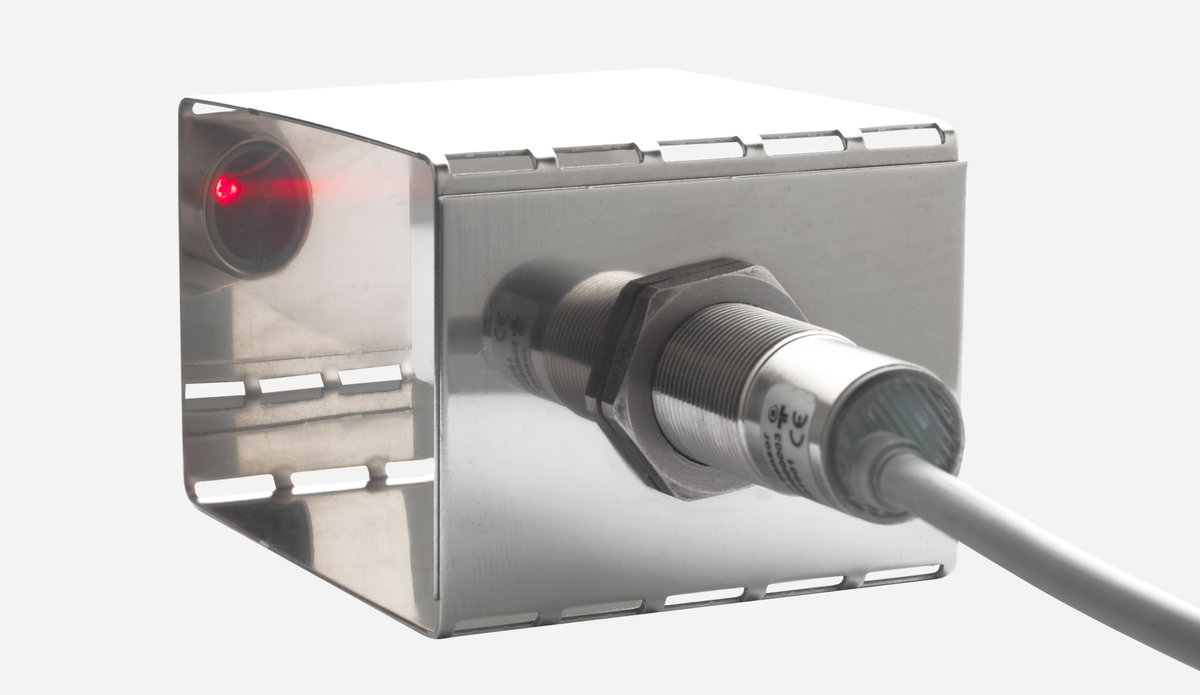
Credit: www.halton.com
Choosing The Right Cable Cover
Selecting a cable cover for a commercial kitchen requires durability and slip resistance. It must withstand heat, moisture, and frequent cleaning to ensure safety and hygiene. Choose covers made from strong, easy-to-clean materials suitable for busy kitchen environments.
Choosing the right cable cover for a commercial kitchen is crucial not only for safety but also for maintaining a clean and efficient environment. Cable covers help prevent accidents, protect wires, and contribute to an organized workspace. But how do you choose the best one for your kitchen?
Material Considerations
The material of a cable cover can make a significant difference in its performance. In a bustling commercial kitchen, you need something that's both heat-resistant and easy to clean. Rubber and PVC are popular choices as they withstand heavy foot traffic and spills. Ask yourself: Will this material endure the daily rigors of a kitchen environment?
Durability And Resistance
In a place where spills and heavy equipment are common, durability is non-negotiable. Look for cable covers that offer resistance to oil, water, and chemicals. This ensures longevity and safety. Investing in a durable option might save you from frequent replacements and potential mishaps.
Size And Fit
A cable cover that doesn't fit properly can be more of a hazard than a help. Measure your cables and the space they occupy before purchasing. A snug fit prevents tripping and keeps cables securely covered. Consider if your kitchen layout might change, as adjustable covers can offer flexibility for future adjustments. Choosing the right cable cover involves a balance of these factors. Ask yourself, what are the unique demands of your kitchen? With the right choice, you can protect your staff, your equipment, and ultimately, your business.
Installation Best Practices
Installing cable covers in a commercial kitchen requires careful planning and attention to safety. Proper installation helps prevent accidents and keeps cables protected from damage. Following best practices ensures the kitchen remains a safe and efficient workspace.
Proper Placement
Place cable covers where foot traffic is common but avoid high-heat zones. Keep cables away from sharp edges and moving equipment. Choose flat surfaces to lay covers evenly. Plan routes that do not block emergency exits or pathways.
Securing Cables Safely
Secure cables inside covers to prevent tripping hazards. Use clips or adhesive strips designed for cable management. Avoid loose cables that can snag or pull out easily. Check regularly to keep covers firmly in place and cables organized.
Avoiding Moisture Exposure
Keep cable covers away from sinks, dishwashers, and wet floors. Moisture can damage cables and cause electrical risks. Use waterproof covers if cables must cross damp areas. Dry the floor and covers frequently to reduce slips and hazards.
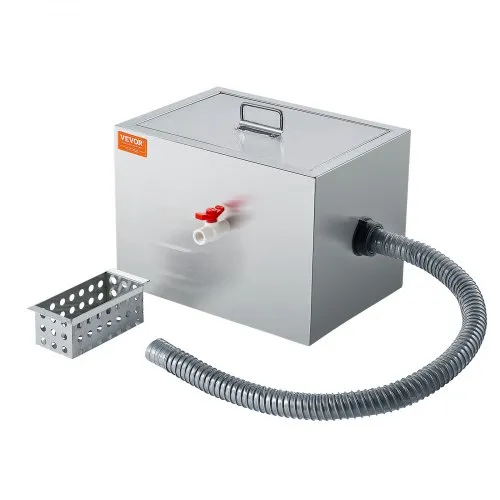
Credit: www.vevor.ca
Maintenance And Inspection
Maintaining and inspecting cable covers in a commercial kitchen is essential for safety and efficiency. Neglecting this task can lead to accidents or equipment damage. Staying proactive with your cable covers ensures a safer workspace and smoother operations.
Regular Checks
Schedule frequent inspections of your cable covers to spot wear and tear early. Look out for cracks, loose edges, or any signs that the cover isn’t securely holding cables. Have you noticed any tripping hazards or exposed wires during your last walk-through?
Make it part of your routine to check after busy shifts or any kitchen rearrangements. This helps catch issues before they escalate into bigger problems. You can even assign a team member to document these checks for accountability.
Cleaning Procedures
Grease and food spills can accumulate on cable covers, making them slippery and unhygienic. Use a mild detergent and warm water to clean them regularly—avoid harsh chemicals that could degrade the material. A clean cover not only looks professional but also reduces the risk of slips and contamination.
Remember to dry the covers thoroughly before placing them back. Moisture trapped underneath can cause mold or damage to cables. How often do you clean your kitchen floors? Your cable covers deserve the same attention.
Replacing Damaged Covers
Damaged cable covers can be more hazardous than having none at all. If you find cracks, missing sections, or significant wear, replace the cover immediately. Using a compromised cover can lead to tripping or expose cables to water and heat.
Keep spare covers on hand to avoid downtime in your kitchen. When selecting replacements, choose durable materials designed for high-traffic commercial environments. How quickly can you replace a cover if it fails during a busy service?
Alternatives To Cable Covers
Finding safe and effective ways to manage cables in a commercial kitchen is crucial. Cable covers may not always be the best choice due to hygiene and safety concerns. Exploring alternatives can help maintain a clean, organized, and safe workspace. Here are some practical options that work well in busy kitchen environments.
Cable Management Systems
Cable management systems keep wires organized and secure. They include cable trays, raceways, and hooks. These systems lift cables off the floor, reducing trip hazards. They also protect cables from heat and moisture. Easy to install and maintain, they fit well in kitchens with strict cleanliness standards.
Wireless Solutions
Wireless technology eliminates many cable problems. Using wireless devices reduces clutter and cleaning challenges. It offers flexibility in kitchen layout changes. Wireless printers, scanners, and communication devices improve workflow. Keep in mind signal strength and battery life for smooth operation.
Underfloor Wiring Options
Underfloor wiring hides cables beneath the kitchen floor. This method keeps the surface clear and safe. It requires professional installation and careful planning. Underfloor wiring protects cables from spills and foot traffic. It’s ideal for new kitchens or major renovations seeking a seamless look.
Frequently Asked Questions
Can I Use Cable Covers In Commercial Kitchens Safely?
Yes, cable covers are safe for commercial kitchens if made of heat-resistant, non-slip materials. They protect cables from spills and foot traffic, reducing trip hazards and electrical risks. Always choose covers compliant with local safety regulations for kitchen environments.
What Materials Suit Cable Covers For Commercial Kitchens?
Materials like rubber, PVC, and silicone are ideal for cable covers in commercial kitchens. These materials resist heat, water, and grease, ensuring durability. They also provide good traction to prevent slips and protect cables from kitchen hazards.
Do Cable Covers Comply With Commercial Kitchen Regulations?
Cable covers must comply with health and safety codes specific to commercial kitchens. Choose covers that meet fire resistance, electrical safety, and hygiene standards. Always verify local regulations before installation to ensure full compliance and avoid penalties.
How Do Cable Covers Prevent Kitchen Accidents?
Cable covers organize and shield cables, reducing trip and electrical shock risks. They keep cables secure from water and grease, minimizing damage. Properly installed covers improve kitchen safety by maintaining clear walkways and protecting staff and equipment.
Conclusion
Using a cable cover in a commercial kitchen helps keep cables safe and organized. It reduces tripping risks and protects cables from spills and heat. Choose covers made from materials that resist moisture and heat. Make sure they fit well and do not block walkways.
Proper cable management improves safety and keeps the kitchen running smoothly. Remember, a tidy kitchen is a safer kitchen. So, cable covers are a smart choice for busy commercial kitchens.