
Are you worried about the safety and organization of cables in your commercial kitchen? Floor cable covers might seem like a simple solution, but can you really use them in such a busy, high-risk environment?
If you want to protect your staff from tripping hazards and keep your workspace neat without breaking any safety rules, this article is for you. Keep reading to discover what you need to know before installing floor cable covers in your commercial kitchen—and how to make the smartest choice for your business.

Credit: www.bunnings.com.au
Floor Cable Covers In Kitchens
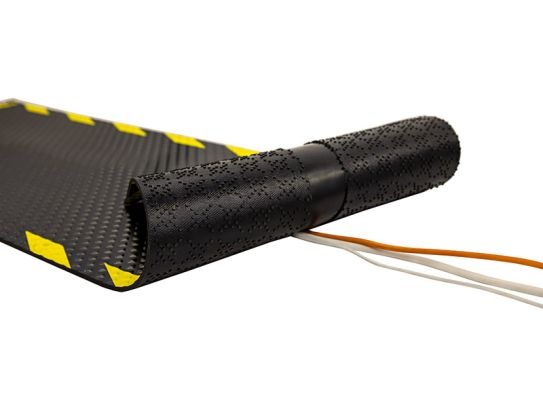
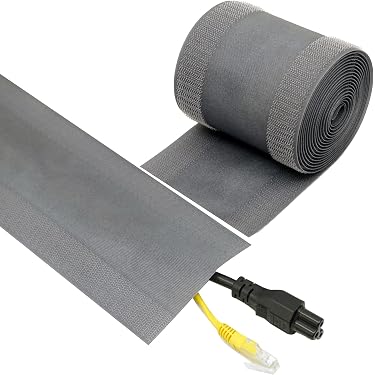
Floor cable covers help protect wires and cables in busy kitchen areas. They keep cords organized and reduce tripping hazards. In commercial kitchens, safety and cleanliness are top priorities. Floor cable covers support these goals by making cable management simple and efficient.
Purpose And Benefits
Floor cable covers protect cables from damage in high-traffic kitchens. They prevent wear caused by foot traffic and kitchen equipment. These covers reduce the risk of tripping accidents, keeping staff safe.
They also help maintain a tidy workspace. Cables stay in place and do not get tangled or cluttered. This improves kitchen efficiency and meets health and safety rules.
- Protects cables from spills and kitchen mess
- Reduces trip hazards for staff and visitors
- Keeps cables organized and out of the way
- Enhances kitchen safety and compliance
Common Materials Used
Floor cable covers come in different materials suited for kitchen use. Rubber is popular for its durability and slip resistance. It handles heavy foot traffic well and resists water and grease.
Plastic covers are lightweight and easy to clean. They often have a smooth surface that resists spills. Some plastic covers feature anti-slip textures for added safety.
Metal covers offer strong protection for cables in harsh conditions. They are less common but useful where heavy equipment moves frequently. Metal covers must be treated to prevent rust and ensure hygiene.
Challenges In Commercial Kitchens
Commercial kitchens are fast-paced environments with unique challenges that affect every aspect of their setup, including cable management. If you’re thinking about using a floor cable cover here, it’s crucial to understand these challenges first. This helps you pick the right solutions that keep your kitchen safe and efficient.
High Traffic Concerns
Commercial kitchens see constant movement of staff, carts, and equipment. This heavy foot and equipment traffic can easily damage or dislodge floor cable covers. You want a cover that stays in place and can handle this wear without becoming a tripping hazard.
Think about how often cables might get stepped on or rolled over by heavy carts. If the cover isn’t sturdy, it can crack or shift, creating safety risks. Have you noticed areas in your kitchen where cables are exposed and frequently crossed? That’s exactly where you need a tough, slip-resistant cover.
Moisture And Heat Exposure
Spills, steam, and heat are everyday realities in commercial kitchens. Moisture can make floor cable covers slippery or cause them to degrade faster. Heat, especially near ovens or grills, can warp or weaken certain materials.
Choosing a cable cover that resists water and heat is essential. Some covers are designed with special materials that won’t become brittle or lose grip under these conditions. Would your current floor setup survive a sudden spill or the heat from a busy stove?
Safety Standards And Codes
Safety standards and codes play a crucial role in commercial kitchens. These rules ensure a safe working environment for staff and protect the facility from hazards. Using a floor cable cover in such areas requires careful attention to these safety requirements. Proper compliance helps prevent accidents and keeps operations running smoothly.
Relevant Regulations
Commercial kitchens must follow specific safety regulations. These include electrical safety codes and fire prevention rules. The National Electrical Code (NEC) often guides cable management. It mandates safe installation to avoid trip hazards and electrical risks. Local health and fire departments may have additional rules. These regulations focus on cleanliness, safety, and proper equipment use.
Floor cable covers must be non-slip, durable, and easy to clean. Materials used should resist heat and moisture. Meeting these standards protects workers and meets legal requirements.
Compliance Tips
- Choose cable covers designed for heavy foot traffic.
- Ensure covers fit tightly to prevent tripping.
- Use materials resistant to grease, heat, and water.
- Regularly inspect covers for damage or wear.
- Keep covers clean to maintain slip resistance.
- Label or mark covers clearly to alert staff.
- Follow local codes for cable routing and protection.
Following these tips helps maintain a safe kitchen environment. Proper use of floor cable covers reduces hazards and complies with safety laws.
Credit: www.amazon.com
Choosing The Right Cable Cover
Floor cable covers can protect wires in busy kitchen areas but must meet safety and hygiene rules. Choose covers that resist water, heat, and heavy foot traffic to keep cables safe and floors clean. Always check local health codes before use.
Choosing the right cable cover is crucial in a commercial kitchen. It ensures safety and efficiency, preventing accidents and protecting equipment. A well-chosen cover will reduce tripping hazards and protect cables from damage. Below, explore key factors in selecting the ideal floor cable cover for your kitchen.
Durability And Slip Resistance
In a busy kitchen, durability is essential. The cover must withstand foot traffic and heavy equipment. Look for materials that resist wear and tear. Slip resistance is another critical factor. A non-slip surface prevents accidents in wet or greasy conditions. This feature ensures safety for all kitchen staff.
Size And Fit Considerations
Ensure the cable cover fits your space and cables. Measure the area where the cover will be placed. Check the width and length of the cables. Choose a cover that accommodates all cables comfortably. Avoid covers that are too tight or too loose. Proper fit ensures the cover stays in place and functions effectively.
Proper Installation Practices
Proper installation of floor cable covers in a commercial kitchen is key for safety and durability. These covers protect cables from damage and keep walkways clear. Following correct practices helps prevent accidents and maintains a smooth workflow in busy kitchen areas.
Placement Strategies
Place cable covers where foot traffic is highest to reduce tripping hazards. Avoid areas near heat sources or water spills to prevent damage. Keep covers flat and aligned with the floor surface for easy walking. Position cables so they do not cross doorways or obstruct exits.
Securing The Covers
Secure cable covers firmly to prevent slipping or shifting. Use adhesive backing or floor-safe tape designed for commercial environments. Check regularly to ensure covers stay in place during busy kitchen hours. Secure edges properly to avoid lifting or curling that may cause trips.

Credit: www.bunnings.com.au
Maintenance And Inspection
Maintaining and inspecting floor cable covers in a commercial kitchen is essential. These covers protect cables from spills, foot traffic, and kitchen equipment. Proper care ensures safety and prolongs the cover's life. Regular checks help spot issues early, preventing accidents.
Regular Cleaning
Keep the floor cable cover clean to avoid slips and dirt buildup. Use a damp cloth or mop to wipe it daily. Avoid harsh chemicals that can weaken the material. Cleaning removes grease, food particles, and other kitchen residues. A clean cover maintains a safe and hygienic kitchen floor.
Damage Checks
Inspect the cover for cracks, tears, or loose edges often. Damaged covers can cause tripping hazards or expose cables. Look for areas worn down by heavy equipment or foot traffic. Replace or repair any damaged section immediately. Consistent damage checks keep the kitchen safe and functional.
Alternative Solutions
Finding the right cable management solution in a commercial kitchen is crucial. Floor cable covers might not always be the best choice due to safety and hygiene concerns. Exploring alternative solutions can help maintain a clean and safe work environment. These alternatives focus on reducing tripping hazards and protecting cables from damage.
Wireless Options
Wireless technology reduces the need for visible cables on the floor. Devices connect without wires, cutting down clutter and trip risks. Wireless options work well for communication and small appliances. They offer flexibility and ease of movement in busy kitchen areas. Battery life and signal strength are important factors to consider.
Built-in Cable Management
Built-in cable management hides and secures cables within kitchen fixtures. Cabinets, counters, and walls can have channels or compartments for cables. This keeps cables off the floor and away from water or heat. Built-in systems improve kitchen safety and cleanliness. They also provide a neat and professional look to the space.
Frequently Asked Questions
Can Floor Cable Covers Withstand Commercial Kitchen Conditions?
Yes, floor cable covers designed for commercial kitchens are durable, water-resistant, and heat-resistant. They protect cables from spills, heavy foot traffic, and equipment movement, ensuring safety and compliance with health codes.
Are Floor Cable Covers Safe For Kitchen Staff?
Floor cable covers reduce tripping hazards by securing cables flat to the floor. They offer slip-resistant surfaces, enhancing staff safety in busy, wet, or greasy kitchen environments.
What Materials Are Best For Kitchen Cable Covers?
Rubber and heavy-duty PVC are ideal materials. They resist heat, moisture, and chemicals commonly found in kitchens, ensuring long-lasting protection and safety.
Can Floor Cable Covers Handle Heavy Kitchen Equipment?
Yes, commercial-grade cable covers are designed to withstand heavy loads. They protect cables from damage caused by carts, trolleys, and kitchen appliances.
Conclusion
Using a floor cable cover in a commercial kitchen can keep cables safe and organized. It helps prevent trips and falls, making the kitchen safer. Choose covers made from strong, non-slip materials to handle heavy foot traffic. Make sure the cover fits well and does not block cleaning areas.
Regular checks keep the cables and cover in good shape. This small step improves safety and keeps the kitchen running smoothly. Safety and order go hand in hand in busy kitchens.