
Are you wondering if that kitchen sponge lying around can be used for your hermit crabs? It’s a question many crab owners ask but few find clear answers to.
Using the right materials for your hermit crabs is crucial for their health and happiness. What if something as simple as a kitchen sponge could help or harm them? Keep reading to discover the surprising truth about kitchen sponges and how to create the best environment for your tiny, shell-dwelling friends.
Your hermit crabs depend on you, so let’s make sure you’re making the right choice.

Credit: www.reddit.com
Risks Of Using Kitchen Sponges
Using a kitchen sponge for your hermit crabs might seem like a good idea. These sponges are easy to find and soft enough for the crabs. But kitchen sponges carry some risks that can harm your pets. They are not made for animals and can contain dangerous substances and germs.
Hermit crabs have sensitive bodies. Anything harmful on the sponge can cause illness or injury. It is important to know the risks before using a kitchen sponge in your hermit crab habitat.
Chemical Residues
Kitchen sponges often have cleaning chemicals left on them. These chemicals can hurt hermit crabs if they touch or lick the sponge. Even small amounts can cause skin irritation or poisoning. The sponge may also contain dyes or fragrances that are unsafe for crabs.
Bacterial Contamination
Sponges are known to hold many bacteria. This is because they stay wet and collect food bits. Bacteria can grow fast and cause infections for hermit crabs. Using a kitchen sponge without proper cleaning increases the risk of germs spreading.
Physical Hazards
Pieces of sponge may break off easily. Hermit crabs might swallow these pieces by mistake. This can lead to choking or digestive problems. The rough texture of some sponges can also hurt the crab’s soft body parts.
Hermit Crab Habitat Needs
Hermit crabs need a special habitat to live happily. Their home must feel natural and safe. Proper care starts with the right environment. This keeps them healthy and active. Every detail matters, from the ground to the air.
Understanding these needs helps you create a perfect space. This section explores key habitat features. You will learn what materials work best. Also, discover how to keep moisture and texture just right.
Moisture And Texture
Hermit crabs need moist air to breathe well. Dry air can harm their gills. Keep humidity between 70% and 80%. Use a hygrometer to check levels daily.
The ground should be soft and damp. Sand mixed with coconut fiber works well. This mix holds moisture and feels natural. Avoid hard or dry surfaces that can hurt their legs.
Safe Materials For Habitat
Not all materials are safe for hermit crabs. Avoid kitchen sponges; they may contain chemicals. Some sponges do not hold moisture properly. They can also trap bacteria or mold.
Choose non-toxic items that do not break easily. Plastic or treated wood can be harmful. Use materials that are easy to clean and replace.
Natural Alternatives
- Play sand (untreated, fine grain)
- Coconut fiber or coir
- Leaf litter or dried moss
- Shells from the beach (cleaned well)
- Driftwood or safe branches
These materials mimic the crab’s natural habitat. They keep humidity balanced and provide hiding spots. Natural items also help crabs feel secure and reduce stress.
Safe Cleaning Practices
Using a kitchen sponge for cleaning hermit crab tanks can be risky due to bacteria. Choose sponges made only for pet care to keep your crab safe. Always rinse and dry cleaning tools well before use.
Keeping your hermit crab's environment clean is essential for their health and well-being. However, using the wrong cleaning tools or methods can inadvertently harm your little friends. This section will guide you through safe cleaning practices to ensure your hermit crabs thrive without exposure to harmful substances.
Using Hermit Crab-safe Tools
When maintaining your hermit crab's habitat, using the right tools is crucial. A kitchen sponge might seem convenient, but it can harbor bacteria and chemicals harmful to your crabs. Instead, opt for sponges specifically designed for aquarium use. These are typically free from chemicals and safe for aquatic environments. Always have a dedicated set of tools for your hermit crab to avoid cross-contamination from other household chores.
Avoiding Harmful Chemicals
It's tempting to reach for strong cleaning agents to ensure thorough cleaning. However, household cleaners can be toxic to hermit crabs. Stick to natural cleaning methods like using vinegar diluted with water, which is effective and safe. Consider even using boiling water for cleaning accessories, as it kills bacteria without introducing chemicals. Always rinse thoroughly and let items dry completely before returning them to the habitat.
Maintaining Hygiene
Maintaining a clean environment isn't just about using the right tools—it's also about routine. Establish a regular cleaning schedule to keep the tank fresh and hygienic. Spot clean daily, removing any uneaten food and waste. Perform a more thorough cleaning weekly, changing water and cleaning substrate as needed. Your diligence ensures your hermit crabs stay healthy and happy in their home. What changes can you make today to improve your hermit crab's living conditions? Your attentive care can make a world of difference in their tiny universe.
Signs Of Harm From Unsafe Materials
Using unsafe materials like kitchen sponges for your hermit crabs can cause hidden damage that’s easy to miss. It’s important to watch for signs that your pet is suffering. These signs can appear in their behavior, health, or overall well-being.
Behavioral Changes
If your hermit crab starts acting differently, it could be a red flag. Look for unusual hiding, excessive scratching, or reduced activity. These behaviors might mean discomfort or irritation caused by harmful materials.
Have you noticed your crab avoiding its usual climbing or exploring? This could indicate stress or pain. Behavioral shifts often come before visible health problems, so don’t ignore small changes.
Health Symptoms
Watch closely for physical signs like skin discoloration, shell damage, or swelling. Unsafe materials can cause cuts or infections that worsen quickly. Hermit crabs might also show signs of lethargy or difficulty molting, which are serious health concerns.
Pay attention if your crab stops eating or drinking. This can be a direct response to discomfort or poisoning from chemicals in the sponge. Remember, your timely observation can prevent severe harm.
When To Seek Help
If you spot any worrying signs, don’t wait to act. Contact a vet experienced with hermit crabs or a local exotic pet expert. Early intervention can save your pet’s life and help you understand safer habitat choices.
Asking yourself, “Is this behavior normal for my crab?” is a good habit. If the answer is no, it’s time to get professional advice. Your hermit crab depends on you to keep its environment safe and healthy.
Best Alternatives To Kitchen Sponges
Choosing the right sponge for your hermit crab habitat matters. Kitchen sponges often carry harmful chemicals and bacteria. These can hurt your pet’s health. Safe alternatives provide a clean and natural environment. They support your crab’s comfort and wellbeing. Here are some great options that work better than kitchen sponges.
Natural Sponges
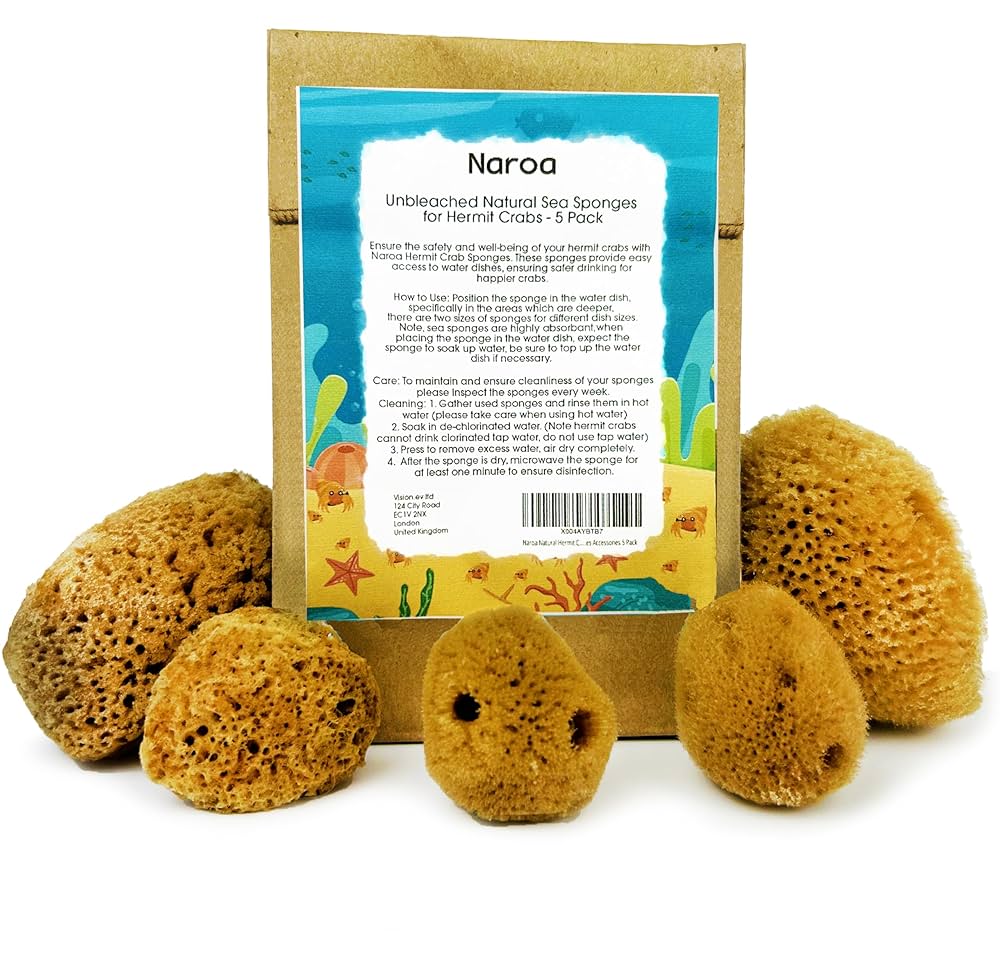
Natural sponges come from the ocean or plants. They are soft and absorbent. These sponges do not contain harmful chemicals. They allow your hermit crabs to climb and hide safely. Natural sponges are biodegradable and eco-friendly. They also provide a texture similar to the crab’s natural habitat. Clean them regularly to keep them fresh and safe.
Reptile-safe Sponges
Reptile-safe sponges are designed for pets with sensitive skin. They are made from non-toxic materials. These sponges resist mold and bacteria growth. They are durable and easy to clean. Using these sponges creates a hygienic space for hermit crabs. They help maintain the right humidity levels in the tank. Look for sponges labeled safe for reptiles or amphibians.
Diy Options
DIY sponges offer a budget-friendly and customized choice. Use natural materials like coconut fiber or moss. Cut them into shapes your crab can crawl on. These materials are safe and provide good grip. Avoid synthetic or treated fabrics that might release toxins. Replace DIY sponges regularly to prevent mold buildup. This option allows you to control the quality and cleanliness easily.

Credit: www.amazon.ca

Credit: www.walmart.com
Frequently Asked Questions
Can I Use A Kitchen Sponge For Cleaning Hermit Crab Tanks?
Using a kitchen sponge for cleaning hermit crab tanks is not recommended. Sponges can harbor bacteria and chemicals harmful to crabs. It's better to use a new, soft cloth or sponge dedicated solely to the hermit crab habitat to ensure their safety and health.
Are Kitchen Sponges Safe For Hermit Crab Hydration?
Kitchen sponges are not safe for hermit crab hydration. They may contain soap residues and chemicals that can harm crabs. Use natural materials like damp coconut fiber or untreated moss to provide safe moisture and hydration for your hermit crabs.
What Materials Are Better Than Kitchen Sponges For Hermit Crabs?
Better materials include natural fibers like coconut coir, sphagnum moss, or clean, untreated cloth. These provide safe moisture without chemicals. Avoid synthetic or chemical-laden items to keep hermit crabs healthy and stress-free in their habitat.
How Often Should I Replace Sponges In Hermit Crab Tanks?
Replace any sponge or moisture-retaining material every 1-2 weeks. This prevents mold, bacteria buildup, and keeps the habitat clean. Regular replacement supports your hermit crab's health and creates a safe living environment.
Conclusion
Using a kitchen sponge for hermit crabs is not safe. Sponges can hold bacteria and chemicals harmful to them. Hermit crabs need clean, natural materials in their habitat. Choose items designed for pets or natural objects instead. Their health and comfort come first.
Keep their environment safe and clean. This helps them live happily and grow well. Always research before adding anything new to their tank. Protect your hermit crab with smart choices.