
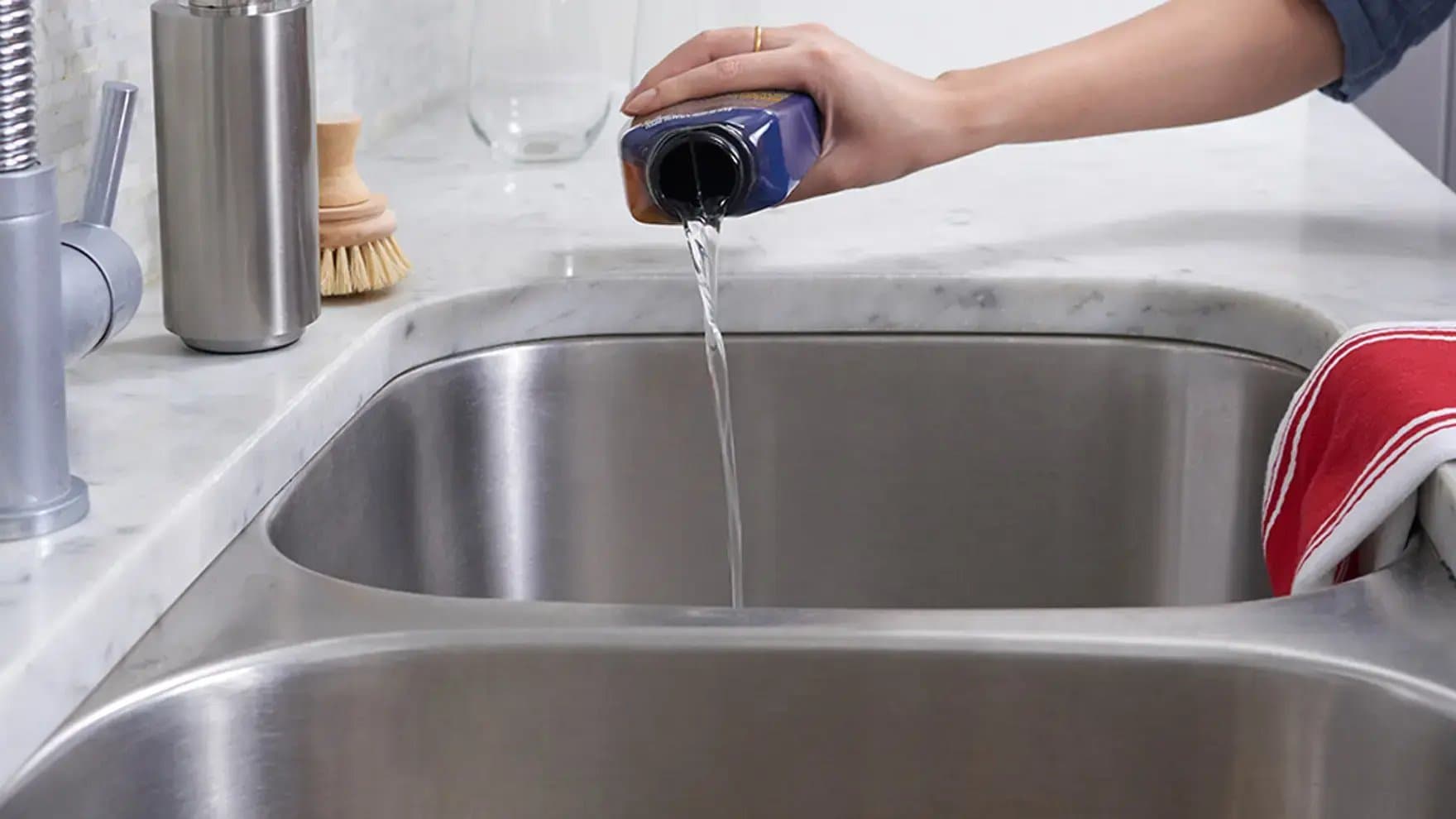
Is your kitchen sink clogged and making you feel stuck? You might be wondering, "Can I use a plunger on my kitchen sink?"
The good news is, you don’t need to call a plumber right away or spend money on expensive tools. With the right approach, your plunger could be the simple fix you need. But before you grab it, there are some important tips and tricks you should know to avoid making the problem worse.
Keep reading to find out how you can tackle that clog quickly and safely—your kitchen will be flowing smoothly again in no time!
When To Use A Plunger
Knowing when to use a plunger on your kitchen sink saves time and avoids damage. A plunger is effective for many common clogs but not all. Understanding the signs and types of blockages helps decide if plunging is the right step.
Signs Of A Clogged Sink
- Water drains slowly or pools in the basin
- Gurgling sounds come from the drain
- Unpleasant odors rise from the sink
- Water backs up into the sink or nearby fixtures
These signs indicate a blockage that may respond well to plunging. Acting early can prevent the clog from worsening.
Types Of Blockages
- Food scraps and grease buildup
- Soap scum and mineral deposits
- Small objects like utensils or debris
- Hair and stringy materials
Soft blockages like grease and food respond well to plungers. Hard objects or deep pipe issues need professional help.
Choosing The Right Plunger
Choosing the right plunger can make a huge difference when you're tackling a clogged kitchen sink. The wrong type might not create enough suction or could even damage your pipes. Knowing which plunger fits your sink’s needs helps you fix the problem faster and with less frustration.
Cup Vs. Flange Plungers
There are two main types of plungers: cup and flange. A cup plunger has a simple rubber cup shape, best suited for flat surfaces like kitchen sinks and bathtubs. It creates a tight seal and strong suction on smooth surfaces, making it ideal for most kitchen sink clogs.
Flange plungers have an extra rubber flap that extends from the cup, designed to fit into toilet drains. This makes them less effective on kitchen sinks because they can’t form a proper seal around the drain opening. If you’ve tried a flange plunger on your sink and it didn’t work well, this is likely why.
Materials And Sizes
Most plungers are made from rubber, but some have wooden or plastic handles. Rubber cups provide the best flexibility and seal. Handles made from wood offer durability but can absorb water and degrade over time. Plastic handles resist water damage but might break under heavy pressure.
Size matters too. A plunger that’s too large can be hard to maneuver around your sink, while one that’s too small won’t cover the drain properly. Generally, a 6 to 8-inch diameter cup plunger is perfect for kitchen sinks. Have you noticed how a well-sized plunger feels just right in your hand? That’s no accident—it’s designed for comfort and efficiency.
Preparing Your Sink
Preparing your kitchen sink properly makes plunging more effective. Taking time to set up prevents mess and helps clear the clog faster. Start by organizing the area around the sink. This gives you space to work freely without interruptions.
Clearing The Area
Remove any dishes, food containers, or cleaning supplies near the sink. Clear the countertop to avoid spills or accidents. Wipe the sink edges and surrounding surfaces dry. This prevents slipping and ensures a good seal with the plunger.
Sealing The Overflow
Many kitchen sinks have an overflow drain. This small hole lets water escape if the sink fills too high. Cover the overflow with a wet cloth or tape. Sealing it helps create suction and improves plunging pressure. Without sealing, the plunger may not work well.

Credit: www.popularmechanics.com
Plunging Techniques
Using a plunger correctly can clear your kitchen sink drain quickly. The right technique boosts the chance of removing clogs without extra tools. Focus on how you position the plunger and the pumping motion you use. Both affect how well the plunger works. Here are key tips to help you plunge like a pro.
Proper Positioning
Place the plunger's cup fully over the drain opening. It must cover the drain completely to form a tight seal. Make sure no air can escape from the edges. Keep the sink filled with enough water to cover the plunger's cup. Water helps create pressure and improves suction. Hold the plunger handle straight up and down for best control. Avoid tilting it to one side.
Effective Pumping Motion
Push the plunger down firmly but gently. Then pull up without breaking the seal. Use quick, strong pumps instead of slow movements. The goal is to create pressure that forces the clog loose. Pump about 15 to 20 times in a row. Stop and check if the water starts to drain. Repeat if necessary, but do not overdo it. Too much force might damage your pipes.
Alternative Methods
Sometimes, a plunger might not be the best option for clearing your kitchen sink. Alternative methods can be just as effective and often easier on your pipes. These approaches use common household items or simple tools that you might already have.
Using Baking Soda And Vinegar
This natural duo can work wonders on a slow or clogged kitchen sink. Start by pouring about half a cup of baking soda directly into the drain.
Next, add half a cup of vinegar. You’ll see fizzing and bubbling, which helps break down grime and loosen blockages.
Wait 15-20 minutes, then flush the drain with hot water. This method is safe for your pipes and the environment.
Have you noticed how often kitchen sinks clog because of grease buildup? Baking soda and vinegar can help dissolve that sticky residue without harsh chemicals.
Manual Removal Tools
Sometimes, clogs are caused by objects or food debris stuck deeper in the drain. Using manual tools like a drain snake or a plumber’s auger can be very effective.
These tools let you reach and pull out blockages without damaging your pipes.
For smaller clogs, even a wire coat hanger bent into a hook can work to fish out debris.
Have you ever tried manually removing a clog? It’s surprisingly satisfying to clear the blockage yourself and see the water flow freely again.

Credit: www.yahoo.com
When To Call A Professional
Using a plunger can solve many sink clogs. But not all. Some issues need expert help. Knowing when to call a professional saves time and stress. It also prevents possible damage.
Persistent Clogs
If your sink clogs often, it's a problem. A plunger may not help. Repeated blockages suggest a deeper issue. Professionals can inspect your plumbing system. They find the root cause. This ensures proper and lasting solutions.
Signs Of Plumbing Issues
Listen for odd sounds from pipes. Gurgling or banging might indicate trouble. Slow draining water is another sign. You might notice unpleasant odors too. These can signal hidden leaks or blockages. A professional plumber can diagnose and fix these issues.
Credit: shopping.yahoo.com
Frequently Asked Questions
Can I Use A Plunger On A Clogged Kitchen Sink?
Yes, you can use a plunger on a clogged kitchen sink. It helps create pressure to dislodge minor clogs. Ensure the sink has enough water to cover the plunger cup for better suction and effectiveness.
What Type Of Plunger Works Best For Kitchen Sinks?
A cup plunger works best for kitchen sinks. It creates a tight seal over the drain, allowing effective pressure buildup. Avoid flange plungers, as they are designed for toilets and may not fit kitchen drains well.
How Do I Prepare My Kitchen Sink Before Plunging?
Remove any standing water and food debris before plunging. Fill the sink with enough water to cover the plunger cup. Block the overflow drain with a wet cloth to maintain pressure during plunging.
When Should I Avoid Using A Plunger On My Sink?
Avoid plunging if the clog is caused by grease buildup or a broken pipe. Also, don’t use a plunger if chemical cleaners are present, as this can cause splashing and injury. Call a plumber for severe blockages.
Conclusion
Using a plunger on your kitchen sink can often fix clogs fast. Make sure to create a tight seal around the drain. Push and pull the plunger slowly and steadily. Avoid using too much force to protect your pipes. If the clog stays, try other methods or call a plumber.
Remember, regular cleaning helps prevent blockages. Keep your sink clear and running smoothly. Simple steps like these save time and money. Don’t ignore slow drains—they usually get worse. A plunger is a handy tool for minor kitchen sink problems.