
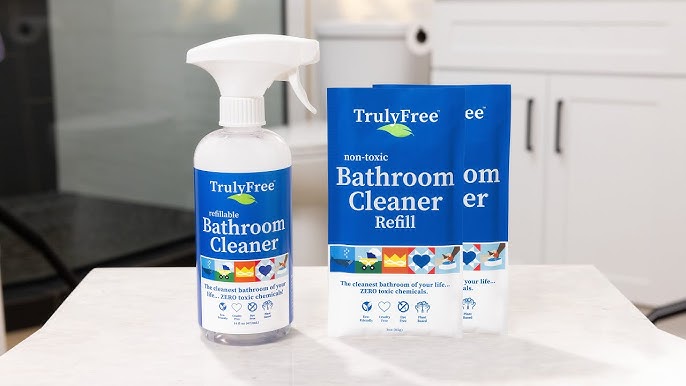
Have you ever wondered if the bathroom cleaner under your sink can double as a kitchen cleaner? It’s a common question because you want your home to be spotless, but you also want to keep your family safe.
Using the wrong cleaner in the kitchen can be risky, but the right information can save you time and protect your health. You’ll discover whether bathroom cleaners are safe for your kitchen surfaces and what you should use instead. Keep reading to make sure your cleaning routine is both effective and safe for everyone in your home.
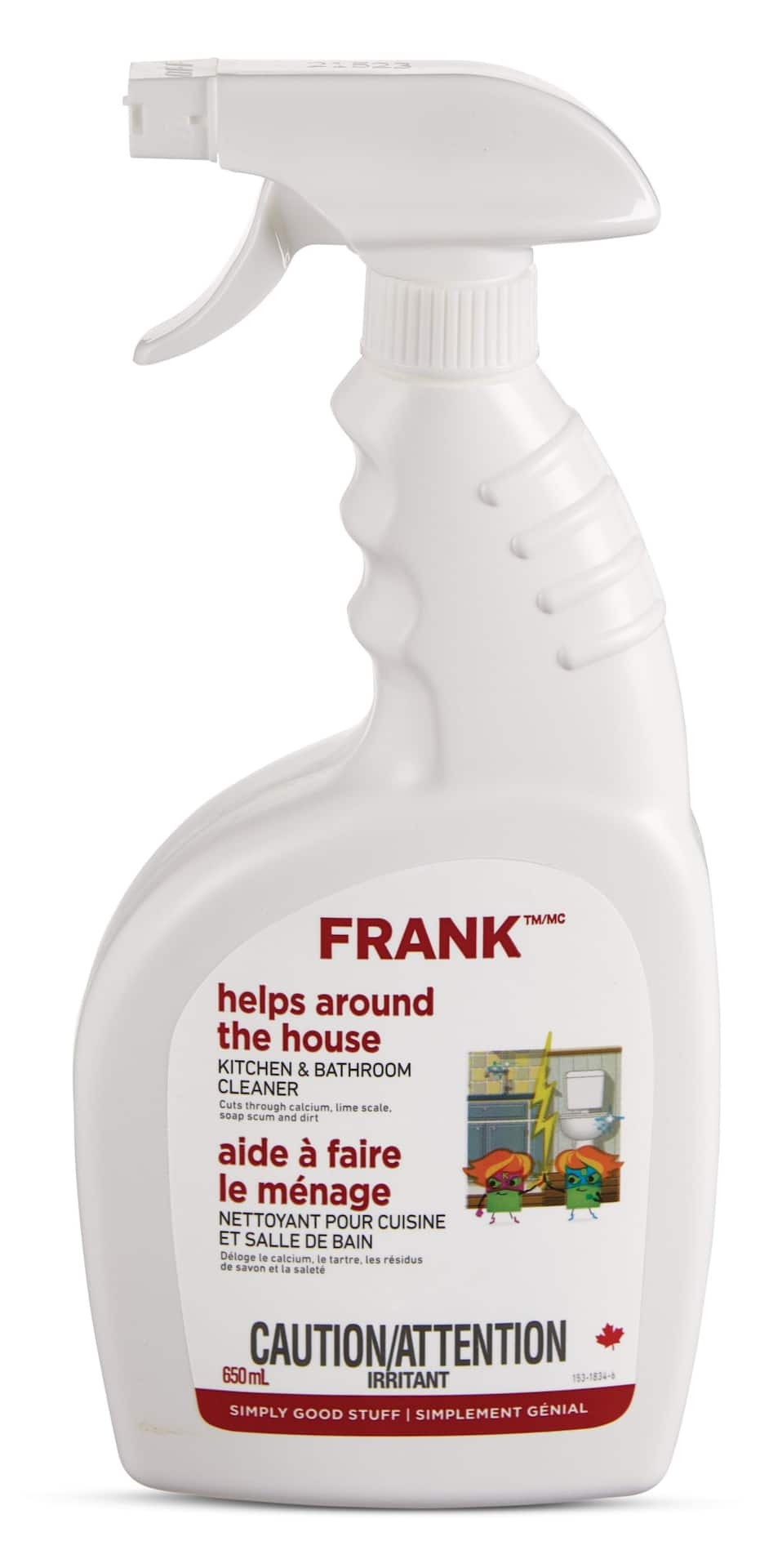
Credit: www.canadiantire.ca
Bathroom Cleaner Ingredients
Bathroom cleaners contain specific ingredients made to tackle grime, soap scum, and mildew. These chemicals work well on bathroom surfaces but may not be safe for kitchen use. Understanding the main ingredients helps decide if you should use bathroom cleaner in the kitchen.
Common Chemicals In Bathroom Cleaners
- Hydrochloric Acid – Removes tough stains and mineral deposits.
- Bleach (Sodium Hypochlorite) – Kills bacteria and whitens surfaces.
- Ammonia – Cuts through grease and dirt quickly.
- Surfactants – Help break down grime and make cleaning easier.
- Fragrances – Add a fresh scent but may cause irritation.
- Thickeners – Make the cleaner stick to vertical surfaces.
- Anti-microbial agents – Prevent mold and mildew growth.
Potential Hazards
Many bathroom cleaner chemicals can harm food surfaces. Hydrochloric acid and bleach can leave toxic residues. Ammonia fumes are strong and can irritate the eyes and throat.
Using these cleaners on kitchen counters or utensils risks chemical contamination. Some ingredients may react with food or other cleaning products. This can create dangerous gases or compounds.
Always check labels for warnings about kitchen use. Choose cleaners designed for food areas to stay safe. Avoid mixing bathroom cleaners with other chemicals.
Kitchen Surface Types
Your kitchen has a variety of surfaces, each with its own cleaning needs. Understanding these surface types helps you decide if using a bathroom cleaner is safe or if it might cause damage. Let's look at the main kitchen surfaces and how they react to different cleaners.
Countertops And Cabinets
Countertops come in many materials like granite, laminate, wood, and quartz. Some bathroom cleaners contain harsh chemicals that can dull granite or strip the finish on wood cabinets. If you’ve ever noticed a countertop looking dull after cleaning, it might be due to using the wrong product.
Laminate surfaces are usually more resistant but can still be damaged by strong acids or bleach found in some bathroom cleaners. Think about your cabinets too—painted or varnished wood can peel or discolor with certain cleaners. Always check the label and test a small hidden spot before using any bathroom cleaner on these surfaces.
Appliances And Fixtures
Kitchen appliances and fixtures often have different finishes like stainless steel, chrome, or plastic. Bathroom cleaners with bleach or abrasive ingredients can leave scratches or cloudy marks on stainless steel fridges and sinks.
Fixtures such as faucets and handles are usually chrome or nickel-plated, and harsh bathroom products can wear down their shine over time. If you want your appliances and fixtures to keep looking new, it’s better to use cleaners made specifically for those materials.
Risks Of Cross-using Cleaners
Using bathroom cleaner in the kitchen seems convenient. But it carries risks. Different cleaners have specific purposes. Mixing them can lead to problems.
Chemical Residue Concerns
Bathroom cleaners have strong chemicals. These can leave residues. In the kitchen, residues may contact food. This can be harmful. Food safety becomes a concern. Always use appropriate kitchen cleaners. They are formulated for food areas.
Health Implications
Exposure to wrong cleaners may affect health. Inhaling fumes can irritate. Skin contact may cause reactions. Consuming contaminated food poses risks. Using the right cleaner protects your health. Choose products designed for kitchens. This ensures a safer environment.
Safe Cleaning Alternatives
Choosing the right cleaner for your kitchen is more important than you might think. Using bathroom cleaner in the kitchen can expose your food prep areas to harsh chemicals that aren't designed for surfaces where you handle food. Instead, there are safer options that keep your kitchen spotless without risking your health or damaging your countertops.
Kitchen-specific Cleaners
Kitchen-specific cleaners are formulated to tackle grease, food stains, and bacteria safely. These products often contain ingredients that are tough on grime but gentle enough for surfaces like granite, stainless steel, and sealed wood.
Look for labels that mention food-safe ingredients or antibacterial properties approved for kitchen use. Using these cleaners helps you avoid the risk of chemical residues mixing with your food. Have you checked the label on your current cleaner lately? It might surprise you what's actually in it.
Natural Cleaning Options
Natural cleaners offer a gentle yet effective way to keep your kitchen clean without harsh chemicals. Simple ingredients like vinegar, baking soda, and lemon can remove stains, neutralize odors, and disinfect surfaces.
For instance, mixing vinegar and water in a spray bottle creates a powerful degreaser. Baking soda works wonders as a scrubbing agent that won't scratch surfaces. Plus, these options are budget-friendly and environmentally friendly.
Why not try swapping out one chemical cleaner for a natural alternative this week? You might find your kitchen smells fresher and feels safer all at once.
Proper Cleaning Practices
Proper cleaning practices are essential to keep both your bathroom and kitchen safe and hygienic. Using the wrong cleaner in the wrong area can cause damage or even health risks. Understanding how to clean effectively while protecting yourself and your surfaces is key.
Reading Labels And Instructions
Always check the label before using any cleaner. Bathroom cleaners often contain strong chemicals designed to tackle soap scum and mildew, which might be too harsh for kitchen surfaces where food is prepared.
Look for warnings about surface compatibility and whether the product should be rinsed off thoroughly. Some ingredients may leave residues unsafe for food contact areas. Have you ever grabbed a cleaner in a rush only to realize later it wasn’t suitable for your countertops?
Take a moment to read instructions and ingredients. This small step can prevent damage to your kitchen surfaces and keep your family safe from harmful chemicals.
Ventilation And Protective Gear
Good ventilation is crucial when using any cleaning product, especially those with strong fumes. Open windows or turn on exhaust fans to keep the air fresh and reduce inhaling chemical vapors.
Protect your hands with gloves to avoid irritation, especially if you have sensitive skin. Eye protection can be important too, particularly when spraying or mixing cleaners.
Do you know how many people skip these steps and later suffer from headaches or skin issues? Taking a few precautions makes your cleaning safer and more comfortable.
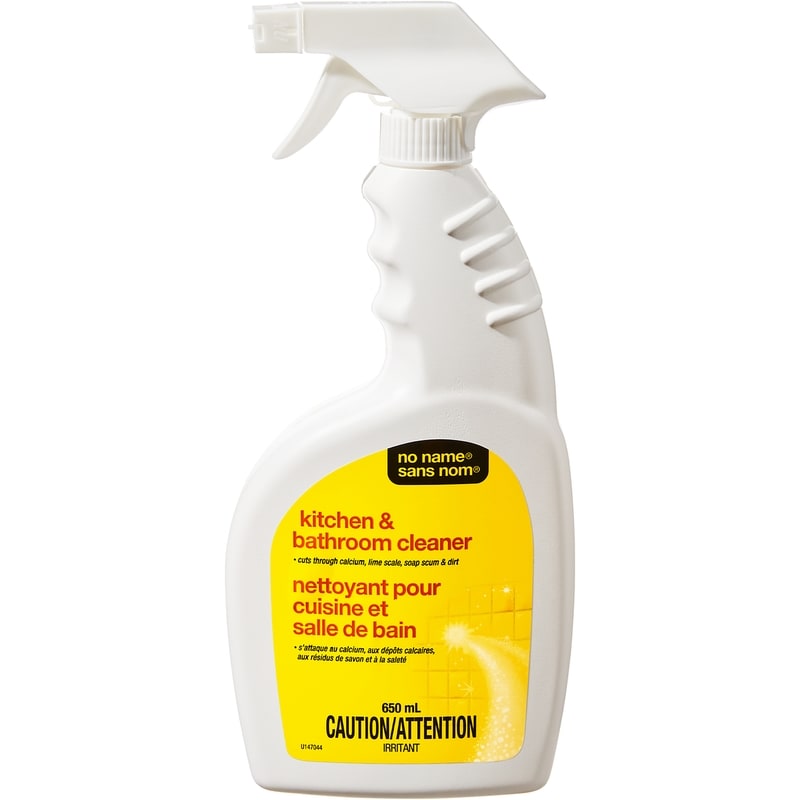
Credit: www.atlanticsuperstore.ca
Emergency Steps For Exposure
Exposure to bathroom cleaner in the kitchen can be dangerous. Acting fast is key to reducing harm. Knowing the right emergency steps helps protect your health and safety. Follow these simple actions based on the type of exposure.
Skin Contact
- Remove any clothing that touched the cleaner.
- Rinse the skin with cool running water for 15 minutes.
- Do not rub or scrub the affected area.
- Use mild soap if available, but avoid harsh chemicals.
- Pat the skin dry gently with a clean towel.
- Apply a soothing lotion or aloe vera if irritation continues.
- Seek medical help if redness, swelling, or pain worsens.
Ingestion Or Inhalation
- Do not induce vomiting after swallowing the cleaner.
- Rinse the mouth thoroughly with water.
- Drink a small amount of water or milk to dilute the chemical.
- Move to fresh air immediately if fumes were inhaled.
- Keep calm and avoid physical activity to reduce breathing issues.
- Call poison control or emergency services for advice right away.
- Provide the product container to medical staff for proper treatment.
Expert Recommendations
Experts advise caution when using bathroom cleaners in the kitchen. The chemicals in bathroom products are often too harsh or not food-safe, which can pose health risks. Understanding when to avoid these cleaners and knowing which products work best for kitchen hygiene will keep your home safe and spotless.
When To Avoid Bathroom Cleaners In Kitchen
You should never use bathroom cleaners on kitchen surfaces where food is prepared. Many bathroom cleaners contain strong disinfectants and acids that can leave harmful residues. These residues might contaminate your food or damage delicate kitchen materials like granite or stainless steel.
Also, avoid using bathroom cleaners on cutting boards or utensils. Even if rinsed thoroughly, some chemicals can linger and affect food safety. Ask yourself: would you want your salad or sandwich touched by those harsh chemicals?
Another red flag is using bathroom cleaners on appliances like microwaves or refrigerators. These often have special coatings that can be damaged by bathroom-grade chemicals, shortening their lifespan.
Best Products For Kitchen Hygiene
Stick to kitchen-specific cleaners that are labeled safe for food contact surfaces. These products effectively remove grease, grime, and bacteria without risking your health. Look for EPA-registered disinfectants or natural options like vinegar and baking soda for everyday cleaning.
Some top-rated kitchen cleaners include:
- Multi-surface sprays with food-safe ingredients
- Disinfecting wipes designed for kitchen counters
- Non-toxic degreasers that break down tough stains
Choosing the right cleaner can make your routine easier and safer. Have you checked the labels on your current products to ensure they’re kitchen-safe?
:max_bytes(150000):strip_icc()/SPR-how-pro-cleaners-clean-a-sink-11781060-recirc-d43f366f6fda4e2aa23983aa321c6efa.jpg)
Credit: www.thespruce.com
Frequently Asked Questions
Can Bathroom Cleaner Be Safely Used In The Kitchen?
Bathroom cleaners often contain harsh chemicals not suited for kitchen surfaces. Using them in the kitchen can risk food contamination and damage sensitive materials. It’s best to use cleaners specifically designed for kitchen use to ensure safety and effectiveness.
What Risks Come From Using Bathroom Cleaner In Kitchens?
Bathroom cleaners may leave harmful residues that contaminate food. They can also damage kitchen countertops, appliances, and cookware. These cleaners often contain strong acids or bleach, which are unsafe for kitchen environments where food preparation occurs.
Are Kitchen Cleaners Effective For Bathroom Cleaning?
Kitchen cleaners are formulated for grease and food stains but may lack strong disinfectants needed for bathrooms. While they can clean some bathroom surfaces, they might not remove mold or soap scum effectively. It’s better to use bathroom-specific cleaners for thorough hygiene.
How To Choose Safe Cleaners For Both Kitchen And Bathroom?
Look for multi-surface cleaners labeled safe for food contact surfaces and bathroom use. Check ingredient lists for non-toxic, biodegradable components. Always follow manufacturer instructions and test on small areas to avoid damage or health risks.
Conclusion
Bathroom cleaner is made for tough grime and germs in the bathroom. Kitchen surfaces need gentler cleaners to keep food safe. Using bathroom cleaner in the kitchen can cause health risks. Strong chemicals might leave harmful residues on counters. Always choose cleaners labeled safe for kitchen use.
Clean your kitchen with products made for food areas. This helps keep your home safe and healthy. Remember, each room needs the right kind of cleaner. Take care to protect your family and surfaces. Safety first, always.