
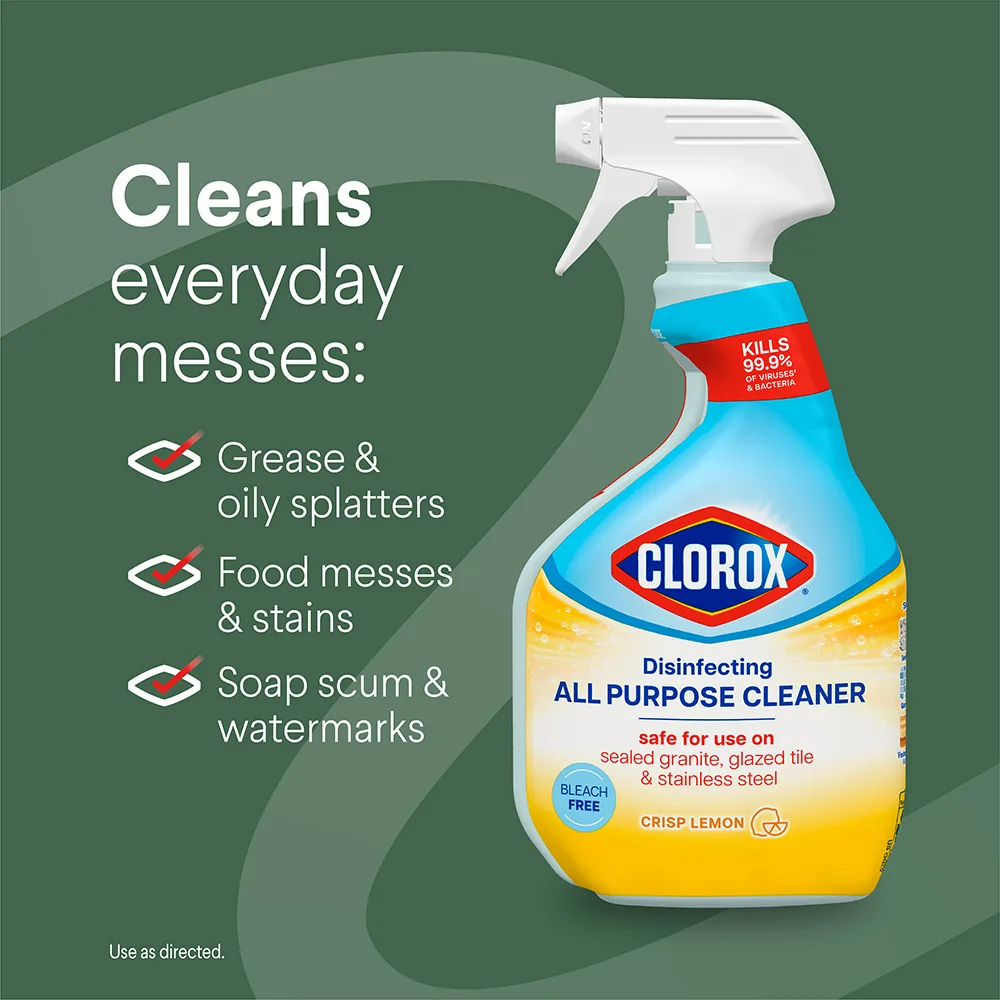
Are you wondering if you can use Clorox Bathroom Cleaner in your kitchen? It’s a common question because you want to keep your kitchen spotless and safe.
But before you grab that bottle, it’s important to know if it’s the right choice for your kitchen surfaces and your family’s health. You’ll discover the facts you need to make the best decision. Keep reading to find out how to clean your kitchen effectively without risking damage or harm.
Clorox Bathroom Cleaner Basics
Clorox Bathroom Cleaner is a popular choice for cleaning bathroom surfaces. It targets tough grime, soap scum, and mold. Understanding its basics helps decide if it suits other areas like the kitchen.
This cleaner is designed for specific tasks and places. Knowing what it contains and where it works best can guide safe and effective use.
Key Ingredients
- Sodium hypochlorite – a strong bleach agent
- Surfactants – help remove dirt and grease
- Fragrance – leaves a fresh scent
- Water – dilutes the formula for easy spraying
These ingredients work together to fight mold, mildew, and stains.
Intended Uses
- Bathroom tiles and grout cleaning
- Shower walls and tubs
- Toilets and sinks
- Removing soap scum and mildew buildup
It is not made for food-contact surfaces or kitchen counters. Always check the label for safe usage instructions.
Differences Between Bathroom And Kitchen Cleaners
Bathroom and kitchen cleaners might seem similar at first glance, but they have distinct differences that matter when you’re deciding which one to use. Using a product designed for one area in the other can affect cleanliness and safety. Understanding these differences helps you avoid damage to surfaces and ensures effective cleaning.
Formulation Variations
Bathroom cleaners often contain stronger disinfectants and degreasers to tackle soap scum, mold, and mildew. These formulas may include bleach or ammonia, which can be harsh but effective against bacteria common in bathrooms.
Kitchen cleaners are usually gentler with ingredients that focus on removing grease, food residues, and odors. They often avoid harsh chemicals that could leave harmful residues on surfaces where food is prepared.
Have you ever noticed a strong chemical smell after cleaning your kitchen? That’s likely from using a product too strong or not meant for kitchen surfaces.
Surface Compatibility
Bathroom surfaces like tiles, porcelain, and glass can handle abrasive and strong chemical cleaners better than many kitchen surfaces. Bathroom cleaners may damage countertops, stainless steel appliances, or wood if used in the kitchen.
Kitchen cleaners are designed to be safe on a variety of materials including granite, laminate, and food-contact surfaces. Using a bathroom cleaner in the kitchen risks discoloration or surface damage.
Think about your kitchen counters—would you want to risk damaging them just to save time? Choosing the right cleaner protects your surfaces and keeps your kitchen safe for meal prep.
Risks Of Using Bathroom Cleaner In Kitchen
Using Clorox Bathroom Cleaner in your kitchen might seem convenient. Yet, there are risks to consider. Kitchen surfaces contact food often. So, using the wrong cleaner can be risky.
Chemical Residue Concerns
Bathroom cleaners contain strong chemicals. These are designed to tackle tough stains. But in the kitchen, they can leave harmful residues. These residues might not rinse away easily. You could ingest them with your food.
Potential Health Hazards
Using bathroom cleaners in the kitchen may pose health risks. Many contain bleach and other irritants. These can cause skin irritation. Inhaling fumes might affect your respiratory system.
Consider the safety of your family and pets. Using inappropriate cleaners can lead to accidental ingestion. Always choose cleaners specifically for kitchen use.
Safe Cleaning Alternatives For Kitchen
Choosing the right cleaner for your kitchen is important. Harsh chemicals can leave harmful residues on surfaces where food is prepared. Safe cleaning alternatives help keep your kitchen fresh without risking your health or damaging surfaces. These options are effective and gentle enough for everyday use.
Recommended Products
Many products on the market clean kitchens safely. Look for labels that say "food-safe" or "non-toxic." Common choices include:
- Multi-surface cleaners made for kitchens
- Disinfectant sprays with natural ingredients
- Dish soaps with antibacterial properties
- Vinegar-based cleaners designed for food areas
These products kill germs but do not leave harmful chemicals behind. Always read instructions before use.
Natural Cleaning Solutions
Natural cleaners work well and cost less. They reduce exposure to harsh chemicals.
- Baking soda:Scrubs away stains and removes odors.
- White vinegar:Kills bacteria and cuts grease.
- Lemon juice:Freshens surfaces and acts as a mild bleach.
- Olive oil:Polishes wood and stainless steel.
Mix these ingredients with water for easy homemade cleaners. They are safe around food and pets.
Best Practices For Using Clorox Products
Using Clorox products safely ensures effective cleaning and protects your health. These products contain strong chemicals that need careful handling. Following best practices reduces risks and improves results.
Proper Application
Read the label instructions before use. Use the right amount to avoid waste and damage. Apply the cleaner only on surfaces it is made for. Avoid mixing Clorox with other chemicals. Let the product sit on the surface for the recommended time. Rinse thoroughly if the instructions say to do so.
Ventilation And Protective Gear
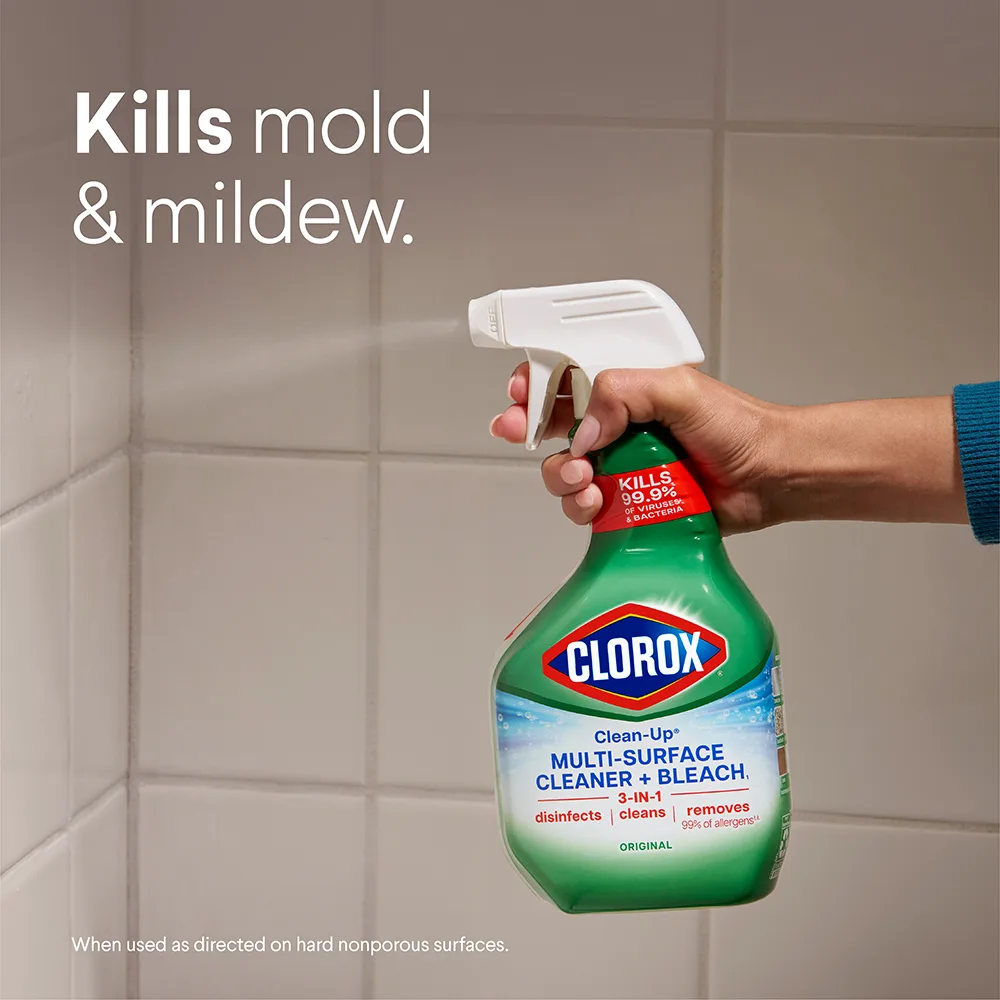
Always clean in a well-ventilated area. Open windows or use fans to move air. Wear gloves to protect your skin from irritation. Use eye protection if splashing is possible. Avoid breathing in fumes directly. Wash your hands after using Clorox products.
Credit: www.clorox.com
Emergency Steps For Accidental Exposure
Accidental exposure to Clorox Bathroom Cleaner requires quick and careful action. Immediate steps help reduce harm and prevent serious health issues. Knowing the right response is vital for safety in the kitchen or bathroom.
Ingestion And Skin Contact
Rinse the mouth with plenty of water if the cleaner is swallowed. Do not make the person vomit unless advised by a doctor. For skin contact, wash the area with soap and water right away. Remove any contaminated clothing to avoid further irritation. Seek medical help if redness, pain, or swelling appears.
Inhalation Response
Move the person to fresh air immediately. Keep them calm and comfortable. Avoid staying in the area with strong fumes. If breathing is difficult, call emergency services right away. Do not give anything to drink or eat if the person feels dizzy or nauseous.
Maintaining A Safe Cleaning Routine
Keeping your cleaning routine safe is essential, especially when you use strong products like Clorox Bathroom Cleaner. Using it in the kitchen might seem convenient, but safety comes first. Understanding how to read labels and properly store these cleaners can protect you and your family from harm.
Label Reading Tips
Always check the product label before using any cleaner in a different area. The label tells you what surfaces the product is safe for and any warnings you should know. For example, some bathroom cleaners contain chemicals that can be harmful if used on food prep surfaces.
Look for phrases like "not for use on food contact surfaces" or "rinse thoroughly after use." These clues help you avoid accidental contamination. If the label is unclear, it’s better to choose a cleaner specifically made for kitchens.
Storage And Handling
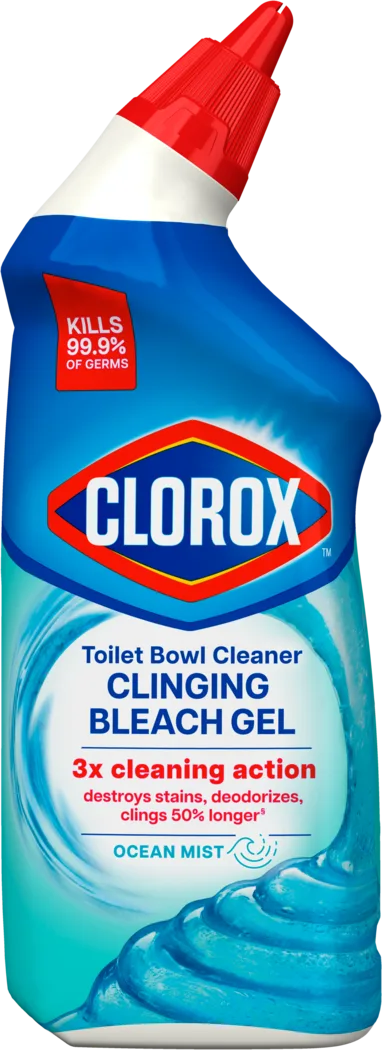
Proper storage of cleaning products prevents accidents and maintains their effectiveness. Keep cleaners like Clorox Bathroom Cleaner out of reach of children and pets. Store them in a cool, dry place away from food items to avoid mix-ups.
Handle the cleaner with care—wear gloves if you have sensitive skin, and avoid mixing it with other chemicals. Did you know mixing bleach-based cleaners with ammonia can create toxic gases? Taking these precautions makes your cleaning routine safer and more efficient.

Credit: www.amazon.com
Credit: www.clorox.com
Frequently Asked Questions
Can Clorox Bathroom Cleaner Be Used On Kitchen Surfaces?
Yes, Clorox Bathroom Cleaner can be used on some kitchen surfaces. However, always check the label for surface compatibility and test a small area first.
Is Clorox Bathroom Cleaner Safe For Kitchen Countertops?
Clorox Bathroom Cleaner is generally safe for non-porous countertops. Avoid using it on natural stone like granite or marble to prevent damage.
Will Clorox Bathroom Cleaner Kill Kitchen Germs Effectively?
Yes, Clorox Bathroom Cleaner contains disinfectants that kill common kitchen germs and bacteria when used as directed on the label.
Can Clorox Bathroom Cleaner Remove Kitchen Grease And Grime?
Clorox Bathroom Cleaner is designed for soap scum and mildew but can help remove light kitchen grease. For heavy grease, use a degreaser.
Conclusion
Using Clorox Bathroom Cleaner in the kitchen is not always safe. Bathroom cleaners may contain strong chemicals. These chemicals can harm food surfaces or leave bad smells. Always check the label before using any cleaner. Choose products made for kitchen use to keep your family safe.
Clean your kitchen with gentle, food-safe cleaners. This keeps your space healthy and fresh. Remember, safety comes first when cleaning different areas. Keep your kitchen clean and free from harsh chemicals. Simple steps protect your home and loved ones well.