
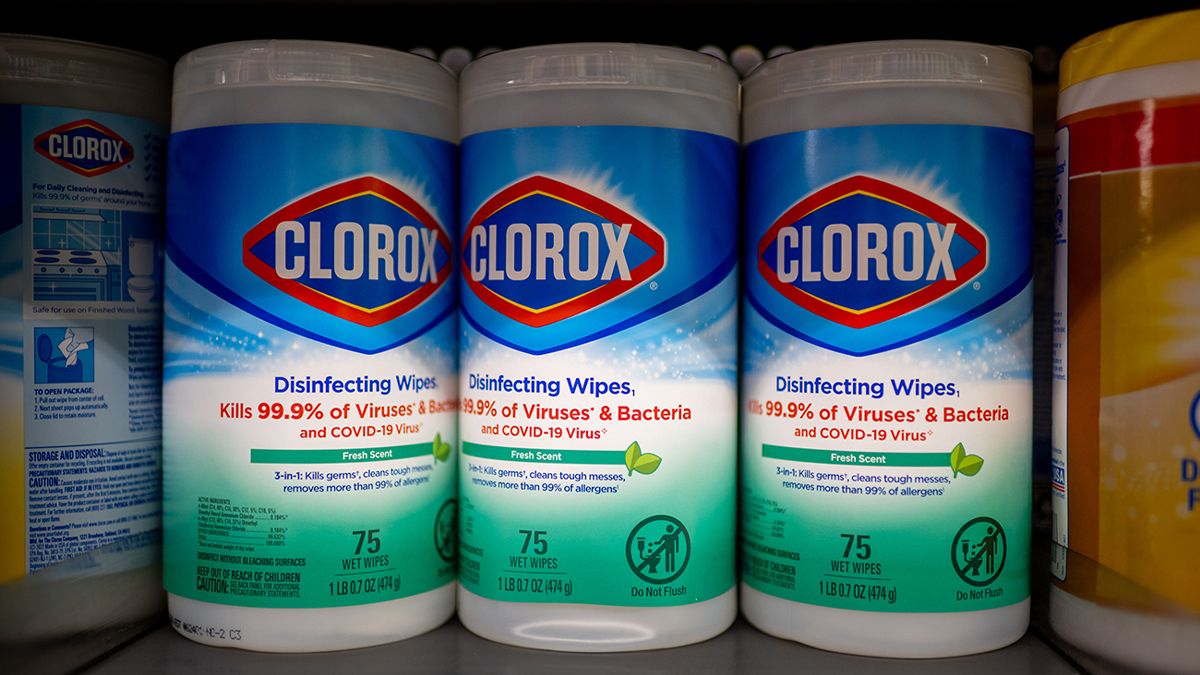
Are you wondering if Clorox wipes are safe to use in your kitchen? You probably want to keep your space clean and germ-free, but also worry about chemicals near your food.
Using the right cleaning products matters for your health and your family’s safety. This article will help you understand when and how to use Clorox wipes in your kitchen without risking harm. Keep reading to find out the best ways to keep your kitchen spotless and safe.
Clorox Wipes And Kitchen Surfaces
Clorox wipes are a popular choice for quick and easy cleaning in the kitchen. But are they safe to use on all your kitchen surfaces? Understanding where and how to use these wipes can help keep your kitchen clean without causing damage.
Safe Surfaces For Use
You can safely use Clorox wipes on many hard, non-porous kitchen surfaces. These include countertops made of laminate, sealed granite, stainless steel appliances, and sealed tile. They work well on cabinet handles, cutting boards (non-wood), and refrigerator doors.
Always check if your countertop or surface is sealed, as this protects it from moisture and harsh chemicals. If you’re unsure, testing a small hidden area first can save you from potential damage.
Surfaces To Avoid
Not all kitchen surfaces tolerate Clorox wipes. Avoid using them on unsealed wood, natural stone like marble or unsealed granite, and painted surfaces. These materials can stain, discolor, or degrade when exposed to bleach-based wipes.
Also, steer clear of using Clorox wipes on soft plastics or electronics like touchscreen panels. The chemicals and moisture might cause permanent damage or affect functionality.
Effectiveness Against Kitchen Germs
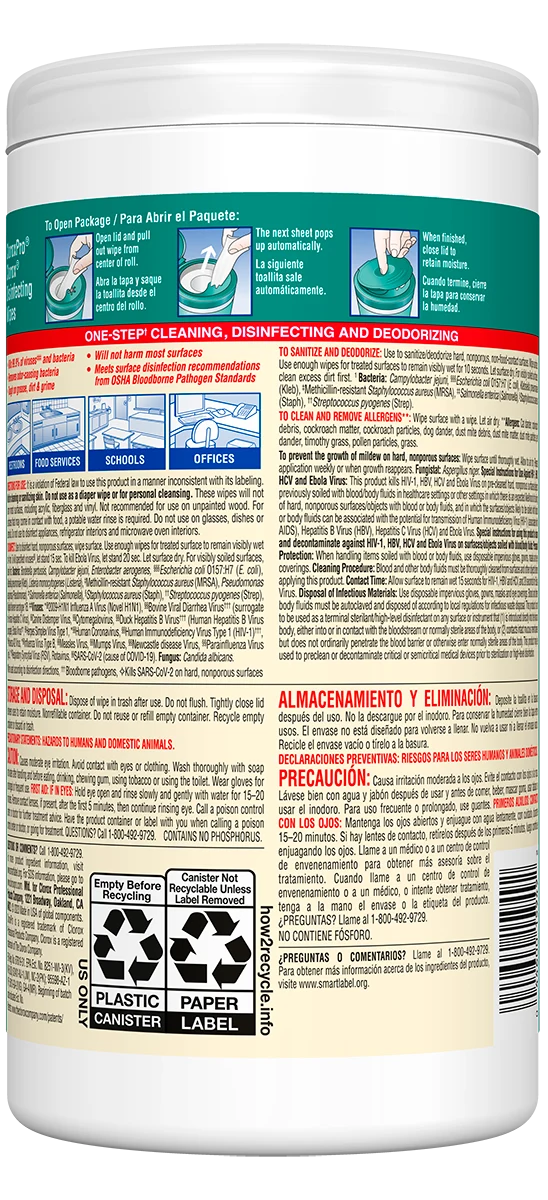
Clorox wipes kill 99.9% of many common kitchen germs, including Salmonella, E. coli, and the flu virus. This makes them highly effective for reducing the risk of foodborne illnesses. You can wipe down cutting boards, countertops, and sink areas to keep bacteria at bay.
Still, remember that wiping is not the same as scrubbing. For stuck-on food or grease, you might need a bit more elbow grease or a different cleaner before using Clorox wipes. Have you noticed any spots in your kitchen where germs seem to linger despite regular cleaning?
Using Clorox Wipes Safely
Using Clorox wipes in your kitchen can be a quick and effective way to keep surfaces clean, but safety should always come first. Understanding how to use these wipes correctly helps protect your health and prevents any unintended damage to your kitchen areas. Let’s look at how you can use Clorox wipes safely to maintain a hygienic cooking space without any risks.
Proper Application Techniques
Always start by checking the label on your Clorox wipes. Some wipes are designed specifically for kitchen surfaces, while others may not be food-safe.
Use the wipe to cover the entire surface evenly, applying gentle pressure. Avoid scrubbing too hard, as this can damage delicate countertops or finishes.
Give the surface time to stay wet for at least 4 minutes to allow the disinfectant to work effectively. Have you noticed how quickly you tend to wipe things dry? Try holding off to let the wipe do its job.
Avoiding Cross-contamination
One of the biggest risks in the kitchen is spreading germs from one surface to another. Use a fresh wipe for each area or task to avoid this.
Never reuse a wipe that has been in contact with raw meat juices or other contaminants. This simple habit can save you from unknowingly transferring harmful bacteria to your cutting boards or utensils.
Think about how often you touch different spots in the kitchen. Keeping wipes single-use for each surface reduces the chance of cross-contamination significantly.
Drying And Residue Concerns
After using Clorox wipes, allow surfaces to air dry completely. This ensures the disinfectant has time to work and prevents streaks or residue buildup.
If you notice a sticky or chemical residue, wipe the area again with a damp cloth and then dry it. This extra step helps keep your kitchen surfaces safe for food preparation.
Have you ever wondered if residue from disinfectants can affect food taste or safety? Taking a moment to rinse surfaces can give you peace of mind and maintain the best kitchen environment.
Health And Safety Considerations
Clorox wipes are convenient in the kitchen. But using them safely is essential. Understanding health and safety is key to protecting your family.
Chemical Ingredients To Note
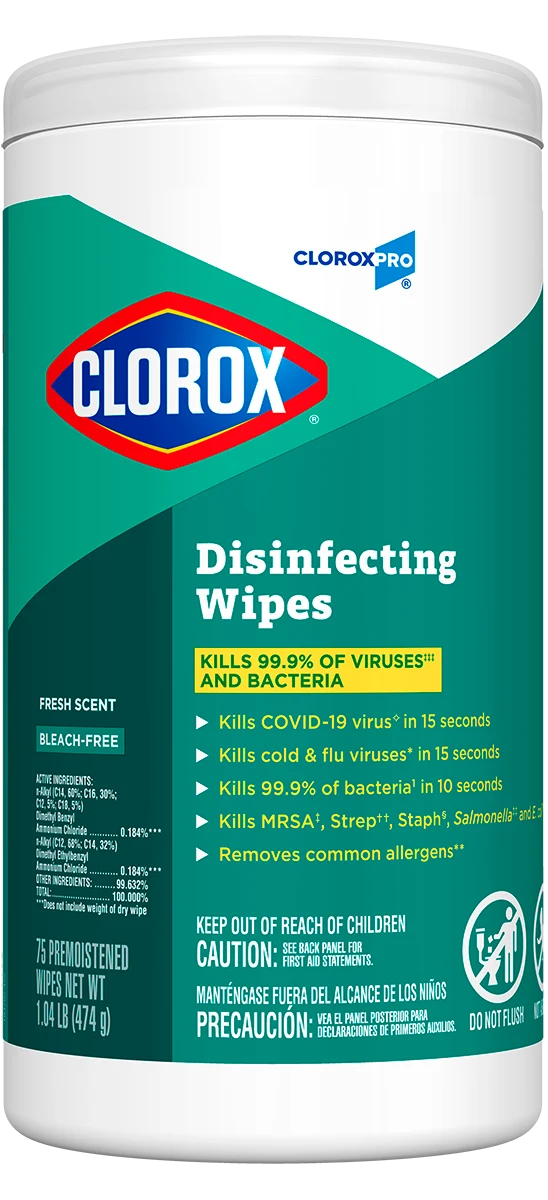
Clorox wipes contain chemicals that kill germs. The main ingredient is bleach. It can irritate skin and eyes. Always read the label before use.
Allergy And Sensitivity Risks
Some people are sensitive to cleaning products. Allergic reactions can occur. Look for symptoms like itching or redness. If symptoms appear, stop using the product.
Keeping Children And Pets Safe
Children and pets are curious. Keep wipes out of their reach. Store them in high places or locked cabinets. Dispose of used wipes properly to avoid ingestion.
Credit: www.cloroxpro.com
Alternatives For Kitchen Cleaning
Cleaning the kitchen requires products that are both safe and effective. Clorox wipes are popular but not the only option. Exploring alternatives can help keep your kitchen fresh and hygienic. Some options use natural ingredients, while others rely on trusted disinfectants.
Natural Cleaning Options
Natural cleaners use simple ingredients like vinegar, baking soda, and lemon. They help remove stains and odors without harsh chemicals. For example, vinegar mixed with water cleans countertops well. Baking soda works great for scrubbing sinks and appliances. Lemon juice can brighten surfaces and kill some bacteria.
These options are safe around food and children. They also reduce chemical exposure in your home. Natural cleaners suit daily cleaning but may not disinfect deeply.
Other Disinfecting Products
Besides Clorox wipes, many disinfecting sprays and liquids exist. Look for EPA-approved products for kitchens. These include sprays with bleach or alcohol as active ingredients. They kill germs quickly on hard surfaces.
Disinfecting sprays allow coverage of larger areas. Use a clean cloth or paper towel to wipe surfaces after spraying. Some products dry fast and leave no residue. Always follow instructions for safe and effective use.
When To Choose Wipes Over Sprays
Wipes are handy for quick cleaning jobs. They come pre-moistened and ready to use. Wipes work well on small messes or spots. They reduce the need for extra cloths or paper towels.
Use wipes when you want convenience and speed. Sprays suit bigger jobs or when thorough disinfection is needed. Both wipes and sprays have their place in kitchen cleaning routines.
Tips For Maintaining A Clean Kitchen
Keeping your kitchen clean is more than just a chore—it’s about creating a safe and inviting space where you can enjoy cooking and sharing meals. A clean kitchen helps prevent the spread of germs and keeps your food tasting fresh. Let’s look at some practical tips that make maintaining a spotless kitchen easier and more effective.
Regular Cleaning Schedule
Setting up a regular cleaning schedule can save you time and stress. You don’t need to deep clean every day, but wiping down surfaces, sweeping floors, and cleaning appliances weekly keeps messes from piling up.
Try dedicating a few minutes each day to quick tasks, like wiping counters with Clorox wipes. This habit stops bacteria from settling and makes your weekend cleaning less overwhelming. Have you noticed how a small daily effort changes the whole feel of your kitchen?
Handling Food Spills
Food spills are inevitable, but how you handle them matters. Clean spills immediately, especially sticky or greasy ones, to prevent stains and pests.
Using disinfecting wipes like Clorox wipes can be a fast and effective way to sanitize surfaces after spills. Just remember to avoid using them on surfaces that might be damaged by strong chemicals, like natural stone. What’s your go-to trick for dealing with unexpected messes?
Storing Cleaning Products Safely
Keeping your cleaning supplies organized and out of reach is crucial, especially if you have children or pets. Store products like Clorox wipes in a cool, dry place and away from food storage areas.
Consider using labeled bins or cabinets with childproof locks. This not only protects your loved ones but also keeps your kitchen tidy and ensures you can find what you need quickly. Have you ever had trouble locating cleaning products right when you needed them?
Credit: www.cloroxpro.com

Credit: www.runnings.com
Frequently Asked Questions
Can Clorox Wipes Safely Clean Kitchen Surfaces?
Yes, Clorox wipes are safe for most kitchen surfaces. They effectively kill bacteria and viruses. Avoid using on unsealed wood or sensitive materials to prevent damage.
Are Clorox Wipes Effective Against Kitchen Germs?
Clorox wipes kill 99. 9% of bacteria and viruses. They are ideal for disinfecting countertops, appliances, and sinks in the kitchen. Regular use helps maintain a hygienic environment.
Can Clorox Wipes Be Used On Food-contact Surfaces?
Clorox recommends rinsing food-contact surfaces with water after wiping. This ensures no chemical residue remains. Always follow label instructions for safe kitchen use.
How Often Should I Use Clorox Wipes In The Kitchen?
Use Clorox wipes daily or after food preparation. Frequent cleaning reduces germ buildup and cross-contamination risks. It helps keep your kitchen safe and sanitary.
Conclusion
Clorox wipes work well for cleaning many kitchen surfaces. They kill germs and remove dirt quickly. Avoid using them on food or cutting boards. Always check the label for safe use instructions. Let surfaces dry fully after wiping. Keep wipes away from children and pets.
Using them right helps keep your kitchen safe and clean. Simple steps make a big difference every day. Clean smart, stay healthy.