
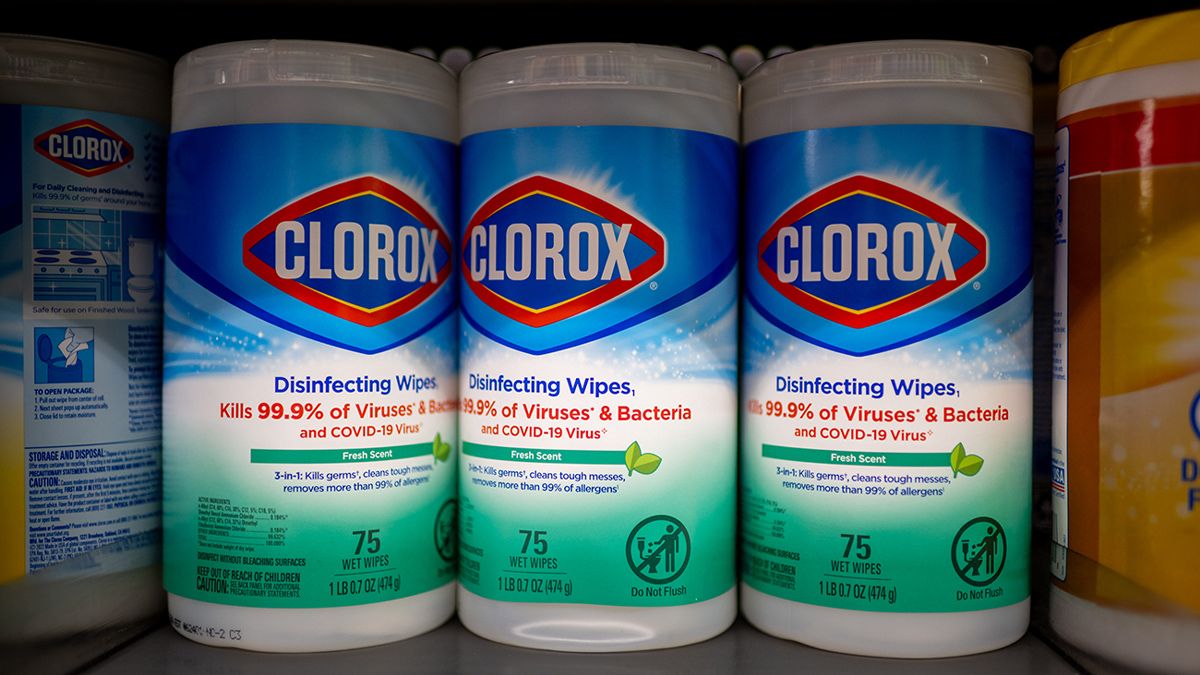
Are you wondering if you can safely use Clorox wipes on your kitchen counter? You want a quick and easy way to keep your space clean, but you also don’t want to damage your countertops or miss out on proper disinfection.
You’ll discover exactly how Clorox wipes work on different types of kitchen surfaces, what you need to watch out for, and the best tips to keep your counters sparkling and germ-free. Keep reading to make sure you’re cleaning your kitchen the right way—your health and your countertops will thank you!

Credit: www.thecloroxcompany.com
Clorox Wipes And Kitchen Counters
Keeping your kitchen counters clean is essential for a healthy home environment. Clorox Wipes have become a popular choice for quick and easy cleaning. But are they safe and effective for use on all types of kitchen counter surfaces? Understanding what these wipes contain and how they interact with different materials can help you make the best choice for your kitchen care.
What Are Clorox Wipes Made Of
Clorox Wipes are pre-moistened with a cleaning solution that contains disinfectants like sodium hypochlorite or hydrogen peroxide. These ingredients kill germs, bacteria, and viruses effectively.
Besides disinfectants, the wipes include surfactants to break down grease and dirt, and some contain fragrance to leave a fresh scent. The chemicals work well on many surfaces but can sometimes be too harsh for delicate materials.
Types Of Kitchen Counter Materials
Your kitchen counters might be made from various materials, each with different care needs. Here are some common types:
- Granite:Durable and resistant but sensitive to acidic cleaners.
- Quartz:Non-porous and low maintenance, but harsh chemicals can dull the surface.
- Laminate:Affordable but prone to damage from abrasive or strong chemical cleaners.
- Marble:Porous and delicate, easily stained or etched by acidic substances.
- Butcher Block/Wood:Needs gentle cleaning to avoid warping or damage.
Knowing your counter type helps you decide if Clorox Wipes are suitable. For example, I once used these wipes on my marble countertop and noticed dull spots afterward. It made me realize that some surfaces require gentler care.
Have you noticed any changes in your counters after using disinfecting wipes? It’s worth testing on a small, hidden area before regular use to protect your investment and keep your kitchen looking its best.

Credit: www.youtube.com
Safety Of Clorox Wipes On Surfaces
Clorox wipes are popular for quick cleaning tasks, especially on kitchen counters. Understanding their safety on different surfaces helps protect your home. These wipes contain strong disinfectants that kill germs effectively. Yet, their chemical makeup can affect various materials differently. Knowing how to use them safely prevents damage and keeps your kitchen clean.
Chemical Impact On Different Materials
Clorox wipes have bleach and other chemicals. These ingredients can react with some surfaces.
- Granite and Marble:Harsh chemicals can dull or etch natural stone.
- Wood:Prolonged use may strip finish and cause discoloration.
- Laminate:Usually safe but avoid soaking to prevent swelling.
- Stainless Steel:Generally safe but wipe dry to avoid streaks.
- Plastic and Glass:Safe to use and effective for disinfecting.
Test a small, hidden spot before full use. This helps avoid unexpected damage.
Potential Risks And Precautions
Using Clorox wipes without care can cause issues.
- Avoid direct use on porous surfaces like unsealed wood.
- Do not mix with other cleaners; chemical reactions may occur.
- Keep wipes away from eyes and skin to prevent irritation.
- Allow surfaces to air dry or wipe with a clean cloth afterward.
- Store wipes in a cool, dry place to maintain effectiveness.
Follow label instructions strictly for safe and effective cleaning.
Effective Use Of Clorox Wipes
Using Clorox wipes on your kitchen counters can be a quick and efficient way to keep your space clean and germ-free. However, using them effectively is key to making sure you get the best results without damaging surfaces or missing spots. Understanding how to apply these wipes properly and how often to use them will help you maintain a healthier kitchen environment.
Proper Cleaning Technique
Start by removing any visible dirt or food crumbs from your counter. Use a Clorox wipe to thoroughly cover the surface, making sure to reach corners and edges where germs can hide.
Allow the surface to stay wet for at least 4 minutes to ensure proper disinfection. Don’t just wipe and dry immediately; the disinfecting agents need time to work effectively.
After the required time, you can let the surface air dry or wipe it with a clean cloth if needed. Avoid rinsing the surface, as this can reduce the disinfecting power.
Frequency Of Use
Consider how often your kitchen counter is used when deciding how frequently to clean it with Clorox wipes. For busy kitchens with frequent meal prep, daily cleaning is a smart choice.
If your kitchen sees less activity, wiping down the counters a few times a week may be sufficient to keep bacteria in check. Pay extra attention after handling raw meat or eggs to prevent cross-contamination.
Remember, overuse can sometimes affect certain surfaces, so balance cleanliness with care to keep your counters looking their best. Have you noticed any wear or discoloration from frequent wipe use? Adjusting your routine might be necessary to protect your countertops.
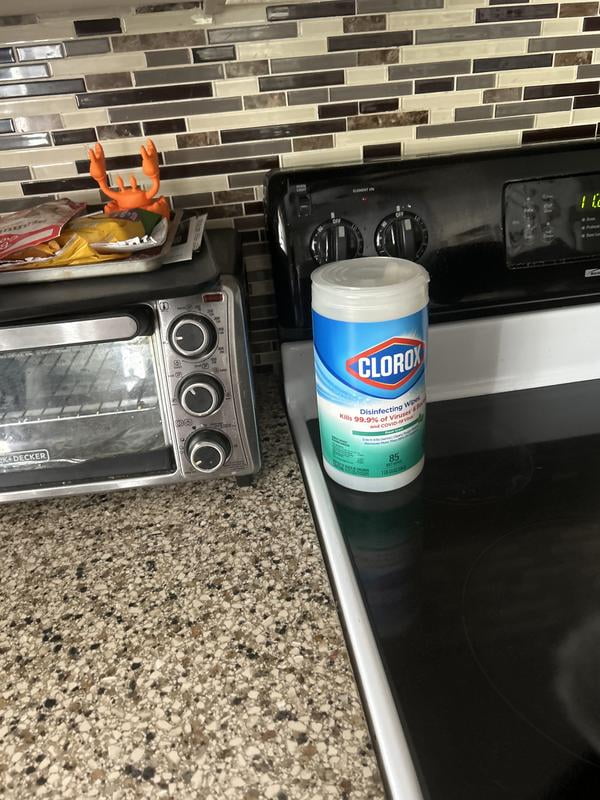
Credit: www.walmart.com
Alternatives To Clorox Wipes
Choosing the right cleaning product for your kitchen counters matters. Some prefer to avoid Clorox wipes due to allergies, surface concerns, or scent preferences. Several alternatives offer effective cleaning without harsh chemicals. These options can keep your kitchen fresh and safe.
Natural Cleaning Options
Natural cleaners use simple ingredients. They are gentle on surfaces and the environment. Common natural options include:
- White vinegar mixed with water. Great for cutting grease.
- Baking soda paste. Effective for scrubbing stains.
- Lemon juice. It acts as a natural disinfectant and deodorizer.
- Essential oils like tea tree or lavender. They add antibacterial properties and a fresh scent.
These options work well on many kitchen surfaces. They reduce exposure to synthetic chemicals. Safe and affordable for everyday use.
Other Commercial Cleaners
Many brands offer wipes and sprays made for kitchen use. Look for products labeled safe for food prep areas. Ingredients vary but often include:
- Quaternary ammonium compounds. Effective against bacteria and viruses.
- Hydrogen peroxide. Known for killing germs without strong fumes.
- Plant-based formulas. Less harsh and biodegradable.
Always check the label for surface compatibility. Test new products on a small area first. These cleaners provide quick, convenient solutions for busy kitchens.
Maintaining Kitchen Counter Hygiene
Clorox wipes can effectively clean and disinfect kitchen counters. Make sure the surface is suitable for bleach-based products to avoid damage. Always follow the instructions on the label for safe use.
Maintaining a clean and hygienic kitchen counter is essential for a healthy cooking environment. The kitchen counter is a high-traffic area where food prep happens, making it a hotspot for germs and bacteria. Regular cleaning not only enhances the appearance but also ensures that you and your family are protected from foodborne illnesses.
Daily Cleaning Tips
Clorox wipes can be your best friend for quick daily clean-ups. They effectively kill germs and are easy to use. Just grab a wipe, and in a few swipes, your counter is clean and sanitized. Consider keeping a container of these wipes handy in your kitchen. This makes it easy to wipe down surfaces immediately after cooking. It’s a small habit that can make a big difference in maintaining kitchen hygiene.
Preventing Damage To Counters
While Clorox wipes are great for cleanliness, they can be harsh on certain countertop materials. If you have natural stone counters, like granite or marble, using these wipes regularly might cause damage. Instead, opt for a mild soap and water solution for daily cleaning of these surfaces. Always dry the counters thoroughly to prevent water spots and maintain their sheen. Make sure to read the cleaning guidelines provided by your countertop manufacturer. This can save you from costly repairs and keep your kitchen looking pristine.
Frequently Asked Questions
Can Clorox Wipes Damage Kitchen Countertops?
Clorox Wipes are safe for most countertops but can damage natural stone. Always test on a small area first. Avoid using on unsealed granite, marble, or wood to prevent surface damage.
Are Clorox Wipes Effective Against Kitchen Germs?
Yes, Clorox Wipes kill 99. 9% of common kitchen germs. They disinfect surfaces quickly, reducing bacteria and viruses, making your kitchen safer and cleaner.
How Often Should I Use Clorox Wipes On Counters?
Use Clorox Wipes daily or after food preparation. Regular use helps maintain cleanliness and reduces the risk of contamination on kitchen surfaces.
Can I Use Clorox Wipes On Food Prep Areas?
Yes, Clorox Wipes are safe for food prep surfaces when used as directed. Wipe thoroughly and allow the surface to air dry before food contact.
Conclusion
Clorox wipes can clean kitchen counters safely if used properly. Always check the label for surface compatibility. Avoid using wipes on unsealed wood or delicate materials. Wipe the surface gently and let it air dry. Using these wipes helps keep your kitchen germ-free.
Remember to store wipes away from children and heat. Clean counters make cooking safer and more pleasant. Simple steps keep your kitchen fresh and healthy every day.