
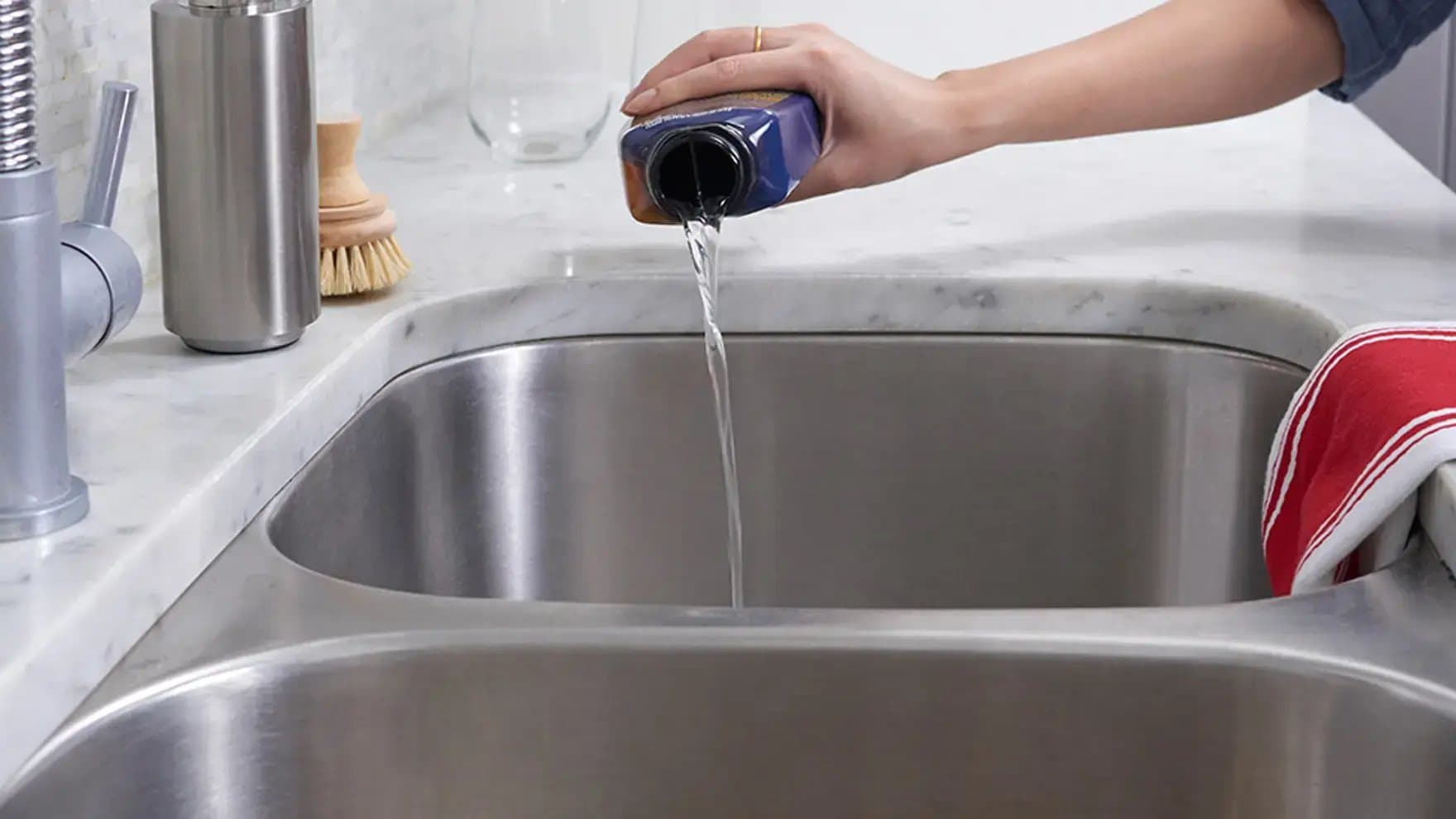
Have you ever stood at your kitchen sink, watching water drain slowly and wondered, "Can I use drain cleaner to fix this?" It’s frustrating when your sink clogs, and you want a quick, easy solution.
But before you pour that chemical cleaner down the drain, there are important things you need to know. Using the wrong product or method could make the problem worse or damage your pipes. You’ll discover when it’s safe to use drain cleaners, which types work best, and what alternatives you should consider.
Keep reading to protect your kitchen and get your sink flowing smoothly again.
Types Of Drain Cleaners
Choosing the right drain cleaner for your kitchen sink matters more than you might think. Different types of cleaners work in various ways, and knowing these can help you avoid damage to your pipes or harmful chemical exposure. Let’s break down the main types so you can decide what fits your situation best.
Chemical Cleaners
Chemical cleaners use strong acids or alkalis to dissolve clogs quickly. They work fast, which is why many people reach for them when facing stubborn blockages. However, these cleaners can be harsh on your pipes and dangerous if not handled carefully.
If you’ve ever poured one down your drain, you know the intense fumes and the need to ventilate the area well. Think twice before using these if you have older plumbing or if you’re concerned about the environment.
Enzyme-based Cleaners
Enzyme-based cleaners rely on natural enzymes and bacteria to break down organic material like grease and food waste. They take longer to work than chemical options but are much safer for your pipes and septic systems. If you prefer a gentler solution that prevents future buildup, these might be your best bet.
One time, I switched to enzyme cleaners after noticing frequent slow drains. The results weren’t immediate, but over a few days, my sink flowed much better without any harsh smells or risks.
Natural Alternatives
Natural alternatives use household items like baking soda, vinegar, and hot water to clear minor clogs. They are the safest choice but often less effective for tough blockages. These methods are great for regular maintenance and smaller issues you catch early.
Have you tried mixing baking soda and vinegar in your drain? It creates a fizzy reaction that can loosen grime. This simple trick might save you a costly plumber visit if used regularly.
Risks Of Using Drain Cleaners In Kitchen Sinks
Using drain cleaner in kitchen sinks can damage pipes and harm the environment. Harsh chemicals may also cause skin burns or respiratory issues. Safer alternatives are often better for clearing clogs without risks.
Using drain cleaners in your kitchen sink might seem like a quick fix for clogs, but it's important to consider the risks involved. While these chemical solutions promise to clear blockages, they can also cause significant harm to your plumbing, your health, and the environment. Let's delve into these potential risks to help you make informed decisions about maintaining your kitchen sink.
Damage To Pipes
Drain cleaners often contain harsh chemicals that can erode your pipes over time. If your plumbing consists of older metal pipes, these chemicals can accelerate corrosion, leading to leaks and costly repairs. Even PVC pipes aren't immune. The heat generated by chemical reactions can warp these plastic pipes, compromising their integrity. Would you rather deal with a stubborn clog or a burst pipe?
Health Hazards
The fumes from drain cleaners can pose serious health risks. Inhaling these toxic vapors may cause respiratory issues, skin irritation, or even more severe reactions, especially if you have asthma or allergies. Accidental contact with the skin or eyes can also result in burns or irritation. Always consider safer, natural alternatives to protect your health and that of your family.
Environmental Impact
When you pour drain cleaner down your sink, you're not just affecting your home; you're impacting the environment. These chemicals can end up in the water supply, harming aquatic life and contaminating ecosystems. By choosing eco-friendly drain cleaning methods, you contribute to a healthier planet. Isn't it worth exploring green alternatives that keep both your sink and the environment safe?
Safe Usage Tips
Using drain cleaner in your kitchen sink can be a quick fix for clogs, but it requires careful handling to avoid damage to your pipes or health risks. Knowing how to apply these products safely ensures you clear the blockage without creating new problems. Here are some essential tips for using drain cleaners effectively and safely.
Proper Application
Always read the instructions on the drain cleaner label before use. Pour the cleaner slowly and directly into the drain to avoid splashing. Avoid mixing different types of drain cleaners, as chemical reactions can be dangerous.
After adding the cleaner, allow it to sit for the recommended time to work effectively. Rinse the drain thoroughly with hot water afterward to flush out residues. Using a funnel can help you pour the cleaner more precisely, reducing contact with your skin.
Frequency Of Use
How often you use drain cleaner matters. Frequent use can erode your pipes, especially if they are older or made of metal. Consider using drain cleaner only when absolutely necessary, such as when slow drainage becomes noticeable.
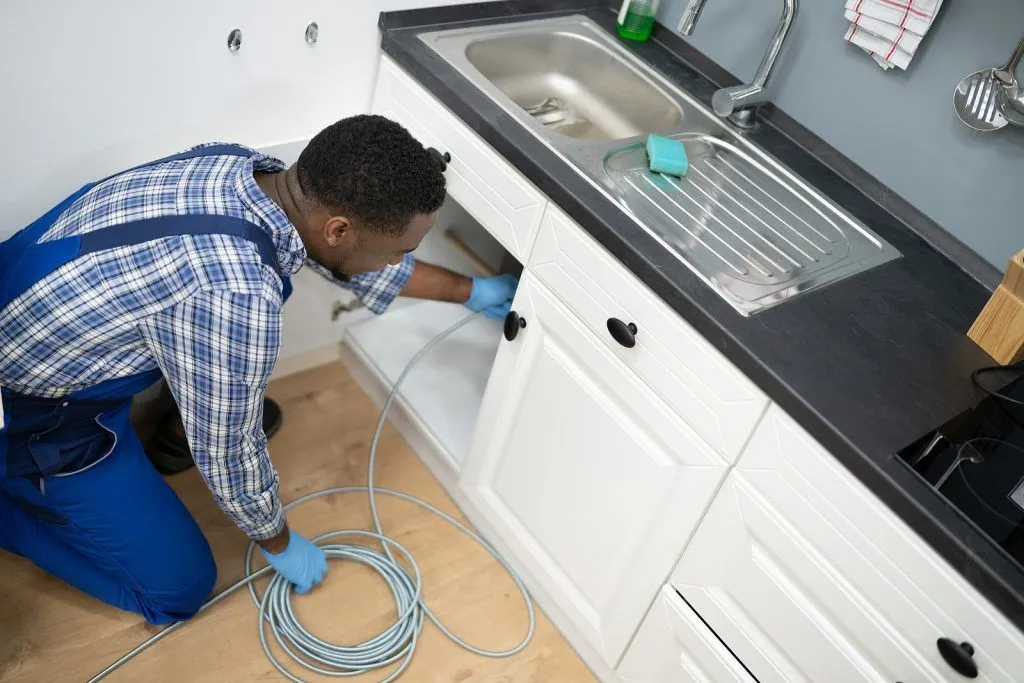
For routine maintenance, alternatives like baking soda and vinegar or a plumber’s snake might be safer. Ask yourself if a chemical cleaner is the best first option or if mechanical cleaning could solve the problem without harming your plumbing.
Precautions To Take
Protect yourself by wearing gloves and eye protection when handling drain cleaners. These chemicals can cause burns or irritation if they come into contact with your skin or eyes. Never leave the container open and store it out of reach of children and pets.
If you notice any strong chemical smells or discomfort while using the cleaner, ventilate the area well. Avoid using drain cleaners after a recent mechanical attempt to clear the drain, as mixing methods can cause splashing or chemical reactions.
Credit: www.allamericanpha.com
When To Avoid Drain Cleaners
Using a drain cleaner might seem like a quick fix when your kitchen sink starts to drain slowly. However, there are certain situations where pouring chemicals down the drain can cause more harm than good. Knowing when to avoid drain cleaners can save you from costly repairs and frustration.
Severe Clogs
If your sink is completely blocked and water isn’t draining at all, a chemical cleaner might not be enough. Severe clogs often require physical removal with a plumber’s snake or professional help. Using harsh chemicals on a stubborn clog can sometimes make the blockage harder to clear.
Think about the last time you tried to fix a serious clog yourself—did the cleaner work, or did you end up calling a plumber? If the clog feels solid or you’ve tried multiple products without success, it’s better to avoid drain cleaners altogether.
Old Or Fragile Plumbing
Older pipes, especially those made from metal or brittle materials, can be damaged by the strong chemicals in drain cleaners. These substances can cause corrosion or weaken pipes, leading to leaks or bursts. If your home has aging plumbing, it’s safer to skip the chemical cleaners.
Instead, try using natural alternatives like baking soda and vinegar, or call a professional who can assess the condition of your pipes. Would you risk damaging your plumbing just to save a few dollars on a cleaner?
Presence Of Garbage Disposals
Many kitchen sinks have garbage disposals that can be harmed by chemical drain cleaners. These cleaners can damage the disposal’s blades and internal components, reducing its lifespan. If your sink has a garbage disposal, avoid using harsh chemicals to clear clogs.
Instead, try running cold water and using a disposal-safe cleaner or a manual cleaning method. Have you checked your disposal’s manual to see what cleaning methods are recommended? Ignoring this could lead to a broken disposal and an expensive repair.
Alternative Methods To Clear Kitchen Drains
Clearing a clogged kitchen drain does not always need harsh chemicals. Some simple, safe methods work well to remove blockages. These alternatives protect your pipes and the environment. They often save money and avoid damage caused by strong drain cleaners. Try these easy solutions before using chemical products.
Manual Removal
Start by removing visible debris from the drain opening. Use gloves to pull out food scraps, grease, or hair. A wire hanger can help reach deeper blockages. Carefully insert it into the drain and twist to catch buildup. Remove the debris slowly to avoid pushing it further down. This method clears many common clogs fast and without chemicals.
Using A Plunger
A plunger creates pressure to push or pull clogs free. Fill the sink with enough water to cover the plunger cup. Place the plunger firmly over the drain. Push down and pull up quickly several times. The suction and pressure can loosen blockages. Repeat until water flows freely. Avoid harsh plunging to prevent damage to pipes.
Boiling Water And Baking Soda
Pour boiling water down the drain to melt grease and soap buildup. Next, add half a cup of baking soda into the drain. Let it sit for 10-15 minutes to break down residue. Follow with another pot of boiling water to flush everything away. This natural method is safe for all pipes and helps keep drains fresh.
:max_bytes(150000):strip_icc()/SPR-why-you-should-never-use-baking-soda-and-vinegar-to-unclog-a-drain-8778242-04-b8b62e09cdf346b2b518932e28287d15-2e295bf98be3404fb37ab5c4db04e5fd.jpg)
Credit: www.thespruce.com
Expert Advice On Maintaining Clear Drains
Keeping your kitchen sink drains clear is essential to avoid clogs and unpleasant odors. Understanding expert advice on maintaining clear drains can save you time, money, and frustration. Let’s look at practical ways you can keep your drains flowing smoothly every day.
Regular Cleaning Habits
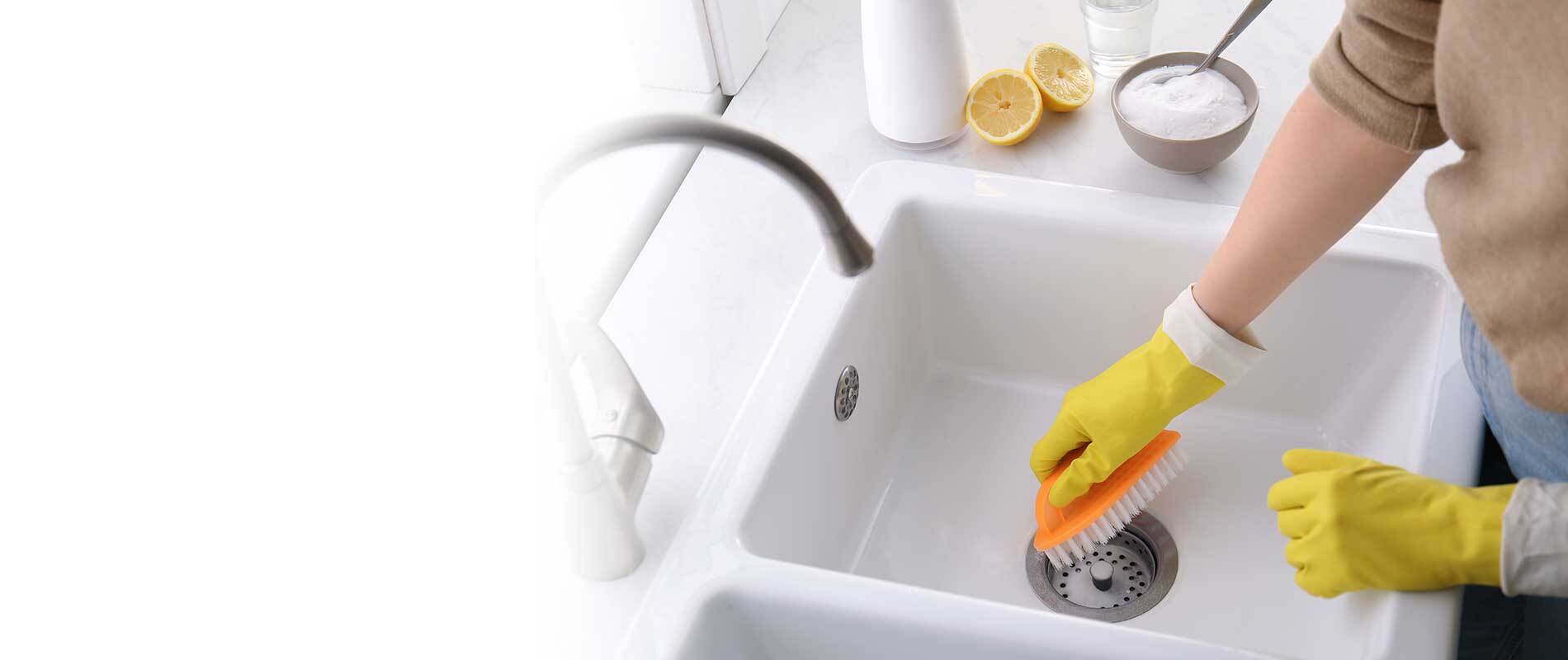
Simple habits can make a big difference in drain health. Rinse your sink with hot water after every use to wash away grease and food particles. You can also use a mixture of baking soda and vinegar once a week to naturally break down buildup without harsh chemicals.
Have you tried wiping down the sink edges and drain area regularly? This prevents grime from settling and entering the pipes. Small actions like these can keep your drains clear for longer.
Preventing Food Waste Build-up
Food waste is a common cause of clogged kitchen sinks. Avoid putting coffee grounds, eggshells, or fibrous vegetables down the drain. Instead, collect scraps in a compost bin or trash can.
Using a drain strainer can catch bits of food before they enter the pipes. This simple tool often gets overlooked but works wonders in reducing blockages. What’s your current method for handling food scraps in the sink?
Scheduling Professional Inspections
Even with good habits, pipes can develop hidden issues over time. Booking a professional inspection once a year can spot early signs of corrosion or buildup. Experts use specialized cameras and tools to check what you can’t see.
Think of inspections as preventive care for your plumbing system. Catching problems early saves you from costly repairs later. Have you considered scheduling a checkup before a minor drain issue turns major?
Credit: yuvaap.com
Frequently Asked Questions
Can I Use Chemical Drain Cleaners In My Kitchen Sink?
Yes, you can use chemical drain cleaners in the kitchen sink. However, use them sparingly to avoid pipe damage. Follow the product instructions carefully for safe and effective clog removal.
Are Drain Cleaners Safe For Kitchen Sink Pipes?
Most drain cleaners are safe for metal and PVC kitchen pipes when used correctly. Avoid frequent use to prevent pipe corrosion or damage over time.
What Alternatives Exist To Chemical Drain Cleaners?
Alternatives include baking soda with vinegar, boiling water, or a plunger. These methods are safer and eco-friendly for clearing minor kitchen sink clogs.
How Often Should I Use Drain Cleaners In Kitchen Sinks?
Limit drain cleaner use to occasional clogs only. Frequent use can weaken pipes and harm plumbing systems in your kitchen sink.
Conclusion
Using drain cleaner in your kitchen sink can clear clogs quickly. Still, these chemicals can harm pipes and the environment. Try natural methods first, like baking soda and vinegar. Avoid using drain cleaner too often to protect your plumbing. Small problems may need a plumber’s help instead.
Keep your sink clear by avoiding grease and food scraps down the drain. Safe habits prevent blockages and costly repairs. Choose the best way to keep your kitchen sink flowing smoothly.