
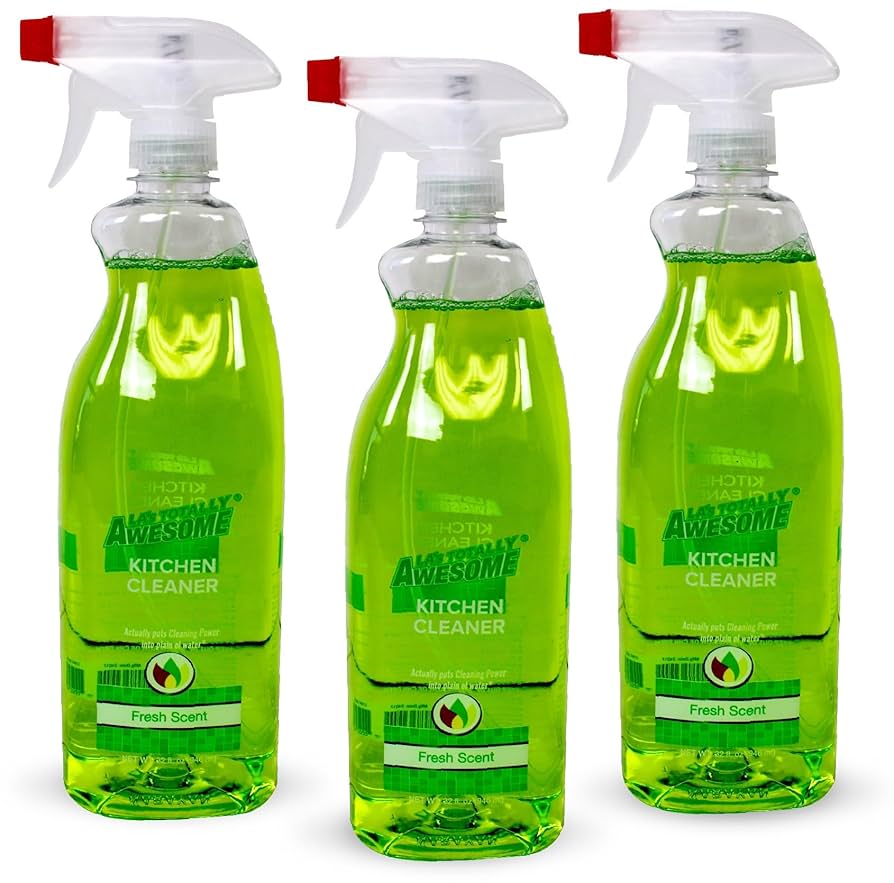
Have you ever stood in your bathroom, wondering if that kitchen cleaner under the sink could tackle your bathroom mess too? It’s tempting to use one product for everything, especially when you want quick and easy cleaning.
But before you grab that bottle, there are important things you need to know. Using the wrong cleaner can damage your surfaces or leave behind harmful residues. Keep reading to find out if kitchen cleaner is safe for your bathroom and how to clean effectively without risking your health or home.
Your bathroom deserves the right care—and we’re here to help you give it just that.

Credit: www.amazon.com
Kitchen Cleaner Ingredients
Understanding the ingredients in kitchen cleaners helps you decide if they are safe to use in your bathroom. These cleaners often contain powerful chemicals designed to tackle grease and food residues, but what do these ingredients really do? Knowing their purpose can guide you in choosing the right cleaner for different areas of your home.
Common Chemicals In Kitchen Cleaners
- Surfactants:These break down grease and oils, making it easier to wipe away food spills.
- Acids:Ingredients like citric acid or sulfamic acid help dissolve mineral deposits and stains.
- Alkaline agents:Such as sodium hydroxide, these remove tough grime and baked-on food.
- Bleaching agents:Often chlorine-based, they sanitize surfaces and remove stains.
- Fragrances:Added to leave a fresh scent after cleaning.
How These Ingredients Work
Surfactants reduce surface tension between water and grease, allowing grime to lift off easily. This is why kitchen cleaners are great for greasy stovetops but might be too harsh for bathroom surfaces like natural stone.
Acids in kitchen cleaners target hard water stains and rust, which can also appear in bathrooms. However, strong acids might damage delicate bathroom fixtures or finishes.
Alkaline agents attack organic matter and tough residues, ideal for ovens but potentially corrosive to bathroom caulking or paint. Bleaching agents sanitize by killing bacteria and viruses, but overuse can cause discoloration.
Next time you reach for a kitchen cleaner to tackle your bathroom grime, think about what’s inside the bottle. Could these chemicals harm your bathroom surfaces? What risks are you willing to take for convenience?
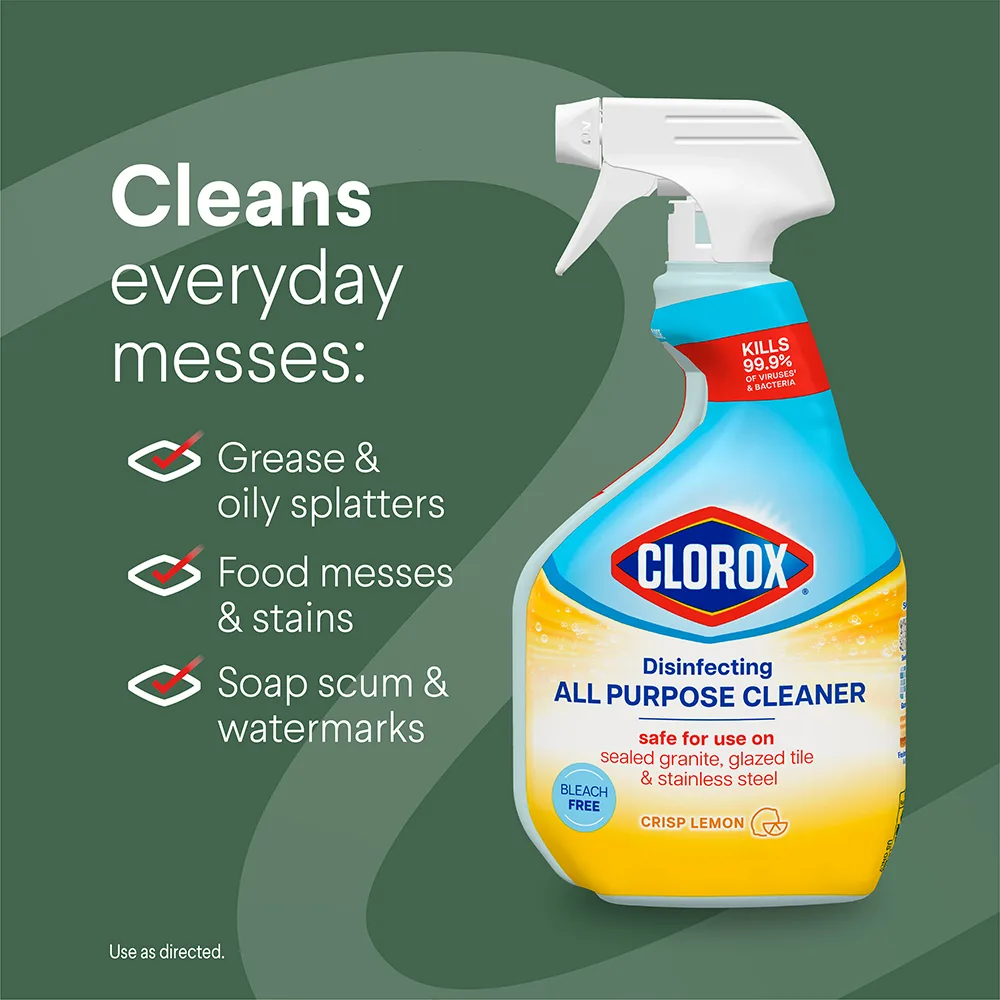
Credit: www.clorox.com
Bathroom Surfaces And Materials
Understanding the different bathroom surfaces and materials is key before deciding if you can use kitchen cleaner in your bathroom. Each surface has unique qualities and reacts differently to cleaning products. Knowing these differences helps protect your fixtures and keeps your bathroom looking its best.
Types Of Bathroom Surfaces
Bathrooms typically have a variety of surfaces, including:
- Ceramic and Porcelain Tiles:Common on walls and floors, these are durable and water-resistant.
- Glass:Found in shower doors and mirrors, glass needs gentle cleaning to avoid streaks and scratches.
- Natural Stone:Marble, granite, or travertine add elegance but are porous and sensitive to acidic cleaners.
- Plastic and Acrylic:Used in bathtubs and shower enclosures, these can scratch easily and require mild cleaners.
- Metal Fixtures:Faucets and handles, often chrome or stainless steel, need cleaners that prevent tarnishing.
Knowing your bathroom's surface materials helps you pick the right cleaner. Have you ever noticed how some cleaners leave spots or dull finishes? That’s often because they’re not suited for the material.
Surface Sensitivity To Cleaners
Not all surfaces tolerate kitchen cleaners well. For example, many kitchen cleaners contain acids or abrasives that can damage natural stone or acrylic surfaces.
Glass and metal might handle kitchen cleaners better, but harsh chemicals can cause streaks or corrosion over time. Some ceramic tiles have a protective glaze, but abrasive cleaners can wear it down.
Ask yourself: Does the cleaner specify it’s safe for your bathroom materials? If not, it’s safer to use a product designed for bathroom surfaces. Trying to save time by using one cleaner everywhere could end up costing you more in repairs or replacements.
Safety Concerns
Using kitchen cleaner in the bathroom can cause skin or eye irritation due to different chemicals. Bathroom surfaces may need gentler, specific cleaners to avoid damage. Always check product labels to ensure safety and proper use.
Safety concerns are paramount when considering using a kitchen cleaner in your bathroom. While it might seem convenient to use one product for multiple purposes, it's essential to understand the potential risks involved. Not all cleaners are created equal, and what works wonders on your kitchen counters might not be safe for your bathroom surfaces.
Potential Chemical Reactions
Mixing chemicals can lead to dangerous reactions. Some kitchen cleaners contain ammonia, which can react with bleach found in many bathroom cleaners, releasing toxic gases. Always read the labels to avoid combining incompatible substances.
Health Risks And Precautions
Using the wrong cleaner can harm your health. Inhaling fumes from mixed chemicals can cause respiratory issues or skin irritation. Ensure adequate ventilation and wear gloves when using strong cleaners. Are you willing to risk your well-being for the sake of convenience? It's crucial to prioritize safety over shortcuts. Always choose the right product for each cleaning task.
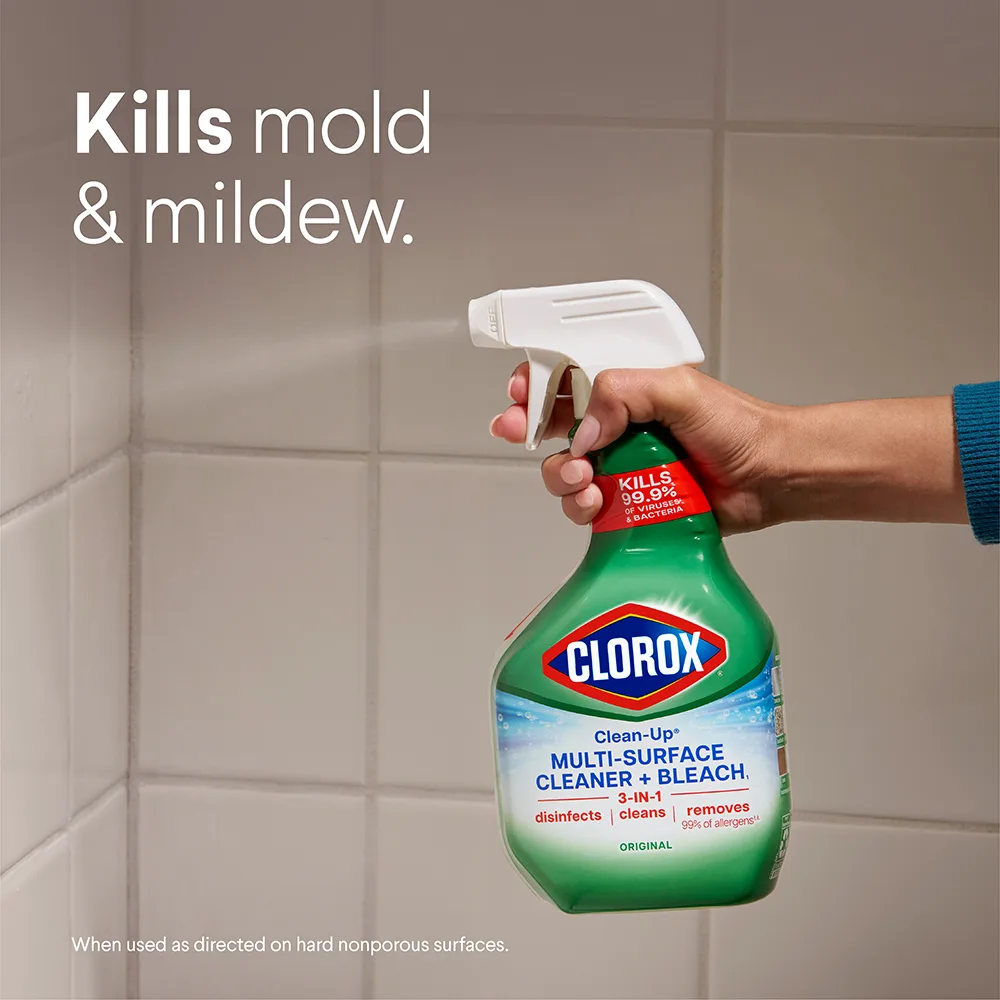
Credit: www.clorox.com
Effectiveness On Bathroom Dirt
Wondering if your kitchen cleaner can tackle bathroom grime? Understanding how well these products handle bathroom dirt helps you decide if switching cleaners is worth it. Bathroom messes can be stubborn, so knowing what types of stains you're dealing with is the first step.
Types Of Bathroom Stains
Bathroom stains vary widely, and each type demands different cleaning power. Common stains include:
- Soap scum:A filmy residue from soap and hard water, often sticking to tubs and tiles.
- Mold and mildew:Dark patches thriving in moist corners and grout lines.
- Hard water stains:Mineral deposits that leave white or yellowish marks on fixtures.
- Body oils and dirt:Found on sinks, countertops, and mirrors, often mixed with dust.
Each stain type has its unique texture and chemical makeup, so not all cleaners react the same way.
How Kitchen Cleaners Perform
Kitchen cleaners often target grease, food residues, and baked-on grime. They usually contain strong degreasers and surfactants.
This makes them effective against oily messes but less suited for bathroom-specific stains like soap scum or mold. For example, a kitchen cleaner might struggle to dissolve mineral deposits or kill mold spores.
Using a kitchen cleaner in the bathroom might clean some dirt, but it could leave behind stubborn residues or fail to disinfect properly. Have you noticed your bathroom still feels slippery or looks dull after using kitchen products? That’s a sign they aren’t fully effective on bathroom dirt.
Expert Cleaning Tips
Expert cleaning tips help you keep both kitchen and bathroom surfaces spotless. Using the right products and methods protects your surfaces and health. Learn which cleaners fit best and how to apply them correctly.
Choosing The Right Cleaner
Kitchen cleaners often target grease and food stains. Bathroom cleaners usually focus on soap scum and mold. Using a kitchen cleaner in the bathroom may not remove bathroom grime effectively.
Check product labels for ingredients and usage areas. Some cleaners contain bleach or acids that can harm bathroom tiles or fixtures. Choose a cleaner designed for the specific surface you want to clean.
- Pick non-abrasive cleaners for delicate surfaces.
- Use mold and mildew removers for bathroom walls and grout.
- Always test a small area before full application.
Proper Cleaning Techniques
Apply cleaner according to instructions. Use a soft cloth or sponge to avoid scratches. Let the cleaner sit for a few minutes to break down dirt.
Scrub gently in circular motions. Rinse thoroughly with water to remove residue. Dry surfaces with a clean towel to prevent water spots and mold growth.
- Wear gloves to protect your skin.
- Ventilate the room to reduce fumes.
- Clean regularly to avoid buildup.
Alternative Bathroom Cleaners
Using the right cleaner keeps your bathroom fresh and safe. Kitchen cleaners might not suit bathroom surfaces. Different areas need different care. Here are some alternative bathroom cleaners that work well without causing harm.
Natural Cleaning Options
Natural cleaners are gentle and eco-friendly. They remove stains and kill germs without harsh chemicals. Common natural options include:
- White vinegar – great for removing soap scum and mildew.
- Baking soda – works well on tough stains and deodorizes.
- Lemon juice – naturally brightens surfaces and cuts grease.
- Castile soap – mild and effective for various cleaning tasks.
Mixing these ingredients can create powerful homemade cleaners. They are safe for tiles, glass, and sinks.
Commercial Bathroom Cleaners
Commercial cleaners are made specifically for bathroom surfaces. They target mold, soap scum, and hard water stains. Popular types include:
- Disinfectant sprays – kill bacteria and viruses quickly.
- Bathroom foams – cling to surfaces and clean deeply.
- Toilet bowl cleaners – remove tough stains and odors.
- Glass cleaners – leave mirrors and shower doors streak-free.
Always read labels to ensure suitability for your bathroom. Follow instructions for safe and effective use.
When To Avoid Kitchen Cleaners
Knowing when to avoid kitchen cleaners in your bathroom is crucial for keeping your surfaces safe and looking their best. Not every cleaner is made for every surface, and using the wrong product can lead to damage that might cost you time and money to fix.
Think about the surfaces you’re treating. Are they delicate or prone to damage? Your choice of cleaner should protect these surfaces, not harm them.
Surfaces To Protect
Bathrooms often have materials like natural stone, ceramic tiles with delicate grout, and acrylic tubs that can react poorly to harsh kitchen cleaners.
- Natural Stone:Marble and granite can dull or etch if exposed to acidic or abrasive kitchen cleaners.
- Grout Lines:Strong chemicals might erode grout, leading to discoloration or crumbling.
- Acrylic and Porcelain:Some kitchen cleaners contain abrasives that can scratch or dull these surfaces.
If you’re not sure about a surface, test the cleaner on a small hidden area first. Have you ever rushed and ruined a countertop or tile because you didn’t test first?
Signs Of Damage
Keep an eye out for early signs that your cleaner might be too harsh for your bathroom surfaces.
- Discoloration:Fading or yellowing of tiles or fixtures often means the cleaner is too strong.
- Surface Etching:Dull or rough patches on stone or metal can be a sign of chemical damage.
- Cracking or Flaking:Grout or painted surfaces that chip or peel may react badly to kitchen cleaners.
Noticing any of these signs? It’s time to switch to a bathroom-specific cleaner. Have you checked your bathroom surfaces lately to catch damage early?
Frequently Asked Questions
Can Kitchen Cleaner Be Safely Used In Bathrooms?
Kitchen cleaners can be used in bathrooms, but check the label first. Some contain harsh chemicals that may damage bathroom surfaces or finishes. Use cleaners designed for bathroom materials to avoid damage and ensure effective cleaning.
What Are The Risks Of Using Kitchen Cleaner In Bathrooms?
Using kitchen cleaner in bathrooms may cause surface damage or discoloration. Some kitchen cleaners lack mold and mildew-fighting agents needed for bathrooms. Always test a small area first and opt for bathroom-specific cleaners when possible.
Does Kitchen Cleaner Remove Bathroom Mold And Mildew Effectively?
Most kitchen cleaners do not target mold and mildew as bathroom cleaners do. Bathrooms require products with antifungal agents to prevent mold growth. For effective mold removal, use cleaners formulated specifically for bathroom use.
Can Kitchen Cleaner Harm Bathroom Fixtures?
Yes, some kitchen cleaners contain abrasive ingredients that can scratch or dull bathroom fixtures. Avoid cleaners with bleach or strong acids on delicate surfaces like chrome or porcelain to keep fixtures looking new.
Conclusion
Using kitchen cleaner in the bathroom is not always safe. Some cleaners have strong chemicals that harm bathroom surfaces. Always check the label before using any cleaner. Bathroom cleaners are made for specific grime and germs. Using the wrong cleaner can cause damage or leave residue.
Stick to products designed for bathroom use to keep things clean and safe. Remember, cleaning well means using the right product for each space. This helps protect your home and your health. Choose wisely, clean smart, and keep every room fresh.