
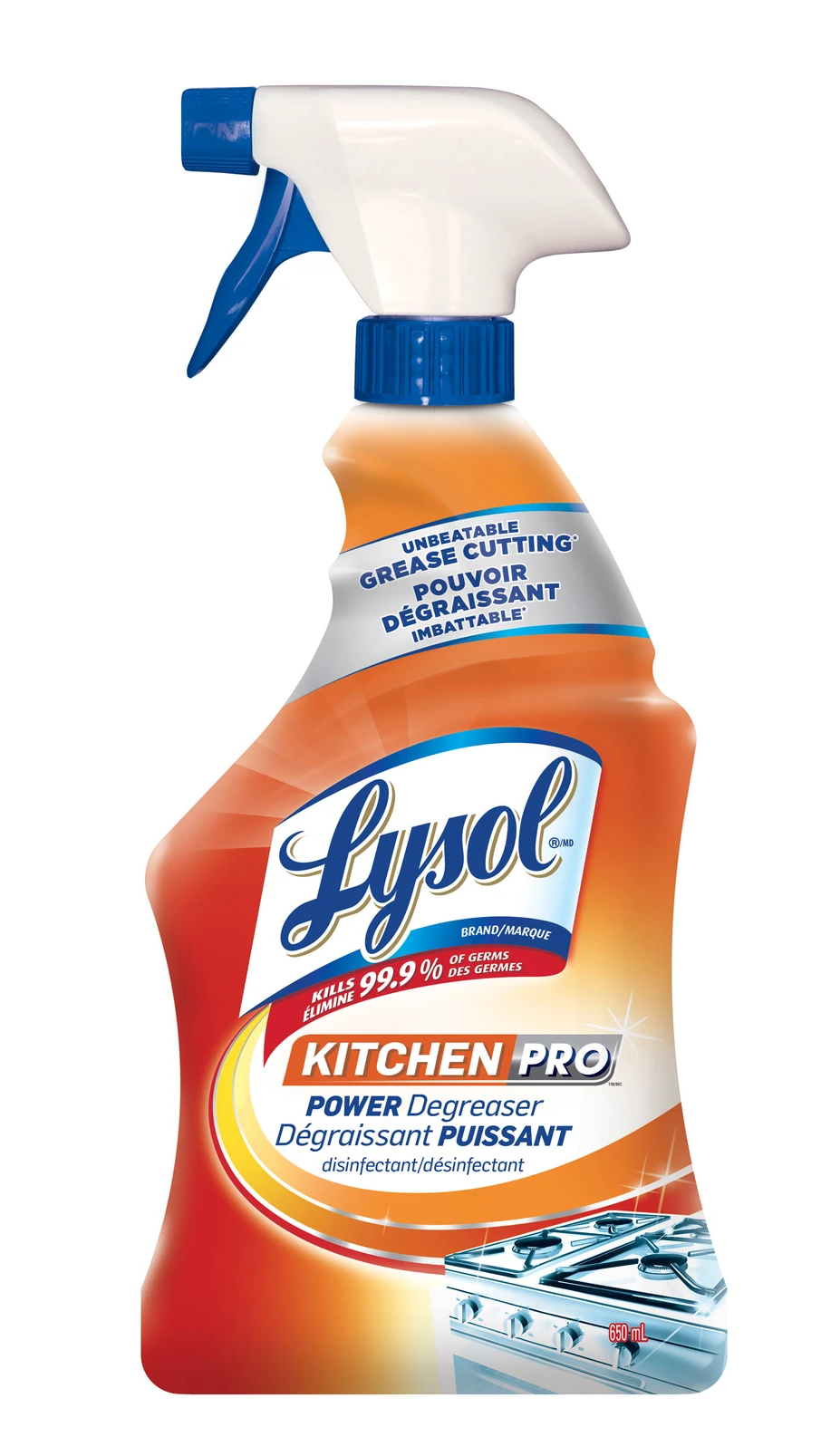
Are you wondering if you can use Lysol Bathroom Cleaner in your kitchen? It’s a common question because keeping your kitchen clean is important, but you want to make sure you’re using the right product.
Using the wrong cleaner could harm your surfaces or even affect your food safety. You’ll discover whether Lysol Bathroom Cleaner is safe and effective for your kitchen needs. Keep reading to find out how to protect your home and keep every corner sparkling clean.
Lysol Bathroom Cleaner Ingredients
Understanding the ingredients in Lysol Bathroom Cleaner is key before deciding if it’s suitable for your kitchen. Each component plays a specific role in targeting bathroom grime, but not all may be ideal around food preparation areas. Let’s break down what’s inside this cleaner and what it means for your kitchen surfaces.
Lysol Bathroom Cleaner Active Ingredients
The active ingredients are what make Lysol effective against tough bathroom stains and germs. Commonly, it contains hydrogen peroxideand surfactants, which help break down soap scum and kill bacteria.
Hydrogen peroxide acts as a disinfectant, while surfactants lift dirt and grease. These ingredients are powerful but may leave residues that you wouldn’t want near food.
Other Chemical Components
Besides the active agents, Lysol Bathroom Cleaner contains fragrances, stabilizers, and sometimes acidslike citric acidto boost cleaning power.
Fragrances can cause allergic reactions or irritate sensitive skin, which is worth considering if you’re using it in the kitchen. The acids help remove mineral deposits but can be harsh on certain surfaces like natural stone countertops.
Safety Considerations For Kitchen Use
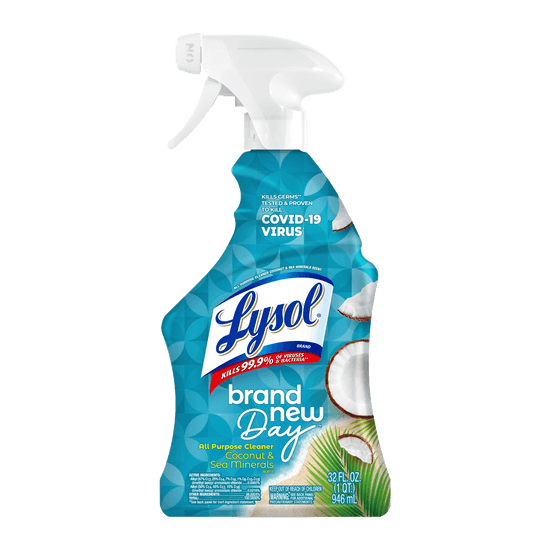
Given its ingredients, Lysol Bathroom Cleaner is designed for non-food areas. If you use it in the kitchen, you must rinse the surface thoroughly to avoid chemical residues.
Ask yourself: Are you willing to spend extra time rinsing to ensure safety? Sometimes, using a cleaner specifically made for kitchen use might be a smarter choice.
Credit: www.lysol.com
Effectiveness On Kitchen Surfaces
Lysol Bathroom Cleaner is designed to fight tough grime and bacteria. It works well on hard surfaces found in bathrooms. But can it clean kitchen surfaces effectively? Kitchen surfaces need strong cleaners too, but they also require safety and gentleness on food-contact areas.
Understanding how Lysol Bathroom Cleaner performs on kitchen counters, sinks, and appliances helps you decide if it fits your cleaning routine. Let’s explore its effectiveness on common kitchen surfaces.
Effectiveness On Kitchen Countertops
Lysol Bathroom Cleaner removes grease, dirt, and bacteria from countertops. It kills many germs that cause illness. However, some countertops like granite or marble may react to its chemicals. Test a small hidden area first to avoid damage.
Use On Kitchen Sinks
The cleaner works well on stainless steel and porcelain sinks. It removes stains and kills germs quickly. Avoid using it on natural stone sinks. Rinse thoroughly after cleaning to keep surfaces safe for food preparation.
Cleaning Kitchen Appliances
It cleans the exterior of microwaves, refrigerators, and ovens effectively. The cleaner cuts through grease and grime easily. Do not spray directly on electronic parts or inside appliances. Wipe with a damp cloth after cleaning.
Safety And Food Contact Surfaces
Lysol Bathroom Cleaner is strong but not made for direct food contact. Always rinse surfaces well after use. This ensures no chemical residue remains on cutting boards or dining areas.
Potential Risks Of Cross-use
Using Lysol Bathroom Cleaner in the kitchen might seem convenient. Yet, it carries potential risks. Understanding these risks can help ensure safety and health in your home. Let's explore the possible dangers of cross-use.
Chemical Residue Concerns
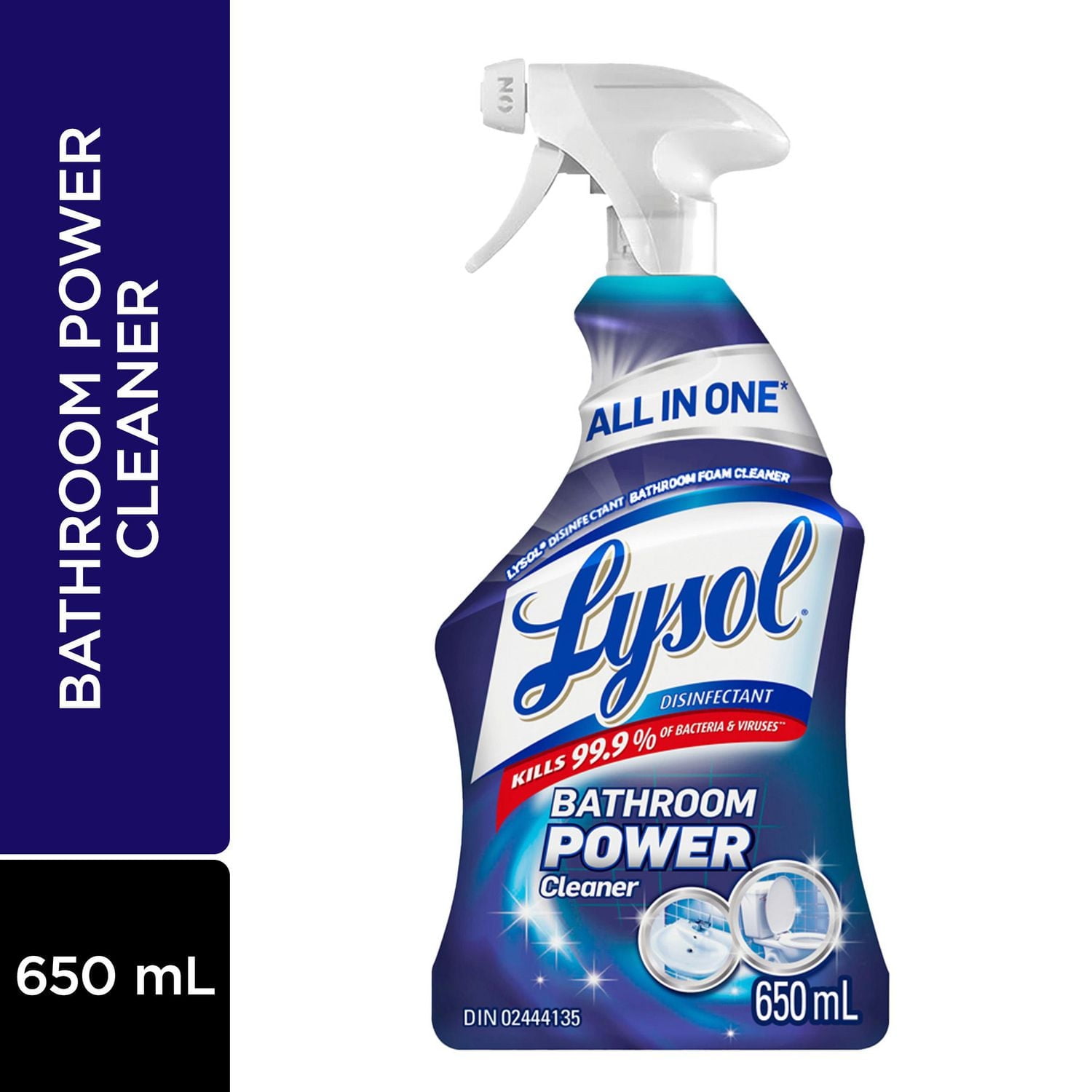
Bathroom cleaners contain strong chemicals. These chemicals are designed to tackle tough stains and germs in bathrooms. Using them in the kitchen might leave harmful residues. These residues can linger on surfaces where food is prepared. This poses a risk of contamination. It’s crucial to avoid chemical residues on kitchen counters. Especially where food is directly handled or consumed.
Allergen And Sensitivity Issues
Some people have sensitivities to strong chemical scents. These scents can trigger allergies or respiratory issues. Using bathroom cleaner in the kitchen can spread these scents. This can affect those with allergies or asthma. It’s essential to consider the health of everyone in the household. Choosing products designed for the kitchen can help minimize these risks.
Credit: www.walmart.ca
Safe Cleaning Alternatives For Kitchen
Choosing the right cleaner for your kitchen is more important than you might think. Harsh chemicals can leave residues that affect your food and health. It’s smart to opt for safer, effective alternatives that keep your kitchen spotless without the risks.
Natural Vinegar And Baking Soda Solution
Vinegar and baking soda create a powerful cleaning duo. Vinegar cuts through grease and grime, while baking soda adds gentle scrubbing power. Mix them to tackle countertops, sinks, and even stovetops safely.
Have you noticed how this combo leaves surfaces fresh without a chemical smell? Plus, both ingredients are affordable and easy to find, making this a kitchen staple worth trying.
Castile Soap For Gentle Yet Effective Cleaning
Castile soap is a plant-based cleaner that’s gentle on surfaces and skin. It works well for dishes, counters, and floors. Dilute it with water and add a few drops of your favorite essential oil for a pleasant scent.
Using Castile soap reminded me how often harsh cleaners cause irritation. Switching to this made cleaning a more pleasant, safer task—something you might appreciate too.
Isopropyl Alcohol For Quick Disinfection
If you want a quick disinfectant, isopropyl alcohol is a great choice. It evaporates fast, leaving no residue behind. Use it on cutting boards or handles to kill germs efficiently.
Just be careful with surfaces that aren’t alcohol-safe, like some plastics or wood. Have you tested it on a small area first to avoid surprises?
Microfiber Cloths For Chemical-free Cleaning
Microfiber cloths clean effectively with just water, reducing the need for sprays or chemicals. Their fibers trap dirt and bacteria, making them a smart tool for daily kitchen maintenance.
After switching to microfiber, I noticed less dust and fewer cleaning products cluttering my shelves. Isn’t it great when simplicity saves time and space?
Hydrogen Peroxide As A Safe Disinfectant
Hydrogen peroxide offers strong disinfecting power without harsh chemicals. It’s ideal for wiping down surfaces and cutting boards. Just spray, wait a few minutes, and wipe clean.
Remember to store it in a dark bottle to maintain its effectiveness. Have you tried this alternative yet to reduce your reliance on chemical cleaners?
Proper Usage And Storage Tips
Using Lysol Bathroom Cleaner in your kitchen requires careful attention to how you use and store it. Proper usage and storage help keep your home safe and your surfaces clean without risking health or damage. Let’s look at practical tips to ensure you handle this powerful cleaner correctly.
Avoiding Cross-contamination
Keep bathroom cleaners like Lysol separate from kitchen cleaning supplies to avoid mixing chemicals or contaminating food areas. Use dedicated cloths or sponges for bathroom cleaning only, and never switch them to kitchen surfaces. This habit prevents germs and residues from spreading where you prepare food.
Have you ever grabbed a towel from the bathroom and used it to wipe kitchen counters? That small action can transfer bacteria easily. Label your cleaning tools clearly and store them in different spots to help you remember which is which.
Ventilation And Protective Measures
Always use Lysol Bathroom Cleaner in a well-ventilated area to avoid inhaling strong fumes. Open windows or switch on exhaust fans before spraying. If you have sensitive skin or respiratory issues, wear gloves and consider a mask for extra protection.
Think about the last time you cleaned without gloves—did your skin feel dry or irritated afterward? Protective gear isn’t just about safety; it also keeps you comfortable during cleaning sessions. Store the cleaner in a cool, dry place away from direct sunlight and out of children’s reach to maintain its effectiveness and safety.
When To Choose Specialized Cleaners
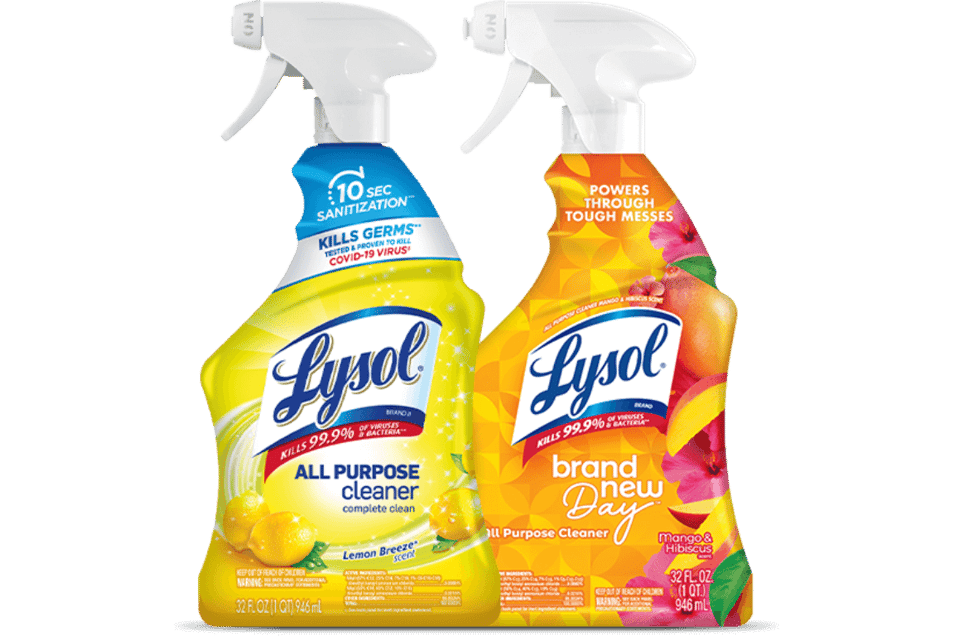
Choosing the right cleaner for your kitchen or bathroom is more important than you might think. Using a product designed specifically for the surface or mess you’re dealing with can save you time and avoid damage. Sometimes, a general cleaner like Lysol Bathroom Cleaner might not be the best fit for kitchen tasks.
Understanding Surface Sensitivity
Kitchen surfaces vary widely—from granite countertops to stainless steel appliances. Some materials react poorly to strong chemicals found in bathroom cleaners. If you’ve ever noticed streaks or dullness after cleaning, it could be due to using a cleaner not meant for that surface.
Ask yourself: Is your kitchen surface delicate or porous? Specialized cleaners are formulated to protect these surfaces while effectively cleaning them.
Targeting Specific Kitchen Messes
Grease, food stains, and sticky residues need a cleaner made to break down oils and organic matter. Bathroom cleaners focus on soap scum and hard water stains, which aren’t common in kitchens.
Think about the mess you’re tackling. If your cleaner can’t cut through grease quickly, you’ll end up scrubbing more and wasting effort.
Health And Safety Considerations
Kitchen cleaners often have ingredients that are safer around food contact areas. Bathroom cleaners might contain chemicals that you wouldn’t want lingering where you prepare meals.
Have you ever worried about harmful residues on your cutting boards or counters? Choosing the right cleaner can give you peace of mind about food safety.
When To Reach For A Kitchen-specific Cleaner
- Your kitchen surfaces are natural stone, wood, or stainless steel.
- You’re dealing with greasy or oily stains.
- You want to avoid strong chemical residues around food prep areas.
- You notice a cleaner leaves streaks or dullness on your surfaces.
Using the right cleaner doesn’t just improve cleanliness—it protects your kitchen’s lifespan and your health. Have you tried switching cleaners and noticed a big difference? It might be time to test specialized products tailored for your kitchen.
Credit: www.lysol.com
Frequently Asked Questions
Can Lysol Bathroom Cleaner Be Used On Kitchen Surfaces?
Lysol Bathroom Cleaner is formulated for bathroom grime and germs. It is not ideal for kitchen surfaces where food is prepared. Use kitchen-safe cleaners to avoid harmful chemical residues and ensure food safety.
Is Lysol Bathroom Cleaner Safe Around Food Areas?
No, Lysol Bathroom Cleaner contains chemicals that may leave residues unsafe for food contact areas. Always use cleaners labeled safe for kitchens to protect your health and prevent contamination.
What Are The Risks Of Using Bathroom Cleaner In The Kitchen?
Using bathroom cleaner in the kitchen can lead to chemical contamination of food. It may cause allergic reactions or poisoning if ingested. Stick to kitchen-specific cleaners to ensure safety and hygiene.
Can Lysol Bathroom Cleaner Disinfect Kitchen Countertops?
While Lysol Bathroom Cleaner kills many bacteria, it’s not designed for kitchen use. For food prep areas, use disinfectants approved for kitchens to ensure safe and effective cleaning.
Conclusion
Lysol Bathroom Cleaner is strong and designed for bathroom use. It may leave harmful residues on kitchen surfaces. Using kitchen-specific cleaners is safer for food areas. Cleaners made for kitchens protect your health better. Always read labels to know where to use a product.
Safety matters most when cleaning places where you cook. Choosing the right cleaner keeps your kitchen clean and safe. Simple steps help avoid risks and keep your home healthy.