
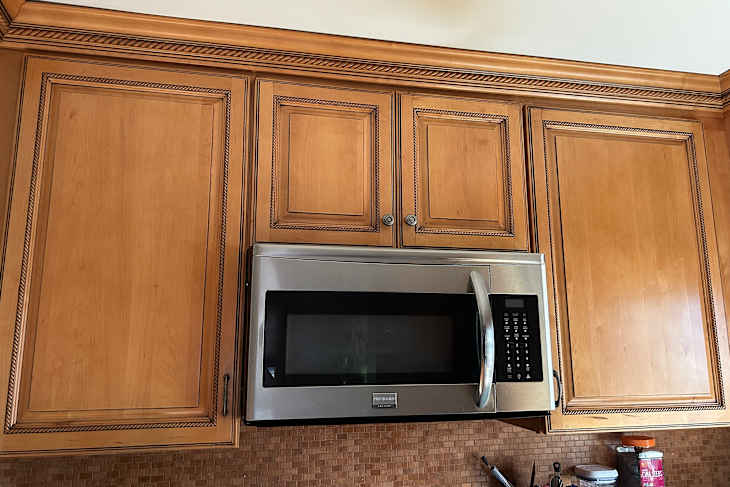
Are you wondering if Murphy Oil Soap is safe and effective for cleaning your kitchen cabinets? You want your cabinets to look fresh and clean without risking damage or leaving sticky residue.
Choosing the right cleaner can be confusing, especially with so many options out there. You’ll discover exactly how Murphy Oil Soap works on kitchen cabinets, what benefits it offers, and important tips to keep your cabinets shining like new. Keep reading to make the best choice for your kitchen and avoid common cleaning mistakes.
Murphy Oil Soap Basics
Understanding the basics of Murphy Oil Soap can help you decide if it’s the right choice for cleaning your kitchen cabinets. This product has gained popularity for its gentle yet effective cleaning power. Knowing what it is, what it contains, and how safe it is will guide you to make an informed decision for your home care.
What Is Murphy Oil Soap
Murphy Oil Soap is a liquid cleaner designed primarily for wood surfaces. It’s known for removing dirt and grime without stripping away natural oils. Many homeowners trust it because it cleans gently and leaves wood looking refreshed.
Have you ever struggled with harsh cleaners that leave your cabinets feeling dry or damaged? Murphy Oil Soap offers an alternative that maintains the wood’s natural look and feel.
Key Ingredients
The main components of Murphy Oil Soap include natural oils and mild detergents. These ingredients work together to break down dirt while conditioning the wood.
- Potassium fatty acid soap – the cleaning agent derived from natural fats
- Water – acts as a solvent to dissolve grime
- Fragrance – gives a pleasant scent without overpowering
Because it uses these simple ingredients, Murphy Oil Soap is less likely to cause damage compared to harsher chemical cleaners.
Safety Considerations
Using Murphy Oil Soap on kitchen cabinets is generally safe, but there are some things to keep in mind. Always dilute the soap according to the instructions to avoid buildup or residue.
Test a small, hidden area first to see how your cabinets react, especially if they have a special finish or paint. Remember, not all wood finishes respond the same, so a quick patch test can save you from unintended damage.
Are you curious if this soap can replace your current cabinet cleaner? Understanding these safety tips helps you avoid common mistakes and keeps your kitchen looking its best.
Kitchen Cabinet Materials
Understanding the materials of your kitchen cabinets is essential before deciding if Murphy Oil Soap is the right cleaner. Different surfaces react differently to cleaning products. Knowing what your cabinets are made of helps you protect their finish and maintain their look.
Wood Types
Solid wood cabinets are common and come in many varieties like oak, maple, and cherry. Murphy Oil Soap works well on these because it gently cleans without stripping natural oils. However, avoid over-wetting the wood, as too much moisture can cause damage over time.
Have you noticed how some wood cabinets look dull after cleaning? That might be from using harsh products. Murphy Oil Soap can help bring back the natural shine without harming the wood.
Laminate And Veneer
Laminate cabinets have a thin plastic layer, while veneer is a thin slice of real wood glued over a base. These surfaces are more sensitive to strong cleaners. Murphy Oil Soap is usually safe, but test a small spot first to be sure it won’t leave a residue or damage the finish.
Cleaning laminate or veneer requires a delicate touch. If you’ve ever seen bubbling or peeling on your cabinets, it might be from using the wrong soap. Using a mild cleaner like Murphy Oil Soap can help preserve their look.
Painted Surfaces
Painted cabinets need special care because harsh chemicals can strip paint or cause discoloration. Murphy Oil Soap is gentle enough for many painted finishes, but always dilute it and test a hidden area first. Avoid scrubbing too hard to keep the paint intact.
Have you experienced paint chipping after cleaning? It’s frustrating, but often avoidable. Choosing the right cleaner and method, like using Murphy Oil Soap sparingly, can keep your painted cabinets looking fresh longer.
Using Murphy Oil Soap On Cabinets
Using Murphy Oil Soap on your kitchen cabinets can be a gentle and effective way to keep them clean and well-maintained. This soap is known for its ability to clean wood surfaces without stripping away natural oils, which helps preserve the finish. But how should you use it properly to get the best results?
Dilution And Application
Always dilute Murphy Oil Soap with warm water before applying it to your cabinets. A common ratio is about 1 tablespoon of soap to 1 gallon of water. This ensures the solution is gentle enough to clean without causing damage.
Use a soft cloth or sponge dipped in the solution to wipe down your cabinets. Avoid soaking the wood, as too much moisture can harm the finish and wood underneath. After cleaning, wipe the cabinets with a dry cloth to remove any leftover moisture.
Cleaning Techniques
Start by dusting your cabinets to remove loose dirt and crumbs. Then, use the Murphy Oil Soap solution with gentle, circular motions to clean the surfaces. Focus on areas with grease buildup or fingerprints but don’t scrub too hard.
For stubborn spots, apply the soap solution directly and let it sit for a minute before wiping it off. This approach helps lift grime without damaging the wood. Remember, a light touch often works better than aggressive scrubbing.
Frequency Of Use
How often should you clean your cabinets with Murphy Oil Soap? It depends on your kitchen’s usage and environment. For most households, cleaning every 2 to 4 weeks is enough to keep cabinets looking fresh without over-washing.
If you cook frequently or notice grease buildup, you might need to clean more often. Just be careful not to overuse the soap, as even gentle cleaners can wear down finishes if applied too frequently. What’s your current cabinet cleaning routine, and could a switch to Murphy Oil Soap make it easier?

Credit: www.walmart.ca
Benefits For Kitchen Cabinets
Murphy Oil Soap is a trusted cleaning product for many homes. It offers significant benefits for kitchen cabinets, keeping them clean and well-maintained. Its gentle formula is perfect for preserving the beauty of your cabinets without causing harm.
Gentle Cleaning
Murphy Oil Soap cleans without harsh chemicals. It's ideal for delicate surfaces. The formula ensures no scratches or damage occur. This makes it safe for wooden kitchen cabinets. The soap’s gentle nature maintains the cabinet's natural look.
Preserving Finish
This soap helps preserve the cabinet's finish. It provides a protective layer. Regular use maintains the shine and luster. The cabinets look new and fresh. It enhances the longevity of the cabinet surface.
Removing Grease And Grime
Kitchen cabinets often get greasy. Murphy Oil Soap effectively cuts through grease. It removes grime with ease. The soap leaves no sticky residue. This ensures a clean, fresh kitchen environment. It makes kitchen maintenance simpler and more efficient.
Potential Risks And Precautions
Using Murphy Oil Soap on kitchen cabinets can clean them well. Still, it carries some risks that need attention. Knowing these risks helps keep cabinets safe and looking good. Taking precautions avoids damage and unwanted effects on your wood surfaces.
Avoiding Damage
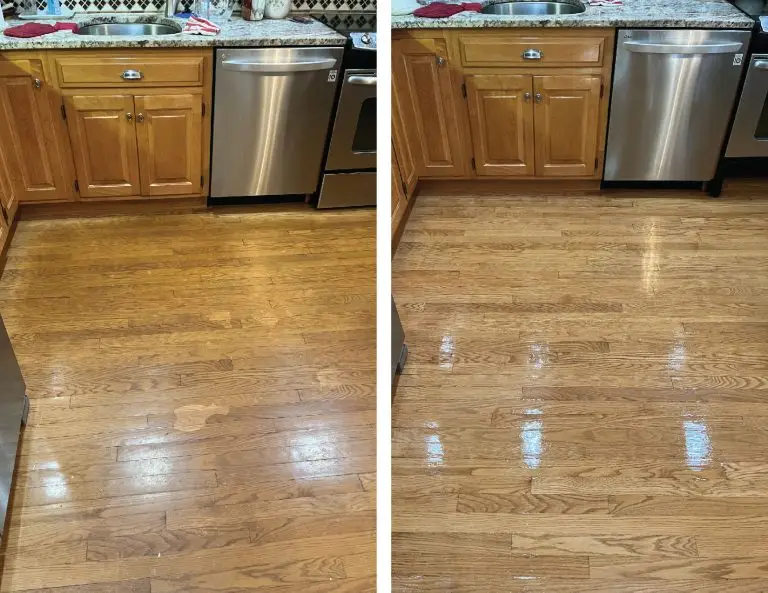
Murphy Oil Soap is gentle but can harm some finishes. Avoid using too much soap or scrubbing hard. Excess moisture can cause wood to swell or warp. Use a soft cloth and wipe cabinets dry after cleaning. Do not let soap sit on the surface too long.
Spot Testing
Test the soap on a small hidden area before full use. This shows how your cabinet finish reacts to the soap. Wait a few minutes after testing to check for changes. Look for discoloration, dullness, or sticky residue. Skip Murphy Oil Soap if any damage appears.
Alternatives For Sensitive Surfaces
Some cabinets have delicate finishes that Murphy Oil Soap may harm. Use mild dish soap with water for safer cleaning. A mix of vinegar and water can also clean gently. Choose products labeled safe for wood or sensitive surfaces. Always rinse well and dry to protect the finish.
Credit: recoatrevolution.com
Tips For Maintaining Cabinets
Maintaining kitchen cabinets keeps them looking fresh and lasting longer. Simple care routines prevent damage and preserve their shine. Using gentle cleaners like Murphy Oil Soap helps clean without harm. Follow these tips to maintain your cabinets effectively.
Regular Dusting
Dust cabinets often to avoid buildup. Use a soft, dry cloth or microfiber duster. Light dusting prevents dirt from settling into the wood. Regular dusting keeps surfaces smooth and clean.
Dealing With Stains
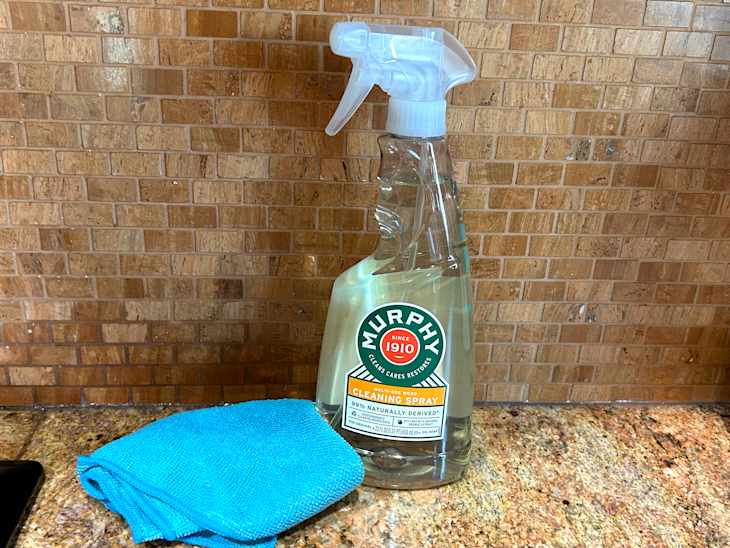
For stains, apply Murphy Oil Soap diluted with water. Use a soft cloth to gently wipe the area. Avoid harsh scrubbing to protect the finish. Dry the spot after cleaning to prevent moisture damage.
Protective Coatings
Apply a protective coating to guard against spills and scratches. Use wax or a clear sealant suitable for wood. Reapply coatings every few months for best results. Protective layers extend cabinet life and maintain shine.
Credit: www.thekitchn.com
Frequently Asked Questions
Can Murphy Oil Soap Clean Kitchen Cabinets Safely?
Yes, Murphy Oil Soap is safe for most kitchen cabinets. It gently removes dirt and grime without damaging wood finishes or paint. Always test on a small area first to ensure compatibility with your cabinet surface.
How Do I Use Murphy Oil Soap On Cabinets?
Dilute Murphy Oil Soap with water according to the label instructions. Use a soft cloth or sponge to wipe cabinets gently. Avoid soaking wood to prevent damage and always dry surfaces thoroughly after cleaning.
Does Murphy Oil Soap Remove Grease From Cabinets?
Murphy Oil Soap effectively cuts through light grease on kitchen cabinets. For heavy grease, pre-treat with a degreaser before using the soap. It cleans without harsh chemicals, preserving your cabinet’s finish.
Can I Use Murphy Oil Soap On Painted Kitchen Cabinets?
Yes, Murphy Oil Soap is safe for painted cabinets. It cleans without stripping paint or causing discoloration. Test a small hidden spot first to ensure the paint stays intact.
Conclusion
Murphy Oil Soap works well for cleaning many wood surfaces. It is gentle and helps remove dirt without damage. Always test a small area first to avoid surprises. Use a soft cloth and avoid soaking the wood. Regular cleaning keeps kitchen cabinets looking fresh and neat.
This soap offers a simple, safe choice for cabinet care. Try it carefully and enjoy cleaner, brighter cabinets every day.