
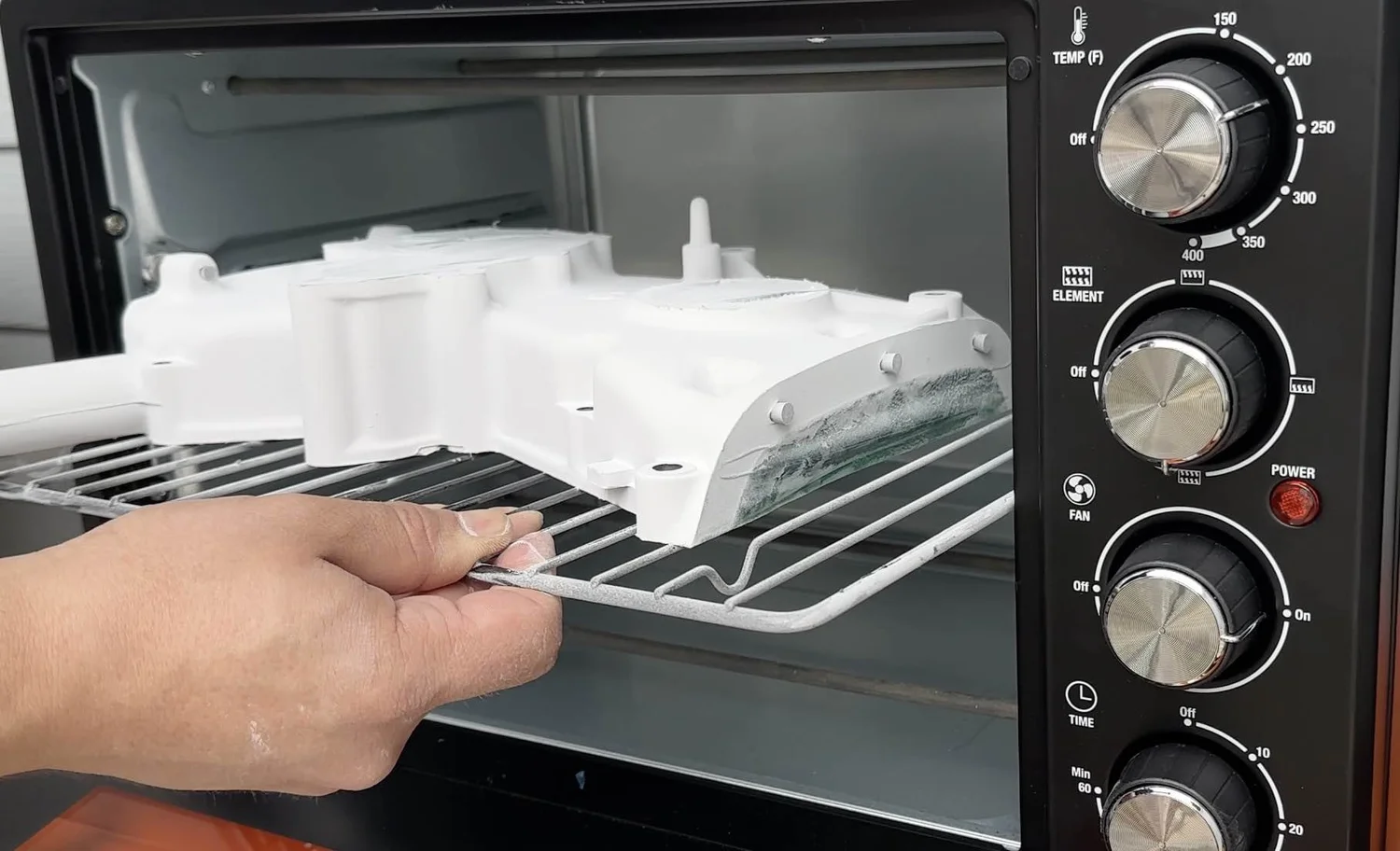
Can I Use My Kitchen Oven for Powder Coating? Have you ever wondered if your kitchen oven could double as a tool for powder coating? It sounds convenient and cost-saving, right?
Before you start, it’s important to know the risks and what really works. Using your oven for powder coating isn’t as simple as it seems, and making the wrong move could damage your oven or ruin your project. You’ll discover whether your kitchen oven is up to the task and what you need to consider to get the best results safely.
Keep reading to find out how to protect your home and create a perfect powder-coated finish.

Credit: www.allaboutthebuild.com
Powder Coating Basics
Understanding the basics of powder coating is essential before deciding if your kitchen oven can handle this task. Powder coating is more than just a colorful finish; it’s a durable, protective layer that requires specific conditions to apply correctly. Let’s break down what powder coating involves and why it’s popular for many uses.
What Is Powder Coating
Powder coating is a dry finishing process where fine powder particles are applied to a surface. These powders are usually made from polymers and pigments that melt and fuse when heated.
The process involves spraying the powder onto a metal object using an electrostatic gun. After application, the object is heated, causing the powder to melt and form a smooth, tough coating.
Have you ever wondered why this coating feels so solid and resistant? It’s because the heat causes a chemical reaction called curing, which binds the powder firmly to the surface.
Common Uses And Benefits
Powder coating is widely used in automotive parts, home appliances, outdoor furniture, and even bicycle frames. Its popularity comes from the combination of durability and aesthetics it offers.
- Durability:Powder coating resists scratches, chipping, and fading better than traditional paint.
- Environmentally Friendly:It releases fewer volatile organic compounds (VOCs), making it safer for you and the environment.
- Variety:You can get a range of colors and textures, from glossy to matte finishes.
Have you ever thought about how a bike frame withstands rough weather without rusting? Powder coating plays a huge role in that protection. Knowing these basics helps you decide if your kitchen oven’s environment fits the needs of proper powder coating.

Credit: www.ebay.com
Oven Requirements For Powder Coating
Using your kitchen oven for powder coating might seem like a handy solution, but there are specific oven requirements you need to consider before you start. The success of powder coating depends heavily on precise temperature control and proper ventilation. Understanding these factors can save you time, money, and even a potential mess in your kitchen.
Temperature Range Needed
Powder coating typically requires curing temperatures between 350°F and 400°F (175°C to 205°C). Your oven must maintain a steady temperature within this range to ensure the powder melts and bonds properly to the surface. If the temperature is too low, the coating won’t cure fully, leading to a rough or uneven finish. Too high, and you risk burning the powder, which creates a brittle, cracked surface.
Most kitchen ovens can reach these temperatures, but they often fluctuate. Have you checked if your oven has a reliable thermostat? Using an external oven thermometer can help you monitor actual temperatures. This small step can make a big difference in your powder coating results.
Size And Ventilation Considerations
Size matters when it comes to oven space for powder coating. You need enough room to place your parts without crowding, allowing heat to circulate evenly around every piece. Overcrowding can cause uneven curing and weak spots in the coating.
Ventilation is equally important. Kitchen ovens are not designed to vent the fumes produced by powder coating powders. These fumes can be harmful and might contaminate your food later. Do you have a way to safely vent or filter the air during the curing process? Without proper ventilation, using a kitchen oven could pose health risks and damage your appliance.
- Consider a dedicated powder coating oven or a convection oven designed for crafts.
- Think about installing an exhaust fan or using the oven in a well-ventilated garage.
- Keep in mind that powders can leave residues that are tough to clean.
Ultimately, while your kitchen oven might technically hit the temperature, size and ventilation are critical factors that often rule it out for safe and effective powder coating.
Kitchen Oven Limitations
Using a kitchen oven for powder coating comes with several limitations. These issues can affect the quality and safety of your coating project. Understanding these limitations ensures you make informed decisions.
Temperature Accuracy And Control
Kitchen ovens struggle with precise temperature control. Powder coating needs consistent heat levels for best results. Most kitchen ovens have a wide temperature variance. This inconsistency can lead to uneven coatings or incomplete curing. A dedicated powder coating oven offers better temperature stability.
Safety Concerns
Using a kitchen oven for powder coating poses safety risks. Powder particles can ignite if exposed to open flames or sparks. Kitchen ovens are not designed for such materials. This increases the risk of fire. Moreover, powder coating chemicals can be harmful if inhaled. Proper ventilation is crucial but often lacking in regular kitchens.
Odor And Contamination Risks
Powder coating in a kitchen oven can produce strong odors. These smells can linger and affect food cooked later. There's also a risk of contamination. Powder particles can settle on surfaces and food items. This makes the kitchen unsuitable for cooking after use. A dedicated space for powder coating is advisable to avoid these issues.
Alternatives To Kitchen Ovens
If you’ve wondered whether your kitchen oven can handle powder coating, you’re not alone. Many hobbyists and small business owners start there, only to find limitations in temperature control, size, and safety. Luckily, there are better alternatives designed specifically for powder coating, giving you more reliable results without risking your kitchen appliances.
Industrial Powder Coating Ovens
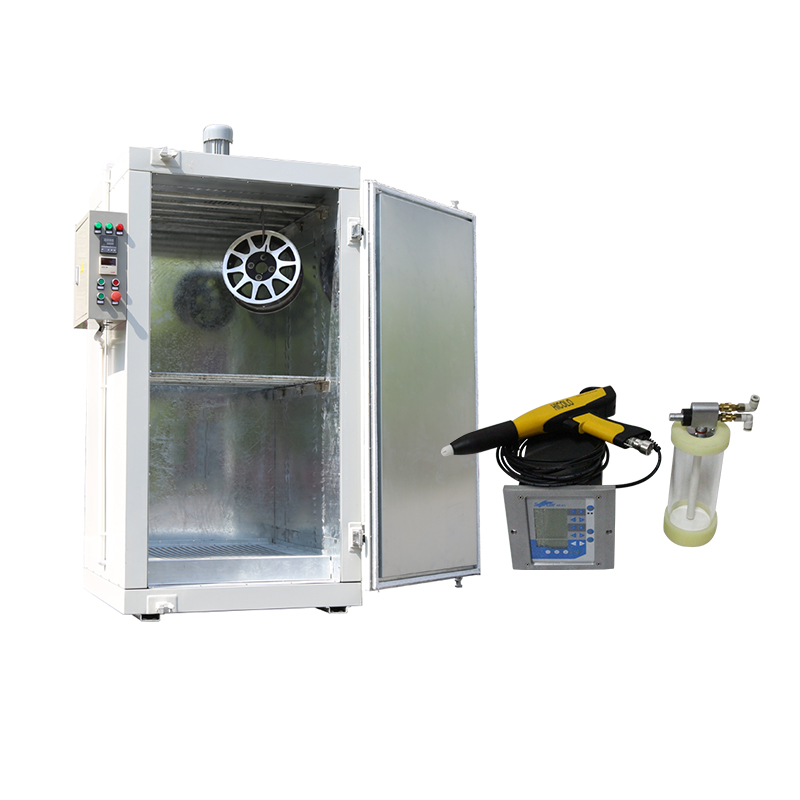
Industrial powder coating ovens offer precise temperature control and uniform heat distribution. These ovens are designed to cure powder coatings efficiently and consistently, making them ideal for larger or more frequent projects.
They come in various sizes, from small benchtop units to large walk-in chambers. Investing in one means you can coat metal parts without worrying about uneven curing or overheating, which can happen in a kitchen oven.
Have you considered how much time you might save by using a machine built for this purpose? Industrial ovens often feature programmable settings, so you can set the exact temperature and duration, then focus on prepping your pieces instead of babysitting the oven.
Diy Powder Coating Setups
If an industrial oven feels out of reach, a DIY setup can be a good middle ground. Some enthusiasts build their own powder coating ovens using modified electric ovens or heat lamps in well-ventilated spaces.
For instance, a small toaster oven dedicated solely to powder coating can work if you monitor the temperature carefully with a reliable thermometer. Make sure to avoid using any appliance that also prepares food, as powder coating involves chemicals and residues that shouldn’t mix with your kitchenware.
Would you be willing to invest time in creating a controlled, safe environment for powder coating at home? A DIY setup requires patience and attention to safety, but it can deliver professional-level results without the high cost of industrial equipment.
Expert Tips For Safe Powder Coating
Expert tips for safe powder coating help protect your home and health. Safety is vital when using a kitchen oven for powder coating. Follow key guidelines to avoid damage or hazards.
Protecting Your Kitchen Equipment
Never use your main kitchen oven for powder coating. Powder particles and heat can damage oven components. Use a separate, dedicated oven instead. Keep powder coating areas clean and free from food. Avoid cross-contamination by thoroughly cleaning tools and surfaces. Use heat-resistant gloves and tools to handle coated items safely.
Proper Ventilation And Safety Gear
Work in a well-ventilated space to avoid fumes and dust. Open windows or use fans to improve air flow. Wear a mask designed for fine particles to protect your lungs. Safety goggles shield your eyes from powder dust and chemicals. Long sleeves and gloves protect your skin from irritation. Always keep a fire extinguisher nearby for emergencies.
Credit: www.colopowdercoating.com
Frequently Asked Questions
Can I Safely Use My Kitchen Oven For Powder Coating?
No, using a kitchen oven for powder coating is unsafe. Powder coating releases fumes and requires high, consistent temperatures not suitable for food ovens. This risks contamination and damage. It's best to use a dedicated oven designed for powder coating to ensure safety and quality results.
What Temperature Is Needed For Powder Coating Curing?
Powder coating typically requires curing temperatures between 350°F to 400°F (175°C to 200°C). This high heat ensures the powder melts and bonds properly to the surface. Kitchen ovens may not maintain consistent temperatures required for proper curing, affecting the finish quality.
Will Powder Coating Affect The Taste Of Food Cooked Later?
Yes, powder coating residues can contaminate food. Kitchen ovens absorb powder particles and fumes, posing health risks. Using a separate, dedicated oven for powder coating prevents food contamination and ensures your cooking appliances remain safe and hygienic.
Can I Use A Toaster Oven For Powder Coating Small Items?
No, toaster ovens are generally too small and lack precise temperature control for powder coating. They may not reach the necessary curing temperature or maintain it evenly, leading to poor finishes. A proper curing oven is recommended for best results.
Conclusion
Using a kitchen oven for powder coating is not safe or effective. Kitchen ovens lack proper temperature control and ventilation. Powder coating needs high, steady heat and special equipment. Using a kitchen oven can damage both the oven and your project.
It also risks harmful fumes mixing with food odors. For best results, use an oven made for powder coating. This keeps you safe and ensures a smooth, lasting finish. Always choose the right tools to protect your health and work quality.