
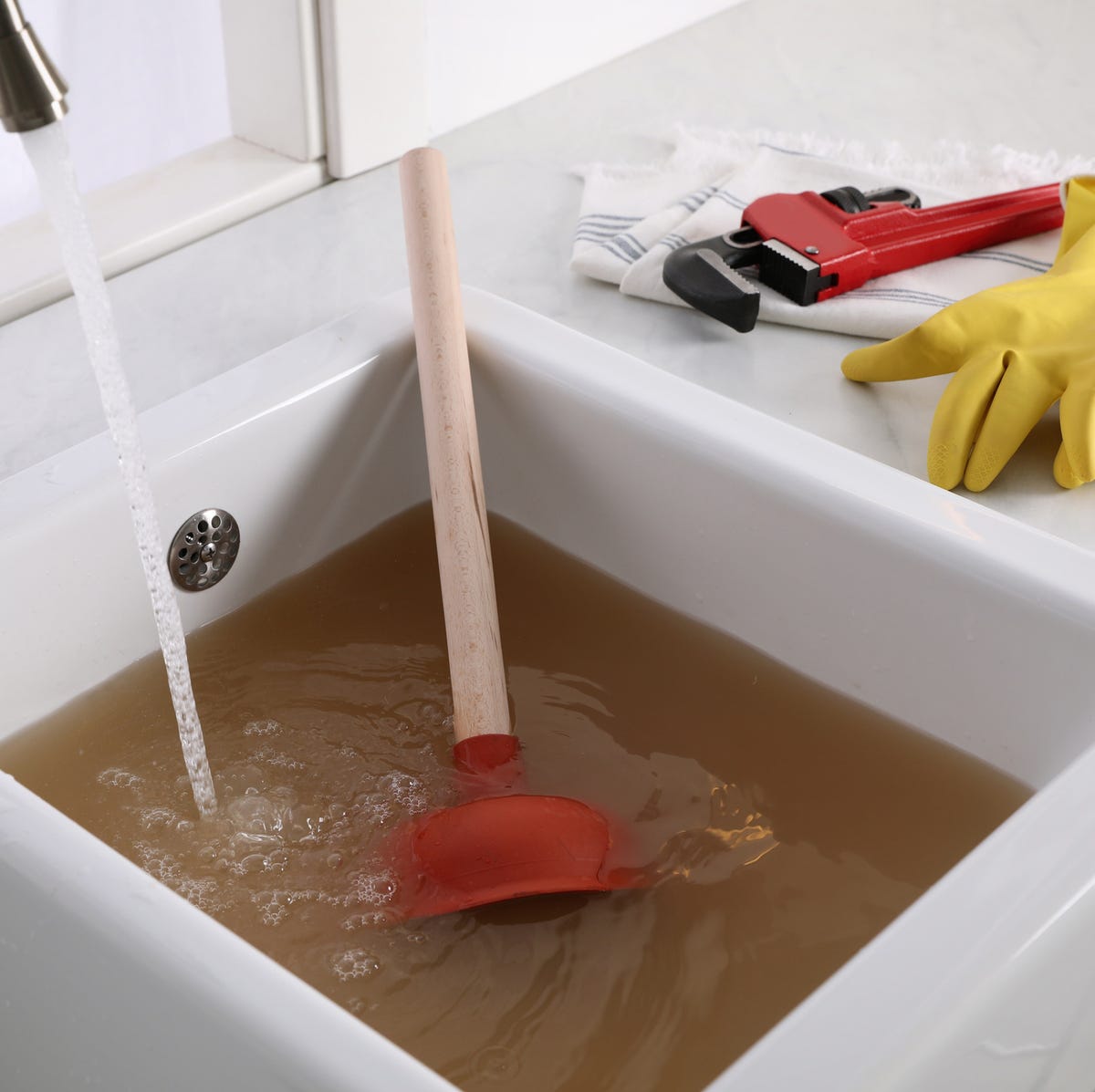
Have you ever faced a stubborn clog in your kitchen sink and wondered if a plunger could be the quick fix you need? You’re not alone.
When water starts pooling and draining slows down, it’s tempting to reach for a plunger—but is it really the right tool for the job? You’ll discover exactly when and how to use a plunger safely in your kitchen sink, avoiding damage and saving time.
Keep reading to learn simple, effective tips that can help you tackle that clog like a pro.
When To Use A Plunger
Knowing when to use a plunger on your kitchen sink can save you time and avoid unnecessary damage. Not every clog needs the force of a plunger, but some blockages respond well to this simple tool. Understanding the right signs and common causes helps you decide if plunging is the best option for your sink.
Common Kitchen Sink Clogs
Kitchen sinks often get clogged by food scraps, grease, and soap buildup. Items like vegetable peels, coffee grounds, or small pieces of eggshell can slowly block the drain. Grease is tricky—it cools and solidifies inside pipes, creating stubborn clogs that a plunger can sometimes dislodge.
Hair and soap residue also contribute to slow drainage. If you notice water pooling or draining slowly after washing dishes, these are clues that debris is causing trouble. A plunger can help push these blockages through the pipe, especially when the clog is near the sink’s opening.
Signs Your Sink Needs A Plunger
Is your kitchen sink draining slower than usual? That’s a clear sign you might need to grab a plunger. Another sign is water backing up into the sink when you run the faucet, indicating a partial blockage that air pressure can often clear.
You might also hear gurgling sounds from the drain or notice an unpleasant odor. These symptoms usually mean trapped debris is causing pressure buildup. Using a plunger early can prevent the clog from worsening and save you from calling a plumber.
Have you ever let your sink clog get worse by waiting too long? Using a plunger as soon as you spot these signs can be a quick fix. But remember, if plunging doesn’t work after a few tries, it’s time to consider other solutions.

Credit: www.drano.com
Choosing The Right Plunger
Choosing the right plunger for your kitchen sink can make a big difference in clearing clogs quickly and without damage. Not all plungers are built the same, and using the wrong one might leave you frustrated or even worsen the blockage. Understanding the types and which works best for kitchen sinks helps you tackle the problem confidently.
Types Of Plungers
There are mainly two types of plungers you’ll encounter: the cup plunger and the flange plunger.
- Cup Plunger:This is the flat-bottomed plunger you often see used on sinks and tubs. It creates a simple seal on flat surfaces.
- Flange Plunger:Designed mainly for toilets, it has an extra rubber flap (flange) that fits into the drain for a tighter seal.
Knowing these differences helps you pick the right tool. Have you ever tried using a flange plunger on a flat sink surface? It just doesn’t seal properly, wasting your effort.
Best Plunger For Kitchen Sinks
The cup plunger is usually the best choice for kitchen sinks. Its wide, flat rim fits perfectly over the sink drain, allowing you to create strong suction and pressure.
Look for one with a sturdy rubber cup and a comfortable handle for better grip. Some plungers even have an extended flange that can help with deeper sink drains, but avoid full flange plungers designed only for toilets.
What about sinks with multiple drains or garbage disposals? You might want a plunger with a flexible cup or consider sealing other openings with a wet cloth to improve suction. The right plunger will save you time and prevent damage to your plumbing.
Preparing Your Sink For Plunging
Clear the sink of dishes and debris before plunging. Fill the sink with enough water to cover the plunger’s cup for a better seal. Plug the overflow hole or drain openings to build pressure.
Preparing your sink for plunging ensures an effective and clean process. Proper preparation helps avoid messes and makes the task easier. Let's explore the steps to set up your sink for plunging.
Clearing The Area
Remove all items around the sink. Clear away dishes, soap, or sponges. This prevents them from getting wet or dirty. Clearing the space allows for better movement.
Removing Excess Water
If the sink is full, bail out excess water. Use a cup to scoop and discard it. Leave a small amount of water to help the plunger seal. This improves the plunging action.
Credit: shopping.yahoo.com
Plunging Technique For Kitchen Sinks
Using a plunger on your kitchen sink might seem straightforward, but getting it right takes a bit of know-how. The key is mastering the plunging technique to clear blockages without causing damage or frustration. Let’s look at how you can make your plunging efforts more effective and less messy.
Proper Seal Creation
Creating a tight seal between the plunger and the sink drain is crucial. Without a good seal, the pressure won’t build up enough to dislodge the clog.
Start by removing any visible debris from the sink. Then, fill the sink with enough water to cover the plunger’s cup—this helps form a better seal.
Press the plunger firmly around the drain opening, making sure no air can escape. If your kitchen sink has a double basin, block the other drain with a wet cloth to maintain pressure.
Effective Plunging Motion
Once the seal is secured, it’s time to plunge. Use steady, controlled strokes rather than wild or rapid pumping. Pushing and pulling the plunger about 10 to 15 times usually does the trick.
Focus on moving the plunger in a straight line up and down, avoiding twisting motions that could break the seal. After each plunge, pull the plunger off quickly to see if the water drains.
If the water starts to drain slowly, keep plunging a few more times to clear the blockage completely. Have you noticed that sometimes a slow, rhythmic motion works better than forceful bursts? That’s because consistent pressure often loosens stubborn clogs more effectively.
Safety Tips And Precautions
Using a plunger in the kitchen sink can solve many common clogs. Safety is important to avoid damage and accidents. Follow simple tips to keep yourself and your sink safe. Know when it is time to stop plunging and ask for help.
Avoiding Damage
Choose the right plunger for your kitchen sink. A cup plunger works best for flat surfaces. Avoid using a flange plunger, as it is for toilets.
Check the sink for cracks or leaks before plunging. Do not use excessive force to prevent pipe damage. Always create a tight seal around the drain for effective plunging.
- Remove standing water if it is too dirty or hot.
- Do not plunge if chemicals were recently used.
- Wear gloves to protect your hands.
When To Stop And Call A Professional
Stop plunging if the water level rises or spills over. Persistent clogs that don't clear after several attempts need expert help.
Unusual noises or smells may signal serious plumbing problems. Avoid forcing the plunger to prevent pipe breaks.
Call a plumber if you notice:
- Repeated blockages in the kitchen sink.
- Slow drainage after plunging.
- Leaks or water damage under the sink.
Alternative Quick Fixes
When a kitchen sink clogs, reaching for a plunger might seem like the obvious first step. But what if you don’t have one handy or want a less messy option? There are quick fixes you can try that don’t involve plunging and can often clear minor blockages effectively.
Using Baking Soda And Vinegar
This classic combo is a natural way to tackle slow drains without harsh chemicals. Start by pouring about half a cup of baking soda directly into the drain.
Next, add half a cup of vinegar. You’ll notice fizzing—that’s the reaction breaking down grime inside the pipes. Let it sit for 15-30 minutes.
Finally, flush the drain with hot water. This helps wash away loosened debris. I tried this once when my sink was draining slowly, and within minutes, the water flowed freely again.
Manual Removal Methods
If you can see the clog or suspect it’s near the drain’s surface, manual removal might be your best bet. Put on gloves and use a wire hanger or a drain snake to pull out hair and food particles.
Sometimes, simply removing the sink stopper and cleaning out trapped gunk can do wonders. This hands-on approach gives you immediate results and prevents buildup from turning into a full blockage.
Have you ever wondered how often your kitchen sink actually needs this kind of attention? Regular manual cleaning might save you from bigger plumbing headaches later on.

Credit: www.yahoo.com
Frequently Asked Questions
Can I Use A Plunger For A Kitchen Sink Clog?
Yes, a plunger works well for unclogging kitchen sinks. Ensure you block the overflow drain first. Use firm, consistent plunges to dislodge the clog effectively. This method is simple, safe, and often resolves common sink blockages.
What Type Of Plunger Is Best For Kitchen Sinks?
A cup plunger with a flat edge is ideal for kitchen sinks. It creates a strong seal on flat surfaces. Avoid flange plungers designed for toilets, as they may not fit well on sink drains.
How To Properly Use A Plunger In A Kitchen Sink?
Fill the sink partially with water to cover the plunger cup. Place the plunger over the drain, ensuring a tight seal. Push and pull the plunger vigorously for 15-20 seconds. Repeat if necessary until water drains freely.
Can Plunging Damage My Kitchen Sink Plumbing?
No, using a plunger correctly will not damage your sink plumbing. Avoid excessive force or rapid plunging. Gentle, steady pressure is enough to clear clogs without harming pipes or fixtures.
Conclusion
Using a plunger in your kitchen sink can be helpful for many clogs. It works best with simple blockages like food or grease. Make sure to cover the overflow hole with a wet cloth. Push and pull the plunger firmly to create pressure.
Avoid harsh chemicals that can damage pipes. If the clog stays, calling a plumber is smart. Regular cleaning helps keep your sink flowing well. Small tools like plungers save time and money. Simple steps can fix your sink without stress.