
Are you wondering if it’s okay to wash your kitchen towels with your clothes? You’re not alone.
Mixing laundry loads might seem like a time-saver, but it can lead to unexpected problems. What if your towels don’t come out fresh, or worse, your clothes get damaged? Keep reading to find out the best way to handle your laundry and avoid common mistakes that could cost you time and money.
Your clothes and kitchen towels deserve the right care—let’s make sure you’re doing it right.

Credit: www.yahoo.com
Kitchen Towels And Clothes: Can They Mix?
Wondering if you can toss your kitchen towels in with your regular laundry? It’s a common question because saving time and energy by combining loads sounds appealing. However, mixing kitchen towels and clothes isn't always straightforward due to differences in material, hygiene, and potential color transfer risks.
Material Differences
Kitchen towels are usually made from thick cotton or linen designed to absorb moisture and withstand frequent washing at high temperatures. Clothes, on the other hand, come in a wide range of fabrics like delicate synthetics, wool, or blends that may not handle hot water or rough agitation well.
Washing towels and clothes together can cause wear and tear on your garments. Rough towel fibers might snag delicate fabrics, leading to pilling or holes. Have you ever noticed your favorite shirt looking worn out after one mixed laundry load? That’s often why.
Hygiene Concerns
Kitchen towels often carry bacteria, food particles, and grease, especially after wiping surfaces or drying hands. Mixing these with your clothes raises questions about cross-contamination.
If you’re washing on a high-temperature cycle with strong detergent, this risk decreases, but many people prefer cooler, gentler washes for their clothes. Do you want your gym clothes or undergarments exposed to the same bacteria that linger on kitchen towels? It’s worth considering.
Color Transfer Risks
Kitchen towels can come in bright colors or patterns, and some may bleed dye in the wash. When mixed with lighter or white clothing, this can cause color transfer and ruin your favorite outfits.
Even towels that have been washed several times can release dye, especially in warm water. Separate colors carefully to avoid unpleasant surprises, or test towels by soaking them alone before mixing.
Preparing Kitchen Towels For Washing
Preparing kitchen towels for washing is essential to keep them clean and fresh without damaging your other clothes. Proper preparation helps remove stubborn stains and prevents color bleeding. It also ensures you respect fabric care instructions, extending the life of your towels and your clothes.
Pre-treating Stains
Kitchen towels often carry grease, food spills, and other tough stains. Treat these spots before washing by applying a stain remover or a bit of liquid detergent directly to the stain. Let it sit for 10-15 minutes to break down the grime, making the washing process more effective.
If you don’t have a stain remover, try gently rubbing baking soda mixed with water onto the stain. This simple trick can lift stains without harsh chemicals. Have you ever noticed how some stains disappear completely after pre-treating?
Separating By Color And Fabric
Mixing kitchen towels with clothes can be risky if you don’t separate them properly. Sort towels by color — whites with whites, darks with darks — to avoid color transfer. Also, keep heavy towels apart from delicate fabrics to prevent wear and tear.
Think about the last time you washed a red towel with a white shirt. Did your whites end up pink? Separating by fabric type and color can save your clothes from unexpected mishaps.
Checking Care Labels
Before tossing towels and clothes together, check their care labels. They contain important information about water temperature, drying methods, and washing cycles. Ignoring these can shrink or damage your fabrics.
Some towels recommend hot water to kill bacteria, while certain clothes need cold water to keep their shape. Matching these instructions can be a game-changer in your laundry routine. Have you ever ruined a favorite shirt by ignoring the label?
Best Washing Practices
Washing kitchen towels with clothes might seem convenient. Yet, it's important to follow the best washing practices for hygiene. This ensures towels remain fresh and clothes are undamaged. Let's explore some essential tips.
Ideal Water Temperature
Hot water is excellent for killing germs. Use it for kitchen towels. This helps remove bacteria and stubborn stains. Clothes, on the other hand, may need cooler water. Check garment labels for guidance. Mixing temperatures can save energy but ensure cleanliness.
Choosing The Right Detergent
Select a detergent suitable for both towels and clothes. Some detergents are strong for tough stains. Others are gentle for delicate fabrics. Look for a balanced formula. This keeps towels clean and clothes intact. Avoid using too much detergent. It can leave residues.
Washing Cycle Selection
The right washing cycle is crucial. Towels benefit from a longer, more intense cycle. This removes dirt and grime effectively. Clothes may require a gentler cycle. Especially delicate fabrics. Choose a cycle that meets both needs. This ensures thorough cleaning.
Credit: en.brilio.net
Drying And Maintaining Towels
Drying and maintaining kitchen towels properly keeps them fresh and long-lasting. Towels face heavy use and can harbor bacteria if not cared for well. Proper drying stops mold and odors from developing. Maintenance helps towels stay soft and absorbent after many washes. Simple habits can protect fabric and extend towel life.
Drying Methods
Air drying towels helps prevent shrinking and fabric damage. Hang towels in a well-ventilated area to dry quickly. Using a dryer is faster but use a low heat setting. High heat can weaken fibers and reduce towel softness. Avoid over-drying towels to keep them fluffy and durable.
Avoiding Fabric Damage
Separate towels from rough items like jeans or zippers during washing. Wash towels with similar fabric types to avoid pilling. Use gentle detergents and avoid bleach to protect fibers. Skip fabric softeners; they reduce towel absorbency. Remove towels promptly from the dryer to prevent wrinkles and stiffness.
Refreshing Towels Between Washes
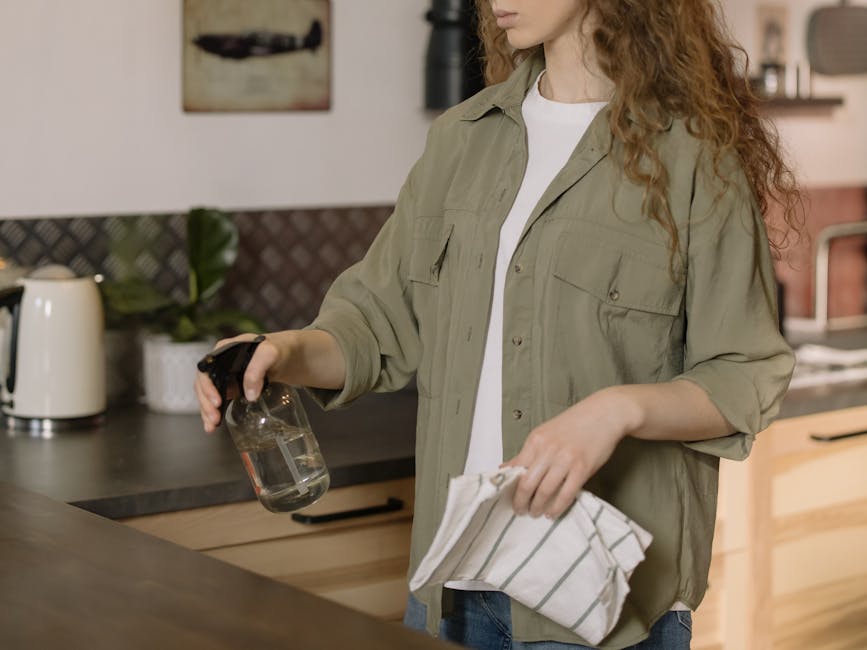
Spray towels lightly with a mixture of water and vinegar to reduce odors. Hang towels fully spread out after use to dry faster. Use baking soda in the wash to eliminate stubborn smells. Avoid leaving damp towels in a pile; this causes mildew. Regular airing keeps towels smelling fresh and clean.
Alternatives To Washing Towels With Clothes
Washing kitchen towels with clothes can spread germs and odors. Choosing better ways to clean towels keeps both towels and clothes fresh. Explore simple alternatives to protect your laundry and maintain hygiene.
Using Separate Loads
Wash kitchen towels separately from clothes. Keep towels in a different laundry load to avoid cross-contamination. Use hot water to kill bacteria effectively. This method helps keep clothes clean and towels sanitary.
Sanitizing Towels Properly
Use disinfecting laundry detergents or add white vinegar to the wash. High heat drying kills germs on towels. Avoid fabric softeners, as they reduce towel absorbency. Proper sanitizing ensures towels are safe for kitchen use.
When To Replace Towels
Check towels for stains, odors, or fraying edges. Replace towels that look worn or smell bad after washing. Fresh towels maintain kitchen hygiene and prevent bacteria buildup. Change towels every few months for best results.
:strip_icc()/BHG-Washing-Sheets-and-Towels_1_C1b1T1lTKA8Amitev_OlQX-4b0ca48bdeb446389438a9653e8f2a61.jpg)
Credit: www.bhg.com
Frequently Asked Questions
Can I Wash Kitchen Towels With Regular Clothes?
It is not recommended to wash kitchen towels with regular clothes. Kitchen towels carry bacteria and food particles. Washing them separately prevents cross-contamination and keeps clothes hygienic. Use hot water and a strong detergent for best results.
What Temperature Is Best For Washing Kitchen Towels?
Use hot water, ideally 60°C (140°F) or higher, to kill germs on kitchen towels. Hot water ensures thorough cleaning and removes oils or food stains effectively. Avoid cold washes for towels to maintain hygiene.
Should I Use Bleach When Washing Kitchen Towels?
Yes, using bleach helps disinfect kitchen towels and remove tough stains. Use a safe amount of bleach suitable for the fabric. It kills bacteria and keeps towels fresh. Avoid bleach on colored towels to prevent fading.
How Often Should Kitchen Towels Be Washed?
Wash kitchen towels after every 1-2 uses or daily if heavily soiled. Frequent washing prevents bacteria buildup and odors. Always dry towels completely before reuse to maintain cleanliness.
Conclusion
Washing kitchen towels with clothes is possible but not always best. Towels can carry food dirt and germs. Clothes may not get as clean if washed together. Keep towels separate for better hygiene. Use hot water and strong detergent for towels.
This helps kill bacteria and removes stains well. Separate washing also protects clothes from rough towel fibers. Clean towels last longer and stay fresh. Choose what works best for your laundry routine. Clean habits lead to a healthier home environment.