
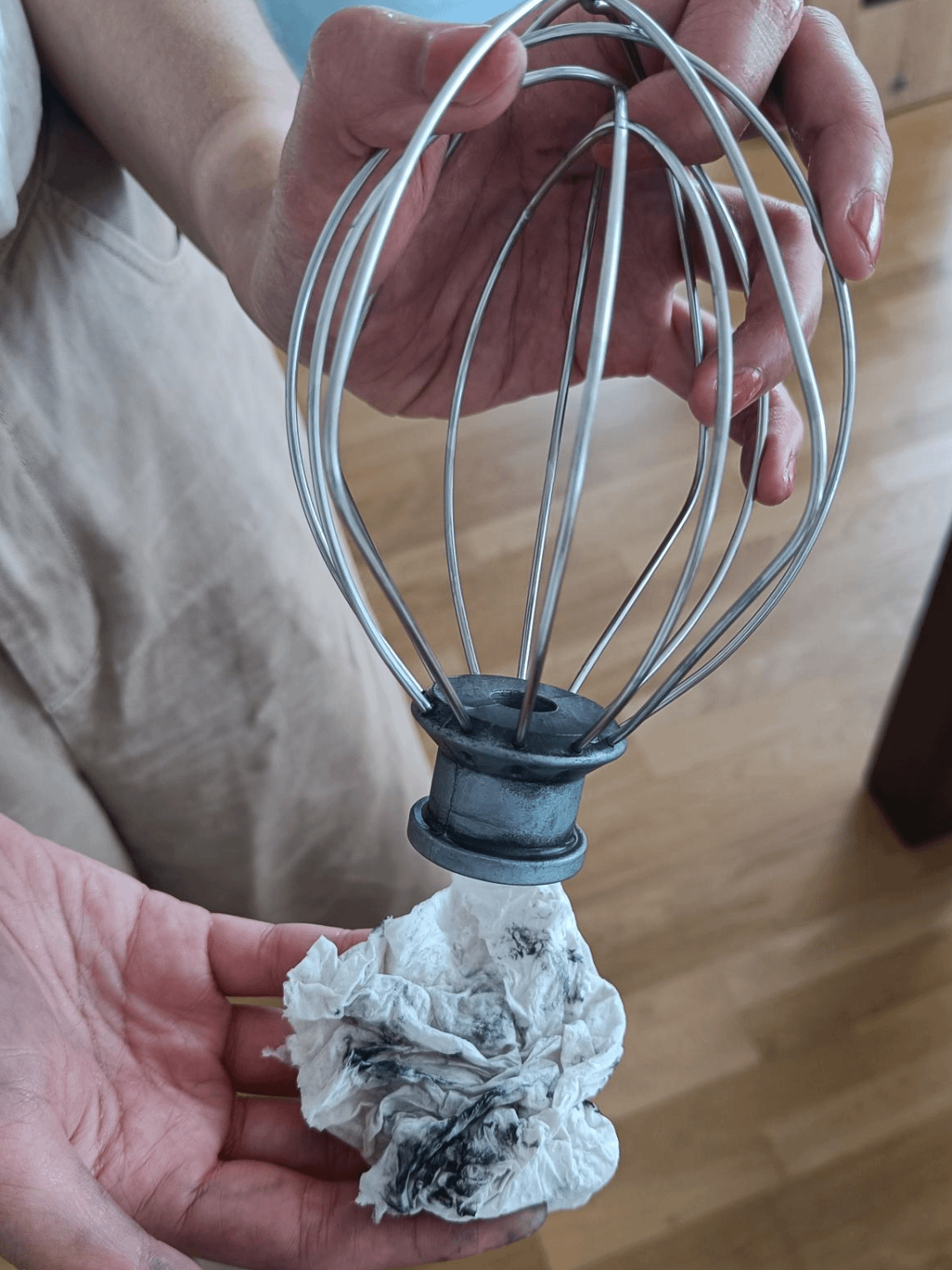
Are you wondering if your Kitchen Aid attachments can go in the dishwasher? You’re not alone.
Cleaning these parts properly is key to keeping your kitchen tools working smoothly and lasting longer. But putting them in the dishwasher without knowing the facts could damage them. You’ll discover exactly which attachments are dishwasher safe and how to clean the others without risk.
Keep reading to protect your Kitchen Aid and make cleanup easier every time.

Credit: www.amazon.ca
Kitchenaid Attachments And Dishwasher Safety
Understanding whether your KitchenAid attachments are dishwasher safe can save you time and protect your investment. These attachments often come into contact with food residues that need thorough cleaning, but not all parts handle the dishwasher environment well. Let’s break down what you should know about cleaning these attachments safely.
Common Attachments Overview
KitchenAid offers a wide variety of attachments, such as the pasta roller, meat grinder, spiralizer, and food processor. Each attachment serves a different purpose and has unique cleaning needs. Some parts are small and delicate, while others are more robust and dishwasher-friendly.
Have you noticed any discoloration or damage after washing certain attachments? That’s often a sign the dishwasher might not be the best cleaning method for those items. Knowing which parts can go in the dishwasher will help you avoid this problem.
Materials Used In Attachments
Most KitchenAid attachments are made from a mix of metal, plastic, and sometimes rubber components. Metals like stainless steel usually handle the dishwasher well, but some plastics may warp or degrade over time. Rubber seals and gaskets often don’t fare well in the high heat of dishwashers.
Think about the last time you washed a plastic kitchen tool in your dishwasher. Did it come out perfectly, or did it look a bit misshapen? This experience can guide you in deciding whether to hand wash certain attachments.
Manufacturer's Cleaning Recommendations
KitchenAid generally advises hand washing most attachments to maintain their condition and longevity. The user manual often specifies which parts are dishwasher safe and which are not. Following these instructions can prevent unnecessary wear or damage.
For example, the metal parts of the meat grinder may be dishwasher safe, but the plastic feeding tube often isn’t. Taking a moment to check the manual or product details can save you from costly mistakes.
Credit: www.amazon.ca
Attachments That Are Dishwasher Safe
Knowing which Kitchen Aid attachments are safe for your dishwasher can save you time and protect your tools. Some attachments handle the dishwasher well, while others need gentle handwashing. Understanding these differences helps you keep your kitchen gear in great shape.
Metal Attachments
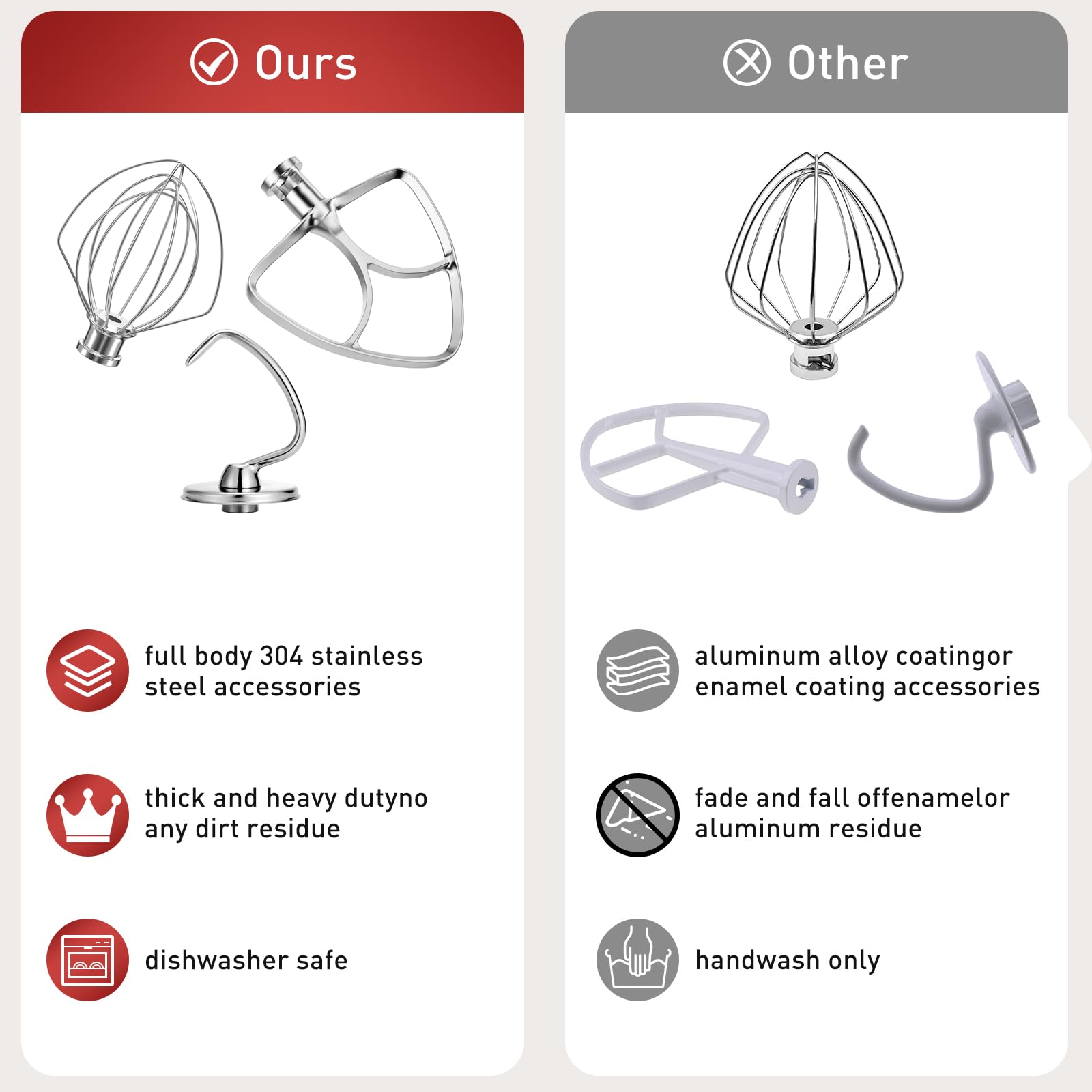
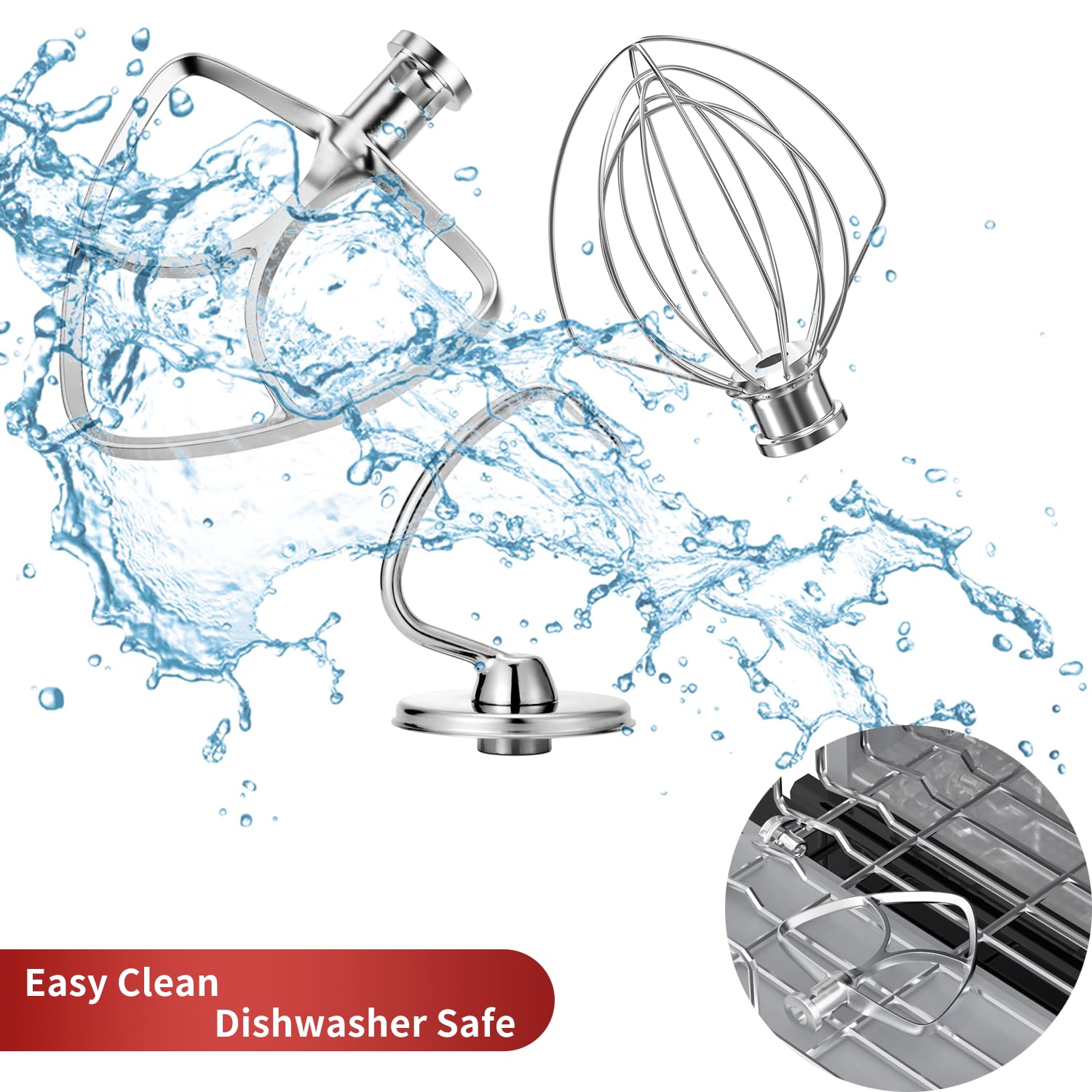
Metal attachments like dough hooks, beaters, and flat mixers often withstand dishwasher cleaning. Their sturdy stainless steel construction resists rust and corrosion, making them dishwasher-safe. However, avoid high heat settings that might dull their finish or cause warping over time.
Have you noticed any discoloration or rough edges after dishwasher cycles? If yes, consider washing metal parts by hand to extend their lifespan.
Plastic Components
Plastic parts vary in dishwasher safety depending on their quality and heat tolerance. High-quality, BPA-free plastics usually survive the dishwasher’s top rack without damage. But cheaper plastics can warp or crack under intense heat.
Check your attachment’s manual or look for dishwasher-safe symbols to avoid surprises. If unsure, placing plastic parts on the top rack minimizes direct heat exposure.
Removable Parts
Many attachments come with small, removable pieces like blades or lids that are dishwasher-safe. Removing these parts before washing prevents trapped food and ensures thorough cleaning. It also stops smaller pieces from getting lost or damaged during the wash cycle.
Do you take the time to separate these parts before loading the dishwasher? Doing so can save you from extra cleaning or unexpected replacements.
Attachments To Avoid Putting In Dishwasher
Certain KitchenAid attachments, like metal parts and motors, should not go in the dishwasher. Plastic or silicone pieces may be dishwasher safe but check the manual first. Avoid damage by hand washing delicate attachments instead.
Attachments to avoid putting in the dishwasher can save your KitchenAid from damage. Dishwashers are convenient, but not all KitchenAid attachments can handle the heat and water. Protect your investment by knowing which parts require hand washing. This guide covers the attachments you should keep out of the dishwasher.
Electrical Components
Electrical components in KitchenAid attachments are sensitive. Water exposure can damage them. The dishwasher's heat and moisture can short-circuit these parts. Always clean electrical components with a damp cloth. Avoid submerging them in water. This practice ensures longevity and safety.
Wooden Handles
Wooden handles are not dishwasher safe. The hot water and detergent can cause wood to crack. Over time, this weakens the handle and may lead to breakage. Hand wash wooden handles with mild soap. Dry them immediately to maintain their quality and appearance.
Delicate Or Coated Parts
Delicate or coated parts need special care. Dishwashers can strip coatings or scratch delicate surfaces. This affects the attachment's performance and appearance. Use a soft sponge and gentle detergent for these parts. Rinse and dry thoroughly after washing. This approach preserves their functionality and look.
Credit: www.amazon.ca
Cleaning Tips For Kitchenaid Attachments
Keeping your KitchenAid attachments clean not only ensures they last longer but also keeps your food tasting fresh and safe. Proper cleaning methods prevent buildup and damage, which could affect performance. Let’s dive into some effective cleaning tips that make maintaining your attachments simple and worry-free.
Hand Washing Techniques
Not all KitchenAid attachments should go in the dishwasher. Many parts, especially those with sharp blades or delicate finishes, do better with hand washing. Use warm water and a soft sponge to gently clean every nook and cranny.
Pay extra attention to crevices where food can get stuck. Avoid harsh scrubbing tools that could scratch the surface. If you find stubborn spots, soak the attachment in warm soapy water for a few minutes before wiping it down.
Using Mild Detergents
Strong detergents can damage the finish or plastic parts of your attachments. Choose mild dish soap that cuts grease but is gentle on materials. This helps maintain the look and functionality over time.
Have you noticed how some soaps leave a residue or a strange smell? Mild detergents reduce that risk, keeping your attachments fresh and ready to use. Always rinse thoroughly to remove any soap traces that might affect taste or safety.
Drying And Storage
After washing, dry your attachments completely to prevent rust or mold growth. Use a clean towel or air dry them in a well-ventilated area. Moisture left on the metal parts can cause damage even if it’s just a small amount.
Store your attachments in a dry, organized space to avoid losing parts or causing unnecessary wear. Do you have a dedicated spot for these tools? Keeping them tidy makes it easier to grab what you need and keeps your kitchen running smoothly.
Troubleshooting Common Cleaning Issues
KitchenAid attachments can sometimes be tricky to clean. Stubborn food bits, rust, or discoloration may appear after use. Understanding how to handle these issues helps keep your attachments in top shape. Proper cleaning and care extend their life and performance.
Removing Stubborn Food Residue
Some food pieces stick tightly to attachments. Soaking them in warm, soapy water softens residue. Use a soft brush to gently scrub hard-to-reach areas. Avoid metal tools that can scratch surfaces. Rinse thoroughly with clean water before drying.
Dealing With Rust Or Discoloration
Rust forms if attachments stay wet too long. Dry them completely after washing. For mild rust, rub gently with a paste of baking soda and water. Discoloration may fade after soaking in vinegar for a few minutes. Rinse well and dry immediately to prevent new spots.
Maintaining Attachment Longevity
- Clean attachments soon after use to stop food drying on.
- Hand wash parts not labeled dishwasher-safe.
- Dry all parts fully before storing.
- Check for wear regularly and replace damaged parts.
- Store attachments in a dry, cool place.
Best Practices For Dishwasher Use
Proper dishwasher use helps keep Kitchen Aid attachments clean and safe. Following best practices ensures they last longer and work well. Careful handling during washing prevents damage and maintains performance.
Loading Attachments Properly
Place attachments securely to stop movement during washing. Avoid overcrowding to allow water to reach all surfaces. Position small parts in the dishwasher basket to keep them safe. Face blades and sharp edges downward for safety and thorough cleaning.
Choosing The Right Cycle
Select a gentle or light cycle to protect delicate parts. Avoid high heat cycles that may warp plastic components. Use a short wash cycle to prevent overexposure to water and detergent. Skip heated drying to reduce risk of damage and warping.
Avoiding Damage During Washing
- Remove large food particles before placing in the dishwasher.
- Do not mix metal parts with items that can scratch.
- Use mild dishwasher detergent to protect materials.
- Check the manufacturer’s guide for dishwasher-safe parts.
- Air dry attachments if unsure about heat exposure effects.
Frequently Asked Questions
Can All Kitchen Aid Attachments Go In Dishwasher?
Not all Kitchen Aid attachments are dishwasher safe. Always check the user manual. Some parts need hand washing to maintain quality and function.
How To Clean Kitchen Aid Attachments Safely?
Use warm, soapy water and a soft cloth for cleaning. Avoid abrasive materials. Dry thoroughly to prevent rust and damage.
Are Metal Kitchen Aid Attachments Dishwasher Safe?
Most metal attachments are dishwasher safe, but some coatings can degrade. Check the manufacturer’s instructions for specific cleaning guidelines.
Can Dishwasher Damage Kitchen Aid Plastic Parts?
Yes, high heat in dishwashers can warp or crack plastic parts. Hand washing is recommended for plastic attachments to prolong their lifespan.
Conclusion
KitchenAid attachments need careful cleaning to last longer. Some parts can go in the dishwasher, but check the manual first. Washing by hand is safer for many attachments to avoid damage. Using warm, soapy water and a soft cloth helps keep them clean.
Taking care of your attachments saves money and keeps them working well. Clean tools make cooking easier and more enjoyable. Always follow care instructions for best results. Simple steps protect your KitchenAid attachments every time.