
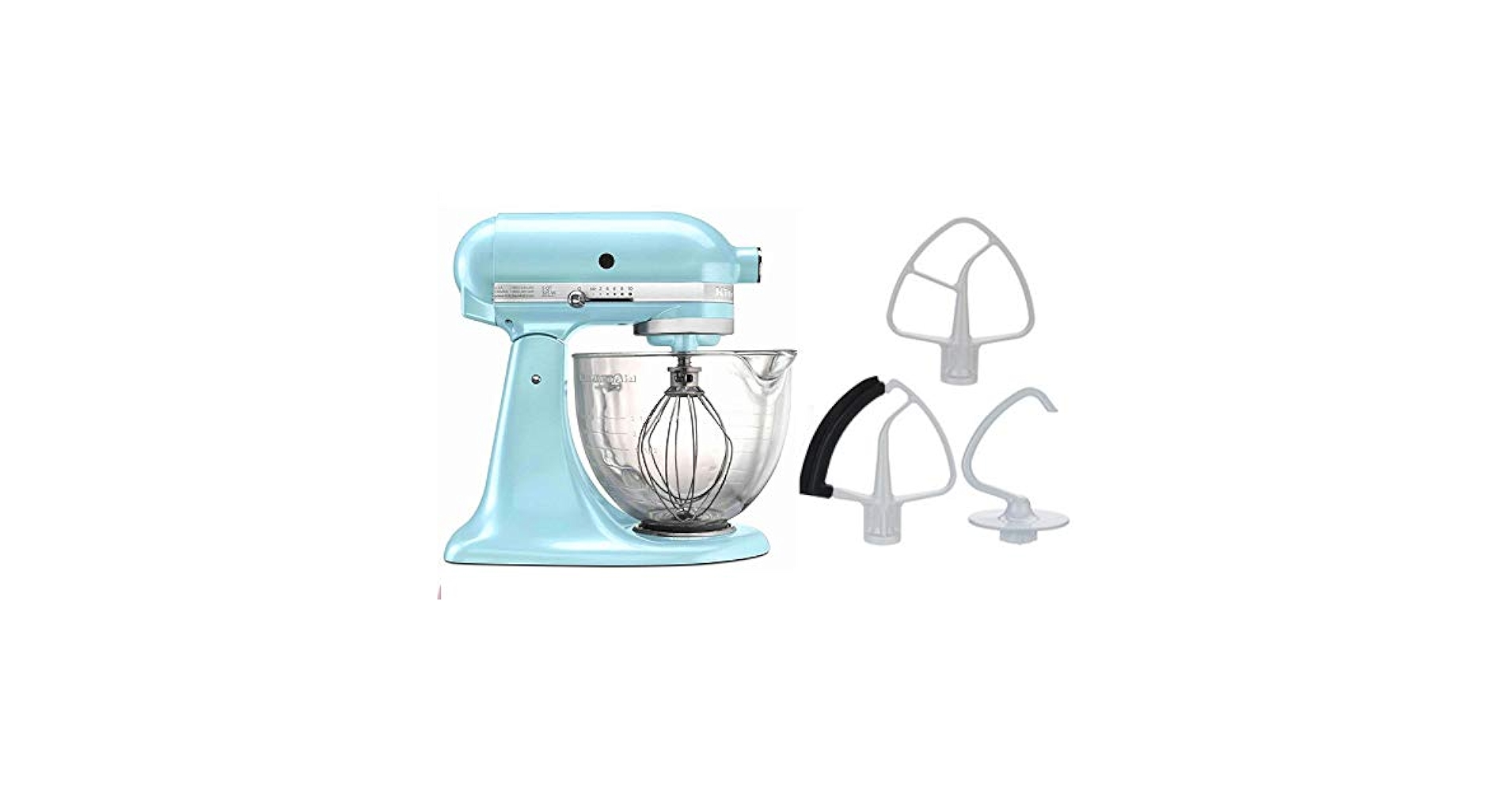
Are you wondering if your Kitchen Aid blue rubber utensils are safe to use in the oven? It’s a common question that can save you from ruining your tools—or even causing a kitchen accident.
You want to know exactly what temperature limits they have and how to use them without worry. You’ll get clear, simple answers that help you protect your favorite kitchen gadgets and cook with confidence every time. Keep reading to find out what you need to know before putting that blue rubber piece in the heat.
Kitchen Aid Blue Rubber Basics
The Kitchen Aid Blue Rubber tools are popular in many kitchens. They blend style with function. Their blue color stands out and adds charm to cooking tasks. Understanding their basics helps in using them safely and effectively.
Material Composition
Kitchen Aid Blue Rubber tools are made from high-quality silicone. This material is flexible and heat resistant. Silicone can handle heat up to about 500°F (260°C). It is also non-stick and easy to clean. The tools have a sturdy core for strength. This mix makes them safe for most cooking and baking tasks.
Common Uses
These tools serve many purposes in the kitchen. They are perfect for stirring and mixing ingredients. Their heat resistance allows use near hot pans and ovens. They work well for scraping bowls and spreading batters. Many use them for folding dough or whisking eggs. Their soft texture protects cookware from scratches.
Heat Resistance Limits
Understanding the heat resistance limits of Kitchen Aid blue rubber is crucial. It helps to know how much heat this material can handle safely. This ensures you avoid damage or safety risks while cooking or baking.
Maximum Oven Temperature
Kitchen Aid blue rubber usually withstands heat up to 400°F (204°C). Exceeding this temperature can cause melting or warping. Using it above the limit reduces its lifespan and safety. Always check the product label or manual for exact heat limits.
Comparison With Other Materials
| Material | Max Oven Temperature | Notes |
|---|---|---|
| Kitchen Aid Blue Rubber | 400°F (204°C) | Safe for most baking needs |
| Silicone Bakeware | 450°F (232°C) | More flexible heat tolerance |
| Metal Bakeware | 600°F (315°C) or higher | Can handle very high heat |
Kitchen Aid blue rubber offers good heat resistance but less than silicone or metal. Choose the right material for your cooking temperature.
Oven Use Safety Tips
Using Kitchen Aid blue rubber tools in the oven requires care and attention. Knowing the right safety tips helps keep your tools in good shape and prevents accidents. Follow these guidelines to handle your rubber tools safely when using the oven.
Proper Handling
Always check the temperature limit of your blue rubber tool before placing it in the oven. Most silicone tools can handle heat up to 450°F (232°C), but confirm this on the product label. Avoid sudden temperature changes, such as moving the tool from the freezer directly into the oven. Use oven mitts or heat-resistant gloves to protect your hands while handling hot tools.
Place the rubber tool on a clean, flat oven rack or baking sheet. Do not let it touch the heating elements directly. Keep the tool away from open flames or broiler settings to prevent melting or damage.
Avoiding Damage
- Do not use sharp knives or metal utensils on the rubber surface to prevent cuts.
- Clean the tool gently with warm soapy water after each use. Avoid harsh chemicals or abrasive scrubbers.
- Store the tool flat or hung up to keep its shape intact.
- Inspect the tool regularly for signs of wear or melting. Replace if any damage appears.
- Do not leave the rubber tool in the oven longer than necessary.

Credit: www.lakeland.co.uk
Alternatives For Oven Use
Many wonder about safe alternatives for oven use. Not all materials are oven-friendly, and choosing the right ones is crucial. This section explores viable options for baking, roasting, and heating in the oven.
Silicone Tools
Silicone tools are excellent for oven use. They withstand high temperatures without melting or warping. These tools are flexible and non-stick, making them easy to clean. Many bakers prefer silicone for its reliability and versatility. From baking mats to spatulas, silicone offers durability and safety.
Metal And Glass Options
Metal and glass are traditional choices for oven use. They conduct heat well, ensuring even cooking. Metal pans are durable and come in various shapes and sizes. Glassware allows you to monitor the cooking process visually. Both options are easy to clean and maintain. Remember to check if glassware is labeled as oven-safe before use.
Signs Of Wear And Replacement
Kitchen Aid Blue Rubber tools face daily heat and pressure. This causes wear over time. Recognizing signs of damage helps keep cooking safe and efficient. Regular checks extend the tool’s life and prevent accidents.
Identifying Damage
Look for visible cracks or tears in the rubber. Discoloration or hardening means the material is breaking down. Sticky or melted spots show exposure to too much heat. Warping or changes in shape can affect tool performance. Also, check for loose handles or broken parts.
When To Replace
Replace the rubber tool if cracks or tears appear. If the material is stiff or brittle, it no longer works well. Melted or sticky spots mean it can’t handle heat safely. When warping affects use, it’s time for a new tool. Never use damaged tools in the oven or near heat.

Credit: www.amazon.com
User Experiences And Reviews
User experiences and reviews offer valuable insights about the Kitchen Aid Blue Rubber's oven safety. Many users share their real-life tests and results. These accounts help understand how well the product performs under heat.
Some users praise the rubber's durability and heat resistance. Others mention certain drawbacks that can affect usage. Exploring both sides gives a clear view of what to expect.
Positive Feedback
- Many users confirm the rubber withstands oven temperatures up to 400°F.
- The material remains flexible and does not melt or warp easily.
- Easy to clean after baking or roasting tasks.
- Great grip on handles and utensils, reducing slips in the oven.
- Users appreciate the vibrant blue color that does not fade after heating.
Common Issues
- Some report slight discoloration after prolonged oven use.
- Occasional odor release when heated at very high temperatures.
- A few users mention the rubber can become sticky if overheated.
- Not all sizes fit perfectly on every Kitchen Aid model.
- Some experience minor cracking after repeated exposure to heat.

Credit: www.amazon.com
Frequently Asked Questions
Can Kitchen Aid Blue Rubber Withstand Oven Temperatures?
Kitchen Aid Blue Rubber is heat-resistant but not designed for oven use. It can typically handle up to 450°F but prolonged exposure may damage it. Always check the product’s temperature limits before using it in the oven to avoid melting or warping.
Is Kitchen Aid Blue Rubber Safe For Baking Purposes?
No, Kitchen Aid Blue Rubber is not safe for direct baking. It is best used for mixing and stirring. For baking, use oven-safe silicone or metal utensils to ensure safety and durability.
What Temperature Can Kitchen Aid Blue Rubber Handle?
Kitchen Aid Blue Rubber can generally tolerate temperatures up to 450°F. However, exposure to higher heat may cause damage. It is ideal for stovetop use but should not be placed inside an oven.
Can I Use Kitchen Aid Blue Rubber In A Toaster Oven?
It’s not recommended to use Kitchen Aid Blue Rubber in a toaster oven. The confined space and high heat may damage the rubber. Use utensils specifically labeled as toaster oven-safe for best results.
Conclusion
Kitchen Aid blue rubber is not safe for oven use. It can melt or release harmful fumes. Always check product labels before heating. Use oven-safe tools to avoid accidents. Keep your kitchen safe and your food healthy. Choose the right utensils for each cooking method.
This keeps your cooking simple and worry-free. Safe cooking means better meals and less stress.