

Are you wondering if your KitchenAid parts can go in the dishwasher? You’re not alone.
Many people ask this because cleaning these parts properly is key to keeping your mixer working smoothly. But tossing them in the dishwasher without knowing the facts could cause damage or reduce their lifespan. You’ll discover exactly which KitchenAid parts are dishwasher-safe and which ones need special care.
Keep reading to protect your mixer and make cleaning easier than ever.
Kitchen Aid Parts And Dishwasher Safety
Knowing which Kitchen Aid parts are safe to clean in the dishwasher can save you time and protect your appliances. Not all parts handle dishwasher heat and detergent well, so it’s important to be selective. Understanding dishwasher safety helps keep your Kitchen Aid running smoothly and looking great.
Which Parts Are Dishwasher Safe
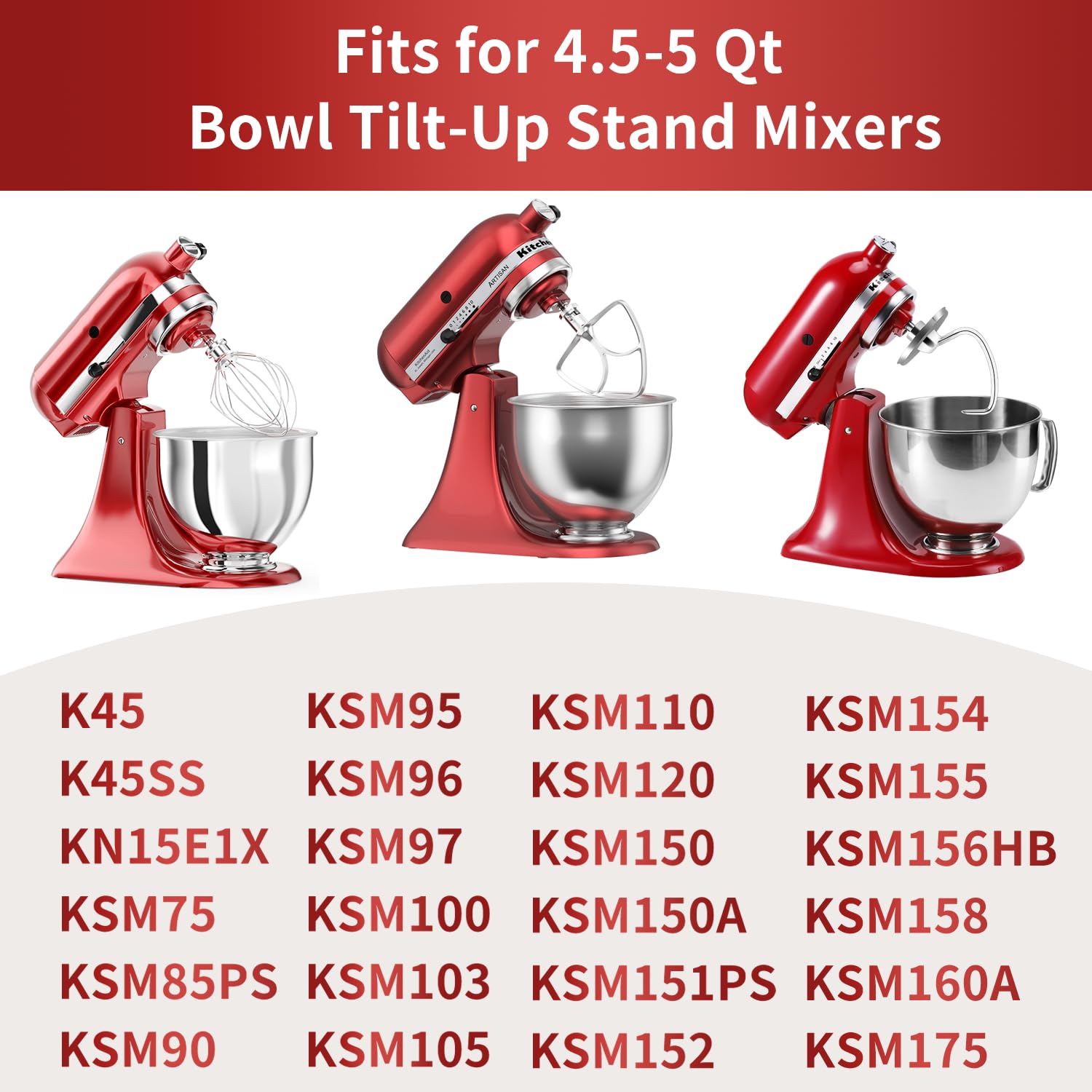
Most Kitchen Aid attachments designed for food processing, like the flat beater and dough hook, can usually go in the dishwasher’s top rack. The stainless steel bowl is also dishwasher safe, making cleanup easy after mixing or kneading.
Smaller removable parts like the pouring shield and scraper blade often tolerate dishwasher cleaning, but always check your specific model’s manual. Placing these parts on the top rack helps prevent warping or discoloration from intense heat.
Parts To Avoid Putting In The Dishwasher
The motor base and any electrical components should never go near water or the dishwasher. You risk damaging the motor and voiding your warranty.
Plastic parts not labeled dishwasher safe can melt or degrade. For example, some splash guards and lids may look sturdy but can warp or crack from dishwasher heat.
Have you ever tossed a plastic mixer part in the dishwasher only to find it misshapen afterward? Hand washing these items with warm, soapy water is safer and extends their lifespan.
Credit: www.amazon.ca
Hand Washing Tips For Non-dishwasher Parts
Some Kitchen Aid parts are not dishwasher safe and need extra care during cleaning. Hand washing these parts ensures they last longer and keep working smoothly. Knowing the right tools and cleaning solutions can save you from damage and frustration.
Best Cleaning Tools To Use
Use a soft sponge or cloth to clean non-dishwasher parts. Avoid abrasive scrubbers that can scratch the surface or damage delicate components.
- Soft-bristle brush: Great for reaching small crevices and removing stuck food.
- Microfiber cloth: Perfect for wiping and drying without leaving lint behind.
- Toothbrush: Handy for tight spots like the attachment hub or beater blade edges.
Have you tried using a toothbrush to clean your mixer parts? It’s a simple trick that often gets better results than regular sponges.
Safe Cleaning Solutions
Stick to mild dish soap mixed with warm water to protect your Kitchen Aid parts. Harsh chemicals or bleach can weaken plastic or metal over time.
- Use a gentle soap that cuts grease but is safe for sensitive surfaces.
- Avoid soaking parts too long to prevent water damage in mechanical areas.
- Rinse thoroughly to remove soap residue that might affect performance.
Have you noticed residue buildup after washing? Rinsing well and drying promptly can prevent that and keep your parts fresh.
Preventing Damage During Cleaning
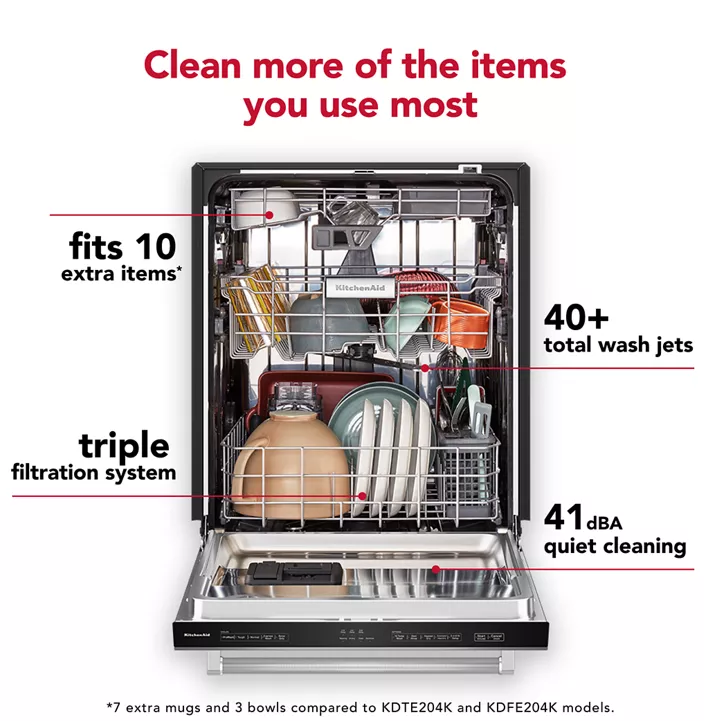
Cleaning your KitchenAid parts in the dishwasher can be convenient. Yet, without proper care, it might damage them. Learn how to prevent damage during cleaning.
Some KitchenAid parts are dishwasher-safe. But not all parts can handle the dishwasher's heat and water pressure. It's important to know which parts are safe for dishwashers.
Avoiding Water Damage
Water can be harmful to certain KitchenAid parts. Avoid placing parts with metal components in the dishwasher. Metal can rust or tarnish over time. Hand wash these parts to keep them in good shape.
Plastic parts can also warp under high temperatures. Check the manual to see if they are dishwasher-safe. If unsure, wash them by hand with mild soap and water.
Protecting Electrical Components
Electrical parts should never go in the dishwasher. Water and electricity don't mix well. This can lead to malfunction or permanent damage.
Detach any electrical components before cleaning. Wipe them with a damp cloth instead. Ensure they are completely dry before reassembling.
Following these steps can extend the life of your KitchenAid parts. Always check the manual for specific cleaning instructions.
Credit: www.kitchenaid.com
Maintaining Kitchen Aid Attachments
Maintaining your Kitchen Aid attachments is key to keeping them working smoothly and lasting longer. These tools often come into contact with food, so regular care helps prevent build-up and damage. Knowing how to clean and store them properly makes your kitchen routine easier and safer.
Regular Cleaning Schedule
Set a cleaning routine for your attachments to avoid stubborn residue. After each use, wipe down parts with a damp cloth or rinse them under warm water.
Some attachments are dishwasher safe, but double-check the manual before placing any part in the dishwasher. Hand washing with mild soap is often safest and helps preserve finishes.
Dry attachments completely before storing to prevent rust or mold. Have you noticed how a quick rinse right after use saves time later?
Storage Tips To Keep Parts Fresh
Store your attachments in a clean, dry place to protect them from dust and moisture. Use a designated container or drawer organizer to keep parts separated and easy to find.
Labeling containers can save you from rummaging through multiple attachments when cooking. Avoid stacking heavy items on top to prevent bending or breaking.
Do you keep your attachments close to your mixer, or in a separate spot? The right storage method can make your cooking flow smoother.
Troubleshooting Common Cleaning Issues
Cleaning Kitchen Aid parts can sometimes feel like a challenge, especially when you notice stubborn stains or unexpected discoloration. Knowing how to tackle these common issues helps keep your appliances in top shape. Let’s dive into practical solutions for some of the most frequent cleaning problems you might face.
Removing Stubborn Residue
Have you ever noticed dried batter or grease stuck on your mixer attachments that won’t budge with a simple rinse? Soaking the parts in warm, soapy water for about 15-20 minutes can soften this residue, making it easier to wipe away.
Use a soft brush or cloth to gently scrub the area without scratching the surface. Avoid harsh abrasives that can damage the finish or affect performance.
Sometimes, a paste made of baking soda and water works wonders on stubborn spots. Apply it, let it sit for a few minutes, then rinse thoroughly.
Dealing With Rust Or Discoloration
Rust can appear on metal parts if they’re left wet for too long or exposed to dishwasher heat. If you spot rust, don’t panic. A mix of lemon juice and salt applied to the rusty area can help lift the corrosion.
Rub the paste gently with a soft cloth, then rinse and dry the part immediately. Prevent rust by drying your Kitchen Aid parts right after washing, especially if you use the dishwasher.
Discoloration often happens with plastic or coated components. Avoid using bleach or strong chemicals, which can worsen the problem. Instead, try mild dish soap and warm water, and dry parts thoroughly to maintain their original look.
Credit: www.kitchenaid.com
Frequently Asked Questions
Can All Kitchen Aid Parts Go In The Dishwasher?
No, not all Kitchen Aid parts are dishwasher-safe. Typically, removable attachments like beaters are dishwasher safe, but the motor base must be hand-washed. Always check the user manual for specific cleaning instructions to avoid damage.
How To Clean Kitchen Aid Attachments Safely?
To clean Kitchen Aid attachments, detach them first. Most attachments can be washed in warm, soapy water or placed on the top dishwasher rack. Avoid harsh detergents to maintain their finish and durability.
Is It Safe To Put Kitchen Aid Bowls In The Dishwasher?
Yes, most Kitchen Aid bowls are dishwasher-safe. Stainless steel bowls can be cleaned in the dishwasher without issue. However, hand-washing is recommended to preserve the shine and prevent potential water spots.
What Kitchen Aid Parts Should Never Go In The Dishwasher?
Motor housing, electrical components, and wooden attachments should never go in the dishwasher. These parts can be damaged by water and high temperatures. Always wipe these parts with a damp cloth for safe cleaning.
Conclusion
KitchenAid parts may or may not be dishwasher safe. Always check the user manual first. Some parts can handle dishwasher cleaning, but others might get damaged. Hand washing with warm soapy water is often safer. Taking care of your KitchenAid helps it last longer.
Clean parts properly to keep your appliance working well. Simple steps protect your investment and save money. Choose the right cleaning method for each part. Your KitchenAid will thank you with better performance.