
Are you wondering if your Kitchen Craft pans are safe to use in the oven? It’s a question that can save you from ruined meals and damaged cookware.
Knowing the answer helps you cook with confidence and protect your investment. You’ll discover exactly which Kitchen Craft pans can handle the heat, plus simple tips to avoid common mistakes. Keep reading to make sure your next oven dish turns out perfectly every time.
Kitchen Craft Pan Materials
Understanding the materials used in Kitchen Craft pans is essential before deciding if they can safely go into your oven. Different materials react differently to heat, affecting durability and cooking performance. Knowing what your pan is made of helps you avoid damage and cook your meals perfectly.
Common Materials Used
Kitchen Craft pans often come in a variety of materials, each with distinct properties:
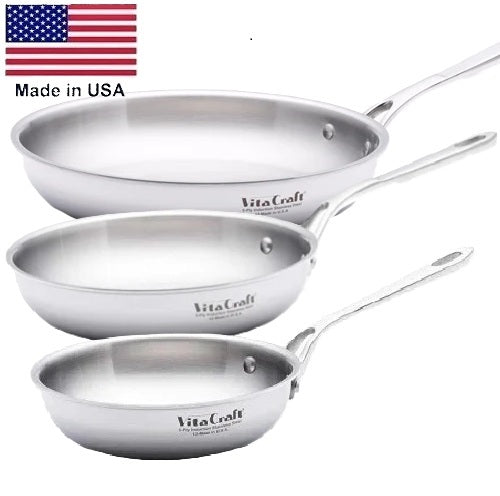
- Stainless Steel:Durable and resistant to rust, it heats evenly but can have hot spots.
- Cast Iron:Excellent heat retention and distribution, but heavy and requires seasoning.
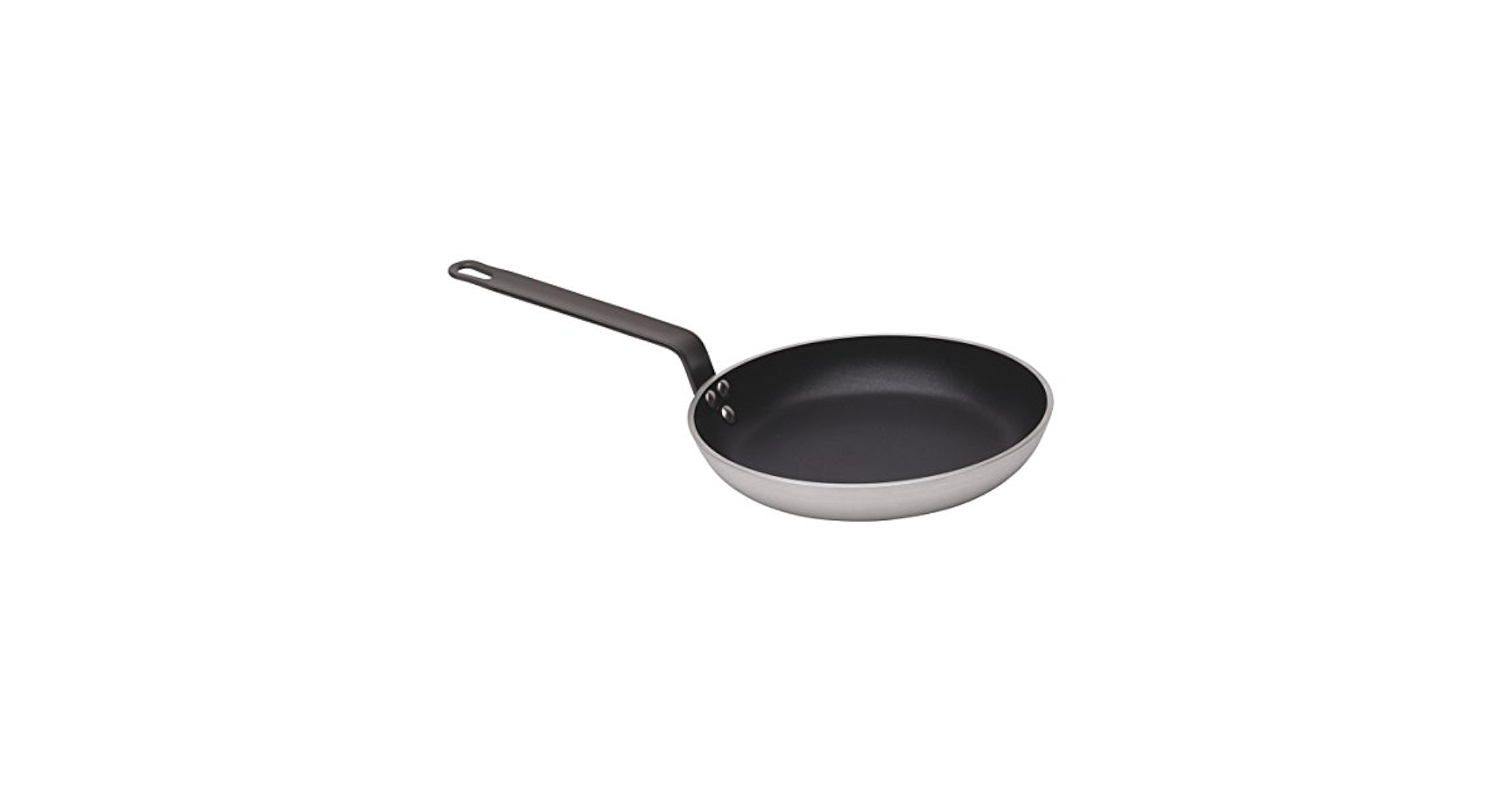
- Non-Stick Coated Aluminum:Lightweight and easy to clean, but coatings can degrade at high temperatures.
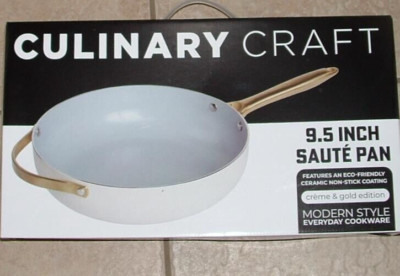
- Ceramic Coated:Offers a natural non-stick surface; however, it can chip if handled roughly.
- Carbon Steel:Similar to cast iron but lighter; it also needs regular seasoning.
Each material has its pros and cons, which directly affect how you should use your pan.
Material Impact On Oven Safety
Not all Kitchen Craft pans are designed to go into the oven. The material plays a big role in this.
For example, stainless steel and cast iron pans are typically oven-safe and can handle high temperatures without damage.
On the other hand, pans with plastic handles or non-stick coatings might not withstand oven heat above certain temperatures. Using these in the oven could cause melting or toxic fumes.
Have you ever tried putting a non-stick pan in the oven only to see the coating peel off? That’s a sign the material or construction wasn’t suitable for oven use.
Checking your pan’s material and manufacturer instructions will save you from ruined cookware and burnt meals.

Credit: www.amazon.com
Oven Compatibility Of Kitchen Craft Pans
Kitchen Craft pans are popular for everyday cooking. Many wonder if these pans can safely go in the oven. Knowing their oven compatibility helps avoid damage and ensures safe cooking. This section explains which Kitchen Craft pans are oven safe and what temperature limits to keep in mind.
Which Pans Are Oven Safe
Not all Kitchen Craft pans can be used in the oven. Some pans have plastic handles or coatings that are not heat resistant. Generally, pans made from metal like stainless steel or cast iron are safe for oven use.
- Stainless steel pans usually handle oven heat well.
- Cast iron pans are perfect for high-temperature cooking.
- Non-stick pans may be oven safe if labeled so, but check first.
- Avoid pans with wooden or plastic handles in the oven.
Always check the product details or packaging for oven safety information.
Temperature Limits To Consider
Each Kitchen Craft pan has a maximum temperature it can withstand. Exceeding this limit can cause warping or damage. Usually, oven-safe pans tolerate temperatures between 180°C (350°F) and 230°C (450°F).
| Pan Type | Max Oven Temperature |
|---|---|
| Stainless Steel | 230°C (450°F) |
| Cast Iron | 260°C (500°F) |
| Non-stick | 180°C - 200°C (350°F - 400°F) |
Check manufacturer instructions for exact temperature limits. Use oven mitts to avoid burns when handling hot pans.
Handle Types And Oven Use
Understanding handle types is crucial for using Kitchen Craft pans in the oven. Different handle materials affect how pans perform under heat. Knowing which handles are oven-safe ensures safe cooking.
Metal Handles
Metal handles are often safe for oven use. They can withstand high temperatures without damage. Stainless steel and cast iron are common choices. These materials don't warp or melt in the oven. Ensure the metal handle is securely attached. Loose handles can pose a safety risk.
Plastic And Silicone Handles
Plastic handles are not usually oven-safe. High heat can melt or deform them. Always check the manufacturer's instructions for temperature limits. Silicone handles offer more flexibility. Some can endure moderate oven temperatures. But, always verify the specific heat resistance. Avoid placing pans with plastic or silicone handles near direct heat sources. This includes broilers or open flames.
Credit: www.ebay.com
Tips For Safe Oven Use
Using Kitchen Craft pans in the oven can expand your cooking options. Safe oven use helps keep your pans in good shape. Follow these tips to avoid damage and clean them properly after baking.
Avoiding Damage
- Check the maximum oven temperature allowed for your pan.
- Do not place pans directly on open flames or heating elements.
- Use oven mitts to handle hot pans to avoid burns and drops.
- Avoid sudden temperature changes, like moving a hot pan to cold water.
- Do not stack heavy items on top of the pan while in the oven.
Proper Cleaning After Oven Use
Allow the pan to cool before washing to prevent warping. Use warm, soapy water and a soft sponge. Avoid harsh scrubbers or steel wool that can scratch the surface. For stubborn stains, soak the pan in warm water first. Dry the pan completely to stop rust and maintain its look.
Alternatives For Oven Cooking
When Kitchen Craft pans cannot go in the oven, there are other choices. These options help cook food safely and well. Using the right cookware is key to good results and safety. This section covers practical alternatives for oven cooking.
Using Oven-safe Cookware
Choose cookware made for oven use. Materials like cast iron, stainless steel, and oven-safe glass work well. These items handle high heat without damage. Always check the manufacturer's label for temperature limits.
Oven-safe pans come in many shapes and sizes. They suit roasting, baking, and broiling tasks. Handles should be metal or heat-resistant to avoid melting. This cookware keeps food cooking evenly and prevents accidents.
When To Use Bakeware Instead
Bakeware is designed for the oven. It includes dishes like baking sheets, ceramic pans, and glass casseroles. Use bakeware for cakes, casseroles, and baked vegetables. These tools spread heat evenly to cook food properly.
Bakeware often has smooth surfaces. This feature helps release baked goods easily. It also resists warping under high heat. If Kitchen Craft pans are not oven-safe, swap them for proper bakeware to protect your meal and cookware.
Credit: healthcraft.com
Frequently Asked Questions
Can Kitchen Craft Pans Be Used In An Oven?
Yes, most Kitchen Craft pans are oven-safe. Always check the specific pan’s temperature limits before use. Typically, they can handle temperatures up to 450°F (232°C). Avoid placing pans with plastic handles in the oven.
What Is The Maximum Oven Temperature For Kitchen Craft Pans?
Kitchen Craft pans generally withstand up to 450°F (232°C). Exceeding this temperature can damage the pan or its coating. Always refer to the manufacturer’s guidelines for exact temperature limits to ensure safe usage.
Are Kitchen Craft Non-stick Pans Oven Safe?
Many Kitchen Craft non-stick pans are oven safe but check for temperature restrictions. Non-stick coatings can degrade at high heat, so avoid exceeding the recommended temperature, usually around 350-400°F (175-200°C).
Can Kitchen Craft Pans With Plastic Handles Go In The Oven?
Pans with plastic handles are usually not oven safe. The plastic can melt or release harmful fumes at high temperatures. Always confirm handle material and manufacturer instructions before oven use.
Conclusion
Kitchen Craft pans can usually go in the oven safely. Always check the pan’s material and handle type before use. Avoid placing pans with plastic or wooden handles in hot ovens. Using the right temperature keeps your pans in good shape longer.
Oven use opens up many cooking possibilities with these pans. Treat your pans well, and they will serve you for years. Simple care and attention make cooking easier and more fun.