

Have you ever wondered if kitchen foil is safe to use in your oven? You’re not alone.
Many people ask this question because they want to cook or bake efficiently without ruining their food—or their cookware. Using foil the wrong way can lead to smoke, fire, or even damage to your oven. But when used correctly, it can be a helpful tool to keep your meals juicy and your cleanup easy.
Keep reading to find out exactly how you can use kitchen foil safely in your oven and avoid common mistakes that many people make. Your cooking game is about to get a serious upgrade!
Oven-safe Uses Of Kitchen Foil
Kitchen foil is a versatile tool in the oven. It handles heat well and serves many purposes during cooking. Knowing its safe uses helps avoid problems like fires or food damage.
Oven-safe kitchen foil can protect food, keep moisture, and make cleanup easier. It works great for different cooking tasks without risk.
Covering Dishes For Even Cooking
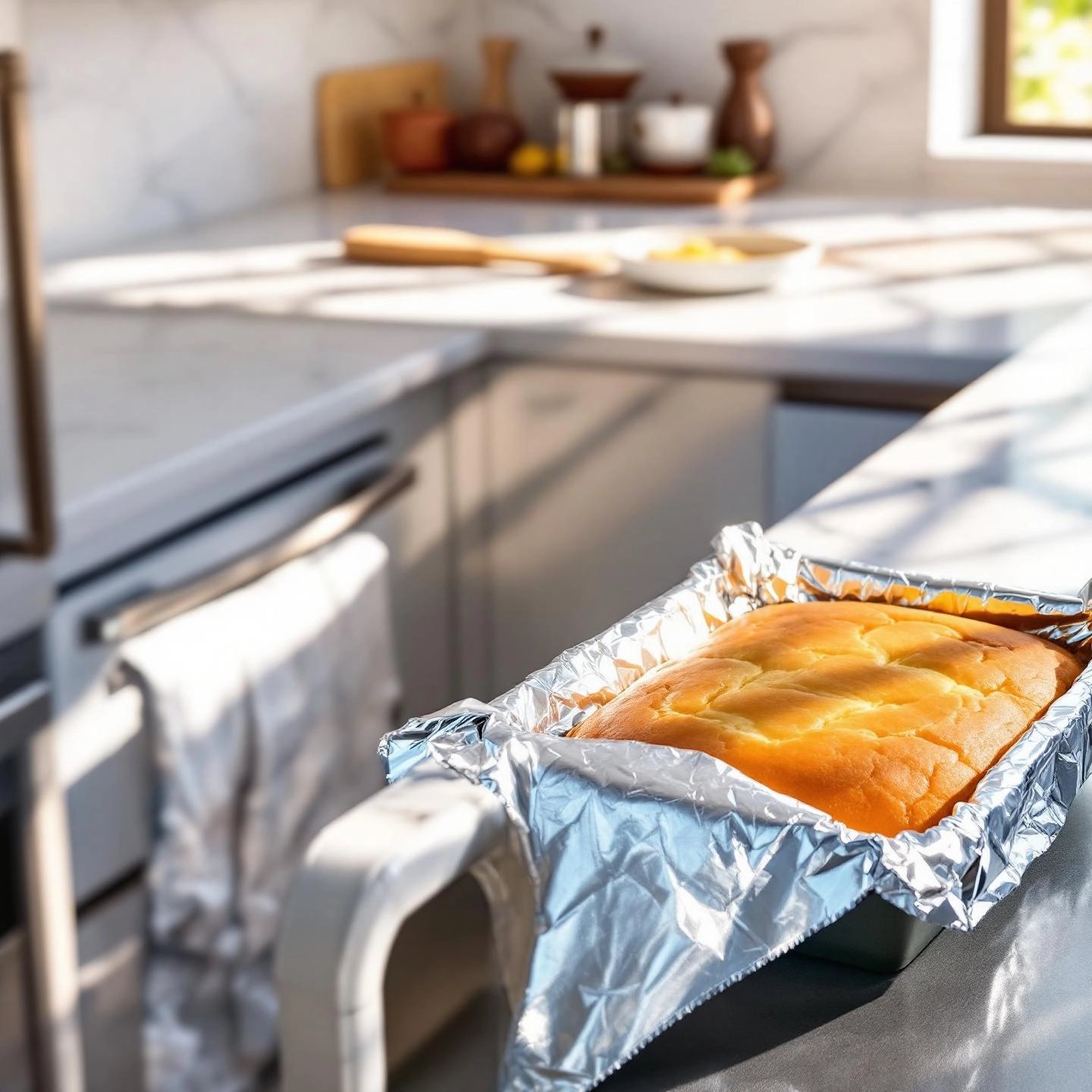
Covering dishes with foil helps food cook evenly. It traps heat and spreads it around the food. This stops the top from burning while the inside cooks fully.
Use foil to cover casseroles, roasts, and baked pasta. It keeps moisture in and creates a gentle cooking environment. Remove foil near the end to brown the food.
Lining Baking Trays
Lining baking trays with foil makes cleanup fast and simple. It catches drips and spills during cooking. This protects the tray and keeps it clean.
Foil lining also helps food release easily from the tray. No sticking means better presentation and less waste. It works well for roasting vegetables or baking cookies.
Wrapping Food For Moisture Retention
Wrapping food tightly with foil locks in moisture and flavor. This method is perfect for fish, chicken, and vegetables. The foil creates a small steam chamber inside.
Food stays juicy and tender after baking or grilling. Wrapping also prevents direct heat damage. It keeps food fresh and tasty during cooking.
Credit: www.shengxinaluminium.com
Risks Of Using Foil In The Oven
Using kitchen foil in the oven might seem like a simple way to keep your dishes clean or cook food evenly. However, it carries some risks that could affect your safety and the quality of your meals. Understanding these risks helps you decide when and how to use foil without causing problems.
Fire Hazards And Melting
Aluminum foil can catch fire if it touches heating elements or if used in a microwave oven. Thin foil might also melt under extremely high temperatures, creating a mess and damaging your oven. Have you ever noticed tiny sparks when foil crinkles inside the oven? That’s a warning sign you should never ignore.
Impact On Oven Heating
Covering oven racks or lining the bottom of your oven with foil can block heat and air circulation. This can cause uneven cooking or even damage your oven’s heating system over time. It’s tempting to catch drips and spills, but this habit might make your oven work harder and wear out faster.
Potential Food Contamination
When foil heats up, it can sometimes react with acidic or salty foods, causing aluminum to leach into your meal. This not only affects taste but may raise health concerns if consumed regularly. If you’ve ever noticed a metallic taste in your food, the foil might be the culprit.
Types Of Foil Suitable For Ovens
Choosing the right type of foil for your oven use matters more than you might think. Not all foils handle heat the same way, and picking the wrong one can affect your cooking results or even damage your oven. Let’s look at the types of foil that work well in ovens and why they matter.
Standard Aluminum Foil
Standard aluminum foil is the most common foil found in kitchens. It’s thin and flexible, making it perfect for wrapping food or lining baking trays.
This foil can handle typical oven temperatures, usually up to 600°F (315°C), without melting or burning. However, it tears easily, so be gentle when using it to avoid holes that let juices drip and cause a mess.
Have you ever noticed food sticking to your foil? Using non-stick spray or flipping the food can prevent this problem and make cleanup easier.
Heavy-duty Foil
Heavy-duty foil is thicker and stronger than the standard kind. If you often roast large items or cook at higher temperatures, this foil is a better choice.
Its durability means it won’t tear as easily, and it holds up well under heavy weight or sharp edges. This makes it ideal for lining pans, covering casseroles, or wrapping food tightly for slow roasting.
Think about the last time your foil ripped in the oven—switching to heavy-duty could save you from that hassle.
Alternatives To Aluminum Foil
Sometimes, aluminum foil isn’t the best option, especially if you’re concerned about health or environmental impact. Silicone baking mats and parchment paper are great alternatives.
Silicone mats can be reused many times and handle oven heat safely, while parchment paper works well for baking and prevents sticking without tearing.
Have you tried these options? They might surprise you with how well they perform and how easy they make cleanup.
Credit: yutwinaluminumfoil.com
Safe Practices When Using Foil
Using kitchen foil in the oven can be very convenient, but it requires careful handling to keep your cooking safe and effective. Knowing how to avoid common mistakes will protect your oven and food from damage or unexpected results. Let’s focus on some practical tips that can help you use foil without worry.
Avoiding Direct Contact With Heating Elements
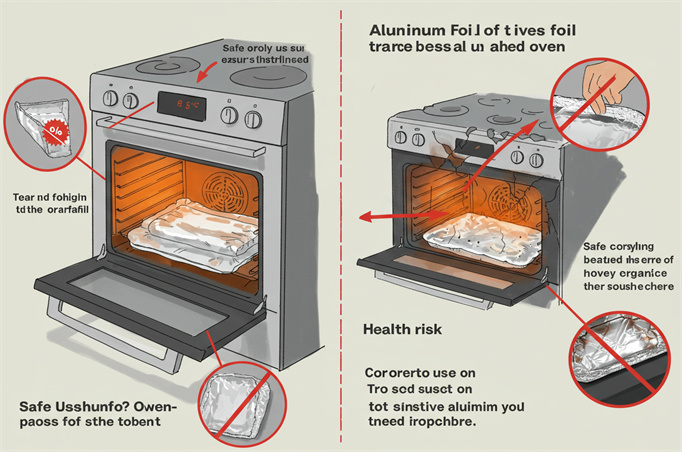
Never let the foil touch the heating elements in your oven. Foil that comes into contact with these parts can melt or catch fire. Instead, keep foil-lined trays or pans positioned so the foil stays clear of the top and bottom heating elements.
Have you ever noticed sparks or smoke when using foil? This usually means the foil touched a heating element. Keep a safe gap to prevent dangerous situations and maintain your oven’s longevity.
Proper Placement In The Oven
Place foil carefully inside the oven to avoid blocking air flow. Blocking vents or covering oven racks entirely with foil can trap heat unevenly, leading to poorly cooked food or even overheating. Use foil only to cover food or line baking pans, leaving space around it for air circulation.
Think about how the heat moves in your oven. If you cover the bottom fully with foil, grease or spills can get trapped, creating smoke or fire hazards. Instead, place foil on a tray to catch drips or loosely tent it over dishes to keep moisture in.
Using Foil With Different Oven Types
Not all ovens react the same to foil. In a conventional oven, foil is generally safe when used correctly. However, in microwave ovens, foil can cause sparks and damage the appliance.
Convection ovens circulate hot air, so foil that blocks airflow can affect cooking times and results. Gas ovens produce open flames, which means foil can catch fire if not used cautiously. Always check your oven’s manual or manufacturer guidelines before using foil.
Expert Tips For Best Results
Using kitchen foil in the oven is safe if it does not touch heating elements. Avoid covering oven racks completely to allow air circulation. Always check oven instructions for best practices.
Cooking with kitchen foil can be a game changer. It offers convenience, speed, and a way to lock in flavors. But how do you ensure you’re using it to its full potential? Here are some expert tips to help you get the best results when using foil in the oven.
Preventing Foil From Tearing
Torn foil can lead to leaks and messes in your oven. To prevent this, always use heavy-duty foil for cooking. It’s more robust and less likely to rip under the weight of food. When covering dishes, ensure the foil is taut. Loose foil is prone to tears, especially when moved. Double wrap any sharp-edged foods to keep the foil intact.
Combining Foil With Parchment Paper
Foil is great for heat conductivity, but it can stick to certain foods. Try layering parchment paper on top of the foil. This creates a non-stick surface that protects your food. The combination also helps with even cooking. The parchment paper distributes heat more evenly, reducing the chances of burning.
Cleaning Foil After Use
Want to be more eco-friendly? Reuse your foil. After cooking, let it cool and gently clean it with soapy water. For stubborn bits, let the foil soak briefly to loosen them. Wipe dry and it's ready for another round. This simple habit can save you money and reduce waste. Are you ready to take your cooking to the next level? Try these tips and enjoy hassle-free meals with perfect results every time.
Credit: www.rd.com
Frequently Asked Questions
Can Kitchen Foil Be Used Safely In The Oven?
Yes, kitchen foil is oven-safe and commonly used for cooking. It can withstand high temperatures without melting or burning. Always avoid direct contact with heating elements to prevent fire risks.
Does Aluminum Foil Affect Cooking Time In The Oven?
Aluminum foil can slightly speed up cooking by reflecting heat. It helps distribute heat evenly and retains moisture. However, it doesn't drastically change overall cooking time.
Can I Cover Food With Foil In The Oven?
Covering food with foil in the oven helps retain moisture and prevents over-browning. It is especially useful for baking and roasting to keep food tender and juicy.
Is It Safe To Wrap Acidic Foods In Foil For Baking?
Wrapping acidic foods in foil is not recommended. Acid reacts with aluminum, causing foil to break down and affect flavor. Use parchment paper or glass containers instead.
Conclusion
Kitchen foil is safe to use in the oven in many cases. It helps keep food moist and makes cleanup easier. Avoid letting the foil touch heating elements or the oven walls. Use it to cover dishes or line trays carefully.
Always follow recipe or oven instructions for best results. Knowing how to use kitchen foil correctly keeps cooking safe and simple. Try it next time you bake or roast. It makes cooking easier and protects your food well.