
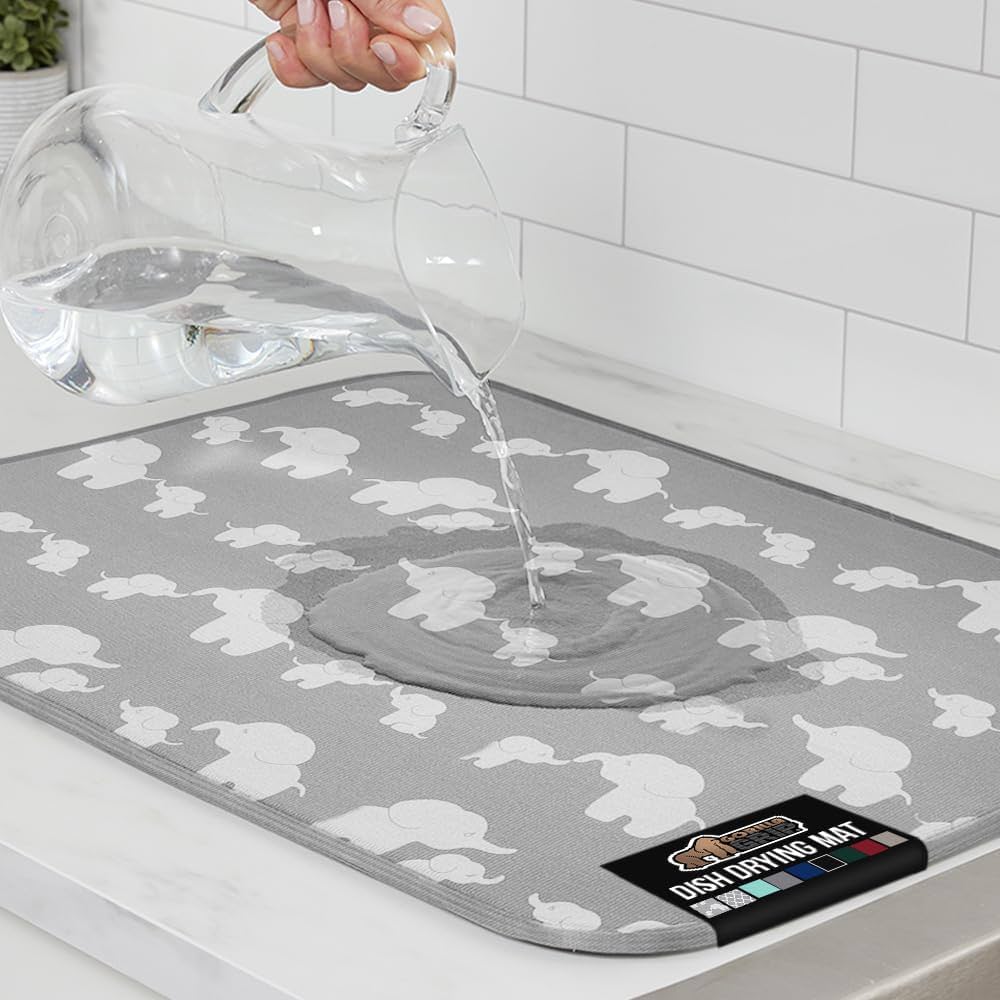
You spend a lot of time in your kitchen, so keeping it clean is important. But what about your kitchen mats?
They catch spills, crumbs, and dirt every day. You might wonder, can kitchen mats be washed in the washing machine? If you’re tired of scrubbing by hand or worrying about damaging your mats, this question matters to you. You’ll discover the best way to clean your kitchen mats safely and easily.
Keep reading to find out how to keep your kitchen fresh without any hassle.
Types Of Kitchen Mats
Kitchen mats come in various types, each designed for different uses and comfort levels. Knowing the type helps to decide if they can be washed in a machine. Some mats are durable and easy to clean, while others need gentle care.
Rubber Mats
Rubber mats are strong and water-resistant. They provide good grip and protect floors from spills. These mats usually do not go well in washing machines. Cleaning with a damp cloth or hose works better for them.
Foam Mats
Foam mats offer soft cushioning for standing comfort. They are lightweight and often used in front of sinks. Some foam mats are machine washable, but many require hand washing. Check the label to be sure.
Fabric Mats
Fabric mats come in many patterns and colors. They absorb moisture well and feel soft underfoot. Most fabric mats can be washed in a machine. Use a gentle cycle and mild detergent to keep them fresh.
Cushioned Mats
Cushioned mats have extra padding for comfort and support. They combine foam and fabric materials. Washing machines may damage their padding. Spot cleaning or hand washing is usually safer.
Machine Washability Factors
Understanding whether your kitchen mat can be washed in a washing machine depends on several key factors. These factors influence not only the cleaning effectiveness but also the longevity of your mat. Paying attention to these details helps you avoid damage and keeps your kitchen mat looking fresh and clean.
Material Durability
The type of material your kitchen mat is made from plays a big role in deciding if it can handle a washing machine cycle. Rubber-backed mats, for example, might lose their grip or degrade if washed too aggressively. On the other hand, fabric mats like cotton or microfiber usually hold up well in the machine.
Think about the last time you washed a delicate piece of clothing. Did it survive the wash? The same idea applies here—less durable materials may shrink, tear, or lose their texture. If your mat feels thick and sturdy, it’s more likely to withstand machine washing without issues.
Size And Weight
Is your kitchen mat small enough to fit comfortably in your washing machine? Oversized or very heavy mats can strain the machine’s motor and may not get cleaned properly. They can also unbalance the washer during spin cycles, which might cause damage to both the mat and the machine.
Try weighing your mat and comparing it to your washer’s load capacity. If it feels too bulky, you might want to consider spot cleaning or hand washing instead. Have you ever had an overloaded wash cycle ruin your clothes? Avoid that risk with large kitchen mats.
Manufacturer Instructions
Always check the care label or manufacturer’s instructions before tossing your kitchen mat into the washing machine. These guidelines are designed specifically for the product’s material and construction. Ignoring them can lead to irreversible damage or void any warranty.
If you can’t find any instructions, try searching online using the brand and model. Many manufacturers provide detailed care advice on their websites. Would you trust a product’s advice over guesswork when it comes to washing?
Preparing Mats For Washing
Remove loose dirt and debris by shaking or vacuuming the kitchen mat first. Check the care label for washing instructions and secure any straps or hooks before placing it in the machine.
Preparing your kitchen mats for washing is a crucial step. It ensures they remain in good condition and clean effectively. Proper preparation helps prevent damage during the wash cycle. Here’s how to get started.
Removing Debris
Shake the mat outdoors to remove loose dirt. Use a vacuum to suck up stubborn dust and crumbs. Ensure no debris is left before washing. This prevents clogging your machine.
Checking For Damage
Inspect the mat for tears or frayed edges. Damaged mats may worsen in a washing machine. Fix any small tears with fabric glue if possible. Otherwise, consider hand-washing to avoid further damage.
Pre-treating Stains
Identify any visible stains on the mat. Apply a mild detergent or stain remover to the spot. Let it sit for a few minutes. This helps break down tough stains before washing. Make sure the stain remover is suitable for the mat's material.

Credit: www.amazon.com
Washing Machine Settings
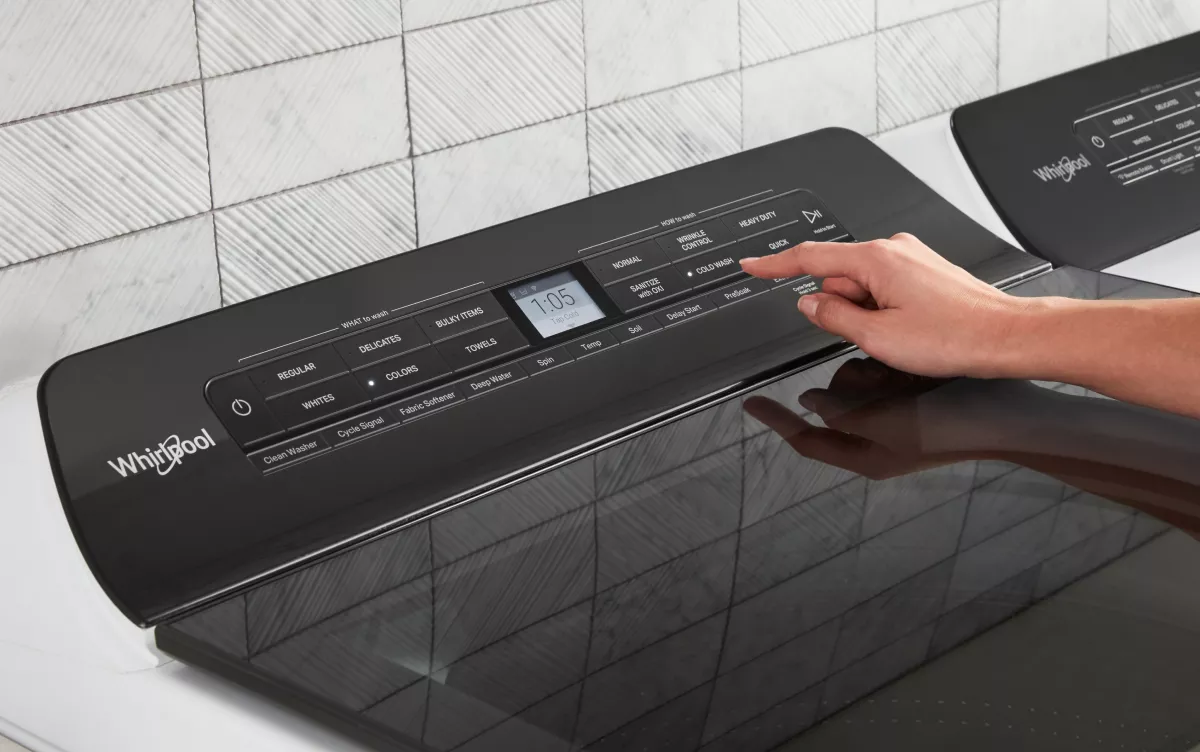
Setting the washing machine properly is key to cleaning kitchen mats safely. Correct settings protect the mat’s material and make washing effective. Adjust settings based on the mat's fabric and dirt level. This ensures a thorough clean without damage.
Water Temperature
Choose water temperature based on the mat’s material. Cold water works well for rubber or foam mats. Warm water suits cotton or polyester mats. Avoid hot water to prevent shrinking or damage.
Cycle Type
Select a gentle or delicate cycle for kitchen mats. This cycle uses slower spin speeds and less agitation. It reduces wear and tear on the mat. Avoid heavy or bulky cycles to keep the mat intact.
Detergent Choice
Use mild detergent to protect the mat’s fibers. Avoid bleach or harsh chemicals. Choose a detergent labeled safe for colors and delicate fabrics. This keeps the mat clean and in good condition.
Drying Kitchen Mats
Drying kitchen mats properly after washing is just as important as cleaning them. The right drying method keeps your mats in good shape and prevents damage that can shorten their life. Paying attention to how you dry your mats can save you time and money while keeping your kitchen safe and comfortable.
Air Drying Tips
Air drying is the safest way to dry most kitchen mats. Hang your mat over a clothesline or drape it over a railing where air can circulate freely. Make sure the mat is completely flat or evenly hung to avoid wrinkles or folds that trap moisture.
If your kitchen mat has a rubber backing, place it upside down so the backing gets enough air to dry. Avoid drying mats in direct sunlight for long periods, as this can cause colors to fade or materials to degrade.
Avoiding Heat Damage
Heat can easily damage kitchen mats, especially those made of rubber or foam. High temperatures may cause warping, melting, or cracking. If your mat feels stiff or starts to curl after drying, heat exposure is likely the cause.
To protect your mat, never use hot water or place it near heaters and radiators. Instead, choose a shaded, well-ventilated spot to dry and check it regularly during the drying process to catch any signs of damage early.
When To Use A Dryer
Some kitchen mats can go in the dryer, but only if the care label explicitly says so. Use the lowest heat setting and remove the mat promptly once dry to prevent overheating. Adding a few clean towels can help reduce drying time and cushion the mat during the cycle.
If you’re unsure, test with a small corner or skip the dryer altogether. Is saving a few minutes worth risking permanent damage? Often, patience with air drying pays off more than the convenience of a dryer.
Alternative Cleaning Methods
Alternative cleaning methods offer gentle care for kitchen mats. These approaches help maintain the mat's quality and extend its life. They work well for mats that are delicate or not suitable for machine washing.
Hand Washing
Hand washing is a safe way to clean most kitchen mats. Use warm water and mild detergent for best results. Soak the mat for a few minutes to loosen dirt. Gently scrub with a soft brush or cloth. Rinse thoroughly to remove soap. Let the mat air dry completely before use.
Spot Cleaning
Spot cleaning targets small stains without washing the entire mat. Dampen a cloth with water and mild soap. Dab the stained area carefully to avoid spreading. Use a clean, damp cloth to remove soap residue. Allow the spot to dry naturally. This method saves time and keeps the mat fresh.
Using Vinegar And Baking Soda
Vinegar and baking soda create a natural cleaning duo. Sprinkle baking soda on the mat to absorb odors and loosen dirt. Spray or pour white vinegar over the baking soda. Let it fizz and sit for 10-15 minutes. Scrub gently with a brush, then rinse well. Dry the mat in open air to prevent mildew.
Maintaining Kitchen Mats
Maintaining kitchen mats is key to keeping your cooking space clean and safe. These mats face spills, crumbs, and constant foot traffic, which can cause them to wear out or harbor bacteria if neglected. Taking care of your mats ensures they stay fresh, comfortable, and hygienic for daily use.
Regular Cleaning Schedule
Set a routine to clean your kitchen mats regularly. You might find weekly cleaning enough if your kitchen sees heavy use, but lighter use could mean biweekly or monthly washing works better. Sticking to a schedule prevents dirt buildup and keeps your mats looking their best.
Try shaking out the mats daily to remove crumbs and debris before they settle in. Spot clean spills immediately with a damp cloth to avoid stains. For deeper cleaning, check the care label to see if your mat can go in the washing machine—many do, but some require hand washing or spot treatment.
Preventing Mold And Odors
Have you noticed a musty smell coming from your kitchen mats? This often means moisture is trapped underneath, creating a perfect environment for mold. After cleaning, always let your mats dry completely before placing them back on the floor.
Consider using mats with breathable backing or those made from materials that don’t retain water easily. If your kitchen is humid, try lifting the mats occasionally to air out the floor beneath. Adding a few drops of essential oils during cleaning can help keep unpleasant odors away.
Replacing Worn Mats
Even with the best care, kitchen mats don’t last forever. When you notice thinning, tears, or a loss of cushioning, it’s time to replace them. Worn mats can lose their slip resistance, which might cause accidents, and they often trap more dirt than they clean.
Think about how your mat feels underfoot. If it’s become hard or cracked, swapping it out will make your kitchen more comfortable and safer. Investing in a new mat can also refresh the look of your kitchen without a full renovation.
Credit: www.whirlpool.com

Credit: www.amazon.com
Frequently Asked Questions
Can All Kitchen Mats Be Washed In A Washing Machine?
Not all kitchen mats are machine washable. Check the care label for washing instructions. Mats made from fabric or rubber often are safe to machine wash.
What Washing Settings Are Best For Kitchen Mats?
Use a gentle cycle with cold water to protect the mat's material. Avoid hot water as it can damage the backing or cause shrinkage.
Should I Use Detergent Or Bleach On Kitchen Mats?
Use mild detergent only. Avoid bleach as it can weaken fibers and fade colors, reducing the mat's durability and appearance.
How Often Should Kitchen Mats Be Washed In A Machine?
Wash kitchen mats every 1-2 weeks to maintain cleanliness and hygiene. Frequent washing prevents buildup of dirt, grease, and bacteria effectively.
Conclusion
Kitchen mats can usually be washed in a washing machine safely. Always check the care label first for specific instructions. Use gentle cycles and mild detergent to protect the mat’s material. Avoid high heat when drying to prevent damage. Regular washing keeps mats clean and fresh.
Clean mats help maintain a healthy kitchen space. Washing mats saves money by extending their life. Small effort, big difference in kitchen hygiene. Give your kitchen mats a simple wash to keep them looking good.