
Your kitchen sponge works hard every day, scrubbing away food scraps and grease. But have you ever stopped to wonder if it’s really clean?
You might be surprised to learn that your sponge can harbor a lot of germs—even after a quick rinse. So, can kitchen sponges be sanitized? The answer could save you from unknowingly spreading bacteria in your own home. Keep reading to discover simple, effective ways to keep your sponge—and your kitchen—truly clean and safe.
Why Kitchen Sponges Harbor Germs
Kitchen sponges are a common tool for cleaning dishes and surfaces. They stay wet and hold food particles. These conditions make sponges a perfect place for germs to grow. Understanding why sponges harbor germs helps us keep kitchens safer and cleaner.
Moisture And Bacteria Growth
Sponges stay damp for long periods. Moisture creates a warm environment. Bacteria need warmth and moisture to multiply fast. The tiny holes in sponges trap water. This makes it easier for bacteria to live inside.
Common Contaminants On Sponges
Sponges pick up many types of germs. Food scraps carry bacteria from raw meat, vegetables, and fruits. Dirt and grease also stick to sponges. Harmful microbes include:
- Salmonella
- E. coli
- Staphylococcus
These bacteria survive well in the sponge's moist environment.
Health Risks From Dirty Sponges
Dirty sponges spread germs to dishes and surfaces. This can cause food poisoning and infections. Symptoms may include stomach pain, diarrhea, and fever. Children and older adults are more at risk. Using a dirty sponge increases chances of illness in your home.
Credit: medium.com
Effective Methods To Sanitize Sponges
Kitchen sponges get dirty fast and can hold many germs. Sanitizing them keeps your kitchen safer and fresher. Several simple methods clean and kill bacteria effectively. These methods use heat, chemicals, or both to refresh your sponges.
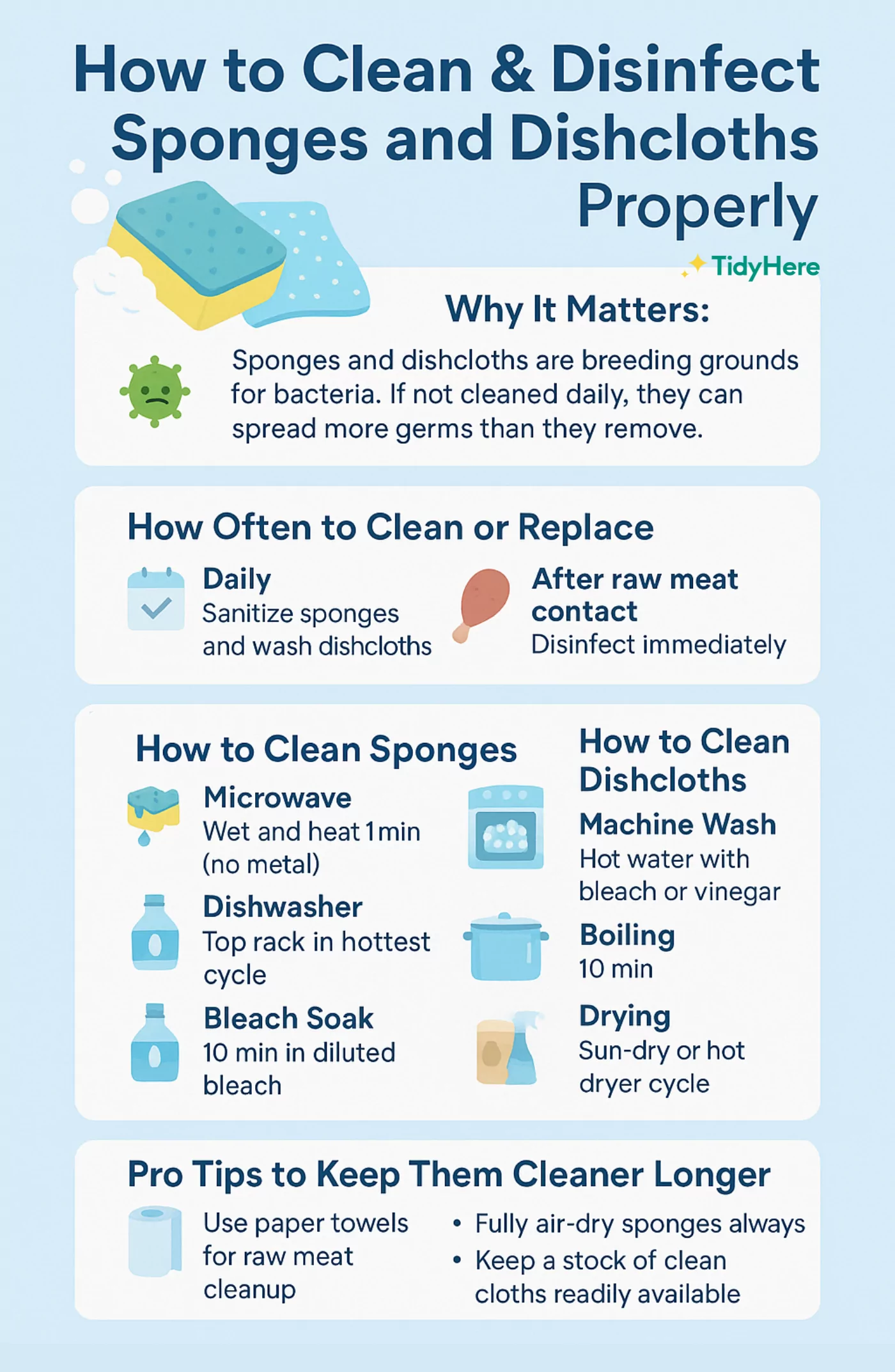
Microwave Sanitizing Technique
Wet the sponge completely before microwaving. Place it in the microwave and heat on high for one to two minutes. The heat kills most germs inside the sponge. Let it cool before removing to avoid burns. This method is quick and easy for daily cleaning.
Using The Dishwasher
Put the sponge on the top rack of the dishwasher. Run it through a hot water cycle with detergent. The high temperature and soap clean and sanitize the sponge well. This method is convenient if you run the dishwasher regularly.
Boiling Sponges For Cleanliness
Boil a pot of water and place the sponge inside for five minutes. Boiling kills bacteria and loosens food particles. Remove the sponge carefully and let it dry before use. This method works well for deep cleaning sponges.
Bleach Solution Soak
Mix one tablespoon of bleach with one quart of water. Soak the sponge in this solution for five minutes. Bleach kills bacteria and disinfects the sponge thoroughly. Rinse the sponge well with water after soaking. Use this method occasionally to avoid damage to the sponge.
Natural Ways To Disinfect Sponges
Kitchen sponges often hold bacteria and germs. Cleaning them naturally keeps your kitchen safe and fresh. Natural disinfecting methods use simple household items. These methods avoid harsh chemicals and are easy to do at home.
Vinegar Soak Method
Vinegar is a natural disinfectant. Soak the sponge in white vinegar for at least 5 minutes. Vinegar kills many types of bacteria and mold. After soaking, rinse the sponge well with water. Let it dry completely before using again.
Lemon Juice Cleaning
Lemon juice has natural antibacterial properties. Squeeze fresh lemon juice over the sponge or soak it in lemon water. Leave it for about 10 minutes to kill germs. Rinse the sponge thoroughly and air dry. The lemon also leaves a fresh scent.
Hydrogen Peroxide Treatment
Hydrogen peroxide is a powerful natural cleaner. Pour 3% hydrogen peroxide over the sponge or soak it briefly. It kills bacteria and viruses effectively. Rinse the sponge well after treatment. Always store the sponge in a dry place to prevent new bacteria growth.
How Often To Sanitize Or Replace Sponges
Kitchen sponges can be sanitized regularly using hot water or a microwave. Replace sponges every two weeks to keep germs away. Frequent cleaning helps maintain a healthy kitchen environment.
Keeping your kitchen sponges clean is more crucial than you might think. Sponges are notorious for harboring bacteria, and not just the benign kind. If left unchecked, they can become a breeding ground for harmful germs that could make your family sick. So, how often should you sanitize or replace these kitchen essentials to ensure a healthy home?
Signs Your Sponge Needs Replacement
Is your sponge beginning to smell? That's a clear sign it's time to toss it. A foul odor indicates bacterial growth, which can spread to your dishes and countertops. Also, pay attention to its appearance. If your sponge is discolored or starts to break apart, it’s past its prime. An old sponge is less effective at cleaning and more likely to harbor bacteria.
Recommended Sanitizing Frequency
Sanitizing your sponge should be a regular part of your kitchen routine. Ideally, you should sanitize it every few days. This keeps germs at bay and extends the life of your sponge. There are simple methods to sanitize your sponge. You can soak it in a bleach solution, microwave it for a minute, or run it through a dishwasher cycle. Each method effectively kills bacteria, but remember to let the sponge dry completely afterwards. Ultimately, the key is consistency. Regular sanitizing, paired with timely replacement, ensures your kitchen stays a safe space. How often do you find yourself replacing your kitchen sponge? If it’s been a while, today might be the perfect time to make a change.
Tips To Keep Kitchen Sponges Germ-free
Keeping your kitchen sponges germ-free is essential for a healthier cooking environment. Sponges are a breeding ground for bacteria if not handled properly. Simple habits can make a big difference in reducing germs and extending your sponge's life.
Proper Sponge Storage
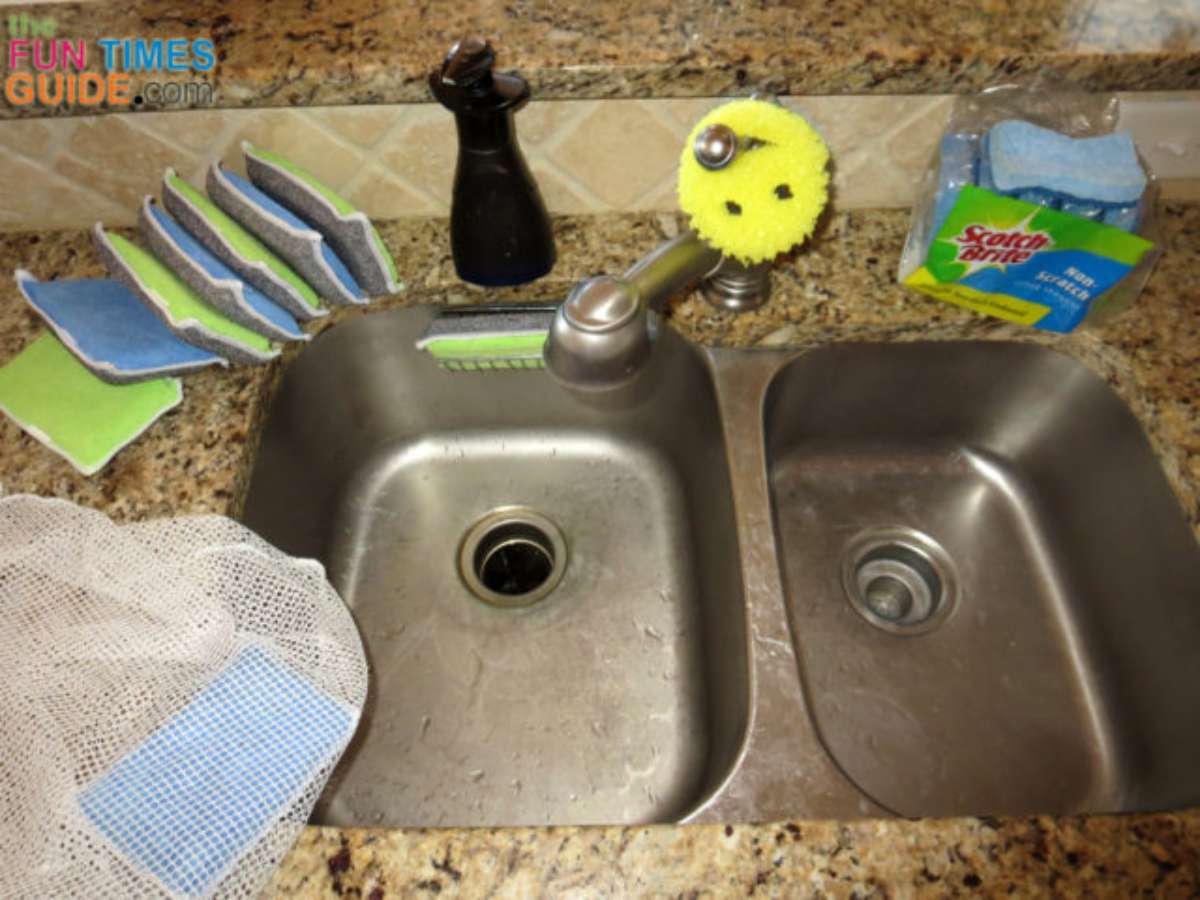
Where you keep your sponge matters a lot. Avoid leaving it sitting in a wet sink or on a flat surface where water collects. Instead, store your sponge in a holder that allows air to circulate freely.
This small change helps your sponge dry faster and prevents bacteria from multiplying. Think about your last sponge—did you leave it in a puddle of water? Changing that habit can cut down on germs significantly.
Drying Sponges Quickly
Moisture is the enemy of cleanliness when it comes to sponges. After each use, rinse your sponge thoroughly and squeeze out all excess water. Then, place it somewhere it can dry completely between uses.
Some people microwave their damp sponges for a minute to kill bacteria, but drying is the easiest and safest way to keep germs away. Have you noticed how your sponge feels when it’s left damp for too long? That’s a sure sign bacteria are thriving.
Using Different Sponges For Different Tasks
Using one sponge for everything in your kitchen can spread bacteria from one surface to another. Assign specific sponges for different tasks, such as one for dishes, another for countertops, and a separate one for cleaning the sink.
This practice helps contain germs and reduces cross-contamination. It’s a small step that makes a big difference in kitchen hygiene. Could separating your sponges make your kitchen safer?

Credit: tidyhere.com
Credit: household-tips.thefuntimesguide.com
Frequently Asked Questions
Can Kitchen Sponges Be Effectively Sanitized?
Yes, kitchen sponges can be sanitized using methods like microwaving, boiling, or soaking in bleach. These kill most bacteria and reduce odors, extending sponge life and maintaining kitchen hygiene.
How Often Should Kitchen Sponges Be Sanitized?
Sanitize kitchen sponges at least once a week. Frequent cleaning helps prevent bacteria buildup and keeps the sponge safe for daily use.
What Is The Safest Way To Sanitize A Sponge?
The safest way is soaking the sponge in a diluted bleach solution for five minutes. This method kills germs effectively without damaging the sponge.
Can Microwaving Sanitize A Wet Kitchen Sponge?
Yes, microwaving a wet sponge for one to two minutes kills most bacteria. Always ensure the sponge is wet to avoid fire hazards.
Conclusion
Kitchen sponges can be sanitized to reduce germs and bacteria. Regular cleaning helps keep them safer for use. Microwaving, boiling, or using a dishwasher are simple methods. Still, sponges wear out fast and should be replaced often. Clean sponges can help maintain a healthier kitchen environment.
Remember, a clean sponge means cleaner dishes and less risk of illness. Take care of your sponges to keep your kitchen fresh and safe.