
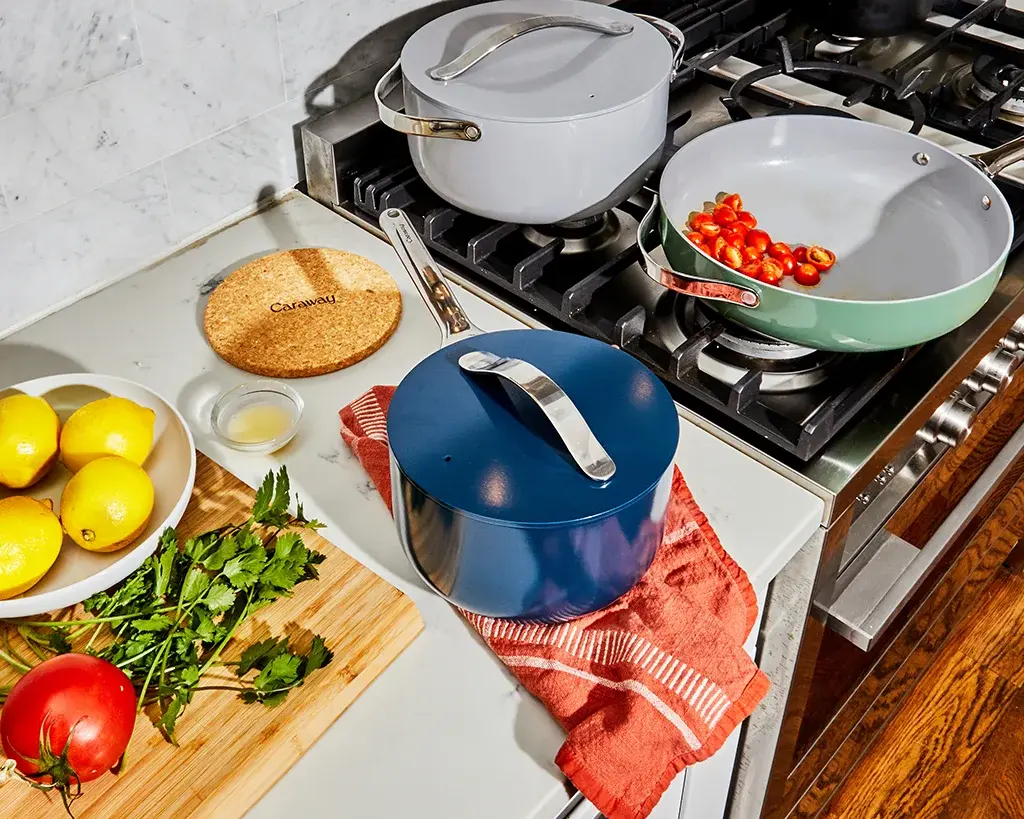
Have you ever wondered if you can put your kitchen towel in the oven? It’s a simple question, but the answer could save your kitchen from a fire hazard or ruined towels.
You might be thinking, “It’s just fabric—how dangerous can it be? ” Before you toss that towel onto a hot tray or inside your oven, it’s important to know the facts. Keep reading to discover what really happens when kitchen towels meet heat—and how to keep your cooking safe and smart.

Credit: www.yahoo.com
Types Of Kitchen Towels
Kitchen towels come in many types. Each type serves different purposes in the kitchen. Choosing the right towel affects cleaning, drying, and safety. Some towels handle heat better than others. Understanding towel materials helps decide if they can go in the oven.
Cotton Towels
Cotton towels are soft and absorbent. They dry dishes and hands well. Cotton can handle moderate heat. But high oven temperatures may cause damage. Cotton towels are common and easy to wash.
Linen Towels
Linen towels are strong and durable. They dry quickly and resist stains. Linen can tolerate more heat than cotton. They are thinner and less fluffy. Linen towels are great for kitchen use but still not made for oven use.
Microfiber Towels
Microfiber towels are synthetic and very absorbent. They clean grease and spills well. Microfiber does not handle heat well. High oven heat can melt or burn them. Avoid using microfiber towels near ovens or hot surfaces.
Other Materials
Some towels are made from blends or special fabrics. Examples include bamboo, polyester, or hemp. These materials have different heat tolerances. Most are not safe for oven use. Always check the label before exposing towels to heat.
Heat Resistance Of Towels
Understanding the heat resistance of kitchen towels is crucial before you consider putting them in an oven. Not all towels can handle the high temperatures without damage or risk. Knowing the limits helps you avoid accidents and keeps your kitchen safe.
Temperature Limits
Most kitchen towels are designed for absorbing spills and drying dishes, not for high heat exposure. Typical cotton towels can withstand temperatures up to around 400°F (204°C), but going beyond this can cause scorching or burning.
Have you ever noticed your towel discoloring or smelling burnt after accidentally touching a hot pan? That’s a clear sign the towel exceeded its heat tolerance. Always check the towel’s label or manufacturer instructions for temperature guidelines before using it near heat sources.
Fire Hazards
Placing a towel in the oven can be a serious fire risk. Towels are flammable and can ignite quickly if exposed to direct heat or open flames. Even damp towels can catch fire if exposed to hot heating elements or broilers.
Think about how quickly paper towels can burn—fabric towels behave similarly at high temperatures. If you want to cover food in the oven, consider using oven-safe lids or foil instead of towels to reduce fire hazards.
Material Melting Points
Different towel materials react differently to heat. Cotton and linen towels can char or ignite, while synthetic fibers like polyester can melt and stick to surfaces.
Polyester starts to melt at around 482°F (250°C), which is lower than many oven cooking temperatures. This melting not only ruins the towel but can also create toxic fumes. Choosing towels made from 100% natural fibers is safer if you want some heat resistance, but even then, avoid direct oven contact.
Risks Of Putting Towels In Oven
Placing kitchen towels in the oven can cause them to catch fire or melt, creating a safety hazard. Towels are not designed to withstand high oven temperatures and may release harmful fumes. Always avoid using towels inside the oven to prevent accidents.
Placing a kitchen towel in the oven poses serious risks. Many overlook these dangers. Let's explore them in detail.
Fire Risks
Kitchen towels are highly flammable. In an oven, they can catch fire quickly. Even at low temperatures, the risk persists. Cotton and polyester towels ignite easily. This can lead to dangerous kitchen fires. Always keep flammable items out of the oven.
Toxic Fumes
Some towels are treated with chemicals. When heated, these chemicals release toxic fumes. Breathing these fumes can be harmful. They may cause respiratory issues. It's best to avoid such risks. Use oven-safe alternatives instead.
Damage To Towels And Oven
Heat can damage towels, making them unusable. They may shrink or discolor. Fibers can melt and stick to oven surfaces. This creates a cleaning nightmare. It can also damage the oven's heating elements. Always choose oven-proof materials for cooking. `
Safe Alternatives For Oven Use
Using the right tools in the kitchen is important for safety. Kitchen towels are not made to handle high heat. They can catch fire or melt in the oven. Safe alternatives protect your hands and prevent accidents. These tools are designed to withstand oven temperatures and keep you safe.
Oven Mitts And Gloves
Oven mitts and gloves are made from heat-resistant materials. They cover your hands fully, providing good protection. Many have silicone grips to hold hot items firmly. They come in different sizes and styles for comfort. Using them reduces the risk of burns significantly.
Silicone Pads
Silicone pads are thick and heat-resistant. They can protect surfaces or be used to handle hot trays. Their flexible design makes them easy to use. Silicone is durable and easy to clean. These pads resist heat well and do not catch fire.
Heat-resistant Cloths
Heat-resistant cloths are made from special fibers. They can tolerate high temperatures without burning. These cloths are thicker than regular towels. Some are treated with heat-proof coatings. They offer a safer option for handling hot cookware.
Proper Use Of Kitchen Towels
Kitchen towels are essential tools in every cooking space. Using them properly keeps the kitchen safe and clean. They help with drying dishes, handling hot pots, and wiping spills. Knowing the right way to use kitchen towels prevents accidents and keeps them lasting longer.
Dry Vs Wet Towels
Dry towels absorb water quickly and dry hands or dishes well. Wet towels can hold more heat but lose strength and may tear easily. Avoid placing wet towels in the oven. They can become very hot and cause burns or fire hazards. Use dry towels for handling hot items instead.
Handling Hot Items
Kitchen towels can protect hands from heat but have limits. Thick, dry towels work best to hold hot pans or trays. Avoid using thin or wet towels for heat protection. Always check the towel’s condition before use. Replace towels that are worn or damaged to stay safe.
Storage And Maintenance
Store kitchen towels in a clean, dry place to avoid bacteria growth. Wash towels often with hot water to kill germs and remove stains. Avoid using fabric softeners, which reduce towel absorbency. Hang towels to dry fully before storing them away. Clean towels last longer and stay fresh for kitchen tasks.

Credit: www.carawayhome.com
Emergency Tips If Towel Catches Fire
A kitchen towel catching fire is a serious emergency. Quick and calm actions save lives and property. Knowing what to do helps you stay safe.
Immediate Actions
- Stop, drop, and roll to smother flames on clothing.
- Do not run; it makes fire worse.
- Cover the burning towel with a damp cloth or lid.
- Turn off the oven or stove immediately.
- Move away from heat sources carefully.
- Call emergency services if fire spreads.
Using Fire Extinguishers
- Use a Class B or multipurpose extinguisher for kitchen fires.
- Pull the pin on the extinguisher to unlock it.
- Aim the nozzle at the base of the fire.
- Squeeze the handle to release the extinguishing agent.
- Sweep side to side until flames are out.
- Keep a safe distance while using the extinguisher.
Preventive Measures
- Keep kitchen towels away from open flames and hot surfaces.
- Use oven mitts designed for heat protection.
- Have a fire extinguisher easily accessible in the kitchen.
- Do not leave cooking unattended.
- Store towels in a safe place, far from heat.
- Regularly check and replace old or worn towels.

Credit: www.yahoo.com
Frequently Asked Questions
Can Kitchen Towels Be Safely Used In Ovens?
No, kitchen towels are not safe for ovens. They can catch fire or melt due to high heat. Always use oven mitts or heat-resistant gloves instead.
What Materials Are Safe For Oven Use?
Oven-safe materials include silicone, cotton oven mitts, and heat-resistant gloves. Avoid synthetic fabrics or paper towels, as they can burn or melt.
Why Shouldn't Kitchen Towels Go In The Oven?
Kitchen towels can ignite or melt in the oven. They are not designed to withstand high temperatures, posing fire hazards and damage risks.
How To Handle Hot Dishes Without Kitchen Towels?
Use oven mitts, heat-resistant gloves, or thick silicone pads. These tools protect your hands safely from hot cookware and prevent accidents.
Conclusion
Kitchen towels should never go inside the oven. They can catch fire or melt quickly. Instead, use oven mitts made for heat protection. Always choose safe tools for cooking and baking. This keeps your kitchen safe and avoids accidents. Remember, safety matters more than convenience.
Keep towels away from hot surfaces. This simple step helps prevent fires. Stay cautious and enjoy cooking safely every time.