
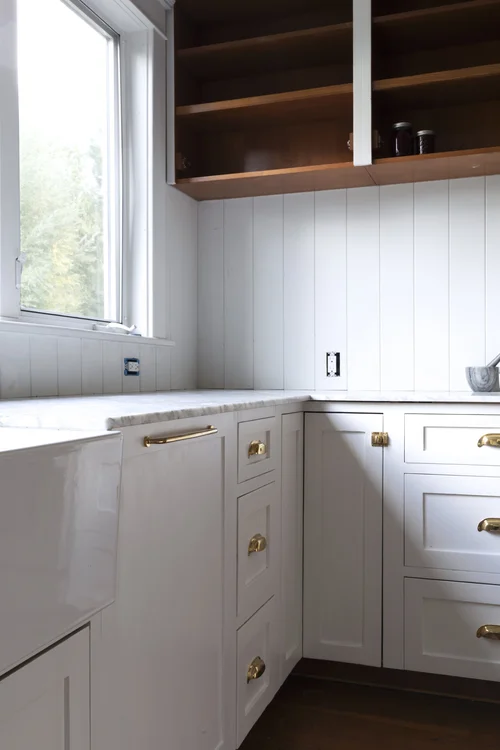
Is your kitchen ready for a dishwasher? You might think adding one is simple, but there are important things to consider before making the switch.
From space and plumbing to electrical needs, your kitchen has to meet certain requirements to support a dishwasher. If you’re unsure whether your kitchen can handle it, this guide will help you figure it out. Keep reading to discover what you need to check and how to prepare your kitchen for this game-changing appliance.
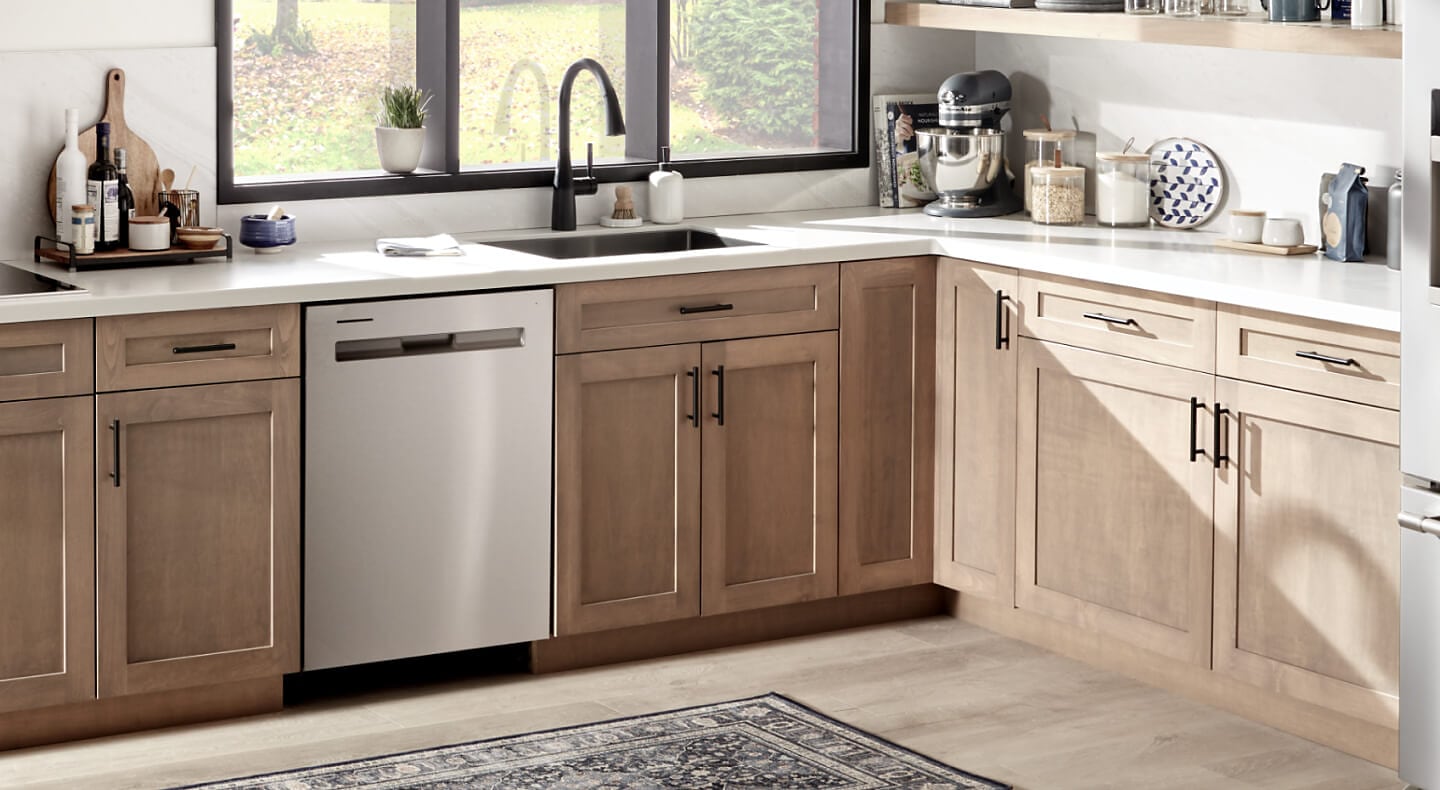
Credit: www.maytag.com
Assessing Kitchen Space
Before deciding to install a dishwasher, it's important to take a close look at your kitchen's available space. Assessing your kitchen space helps you understand whether a dishwasher can fit comfortably without causing inconvenience. This step ensures you avoid costly mistakes and makes your kitchen more efficient.
Measuring Available Area
Start by measuring the exact space where you think the dishwasher might go. Use a tape measure to get the width, height, and depth of the area, including any clearance needed for door swings and ventilation.
Don't forget to note the distance from water and electrical sources. Even a small difference in measurements can affect installation, so double-check your numbers.
Identifying Suitable Locations
Look around your kitchen for spots that make sense for a dishwasher. Typically, placing it near the sink is best because of plumbing access.
Consider how the dishwasher door will open and whether it will block walkways or cabinets. Can you reach it easily while cooking or cleaning? Your kitchen layout should support smooth movement.
Considering Cabinet Modifications
Sometimes, your kitchen cabinets might need adjustments to fit a dishwasher. This could mean removing or resizing a cabinet, or adding a panel to maintain the kitchen’s look.
Think about the cost and effort involved in cabinet modifications before making a decision. Are you ready for the changes, or would a portable dishwasher be a better fit?
Evaluating Plumbing Requirements
Evaluating plumbing requirements is essential before installing a dishwasher. Plumbing must support the appliance for smooth operation. This ensures no leaks or water issues occur. Understanding plumbing needs prevents costly repairs and protects your kitchen.
Checking Water Supply Lines
Dishwashers need a cold water supply line nearby. Check if a water line with a shutoff valve exists under the sink. The line should be free of leaks and damage. Copper or braided stainless steel supply lines work best. Ensure the water line connection matches your dishwasher’s inlet size.
Examining Drainage Options
The dishwasher drains wastewater into the kitchen sink drain or garbage disposal. Verify there is a drain connection point under the sink. The drain hose must have a high loop or air gap to prevent backflow. Confirm the drain pipe is clear and can handle extra water flow.
Understanding Water Pressure Needs
Dishwashers require steady water pressure to function properly. Ideal water pressure ranges between 20 and 120 psi. Low pressure can cause poor cleaning and longer cycles. High pressure might damage dishwasher parts or cause leaks. Test water pressure with a gauge or ask a plumber for help.
Reviewing Electrical Setup
Reviewing your kitchen's electrical setup is crucial before installing a dishwasher. It ensures the appliance runs safely and efficiently. A proper electrical plan avoids overloads and potential hazards. Assessing the setup involves checking outlets, circuits, and wiring.
Locating Power Outlets
Start by finding existing power outlets near the dishwasher space. Dishwashers need a dedicated outlet, usually under the sink or cabinet. Check if the outlet is grounded and in good condition. If no outlet exists, installing one might require professional help. The outlet should meet local electrical codes for kitchen appliances.
Verifying Circuit Capacity
Dishwashers often require a 15- or 20-amp circuit breaker. Confirm your kitchen's circuit can handle the extra load. Overloading circuits can cause breakers to trip or wires to overheat. Use a circuit tester or consult an electrician to verify capacity. Avoid sharing the dishwasher circuit with other high-power devices.
Planning For Appliance Wiring
Dishwasher wiring typically connects to a junction box or power source behind the appliance. Use proper gauge wire as recommended by the manufacturer. Wiring should be protected from moisture and heat sources. Secure all connections with wire nuts and electrical tape. Plan the wiring route to avoid sharp bends or damage.
Choosing The Right Dishwasher Type
Choosing the right dishwasher type for your kitchen can be a game-changer. It’s not just about convenience; it’s about optimizing your space and energy usage. Let’s dive into different types of dishwashers to find the best fit for your kitchen.
Built-in Vs Portable Models
When considering a dishwasher, you might wonder whether a built-in or portable model suits your needs best. Built-in dishwashers are a staple in many homes, offering a seamless integration into your kitchen design. They require a fixed plumbing connection and are ideal if you have a dedicated space under your countertop.
On the other hand, portable dishwashers can be a lifesaver in kitchens where space is at a premium. They connect to your kitchen faucet when in use and can be stored away when not needed. Think about how often you’ll use the dishwasher and whether the flexibility of a portable model might suit your lifestyle better.
Compact Options For Small Kitchens
Limited kitchen space doesn’t mean you have to forgo a dishwasher. Compact dishwashers, often 18 inches wide, are designed for small kitchens without compromising on features. These models can fit snugly into tighter spaces, making them perfect for apartments or smaller homes.
Consider vertical storage solutions to maximize your kitchen’s efficiency. A compact dishwasher can be a smart investment, letting you save counter space for other essentials.
Energy Efficiency Considerations
Energy efficiency is more than just a buzzword; it's an essential factor when choosing a dishwasher. Modern dishwashers come with energy ratings that can help you save on electricity bills. Look for models with the Energy Star label to ensure they meet high-efficiency standards.
Additionally, think about the water consumption of the dishwasher. Some models are designed to use less water per cycle, which is beneficial for both the environment and your wallet. Choosing an energy-efficient model is a small step that can lead to big savings over time.
Budgeting For Installation
Planning your kitchen for a dishwasher means setting a clear budget for installation. Understanding the costs helps avoid surprises. It also guides you in choosing the right approach for your kitchen and wallet. Budgeting involves more than just buying the appliance. Installation and possible kitchen changes add to the total expense.
Estimating Costs
Dishwasher installation costs vary based on several factors. These include the type of dishwasher and your kitchen's plumbing. Expect to pay between $200 and $600 for basic installation. High-end models or complex plumbing work can increase costs. Don't forget to budget for electrical work if needed. Sometimes small parts or connectors are extra expenses. Getting a few quotes helps find a fair price.
Hiring Professionals Vs Diy
Choosing between hiring a professional or doing it yourself affects your budget. Professionals ensure the job is done safely and correctly. This option may cost more but saves time and stress. DIY installation can save money but requires skill and tools. Mistakes can lead to leaks or damage, raising costs later. Consider your comfort level with plumbing and electrical tasks. Safety first.
Possible Renovation Expenses
Kitchen changes might be necessary to fit a dishwasher. Cabinets may need removal or modification. Plumbing lines might require rerouting or upgrading. Electrical outlets might need installation or updating. These renovations can add hundreds or even thousands to your budget. Plan for these extra costs to avoid financial strain. A clear budget includes appliance, installation, and renovation expenses.

Credit: www.reddit.com
Maximizing Kitchen Functionality
Maximizing your kitchen’s functionality is key when deciding if it can support a dishwasher. It’s not just about fitting the appliance in; it’s about making sure it complements your cooking flow and daily routines. Thinking about how a dishwasher fits into your kitchen can transform the way you use the space every day.
Maintaining Workflow Efficiency
Your kitchen should help you work smoothly, not slow you down. Placing the dishwasher near the sink and prep areas saves you steps and time. Imagine unloading clean dishes right where you need them next—it keeps things moving without interruption.
Think about your busiest cooking moments. Will the dishwasher door open without blocking walkways or access to other appliances? Small details like this keep your kitchen functional and stress-free.
Integrating With Existing Appliances
Consider how the dishwasher fits with your current setup. Does it match the height and design of your cabinets? This matters for a cohesive look and easy use.
Also, check the power and water supply locations. You might need to adjust plumbing or electrical outlets. Planning this ahead can save you from costly changes later.
Ensuring Easy Access And Maintenance
You want your dishwasher to be easy to reach, load, and unload daily. Avoid tight corners or crowded spots that make using it a hassle. Think about where you keep your dish soap and rinse aid—can you access those without struggle?
Maintenance is often overlooked. Make sure there’s enough space to pull out the dishwasher for cleaning or repairs. Regular upkeep keeps your machine running longer and your kitchen efficient.
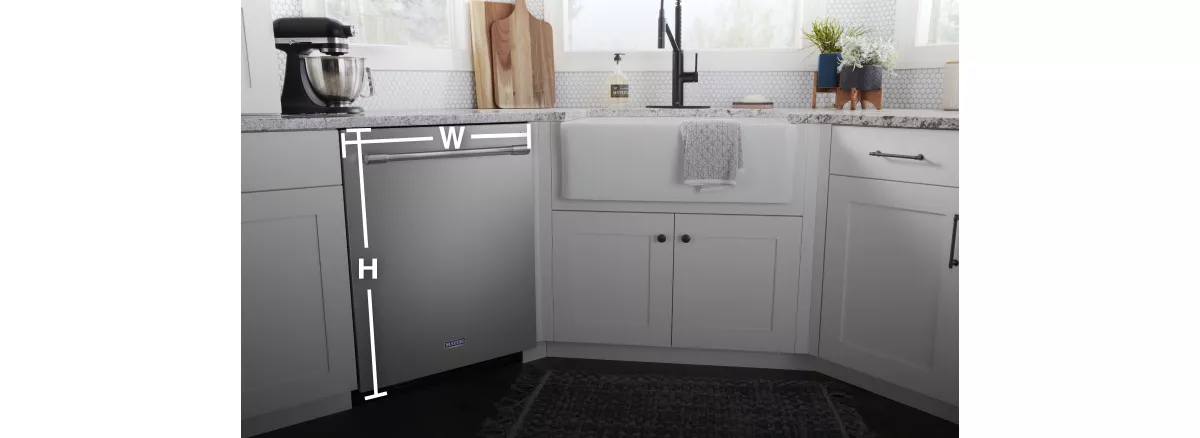
Credit: www.maytag.ca
Frequently Asked Questions
What Kitchen Features Support Dishwasher Installation?
A kitchen with nearby plumbing and electrical outlets supports dishwasher installation. Adequate space under the counter and a water drainage system are essential. Proper ventilation and easy access to hot water also help ensure smooth operation and maintenance.
How To Check If Space Fits A Dishwasher?
Measure the available under-counter space carefully. Standard dishwashers require about 24 inches wide, 24 inches deep, and 34 inches high. Ensure clearance for door opening and plumbing connections. Confirm that the kitchen layout can accommodate these dimensions comfortably.
Do All Kitchens Have Proper Plumbing For Dishwashers?
Most modern kitchens have plumbing suitable for dishwashers. Older kitchens may lack necessary water supply lines or drainage connections. A licensed plumber can assess and install required plumbing to support dishwasher use efficiently.
Can I Install A Dishwasher Without Professional Help?
DIY installation is possible if you have plumbing and electrical skills. However, professional installation ensures safety and proper connections. It helps avoid leaks, electrical issues, and voiding warranties, making it a wise choice for most homeowners.
Conclusion
A dishwasher can fit in many kitchens with some planning. Check your space, plumbing, and electrical needs first. Small kitchens may need compact models or creative solutions. Installing a dishwasher saves time and water in daily chores. Think about convenience and your kitchen layout carefully.
With the right choice, your kitchen can support a dishwasher well. Take your time deciding to make the best fit. Your kitchen will feel more modern and efficient soon.