
Are you wondering if your Ninja Mega Kitchen System can blend celery smoothly? You’re not alone.
Celery can be tricky to blend because of its fibrous texture, but knowing how your blender handles it can save you time and frustration. You’ll discover exactly how well the Ninja Mega Kitchen System works with celery, tips to get the best results, and what to expect when you try.
Keep reading to find out if this powerful kitchen tool is up to the celery challenge—and how you can make your blending experience easier and faster.
Ninja Mega Kitchen System Features
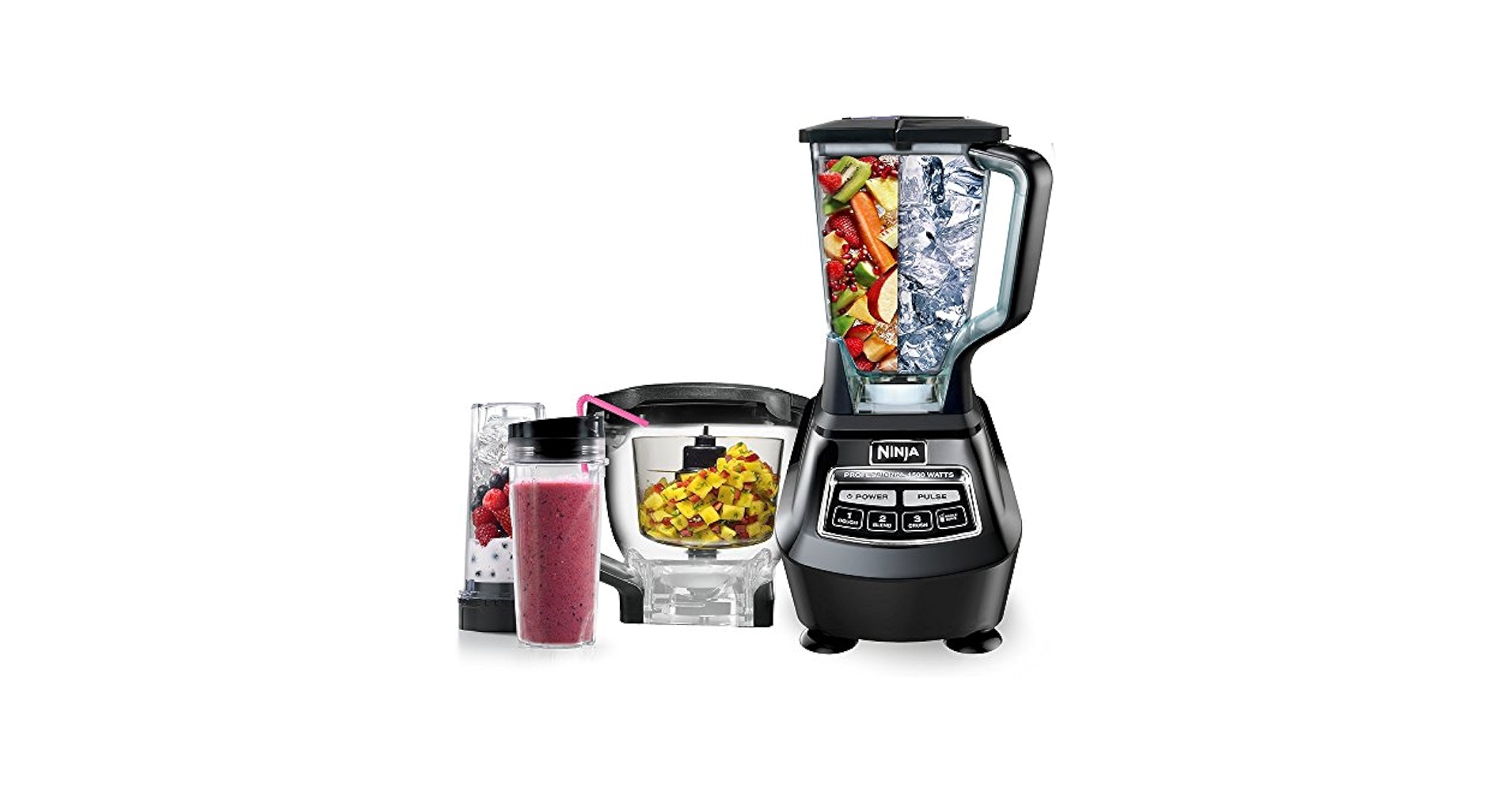
The Ninja Mega Kitchen System comes with features that make blending celery easy. It combines power, smart design, and versatile tools. These features help you chop, blend, and puree vegetables smoothly. Understanding these parts helps to see why it works well for celery and other foods.
Motor Power And Design
This system has a strong motor that runs at high speed. It delivers up to 1500 watts of power. This strength cuts through tough vegetables like celery with ease. The design keeps the motor cool during use. It also reduces noise, making it less loud in the kitchen.
Blade Technology
The blades are sharp and made from stainless steel. They are designed in a stacked formation to create a cyclone effect. This pulls food down for even cutting and blending. The blades can crush ice, chop celery, and puree ingredients evenly. They stay sharp for a long time and are easy to clean.
Jar And Attachment Types
- Large pitcher jar for big batches of smoothies or soups.
- Food processor bowl for chopping and slicing vegetables.
- Single-serve cups for quick blending and on-the-go drinks.
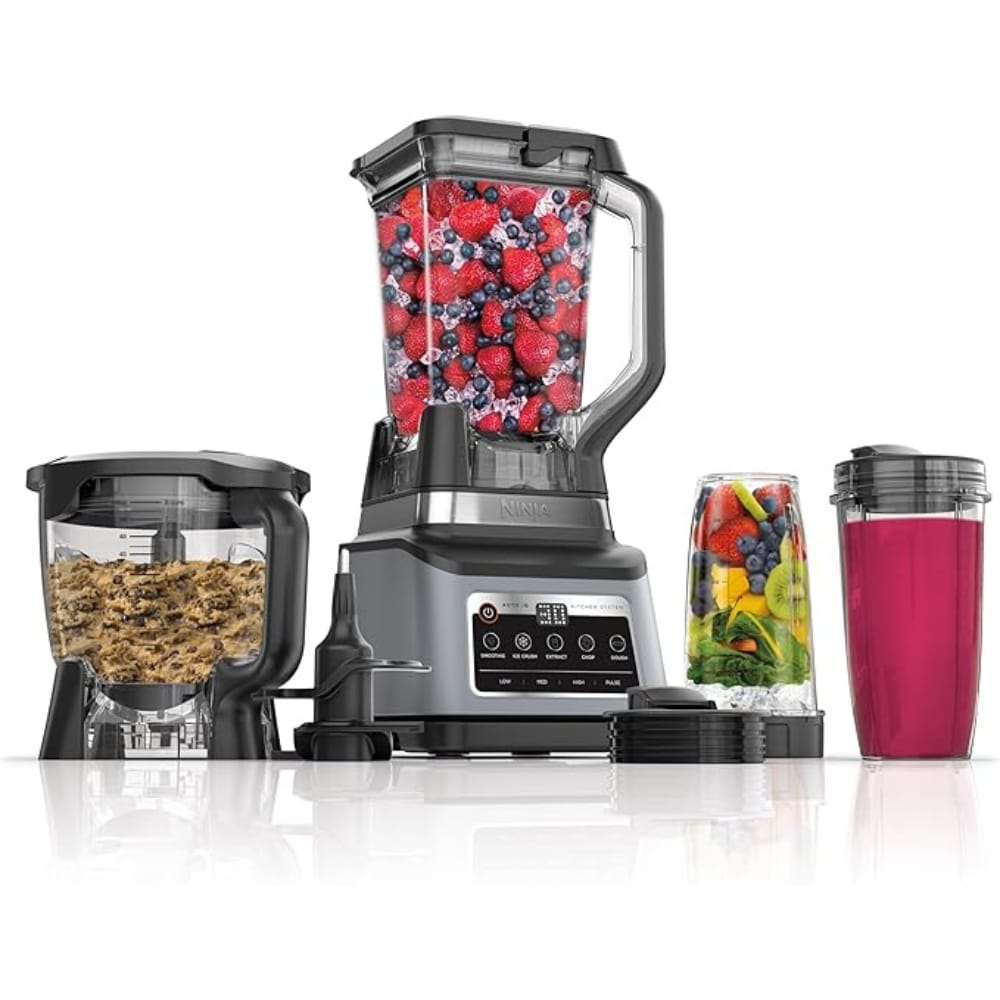
All jars and cups fit securely on the base. This prevents spills and allows safe operation. The attachments make the system flexible for many kitchen tasks beyond just blending celery.
Credit: shopping.yahoo.com
Celery Characteristics Affecting Blending
Understanding the characteristics of celery is key to knowing how well the Ninja Mega Kitchen System can handle it. Celery’s unique makeup influences how smoothly it blends and what texture you end up with. Let’s look closely at the main factors that impact the blending process.
Fiber Content And Texture
Celery is packed with fibrous strands that give it a crunchy texture. These fibers can sometimes challenge blenders by getting caught or not breaking down completely. The Ninja Mega Kitchen System’s powerful blades usually handle this well, but tougher fibers might need more blending time.
Have you noticed stringy bits in your celery juice or smoothie? That’s the fiber not fully broken down. You can improve the texture by chopping celery into smaller pieces before blending or pulsing the machine instead of running it continuously.
Water Content
Celery contains about 95% water, which helps it blend into a smooth liquid easily. This high water content means it often doesn’t require added liquid to achieve a drinkable consistency. However, if your celery is older or less fresh, the water content might be lower, making blending a bit harder.
If your blend feels thick or chunky, try adding a splash of water or juice. This helps the blades move more freely and creates a smoother result. Have you ever blended celery only to find your mixture too thick? Water content plays a big role in that.
Common Blending Challenges
Despite the Ninja Mega Kitchen System’s strength, some challenges arise when blending celery. Fibers can wrap around the blades, or the stalks may not break down evenly, leaving small pieces behind. This can affect the overall smoothness of your recipe.
One trick is to use the pulse function to control the blending intensity. Also, blending smaller batches can help the machine work more efficiently. What blending challenges have you faced with celery? Sharing your experience might reveal helpful tips.
Testing Celery Blending Performance
Testing celery blending performance with the Ninja Mega Kitchen System reveals how well it handles fibrous vegetables. Celery’s stringy texture often challenges blenders. This test examines how the system processes celery into smooth blends. The results help decide if this blender suits daily green juices or soups.
Preparation Methods For Celery
Fresh celery stalks were washed thoroughly under cold water. Leaves were removed to avoid extra bitterness. The stalks were cut into 1-inch pieces for easier blending. No additional liquids or ingredients were added to isolate celery’s blending behavior. The celery was tested both raw and lightly steamed to compare results.
Blending Settings Used
- Pulse setting for short bursts to break down celery fibers
- Medium speed for consistent chopping and mixing
- High speed for full blending into a smooth liquid
Each setting ran for 30 seconds to observe texture changes. The cup size was the Ninja Mega Kitchen System’s standard large pitcher. No ice or other solid items were added during tests.
Observation And Results
The pulse setting chopped celery into small chunks but left some fibrous strings. Medium speed created a coarser puree with visible celery fibers. High speed produced the smoothest blend, with minimal stringiness. Light steaming softened celery, making blending easier at all speeds. Raw celery blends contained more fiber bits. Overall, the Ninja Mega Kitchen System handled celery well, especially on high speed.
Credit: www.lowes.com
Comparing Ninja With Other Blenders
Choosing the right blender for tough ingredients like celery can make a huge difference in your kitchen. The Ninja Mega Kitchen System is often compared to other popular blenders, so let's take a closer look at how it stacks up in key areas that matter to you.
Power And Efficiency
The Ninja Mega Kitchen System packs a powerful motor that ranges around 1500 watts, giving it a strong edge in blending tough vegetables like celery. This power helps break down fibers quickly, saving you time and effort.
Compared to other blenders with lower wattage, Ninja’s motor ensures smoother results without multiple blending cycles. Have you noticed how some blenders leave chunks behind? The Ninja reduces this issue significantly.
Handling Fibrous Vegetables
Celery is notoriously fibrous, which can challenge many blenders. The Ninja’s sharp blades and high-speed technology work together to chop and blend celery evenly.
Other blenders might struggle, leaving strings or requiring you to add extra liquid. With Ninja, you often get a silky texture even when using minimal water. This makes it ideal for green juices or soups where you want pure celery flavor without dilution.
User Experience
Using the Ninja Mega Kitchen System feels intuitive thanks to its easy-to-use controls and versatile attachments. The large capacity pitcher and smaller cups mean you can blend for one or a crowd without extra cleanup.
Some blenders are bulky or complicated, but Ninja strikes a balance between power and convenience. Have you ever wished your blender was easier to clean? Ninja’s dishwasher-safe parts and simple design answer that need well.
Tips To Improve Celery Blending
Blending celery with the Ninja Mega Kitchen System works well with small, even pieces. Adding a little water helps the blades move smoothly. Pulse blending prevents over-processing and keeps texture fresh.
Blending celery in your Ninja Mega Kitchen System can be a breeze with the right techniques. While it's known for its fibrous nature, celery can be efficiently blended to create smooth, nutrient-packed drinks. Here are some simple yet effective tips to enhance your celery blending experience.
Pre-cutting And Layering
Chop your celery into smaller pieces before tossing it into the blender. This helps the blades work more effectively, reducing the strain on the motor and ensuring a smoother blend. Layering the celery with softer ingredients like bananas or berries can also enhance the blending process, as it helps distribute the celery fibers evenly.
Using Liquid Additives
Adding a bit of liquid can make a world of difference. Whether it's water, coconut water, or almond milk, liquids help in breaking down the celery fibers. Start with just half a cup and adjust based on the consistency you prefer. This not only aids in smoother blending but also enhances the flavor of your drink.
Pulse Vs Continuous Blend
Deciding between pulsing and continuous blending can impact your results. Using the pulse feature initially can break down the larger chunks of celery more effectively. Once the big pieces are reduced, switch to continuous blending for a silky finish. This two-step process ensures that your celery is thoroughly blended without overworking the machine. Do you ever find your blended celery too gritty? These tips could be the key to that perfect, smooth sip you've been looking for. Try them out and notice the difference in your next green smoothie!
Maintenance After Blending Fibrous Veggies
Blending fibrous vegetables like celery requires proper maintenance of your Ninja Mega Kitchen System. These veggies leave tiny fibers and residues that can stick to blades and jars. Cleaning and caring for your blender right after use keeps it in top shape. It also helps avoid bad smells and stains that affect taste and hygiene.
Cleaning Blades And Jars
Remove the blades carefully to avoid injury. Rinse them under warm water immediately after blending. Use a soft brush or sponge to scrub away stuck fibers gently. For jars, fill with warm soapy water and blend on low speed for a few seconds. Rinse thoroughly to remove soap and debris. Dry all parts completely before storing to prevent rust and mold.
Preventing Odors And Stains
Fibrous veggies can leave strong smells and color stains. Clean parts quickly to stop odors from setting in. Use a mixture of baking soda and water on jars to remove stains. Let it sit for 10 minutes before rinsing well. For lingering smells, blend lemon juice with water and rinse. Avoid harsh chemicals that could damage your blender parts.
Regular Care For Longevity
Check seals and gaskets regularly to ensure they are tight. Replace damaged parts promptly to avoid leaks. Store your Ninja Mega Kitchen System with lids off to air dry. Run a cleaning cycle with vinegar and water once a month. Regular care improves performance and extends the blender’s life. Your investment deserves proper attention after every use.

Credit: www.youtube.com
Frequently Asked Questions
Can Ninja Mega Kitchen System Efficiently Blend Celery?
Yes, the Ninja Mega Kitchen System can efficiently blend celery. Its powerful blades and motor handle fibrous celery well, producing smooth blends for juices and soups.
Is Celery Blending Suitable For Ninja Mega Kitchen System?
Celery blending is ideal for the Ninja Mega Kitchen System. Its high-speed performance breaks down celery stalks quickly, ensuring even texture and consistent results.
How To Prepare Celery For Ninja Mega Kitchen Blending?
Cut celery stalks into smaller pieces before blending. This helps the Ninja Mega Kitchen blades process celery smoothly and prevents jamming or uneven blending.
Can Ninja Mega Kitchen Handle Celery's Fibrous Texture?
Yes, the Ninja Mega Kitchen System handles celery’s fibrous texture effectively. Its sharp blades and strong motor power shred celery without clogging or strain.
Conclusion
The Ninja Mega Kitchen System blends celery smoothly and quickly. It handles tough, fibrous veggies with ease. You get a fine, even texture every time. Cleaning the parts is simple and fast. This makes celery prep less of a chore.
The system works well for juices, soups, and sauces. It fits well in most kitchens. A reliable choice for blending celery and more. Try it for your next healthy recipe. You won’t be disappointed with the results.