
Have you ever wondered if you can safely put kitchen foil in the oven? Maybe you’re trying to speed up cooking or keep your food from sticking.
It’s a simple question, but the answer can affect how well your meal turns out—and even your safety. Keep reading, because knowing the right way to use kitchen foil in your oven can save you time, avoid mess, and help you cook like a pro.
Don’t risk ruining your food or damaging your oven—let’s get this clear once and for all.
Using Foil In The Oven
Using kitchen foil in the oven is a common practice. It can help with cooking, cleaning, and food protection. Knowing the right type of foil and how to use it safely is important. Some foils handle heat better than others. Proper use prevents damage to your oven and food. Follow simple tips for best results.
Types Of Kitchen Foil
- Standard Aluminum Foil:Thin, flexible, and good for most oven uses.
- Heavy-Duty Foil:Thicker and stronger. Ideal for high heat and longer cooking times.
- Non-Stick Foil:Coated to prevent food from sticking. Great for baking and roasting.
Common Oven Uses
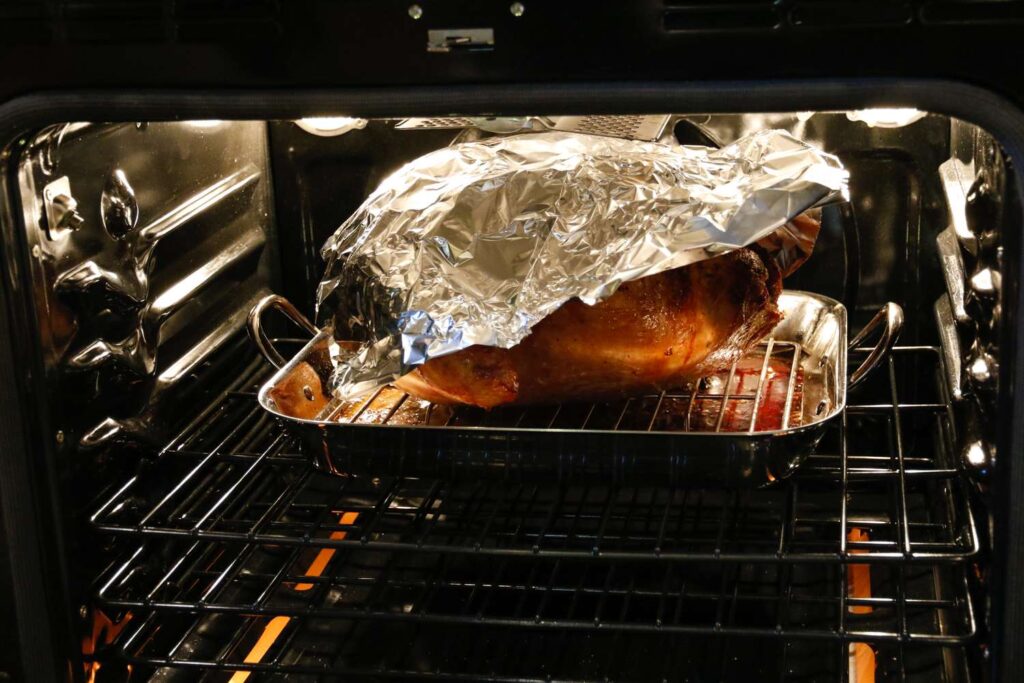
- Covering food to keep moisture in and prevent burning.
- Lining baking sheets to catch drips and reduce cleanup.
- Wrapping vegetables or meats to lock in flavor and juices.
- Creating foil packets for even cooking and easy serving.

Credit: kitchendance.com
Safety Precautions
Using kitchen foil in the oven requires careful attention to safety. Foil can handle high heat but may cause issues without proper precautions. Following simple safety tips keeps cooking safe and prevents accidents. Focus on fire hazards, oven damage, and safe handling of hot foil.
Avoiding Fire Hazards
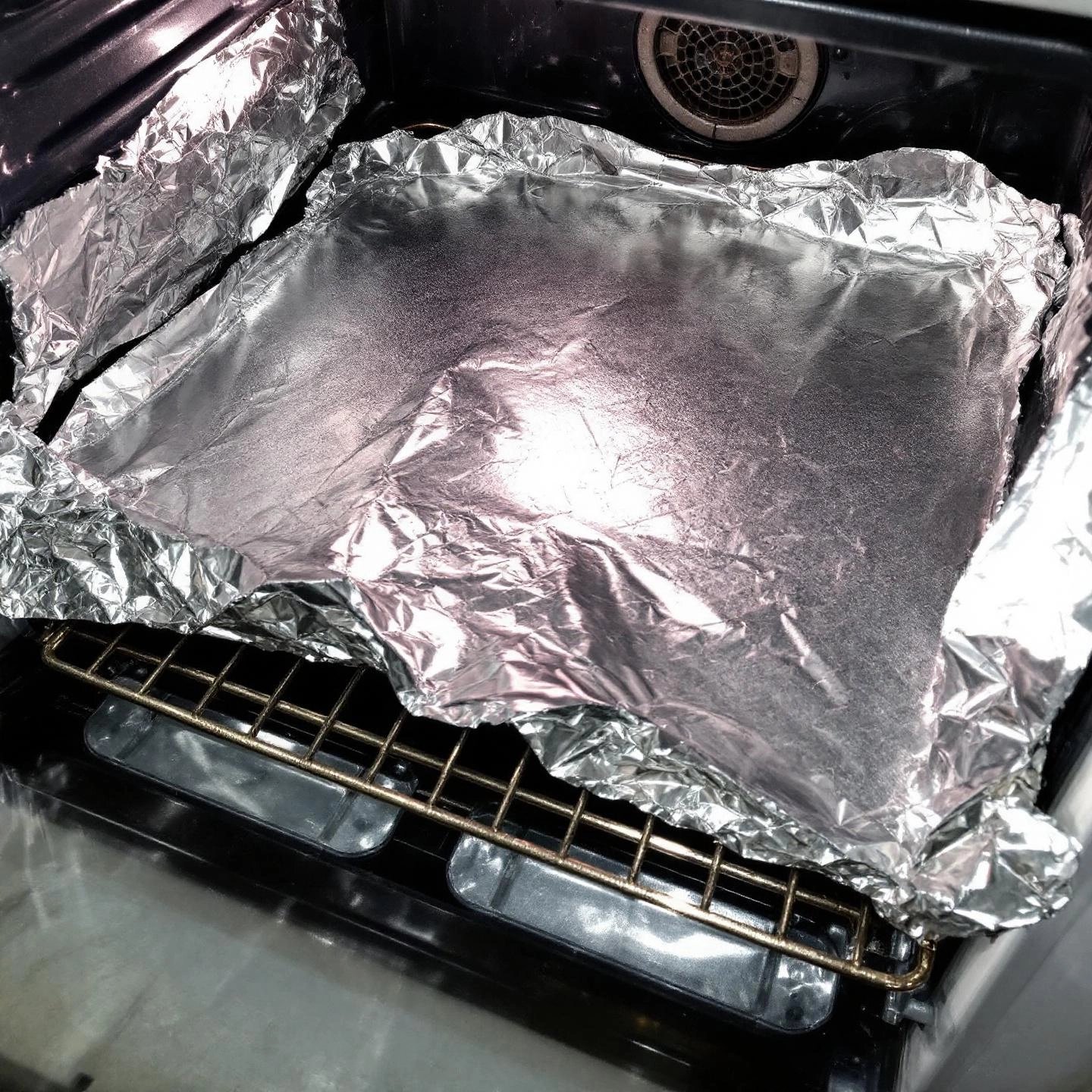
Keep foil away from oven heating elements. Foil touching elements can spark and start fires. Avoid covering oven racks completely with foil. This blocks airflow and causes overheating. Use foil only as a liner on baking sheets or trays. Do not use foil in microwave ovens as it causes sparks.
Preventing Oven Damage
Do not cover the oven floor with foil. It can trap heat and damage the oven’s surface. Avoid blocking air vents with foil. Proper air circulation is essential for even cooking. Use heavy-duty foil for high-temperature cooking to prevent tearing. Always check your oven manual for specific foil guidelines.
Handling Hot Foil Safely
Foil becomes very hot in the oven. Use oven mitts or heat-resistant gloves to handle it. Avoid touching hot foil with bare hands to prevent burns. Let foil cool before discarding or recycling. Carefully unwrap foil to avoid steam burns from trapped heat or moisture.
Best Practices For Foil Use
Using kitchen foil in the oven can be helpful but requires care. Following best practices ensures safety and better cooking results. Proper use of foil protects your food and oven from damage. It also helps maintain cleanliness and prevents accidents. Understanding where and how to place foil is key. Exploring alternatives can offer safer or more eco-friendly options. Proper cleaning keeps foil reusable and your kitchen tidy.
Proper Placement In Oven
Place foil only on oven racks or baking trays. Avoid covering the oven floor or heating elements. Do not let foil touch the oven walls. This can cause sparks or fire hazards. Use foil to cover food directly or line pans. Make sure foil is smooth and not crumpled. Leave space around the foil for air circulation. This helps food cook evenly and safely.
Alternatives To Foil
- Baking parchment paper for non-stick cooking and easy cleanup.
- Silicone baking mats, reusable and heat-resistant.
- Oven-safe glass or ceramic lids to cover dishes.
- Reusable silicone covers to wrap food during baking.
These options reduce waste and avoid foil risks. Choose alternatives based on your cooking style and needs.
Cleaning Tips
Reuse foil if it is clean and not torn. Wipe off food residue with a damp cloth. Avoid scrubbing foil to prevent holes. For tough stains, soak foil in warm, soapy water. Dry foil completely before storing or reusing. Proper cleaning extends foil life and saves money.
Credit: bharawandadhaba.org
Expert Tips
Kitchen foil can be used safely in the oven but avoid covering the oven floor or walls. Always place foil on baking trays or pans to prevent damage and ensure even cooking.
Using kitchen foil in the oven can be a game-changer, but it’s important to know the right techniques. With expert tips, you can enhance your cooking results and avoid common pitfalls. Whether you are a seasoned cook or just starting out, these insights can elevate your culinary experience.
When To Use Foil
Kitchen foil can be your best ally in specific scenarios. It's ideal for covering dishes like casseroles to prevent over-browning while still allowing the dish to cook evenly. You can also use it for wrapping delicate foods, such as fish, to trap moisture and flavor. Thinking about roasting vegetables? Foil can help them cook faster and prevent them from drying out. Just remember to lightly oil the foil to avoid sticking.
Foil And Food Quality
Using foil can preserve the quality of your food. It helps retain moisture, making meats juicier and more tender. If you're reheating leftovers, foil can prevent them from becoming dry or overcooked. However, it's crucial to use the right side of the foil. The shiny side reflects heat, which is great for faster cooking, while the dull side absorbs it, providing a more gentle heat.
Common Mistakes To Avoid
Many people make the mistake of using foil on the bottom of the oven. This can cause heat to reflect away, affecting cooking times and temperatures. Always place foil on the rack or around the food itself. Avoid wrapping acidic foods like tomatoes or citrus directly in foil, as this can cause a metallic taste. Instead, use a layer of parchment paper between the food and the foil. Lastly, never reuse foil that has been crumpled or torn. Compromised foil can lead to uneven cooking and potential contamination. Always opt for a fresh sheet for the best results.

Credit: kitchendance.com
Frequently Asked Questions
Can You Use Kitchen Foil Safely In The Oven?
Yes, kitchen foil is safe in the oven at normal baking temperatures. Avoid direct contact with heating elements. Use foil to cover dishes or line trays for easy cleanup. Always ensure it doesn’t block oven vents or touch oven walls to prevent fire risk.
Does Kitchen Foil Affect Oven Cooking Times?
Kitchen foil can slightly speed up cooking by reflecting heat. It helps retain moisture and heat around food. However, it may cause uneven cooking if wrapped too tightly. Use foil wisely to improve cooking efficiency without compromising results.
Can Aluminum Foil Cause Oven Damage?
Improper use of aluminum foil can damage ovens. Foil touching heating elements may cause sparks or fire. Lining the oven floor with foil can block heat circulation and void warranties. Use foil only on pans or trays, not directly on the oven surface.
Is It Safe To Wrap Food In Foil For Baking?
Wrapping food in foil is safe and helps retain moisture and flavor. It prevents food from drying out and protects delicate dishes. Ensure the foil is tightly sealed to avoid leaks and prevent contamination during baking.
Conclusion
You can use kitchen foil in the oven safely with care. Avoid touching heating elements or blocking vents. Foil helps keep food moist and catches drips. Use it only as directed to prevent fire risks. Always check your oven’s manual for specific rules.
Small precautions make cooking easier and safer. Remember, proper use of foil protects both food and oven. Simple steps keep your kitchen safe every time.