

Have you ever wondered if you can simply pop your kitchen stove tops into the dishwasher to save time and effort? It sounds like a quick fix, but before you do, it’s important to know what really happens when those greasy, stubborn parts meet your dishwasher’s powerful jets.
You want your stove tops clean, sparkling, and damage-free, right? Keep reading to discover the surprising truth and smart tips that will help you clean your stove tops safely and effectively. Your kitchen—and your peace of mind—will thank you.
Types Of Stove Tops
Kitchen stove tops come in various types, each with unique features and cleaning needs. Knowing the type helps decide if dishwasher cleaning is possible. Some stove tops have parts that can be washed in a dishwasher, while others must be cleaned by hand. Understanding these types improves kitchen care and safety.
Gas Stove Tops
Gas stove tops use burners with open flames. They often have removable grates and burner caps. These parts can sometimes go into the dishwasher. The main body and gas lines must never be washed in a dishwasher. Proper cleaning keeps the stove safe and functional.
Electric Stove Tops
Electric stove tops use heating coils or smooth surfaces. Heating coils can usually be detached and cleaned carefully. Smooth electric tops need gentle wiping and cannot go in the dishwasher. Avoid water on electrical parts to prevent damage.
Induction Stove Tops
Induction stove tops have a smooth glass surface. They heat pots using magnetic fields. The surface is delicate and should be cleaned with a soft cloth. No dishwasher cleaning is safe for induction cooktops. Use mild cleaners designed for glass surfaces.
Glass And Ceramic Tops
Glass and ceramic stove tops look sleek and modern. They have a flat surface that gets hot under cookware. These tops require careful cleaning with non-abrasive tools. Dishwasher use can cause cracks or damage. Hand cleaning keeps them shiny and working well.
Credit: www.whirlpool.com
Dishwasher Safety Basics
Knowing the basics of dishwasher safety is essential before tossing any kitchen stove tops inside. Not all materials and parts can handle the intense heat and strong detergents of a dishwasher cycle. Ignoring these safety rules might lead to damage, costly repairs, or even hazardous situations in your kitchen.
Materials That Withstand Dishwashers
Some stove top components are built to survive the dishwasher’s conditions. Stainless steel parts, for example, often hold up well because they resist rust and corrosion.
Tempered glass burner covers may also be dishwasher-safe, but always check the manufacturer's advice. Avoid putting any cast iron or aluminum parts in the dishwasher, as they can rust or warp easily.
Plastic knobs and trim pieces vary widely in quality—only dishwasher-safe labeled plastics should go in. If you’re unsure, hand washing with warm soapy water is the safest bet.
Common Dishwasher Risks
Dishwashers use high temperatures and strong detergents that can cause several problems. Paint or coating on stove tops may peel or discolor after a wash cycle. Small parts like screws or springs might loosen or disappear during the wash.
Electrical components should never go in the dishwasher; water damage is a sure way to ruin them. Even parts that seem dishwasher-safe can lose their finish or structural integrity over time with repeated washing.
Have you ever noticed your stove knobs fading or cracking after a few dishwasher cycles? This is a common risk that many overlook. Always weigh the convenience of using a dishwasher against the potential damage to your stove parts.
Cleaning Gas Stove Parts
Cleaning gas stove parts can be tricky, especially when you wonder if the dishwasher is a safe option. Knowing which components can handle water and detergents without damage is key. Let’s break down how to care for your stove parts effectively.
Removable Grates And Burner Caps
Removable grates and burner caps are often the dirtiest parts of your stove. Luckily, most of these parts are dishwasher safe, but it depends on their material. Cast iron grates, for example, can rust if left wet after washing, so hand washing is usually better.
Aluminum or stainless steel burner caps often handle dishwasher cycles well. However, it’s important to check your stove’s manual before placing anything in the dishwasher. If you do use the dishwasher, make sure the parts are securely placed to avoid chipping or warping.
Have you noticed how much easier cleaning is when these parts come off easily? If your stove doesn’t allow easy removal, a good soak and gentle scrubbing might be your best bet.
Ignition Components
Ignition components are sensitive and should never go in the dishwasher. These parts contain electrical connections that can be damaged by water and harsh detergents. Cleaning them with a dry cloth or a soft brush is much safer.
Sometimes, food particles can clog ignition holes, causing weak sparks. You can gently clean these with a toothpick or a soft needle, but avoid poking too hard. Have you ever had your stove fail to light because of a clogged ignition? It’s more common than you think.
Taking care of ignition parts with delicate cleaning keeps your stove reliable and safe. Avoid moisture and harsh chemicals to extend their lifespan.

Credit: www.handyappliances.ca
Dishwasher Use For Stove Components
Cleaning stove components can be tricky. Many wonder if the dishwasher is a safe option. Using the dishwasher can save time and effort. It also ensures a thorough cleaning. Yet, not all stove parts are dishwasher-safe. Knowing which parts can go in the dishwasher helps protect your stove.
Which Parts Can Go In The Dishwasher
Many stove parts are designed to withstand dishwasher cleaning. These include:
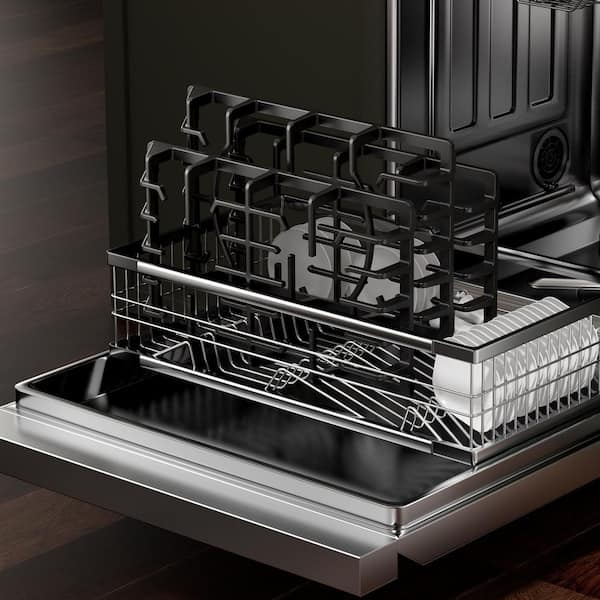
- Removable burner grates made of cast iron or steel
- Drip pans that are metal or porcelain-coated
- Control knobs made of durable plastic or metal
- Stainless steel burner caps
Place these parts on the top rack to avoid damage. Use a gentle cycle with mild detergent. Avoid overcrowding to ensure proper cleaning.
Parts To Avoid Washing In Dishwasher
Some stove components can get damaged in dishwashers. Avoid washing:
- Electronic ignition parts and wiring
- Gas burner heads with small holes
- Aluminum or brass parts that may discolor
- Parts with rubber or plastic seals
- Glass stove tops with special coatings
These parts should be cleaned by hand using warm, soapy water. Dry thoroughly to prevent rust or damage.
Manual Cleaning Tips
Cleaning stove tops manually ensures a thorough and safe result. Not all stove tops can go in the dishwasher. Manual cleaning helps preserve them. Let's dive into some effective cleaning tips.
Safe Cleaning Solutions
Use mild detergents to clean stove tops. Avoid harsh chemicals that damage surfaces. Mix baking soda with water for a gentle scrub. This paste removes dirt without scratching.
Vinegar is another great option. It cuts through grease effectively. Spray it on and let it sit. Wipe with a clean cloth for a spotless finish.
Tools For Tough Stains
Some stains need more effort. Use a soft-bristled brush for stubborn grime. It reaches crevices regular cloths can't.
A plastic scraper helps with burnt-on food. Gently scrape to avoid damage. Steel wool should be avoided. It scratches the stove top surface.
Microfiber cloths are perfect for drying. They absorb moisture and leave no streaks. Regular maintenance keeps your stove top shining. Follow these tips for a clean and safe kitchen environment.
Maintaining Your Stove Top
Maintaining your stove top is essential to keep it functioning well and looking great. A clean stove top not only improves your kitchen’s appearance but also ensures safety and efficiency while cooking. Taking care of it regularly helps you avoid costly repairs and extends its lifespan.
Regular Cleaning Routine
Cleaning your stove top right after cooking prevents grease and food from hardening. Use a soft cloth or sponge with warm, soapy water to wipe down surfaces daily. For tougher stains, a gentle scrub with a non-abrasive cleaner works well without scratching.
Don’t forget to clean the knobs and burner grates regularly. These parts often collect grease and crumbs that can affect performance. Removing and soaking grates in warm water makes it easier to scrub off stuck-on residue.
Preventing Damage And Wear
Never put stove top parts in the dishwasher unless the manufacturer says it’s safe. Harsh dishwasher detergents and high heat can damage finishes or warp components. Instead, hand wash parts with mild soap and rinse thoroughly.
Avoid using steel wool or abrasive pads, which can scratch the surface. Instead, opt for soft cleaning tools like microfiber cloths or plastic scrubbers. Also, watch out for spills of acidic foods like tomato sauce or vinegar, as they can corrode some stove top materials if left too long.
Have you noticed any stubborn stains or wear on your stove top? Addressing these early can save you time and money later. What’s your current routine for keeping your stove top spotless and damage-free?
Credit: www.homedepot.com
Frequently Asked Questions
Can Kitchen Stove Tops Go In The Dishwasher?
Most kitchen stove tops are not dishwasher-safe. Dishwasher detergents and high heat can damage materials like metal and glass. It's best to clean stove tops by hand using mild soap and a soft cloth to avoid damage and maintain their finish.
Which Stove Top Parts Are Dishwasher Safe?
Some removable parts like burner grates or knobs might be dishwasher safe if made of durable materials. Always check the manufacturer’s instructions before placing parts in the dishwasher to avoid warping or discoloration.
How To Clean Stove Tops Without A Dishwasher?
Use warm soapy water and a soft sponge for regular cleaning. For tough stains, apply baking soda paste and scrub gently. Avoid abrasive cleaners to prevent scratching and damage to the surface.
Why Shouldn’t You Put Stove Tops In The Dishwasher?
Dishwashers use harsh detergents and high temperatures that can corrode or discolor stove top surfaces. Electrical components and seals can also be damaged. Hand cleaning extends the life and appearance of your stove top.
Conclusion
Cleaning stove tops requires care and attention to avoid damage. Most stove parts do not fit well in dishwashers. Dishwashers can harm delicate materials and finishes. Hand washing with warm water and mild soap works best. Use a soft cloth or sponge for scrubbing.
Regular cleaning keeps your stove looking good and working well. Remember, safe cleaning protects your kitchen investment. Choose the method that suits your stove type. Keep your kitchen clean without risking appliance damage. Simple steps make a big difference in stove maintenance.