

Can You Cool Kitchen Leaving Refrigerator Door Open?. Have you ever wondered if leaving your refrigerator door open can actually cool your kitchen? It sounds like a simple trick, but before you try it, there are some important things you need to know.
You might think that an open fridge could act like an air conditioner for your room, especially on hot days. But what really happens when you leave that door open? Keep reading to find out the surprising truth and learn how this common idea affects your kitchen’s temperature—and your energy bill.
Don’t make a move until you know the facts!

Credit: www.searshomeservices.com
How Refrigerators Work
Understanding how refrigerators work helps explain why leaving the door open does not cool your kitchen. These appliances use a clever system to remove heat inside, keeping food cold. The process involves a few key steps that move heat from inside the fridge to the outside air.
Basic Cooling Mechanism
A refrigerator cools by moving heat out of its interior. It does not create cold air. Instead, it absorbs heat from inside and releases it outside. The main parts involved include a compressor, condenser coils, evaporator coils, and refrigerant fluid.
The compressor compresses the refrigerant, turning it into a hot gas. This gas moves through condenser coils on the back or bottom. As the gas cools, it changes into a liquid. The liquid then flows through evaporator coils inside the fridge, where it absorbs heat. This cycle repeats continuously to keep the fridge cold.
Heat Exchange Process
The heat exchange process moves warmth from inside to outside the fridge. Inside, the refrigerant evaporates in coils, absorbing heat and cooling the air. The warm refrigerant gas travels outside to the condenser coils.
Outside, the gas releases heat to the surrounding air. This heat release makes the fridge’s back or bottom feel warm. The refrigerant cools down and returns inside to start the process again.
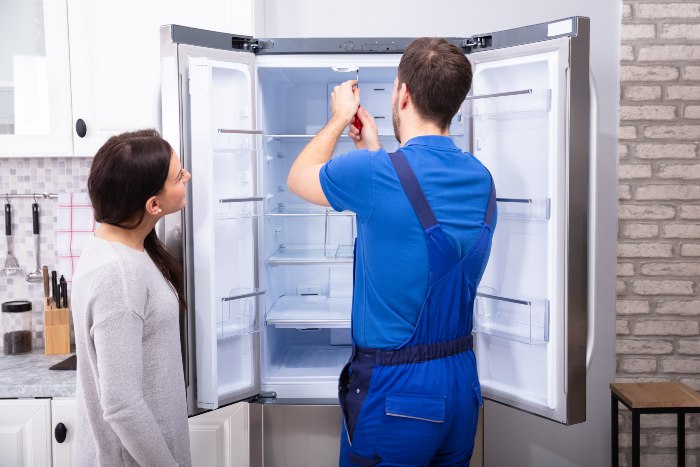
Because the refrigerator releases heat outside, leaving the door open only adds more heat to the room. The fridge works harder, using more energy but never cooling the kitchen.
Credit: www.acesappliance.com
Effect Of Leaving The Door Open
Leaving your refrigerator door open might seem like a quick way to cool down your kitchen, especially on a hot day. But this action has a surprising effect on both your kitchen’s temperature and your electricity bill. Understanding these effects can help you avoid unnecessary energy waste and discomfort.
Impact On Kitchen Temperature
When you leave the fridge door open, warm air from your kitchen rushes inside. The fridge’s cooling system works harder to bring that temperature down, but it releases heat as a byproduct.
This heat doesn’t just disappear—it spreads into your kitchen, often raising the overall temperature. So, rather than cooling your space, an open fridge door can actually make your kitchen warmer.
Have you noticed your kitchen feeling stuffier when the fridge door stays open for too long? That’s the heat escaping from the fridge in action.
Energy Consumption Spike
Your refrigerator’s compressor kicks into overdrive when the door is left open. It tries to maintain the cold temperature inside by running longer and using more electricity.
This extra energy use leads to higher utility bills without any real benefit to your kitchen’s comfort. Over time, this strain can also shorten the lifespan of your appliance.
Think about how often you open the fridge door—imagine the cost if it stayed open even a minute longer each time. Small habits like these add up, impacting your wallet and the environment.
Myths About Cooling The Kitchen
There’s a common belief that leaving your refrigerator door open can help cool down a hot kitchen. It sounds simple and even logical at first—after all, cold air is spilling out into the room, so shouldn’t the temperature drop? Let’s break down why this idea doesn’t hold up and what actually happens when you try this.
Why It Seems Cooler At First
When you open the fridge door, cold air does rush out into the kitchen. You might feel a brief chill, especially if you stand right next to the fridge. This quick blast of cool air tricks your senses into thinking the whole room is cooling down.
However, the fridge’s compressor kicks in immediately to replace the lost cold air inside. This compressor generates heat as it works harder, which actually adds more warmth to your kitchen overall. So the initial cool feeling is temporary and misleading.
Long-term Consequences
Running your refrigerator with the door open makes it work overtime. This extra effort can wear out the appliance faster and increase your electricity bills. Over time, you may even face costly repairs or need to replace your fridge sooner than expected.
More importantly, instead of cooling your kitchen, you’re effectively heating it up. The compressor releases heat at the back of the fridge, which spreads into the room. So, the longer the door stays open, the warmer your kitchen becomes.
Have you noticed how opening the fridge door for just a few seconds feels refreshing, but leaving it open for minutes makes the kitchen stuffier? That’s the real effect in action. Instead of trying this myth, consider using a fan or improving ventilation to keep your kitchen comfortable.
Alternatives To Cool Your Kitchen
Leaving the refrigerator door open does not cool the kitchen; it actually makes the room warmer. Instead, use fans, open windows, or air conditioning to lower kitchen temperature effectively. Simple changes help keep the kitchen comfortable without wasting energy.
When it's too hot in the kitchen, leaving the refrigerator door open is not a good solution. It wastes energy and doesn't cool the room effectively. Instead, explore practical alternatives to keep your kitchen comfortable. These methods are more efficient and better for your energy bills.
Proper Ventilation Techniques
Ventilation plays a key role in cooling your kitchen. Start by opening windows to let fresh air circulate. This helps push hot air out and bring cooler air in. Use window screens to keep bugs out while allowing airflow. Consider installing a range hood above your stove. It helps remove heat and odors. Make sure vents are clean and unobstructed to maximize airflow.
Using Fans And Air Conditioners
Fans are a simple way to cool the kitchen. Place a fan near an open window to draw in cool air. Ceiling fans can also help circulate air effectively. For a more powerful cooling option, use an air conditioner. Portable air conditioners are flexible and can be moved around. Set the air conditioner to a comfortable temperature to avoid overcooling. Regular maintenance of fans and air conditioners ensures they work efficiently.
Energy Efficiency Tips
Saving energy in the kitchen helps reduce electricity bills and protects the environment. Small habits make a big difference in refrigerator energy use. Keeping your fridge in good shape and using it wisely lowers power consumption. Here are some easy tips to improve energy efficiency.
Maintaining Refrigerator Seals
Check the door seals regularly for cracks or dirt. Dirty seals let cold air escape, forcing the fridge to work harder. Clean seals with warm soapy water and dry them well. Replace seals if they are broken or loose. Tight seals keep the cold air inside and save energy.
Optimal Refrigerator Usage
Keep the fridge well organized to reduce door open time. Plan what you need before opening the door. Avoid leaving the door open for long periods. Place food items in the right spots for even cooling. Do not overload the fridge as it blocks air circulation. Set the temperature between 37°F and 40°F for best efficiency.
Credit: www.livingetc.com
Frequently Asked Questions
Can Leaving The Refrigerator Door Open Cool The Kitchen?
No, leaving the fridge door open will not cool your kitchen. It releases cold air inside but causes the fridge to work harder. The fridge’s compressor generates heat, which actually warms the room over time.
Does An Open Fridge Door Increase Kitchen Temperature?
Yes, an open fridge door raises kitchen temperature. The fridge compressor runs continuously to cool the warm air entering. This process releases heat, making the kitchen warmer rather than cooler.
Can A Refrigerator Replace An Air Conditioner?
No, a refrigerator cannot replace an air conditioner. Fridges cool a small interior space and expel heat outside. Air conditioners are designed to cool entire rooms efficiently and circulate cooled air.
How Does A Refrigerator Affect Kitchen Energy Use?
Leaving the fridge door open increases energy consumption. The compressor works harder to maintain cold temperatures. This wastes electricity and can lead to higher utility bills.
Conclusion
Leaving the refrigerator door open does not cool your kitchen. It lets cold air out and warm air in. The fridge works harder and uses more energy. This can raise your electricity bills. It may also shorten the fridge’s life.
To keep your kitchen cool, use fans or air conditioning. Keep the fridge door closed to save energy. Small habits like this help maintain a comfortable home. Always choose smart ways to cool your space effectively.