
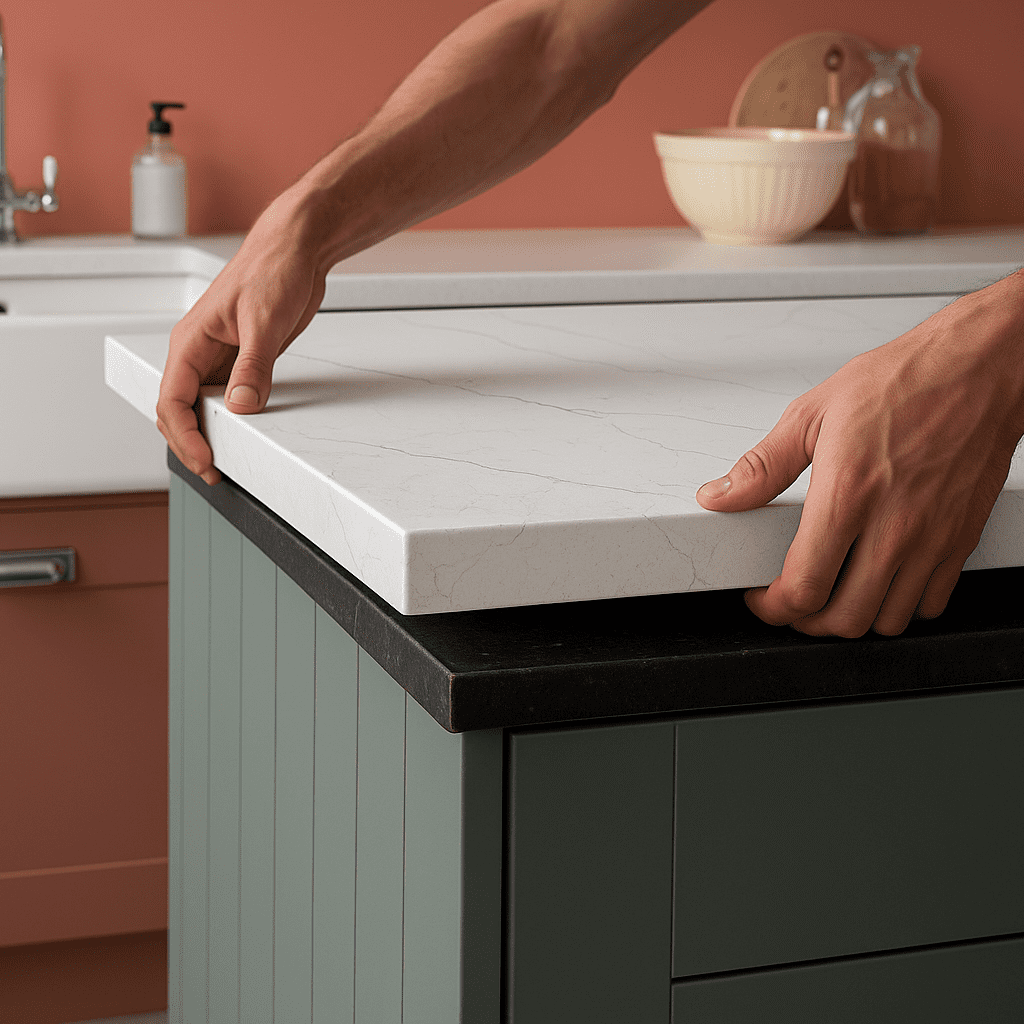
Are your kitchen worktops looking worn out or outdated? You might be wondering if you can cover them without the hassle and cost of a full replacement.
The good news is, you can! Covering your existing kitchen worktops is a smart way to refresh your space quickly and affordably. But how do you choose the right method? And will it really last? Keep reading to discover simple, effective options that can transform your kitchen and save you time and money.
Your dream kitchen makeover could be easier than you think!
Reasons To Cover Kitchen Worktops
Covering existing kitchen worktops is a smart choice for many homeowners. It offers practical solutions beyond just aesthetics. Whether your countertops show signs of damage or you simply want to refresh your kitchen’s look, covering them can be a game-changer.
Wear And Tear Issues
Kitchen worktops face daily challenges like scratches, stains, and heat damage. Over time, these marks can make your kitchen look tired and uninviting. Covering the worktops lets you hide these imperfections without the hassle of full replacement.
Imagine your favorite meal leaving a stubborn stain. Instead of stressing over it, a new surface layer can protect against future damage. This way, you keep your kitchen functional and visually appealing.
Cost-effective Makeover
Replacing kitchen worktops can be expensive and time-consuming. Covering them offers a budget-friendly alternative that saves both money and effort. You avoid the cost of demolition and installation, which adds up quickly.
Many people don’t realize how much they can save by choosing to cover rather than replace. This approach lets you invest in other kitchen upgrades or essentials you might need. Wouldn’t you prefer to get more value from your renovation budget?
Quick Style Update
Changing the style of your kitchen doesn’t have to wait for a full remodel. Covering worktops offers a fast way to update the look and feel of your space. New materials or finishes can instantly brighten your kitchen and make it feel modern.
It’s exciting to see how a simple change can refresh your cooking area. You can experiment with different colors, textures, or patterns without a long wait. Why not give your kitchen a fresh vibe in just a few hours?

Credit: expresswrap.ae
Popular Covering Materials
Choosing the right material to cover your existing kitchen worktops can completely change the look and feel of your space without the hassle of a full replacement. Popular covering materials offer a range of styles, costs, and installation methods to suit different needs and budgets. Understanding each option helps you pick what fits your kitchen and lifestyle best.
Laminate Sheets
Laminate sheets are a top choice for covering old worktops. They come in many colors and patterns, including wood grain and stone effects, making it easy to match your kitchen decor.
These sheets are thin but durable, and you can often install them yourself with some basic tools. They resist stains and heat, but be careful with sharp knives to avoid scratches.
Vinyl Wraps
Vinyl wraps offer a quick and affordable update to tired worktops. They are adhesive-backed and flexible, allowing you to cover curves and edges smoothly.
You can find vinyl in matte, glossy, or textured finishes. It’s water-resistant and easy to clean, but it might not hold up well against heavy cutting or heat exposure.
Butcher Block Overlays
Butcher block overlays add warmth and a natural look to your kitchen. These wooden panels sit on top of your existing worktops and can be sealed to protect against moisture and stains.
They’re great if you love the idea of a wooden surface but want to avoid a full countertop replacement. Just remember to maintain them regularly with oil to keep the wood in good shape.
Tile Stickers And Decals
Tile stickers and decals can transform your kitchen worktops with minimal effort. They mimic the appearance of ceramic tiles and come in many designs, from classic subway tiles to colorful mosaics.
Applying these stickers is straightforward and mess-free, perfect for renters or those wanting a temporary change. However, they may peel over time, especially in areas with frequent water exposure.
Step-by-step Covering Process
Covering existing kitchen worktops can refresh your kitchen without full replacement. The process requires careful attention to detail. Follow each step closely for a smooth, durable finish. This guide breaks down the essential stages.
Surface Preparation
Start by cleaning the worktop thoroughly. Remove grease, dirt, and dust using a mild cleaner. Repair any chips or cracks with filler. Sand the surface lightly to create a rough texture. This helps the cover material stick better. Wipe away sanding dust with a damp cloth. Ensure the surface is dry before moving on.
Measuring And Cutting
Measure the worktop dimensions accurately. Use a tape measure for length and width. Mark measurements on the cover material with a pencil. Cut the material carefully using a sharp utility knife or scissors. Cut slightly larger pieces to allow trimming later. Double-check measurements to avoid mistakes.
Applying The Cover Material
Apply adhesive to the prepared surface or back of the cover material. Use a brush or roller for an even layer. Position the cover material on the worktop carefully. Smooth out air bubbles with a squeegee or flat tool. Work from the center outwards to the edges. Allow the adhesive to dry as per instructions.
Sealing And Finishing Touches
Seal edges with waterproof sealant to prevent moisture damage. Use a caulking gun for neat application. Trim any excess material for a clean look. Clean the covered surface with a soft cloth. Avoid harsh chemicals that may damage the finish. Let everything dry completely before use.

Credit: www.worktophub.co.uk
Diy Vs Professional Help
Covering existing kitchen worktops can save time and money. DIY suits simple updates, but professionals ensure lasting, smooth results. Assess skill level and worktop condition before deciding.
Choosing between DIY and hiring a professional to cover your existing kitchen worktops is a decision many homeowners face. Each option has its unique set of benefits and challenges. Whether you're driven by budget constraints or the desire for a personalized touch, understanding these aspects can help you make an informed choice.
When To Diy
Tackling a DIY project can be immensely satisfying. If you have a knack for hands-on tasks and basic carpentry skills, transforming your kitchen worktops yourself might be a rewarding venture. Not only do you save on labor costs, but you also gain the flexibility to customize as you see fit. However, DIY is best suited for small-scale projects. If your worktops are in relatively good condition and just need a facelift, covering them with new laminate or paint can be a straightforward task. Remember to weigh your confidence and skill level before diving in.
Benefits Of Hiring Experts
Hiring professionals brings peace of mind and expertise to the table. Experts ensure a high-quality finish that stands the test of time, often with warranties that safeguard your investment. They handle complex installations and repairs, which can be challenging for a DIY enthusiast. Consider the time and effort saved when you opt for professional help. Instead of spending weekends on a project, you can relax while skilled hands do the work. Think of it as an investment in both your home and your personal time.
Cost Comparison
The cost of covering kitchen worktops can vary significantly between DIY and professional services. DIY projects typically cost less upfront since you're only paying for materials. However, mistakes or lack of tools could drive up the expense unexpectedly. On the other hand, professionals might seem costlier at first glance. But factor in the quality, durability, and potential increase in your home's value, and the investment often justifies itself. What’s more important to you—saving money now or ensuring a long-lasting finish? Ultimately, the choice between DIY and professional help boils down to your priorities. Will you relish the challenge of a DIY, or do you prefer the assurance of expert craftsmanship?
Maintenance Tips For Covered Worktops
Covering your existing kitchen worktops can transform your space without the hassle of a full renovation. But maintaining these covered surfaces requires a little extra care to keep them looking fresh and durable. Here are some practical tips to help you maintain covered worktops effectively.
Cleaning Recommendations
Use a soft cloth or sponge with mild soap and warm water to clean your covered worktops daily. Avoid abrasive cleaners or harsh chemicals that can wear down the covering material.
For stubborn stains, try a paste made from baking soda and water. Gently rub it on the spot and rinse thoroughly to avoid residue.
Avoiding Damage
Protect your covered worktops from heat by always using trivets or heat pads under hot pans. Direct heat can cause warping or discoloration, which is often irreversible.
Be mindful of sharp objects; cutting directly on covered surfaces can cause scratches or tears. Use a cutting board to preserve the integrity of your new worktop layer.
Long-term Care
Check the edges and seams regularly for any lifting or peeling. Early detection allows you to fix minor issues before they become costly repairs.
Consider reapplying a sealant or protective coating every couple of years, depending on the material you used to cover your worktops. This can extend their lifespan and maintain their appearance.
Have you noticed how small maintenance habits can make a big difference in the longevity of your kitchen surfaces? Paying attention to these details will keep your covered worktops looking great for years to come.

Credit: www.joesdoors.co.uk
Creative Design Ideas
Updating your kitchen worktops doesn’t mean you have to remove the old ones. Covering existing surfaces opens up exciting design possibilities that can transform the look and feel of your kitchen instantly. Let’s dive into some creative ideas that make your worktops stand out without a full replacement.
Mixing Materials
Combining different materials on your worktops creates texture and depth. You might add a sleek glass panel over part of a wooden surface to give a modern twist. Or try a metal strip inset to break up a stone or laminate top, adding a touch of industrial chic.
Have you ever thought about how combining materials can highlight your kitchen’s unique style? Mixing smooth and rough textures can make your countertop a conversation piece. It also allows you to play with durability and maintenance, using tougher materials where you need them most.
Adding Patterns
Patterns bring personality and energy to your kitchen worktops. You can apply adhesive vinyl with bold geometric designs or subtle marble effects to refresh the surface quickly. Stenciling or painting patterns directly onto your existing worktop can also create a custom look without high costs.
Think about which patterns resonate with your style—do you prefer something classic, like herringbone, or something playful, like chevrons? Adding patterns lets your kitchen reflect your character and can brighten up the space effortlessly. What pattern would you pick to make your kitchen feel more like home?
Using Color Accents
Color has the power to change a kitchen’s mood instantly. Adding color accents to your worktops can brighten the room and complement your cabinetry or backsplash. Consider painting a border around the edges or creating a small colored section where you do prep work.
Sometimes, a pop of unexpected color is all it takes to breathe new life into your kitchen. Think about which hues make you happy every time you walk in. Would a bold red or a calming blue inspire your cooking and gatherings?
Frequently Asked Questions
Can I Cover Existing Kitchen Worktops Without Removing Them?
Yes, you can cover existing kitchen worktops using vinyl wraps, laminates, or overlays. This saves time and reduces renovation costs. Ensure the surface is clean and smooth before applying any covering for best results.
What Materials Work Best For Covering Old Kitchen Worktops?
Popular materials include vinyl films, laminate sheets, and acrylic overlays. These options are durable, easy to install, and budget-friendly. Choose a material that complements your kitchen style and withstands daily use.
Is It Possible To Cover Damaged Kitchen Worktops?
Minor damages like scratches or stains can be covered effectively. However, severe damage may require repair before covering. Proper preparation ensures a smooth and long-lasting finish when covering existing worktops.
How Long Does It Take To Cover Existing Kitchen Worktops?
Covering kitchen worktops usually takes a few hours to a day. The time depends on the material and surface preparation required. Vinyl wraps are quicker, while laminates may need more precise fitting.
Conclusion
Covering existing kitchen worktops can save time and money. Choose materials that fit your style and budget. Proper preparation ensures a smooth and lasting finish. Small changes can refresh your kitchen’s look quickly. Think about durability and ease of cleaning.
You don’t always need to replace everything. A covered worktop can look neat and new. Consider this option before deciding on a full renovation. It’s a practical way to update your kitchen space.