
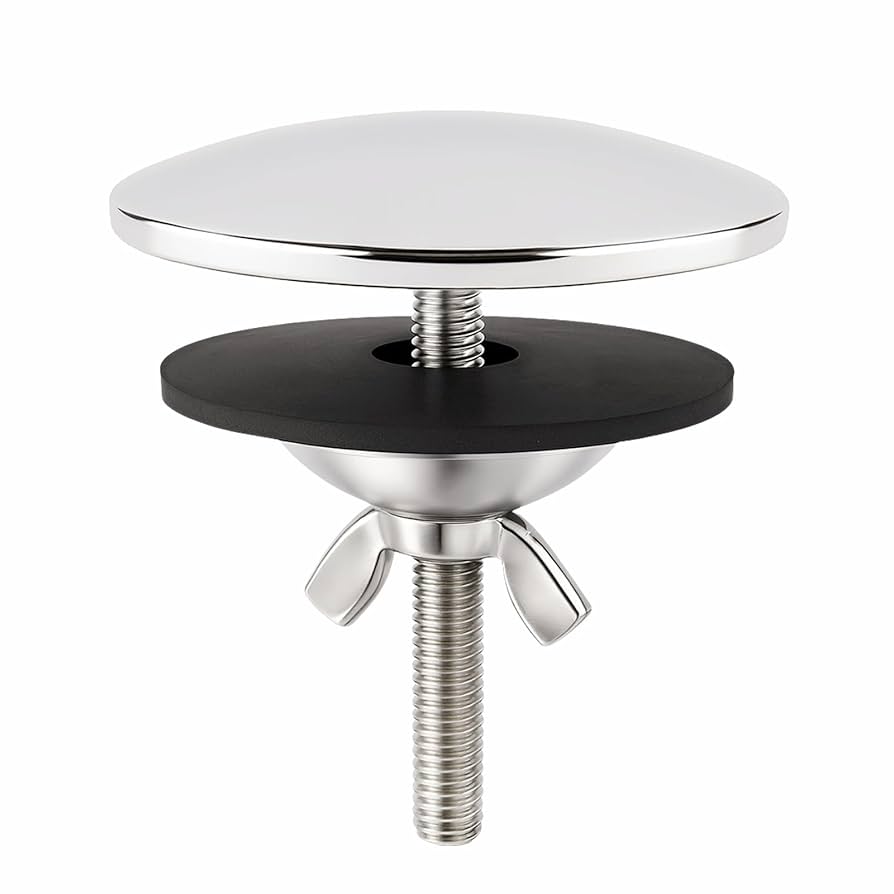
Have extra holes in your kitchen sink that you don’t know what to do with? You’re not alone.
Many sinks come with extra holes for accessories, but what if you don’t need them all? Leaving those holes open can look messy and even cause leaks. The good news is, you don’t have to replace your entire sink to fix this.
You’ll discover simple, effective ways to cover those extra holes and keep your kitchen looking clean and polished. Keep reading to find the best solutions that fit your style and budget.

Credit: www.amazon.com
Common Causes Of Extra Sink Holes
Extra holes in kitchen sinks are common and can cause confusion. These holes often appear as small openings around the main faucet area. Understanding why these holes exist helps in deciding how to cover or use them effectively. Various reasons lead to extra holes, from the sink's original design to changes made after installation.
Factory Mistakes
Sometimes, sinks come with extra holes due to factory errors. These mistakes happen during the manufacturing process. The factory may drill more holes than needed for different faucet types. These holes remain unused if the sink owner does not require those fixtures.
Upgrading Fixtures
Homeowners often upgrade their kitchen fixtures over time. New faucets may need different hole configurations. This can leave some holes unused if the new setup needs fewer connections. Extra holes can also appear when adding accessories like soap dispensers or water filters.
Design Changes
Design trends change, and sinks adapt to new styles. Some sinks have multiple holes to offer flexible fixture placement. These holes allow customization but may stay empty if the owner chooses a simpler design. Remodeling kitchens often reveals these extra holes from previous designs.
Materials To Cover Sink Holes
Extra holes in your kitchen sink can be an eyesore or even a source of dirt and water buildup. Luckily, you don’t always have to replace the entire sink to fix this. There are several materials designed to cover these holes effectively, blending function with style.
Sink Hole Covers
Sink hole covers are simple, affordable solutions made to fit standard sink holes. They usually come in stainless steel or plastic and snap right into place.
They are great if you want a quick fix without any complicated installation. Plus, they prevent water from pooling inside those unused holes.
Decorative Caps
If you're looking to add a bit of personality, decorative caps can be a fun choice. These come in various shapes, colors, and finishes, allowing you to match your kitchen’s look.
Imagine turning an awkward hole into a design feature that sparks conversation every time you cook. Would you prefer something shiny and modern or rustic and earthy?
Cutting Boards
A more practical approach is using a cutting board that fits over the extra holes. This doubles as extra counter space and hides any holes underneath.
It’s perfect for small kitchens where every inch counts. Have you tried using a custom-sized cutting board to cover extra sink space?
Custom Plates
For a tailored fit, custom plates made from materials like stainless steel, wood, or acrylic can be cut to cover the holes exactly.
This option is ideal if your sink has oddly sized or multiple holes. Custom plates not only cover the holes but also add a seamless look to your sink area.
Diy Methods To Hide Extra Holes
Extra holes in your kitchen sink can be an eyesore, but you don’t have to replace the entire sink to fix them. There are simple, effective DIY methods to hide or cover these unwanted holes without much hassle. These solutions not only improve the look of your sink but can also add functionality to your kitchen space.
Using Silicone Sealant
Silicone sealant is a quick and affordable way to cover extra holes in your sink. It creates a waterproof barrier that prevents water from leaking through the holes. Plus, it blends well with most sink materials, making the patch almost invisible.
To use silicone sealant, clean the hole area thoroughly and dry it completely. Apply the sealant generously inside the hole and smooth it out with a finger or a tool. Let it cure for at least 24 hours before using the sink to ensure a solid seal.
Have you noticed how a little silicone can turn a problem into a neat fix? It’s surprising how something so simple can save you the cost of a new sink.
Installing Soap Dispensers
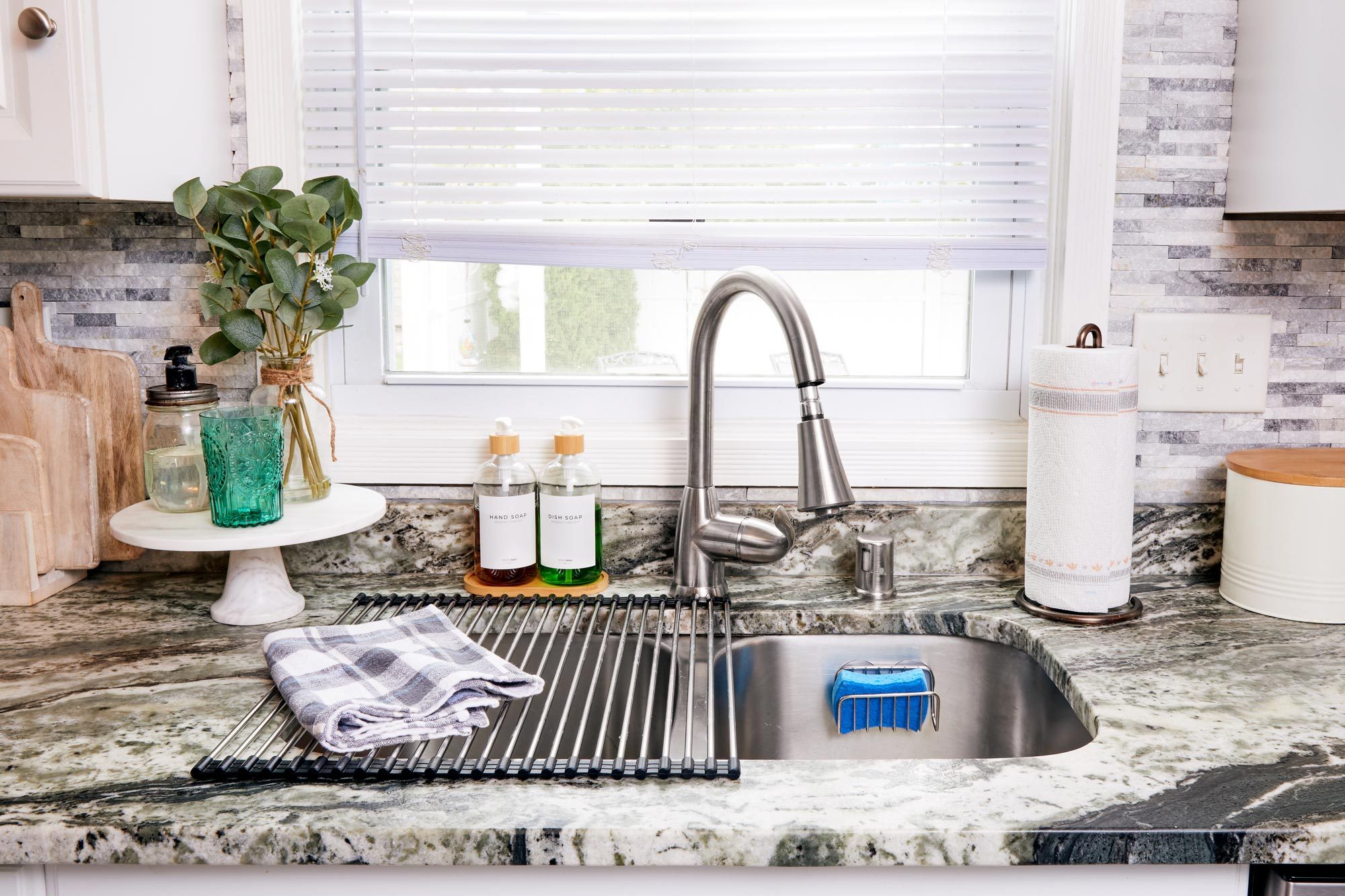
Extra holes can become handy spots for built-in soap dispensers. These dispensers fit perfectly into standard sink holes and add convenience to your kitchen routine. You get to hide the holes and keep your countertop clutter-free.
Installing a soap dispenser requires minimal tools and effort. After removing the hole cover, insert the dispenser pump, secure it from underneath, and connect the soap reservoir. This is a great way to add value without a major remodel.
Think about how much easier washing dishes becomes when soap is right at your fingertips—no more juggling bottles on the edge of the sink.
Adding Sprayers Or Air Gaps
Extra holes can also accommodate useful accessories like sprayers or air gaps. A sprayer helps you rinse dishes and clean the sink more efficiently. An air gap prevents contaminated water from flowing back into your dishwasher, keeping your kitchen hygienic.
Installing these devices is straightforward if you have some basic plumbing skills. Just fit the sprayer or air gap into the hole, connect the hoses, and tighten the fittings. This upgrade not only hides the hole but enhances your kitchen’s functionality.
Have you considered turning an unwanted hole into a feature that improves your daily kitchen tasks?
Professional Solutions For Hole Coverage
Dealing with extra holes in your kitchen sink can be annoying. These holes often spoil the look of your kitchen. Many professional solutions can help cover them. From replacing the entire sink to making specific countertop changes, these options offer effective ways to solve the problem.
Replacing The Sink
One effective way is replacing the sink. A new sink can cover extra holes easily. Choose a model that fits your kitchen style. This method not only covers holes but also updates your kitchen's look.
Custom Sink Inserts
Custom sink inserts are another good solution. These inserts fit perfectly into the extra holes. They come in various materials and designs. You can match them with your kitchen décor. This option is less costly than a full sink replacement.
Countertop Modifications
Countertop modifications can also cover sink holes. You can extend the countertop to hide the extra holes. This requires a professional touch. But it results in a seamless kitchen design. This method enhances both functionality and aesthetics.
Tips For A Clean, Seamless Look
Covering extra holes in your kitchen sink doesn't have to look like a quick fix. Achieving a clean, seamless appearance takes attention to detail and the right materials. If you want your sink area to blend naturally with the rest of your kitchen, consider these practical tips.
Matching Materials
Choose cover plates or plugs that match the material and finish of your sink or countertop. If your sink is stainless steel, opt for stainless steel covers instead of plastic ones. This small detail can make a big difference in how natural the repair looks.
Think about the color and texture as well. A close match will help the cover blend in, making the hole less noticeable. Have you noticed how a slight color mismatch can make a repair stick out? Avoid that by testing samples before buying.
Proper Sealing
Sealing the cover properly is essential to prevent water from seeping underneath. Use a waterproof sealant designed for kitchen use, like silicone caulk. This keeps the area dry and avoids damage to the countertop.
Apply the sealant evenly and allow it to cure fully before using the sink. If the seal isn’t tight, you risk mold growth and stains around the cover. Have you ever found a small leak that caused big problems? Proper sealing stops that before it starts.
Regular Maintenance
Keep an eye on the covers and seals to maintain their clean look over time. Wipe them down regularly to remove soap scum and mineral buildup. This simple habit can keep your kitchen sink area looking fresh and well cared for.
If you notice any cracks or loosening, replace or reseal the cover immediately. Ignoring minor wear can lead to bigger, more visible damage later. How often do you check your sink area for small issues? A little attention goes a long way.

Credit: www.amazon.com
Common Mistakes To Avoid
Covering extra kitchen sink holes may seem simple, but many make mistakes. These errors can cause leaks, damage, or poor fit. Knowing what to avoid helps ensure a lasting and safe fix. Here are common pitfalls to watch out for when covering those holes.
Ignoring Leak Risks
Extra holes near your sink can let water escape. Ignoring this risk leads to water damage under the sink. Always check for leaks after covering holes. Use proper sealing materials to keep water inside the sink area. Do not assume dry areas mean no leaks. Regularly inspect the sealed holes to catch problems early.
Using Temporary Fixes
Temporary fixes like tape or putty may seem easy and cheap. These solutions rarely last and can fail quickly. Water can seep through, causing damage and mold. Choose durable materials designed for kitchen use. Permanent covers or plugs provide better protection. Temporary fixes only delay the real problem.
Mismatched Components
Using parts that don’t fit your sink holes creates gaps. Gaps allow water and debris to enter unwanted spaces. Always measure hole sizes before buying covers or plugs. Match materials to your sink type for a secure fit. Avoid mixing metals that can corrode or discolor. Proper matching ensures a neat, safe finish.
Credit: www.rd.com
Frequently Asked Questions
Can You Cover Extra Kitchen Sink Holes Easily?
Yes, you can cover extra kitchen sink holes using hole covers or sink hole plugs. These accessories provide a clean, finished look and prevent water leakage. They are easy to install, affordable, and come in various materials and finishes to match your sink style.
What Materials Work Best For Covering Sink Holes?
Stainless steel, silicone, and plastic covers work best for sink holes. Stainless steel blends well with metal sinks, while silicone offers a flexible seal. Plastic covers are budget-friendly and durable. Choose based on your sink type and desired appearance for optimal results.
Are Sink Hole Covers Waterproof And Durable?
Most sink hole covers are waterproof and designed for durability. Materials like stainless steel and silicone resist water damage and corrosion. Proper installation ensures a secure fit, preventing leaks and extending the lifespan of your sink area.
Can I Cover Sink Holes Without Professional Help?
Yes, covering sink holes is a simple DIY task. Most hole covers come with instructions and require no special tools. You just need to clean the hole area, select the right cover size, and snap or screw it in place securely.
Conclusion
Extra kitchen sink holes can be covered easily and affordably. Simple covers or plugs fit most holes well. These solutions keep your sink looking neat and clean. You can choose covers in different styles and colors. This helps match your kitchen’s look perfectly.
Covering unused holes prevents water leaks and dirt build-up. It also makes cleaning faster and easier. Small fixes like these improve your kitchen’s function. Try one today and see the difference yourself.