
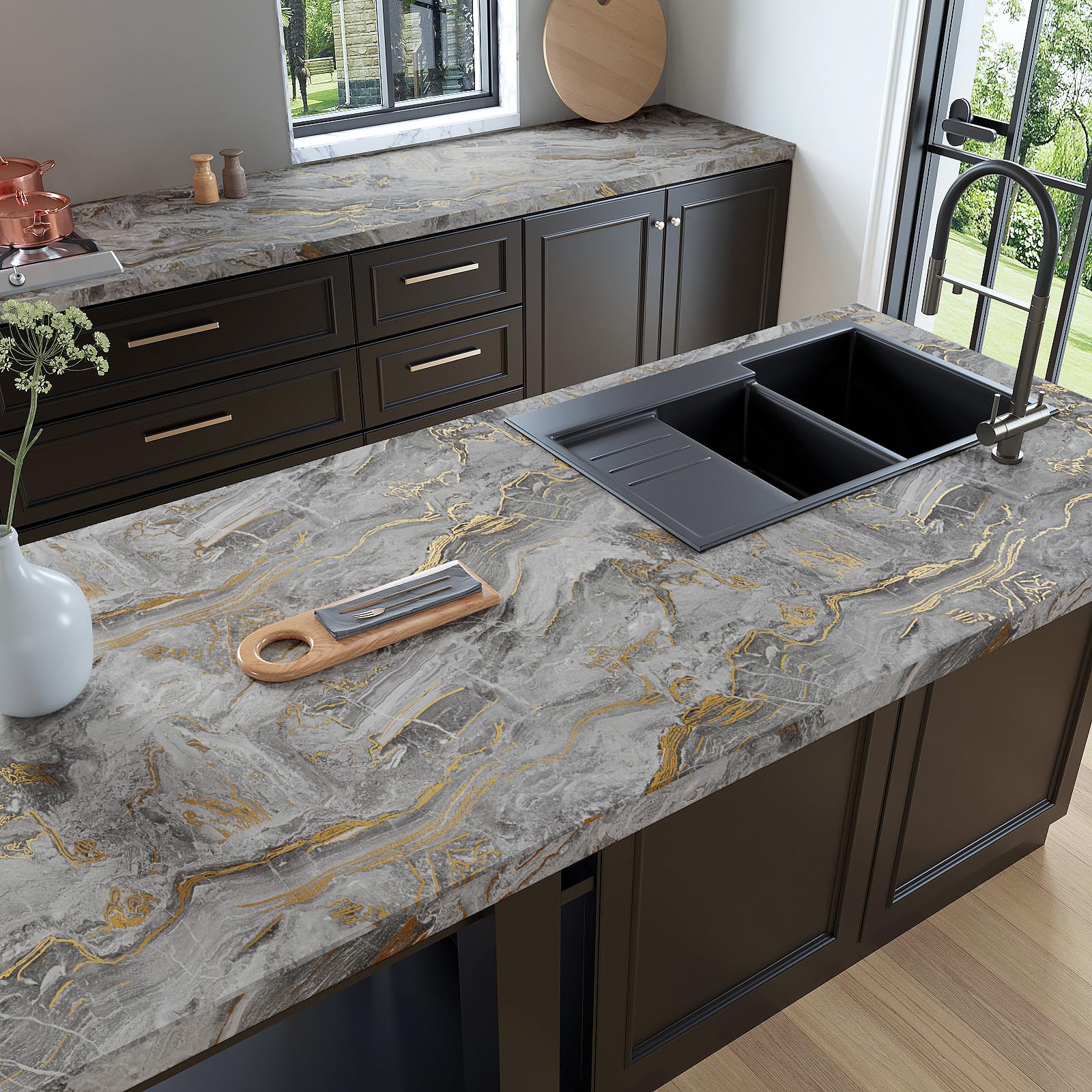
Are you tired of your old kitchen countertops but not ready for a costly renovation? What if there was a simple, affordable way to give your kitchen a fresh new look without the mess or expense?
Covering your countertops with contact paper might be the answer you’ve been searching for. But can you really trust contact paper to hold up in a busy kitchen? Keep reading to discover the surprising truth and learn how this easy trick could transform your space faster than you think.
Benefits Of Using Contact Paper
Contact paper offers many advantages for updating kitchen countertops. It is a smart choice for those who want a fresh look without a big commitment. The benefits make it popular for renters and homeowners alike. Here are some key reasons why contact paper is a great option.
Cost-effective Makeover
Contact paper costs much less than new countertops. It helps save money on expensive materials and labor. A small investment can change the kitchen’s appearance quickly. This is perfect for budget-conscious projects or temporary fixes.
Variety Of Designs
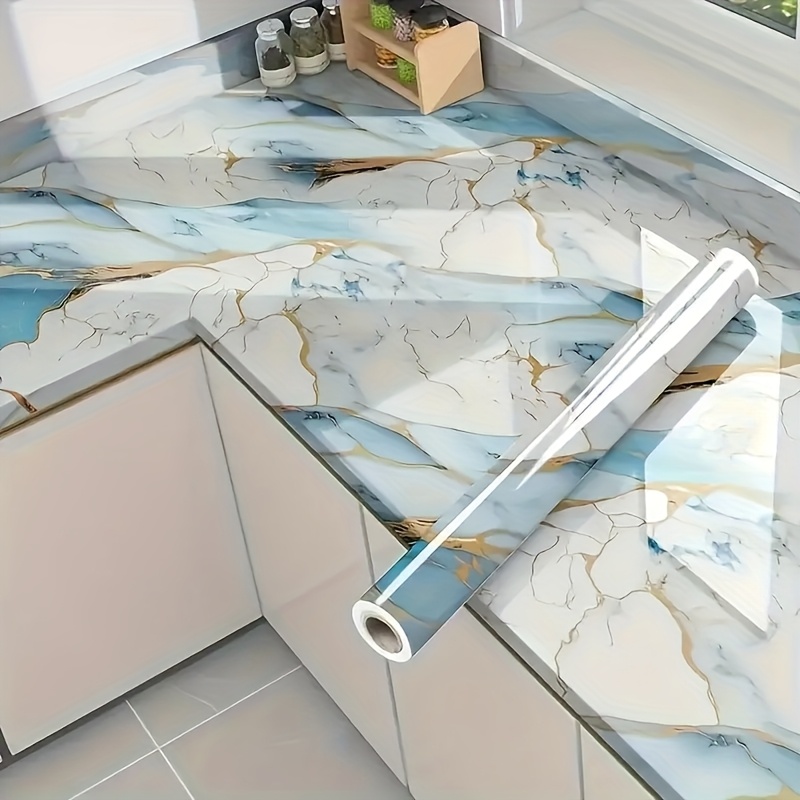
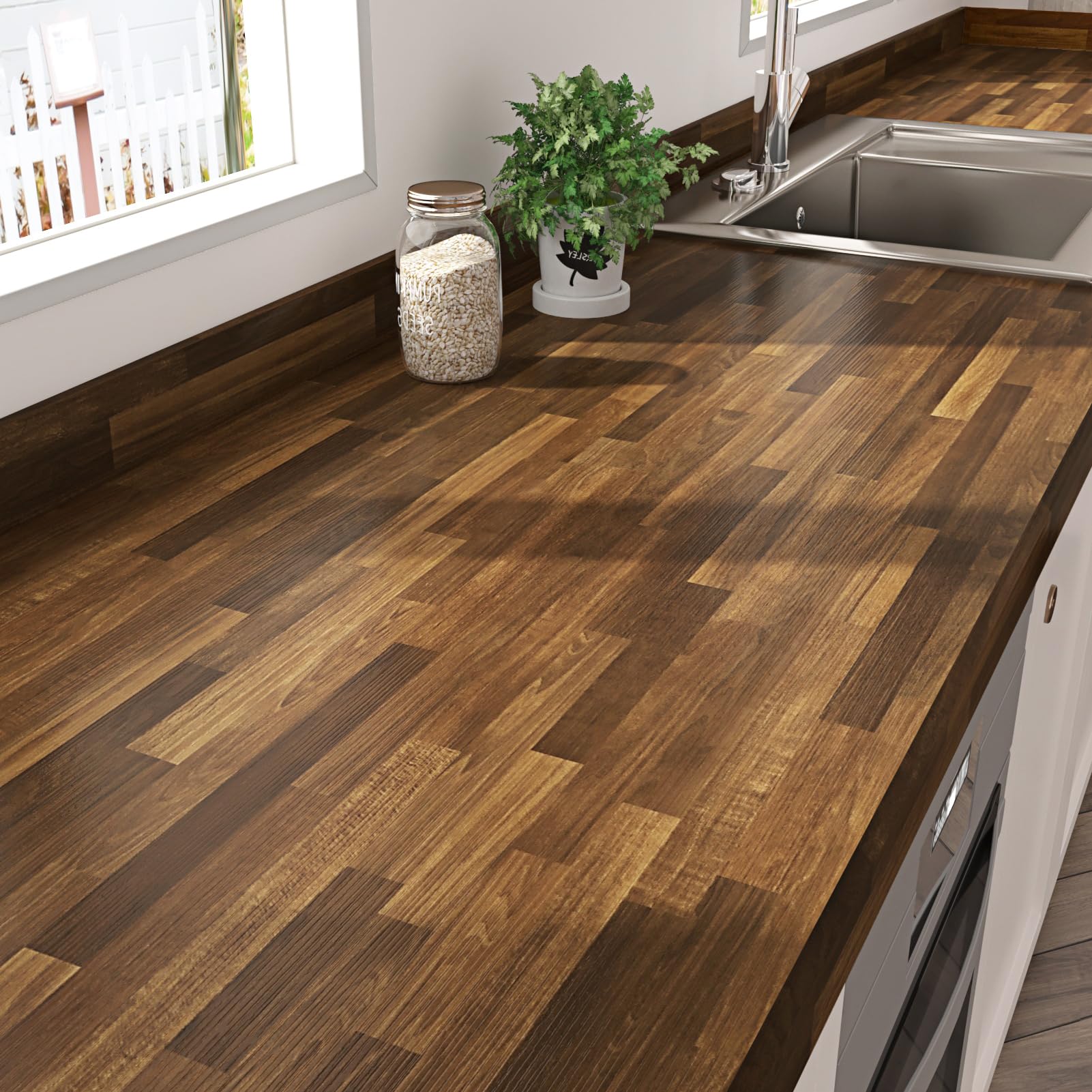
Contact paper comes in many colors and patterns. You can find styles that mimic wood, marble, tile, and more. This variety allows easy matching with any kitchen decor. It lets you customize the space without permanent changes.
Temporary And Reversible
Contact paper is easy to apply and remove. It won’t damage surfaces underneath when peeled off. This makes it ideal for renters or people who like frequent updates. You can try new looks and switch back anytime.
Credit: www.temu.com
Choosing The Right Contact Paper
Choosing the right contact paper is key for a successful kitchen countertop makeover. The right choice affects appearance, longevity, and ease of use. Different materials, finishes, and durability levels suit various needs. Understanding these factors helps pick contact paper that fits your space and lifestyle.
Material Types
Contact paper comes in several material types. Vinyl is the most popular due to its water resistance and flexibility. Paper-based contact paper is less durable but often cheaper. Fabric-backed options offer texture but may absorb stains. Consider your kitchen’s moisture and wear levels when selecting material.
Finish Options
Finishes range from matte to glossy. Matte finishes hide fingerprints and scratches better. Glossy finishes add shine and brighten spaces. Some contact papers mimic natural stone or wood textures for realism. Choose a finish that matches your kitchen style and maintenance preferences.
Durability Factors
Durability depends on thickness and adhesive quality. Thicker contact paper lasts longer and resists tears. Strong adhesive keeps the paper in place and prevents bubbling. Heat resistance matters near stoves and ovens. Check product details for moisture and heat tolerance to ensure lasting performance.
Preparing Your Countertops
Getting your kitchen countertops ready before applying contact paper is key to achieving a smooth and lasting finish. Skipping preparation can lead to bubbles, peeling, or a less attractive result. Taking the time to prepare your surfaces properly will save you frustration and give your kitchen a fresh, polished look.
Cleaning Surface
Start by wiping down your countertops with a gentle cleaner to remove grease, dirt, and dust. Use a mixture of warm water and mild dish soap for best results. Avoid harsh chemicals that could damage the surface or leave residue behind.
Dry the surface thoroughly with a clean cloth to ensure the contact paper sticks well. Have you noticed how even tiny crumbs can cause bumps under the paper? That’s why this step matters more than you might think.
Repairing Imperfections
Look closely for any nicks, cracks, or rough spots on your countertops. These imperfections will show through the contact paper and may cause it to peel prematurely. Fill small dents or scratches with a countertop filler or wood putty, depending on your surface type.
After applying the filler, sand the area smooth and wipe away dust. This creates a flat, even surface that helps the contact paper adhere better and look seamless.
Measuring Accurately
Measure your countertop dimensions precisely before cutting your contact paper. Use a tape measure to get the length and width, and double-check your numbers. Adding a small extra margin (about 1–2 inches) on each side will give you room to adjust during application.
Cutting too small can cause frustration and wasted material. Have you ever tried fitting something too tight only to have to start over? Accurate measuring saves time and keeps your project stress-free.
Step-by-step Application Guide
Clean the countertop surface thoroughly to ensure proper adhesion. Measure and cut the contact paper to fit your countertop shape. Carefully peel and apply the paper, smoothing out any bubbles or wrinkles as you go.
Transforming your kitchen countertops with contact paper is an affordable and creative way to give your kitchen a fresh look. However, the success of this DIY project lies in the meticulous application process. Let’s walk through a step-by-step guide to ensure a smooth and stunning finish.
Cutting To Size
Begin by measuring your countertops with precision. Use a measuring tape to determine the length and width of each section, then add an extra inch to accommodate any mistakes or adjustments. Unroll the contact paper and mark your measurements on the back. Use a ruler and a sharp utility knife or scissors to cut along the lines. Double-check your measurements before making the cut to avoid any wastage.
Peeling And Sticking
Now, it’s time to peel the backing off the contact paper. Start at one corner and gradually peel back a few inches of the paper, exposing the adhesive side. Align the exposed edge with the edge of your countertop. Press the sticky side onto the countertop, smoothing as you go to avoid wrinkles. Work slowly, peeling and sticking in small sections. This careful approach prevents air bubbles and ensures a smooth application.
Smoothing Out Bubbles
After sticking the contact paper, you might notice some air bubbles trapped underneath. Use a squeegee or a credit card to gently push these bubbles towards the edges. Applying even pressure helps to flatten the surface. For stubborn bubbles that refuse to move, poke them gently with a pin and smooth over with your tool. This method releases the trapped air without leaving noticeable marks. Have you ever tackled a DIY project that seemed daunting at first, but turned out to be a rewarding experience? Applying contact paper can be that project. With patience and attention to detail, you’ll transform your countertops and perhaps, inspire your next creative endeavor.
Maintaining Contact Paper Counters
Maintaining contact paper countertops is essential to keep your kitchen looking fresh and stylish. Since contact paper is a thin adhesive layer, it requires careful handling to prevent peeling or damage. With the right care, you can extend the life of your contact paper and enjoy a beautiful surface for months.
Cleaning Tips
Use a soft cloth or sponge with warm, soapy water for daily cleaning. Avoid abrasive scrubbers or harsh chemicals that can scratch or degrade the surface. Gently wipe spills immediately to prevent stains or water damage beneath the paper.
Have you noticed how stubborn grease can be on kitchen surfaces? Try a mild vinegar solution for tougher spots, but always test in a small hidden area first. This keeps your contact paper looking like new without risking damage.
Avoiding Damage
Cutting directly on contact paper can quickly ruin the finish. Always use a cutting board to protect your countertop and the paper’s adhesive layer. Also, avoid placing hot pots or pans directly on the surface, as heat can cause bubbles or warping.
Think about your daily kitchen habits—could any be unintentionally harming your counters? Simple changes like using coasters and trivets can make a big difference. Being mindful helps preserve the look and functionality of your contact paper.
When To Replace
Peeling edges, bubbling, or visible tears are signs it’s time to replace your contact paper. Don’t wait until damage spreads; replacing it early prevents further issues. If cleaning no longer restores its appearance, a fresh layer can revive your kitchen instantly.
Have you ever ignored small damage only to regret it later? Staying on top of wear ensures your counters stay attractive and hygienic. Reapplying contact paper is a quick, budget-friendly way to refresh your space whenever you need.

Credit: www.amazon.com
Limitations And Considerations
Covering your kitchen countertops with contact paper might seem like a quick and budget-friendly makeover. However, there are important limitations and considerations you should keep in mind before diving in. Understanding these factors helps you decide if contact paper is the right choice for your kitchen’s daily demands.
Heat And Moisture Sensitivity
Contact paper is not designed to handle high heat or excessive moisture. Placing hot pots or pans directly on the surface can cause the adhesive to weaken or the paper to bubble and peel. Similarly, steam and water spills can seep under the edges, leading to warping or mold growth.
Ask yourself: Can you avoid placing hot items on your countertops, or do you have protective pads ready? If your kitchen sees lots of cooking action, heat and moisture might quickly ruin the look.
Longevity Compared To Other Materials
Contact paper offers a temporary facelift rather than a permanent fix. While it’s affordable and easy to replace, it doesn’t last as long as materials like granite, quartz, or laminate. Expect to redo it every few years, especially in high-traffic kitchens.
Think about whether you want a long-term solution or a seasonal update. Are you prepared to maintain or replace the contact paper regularly to keep your countertops looking fresh?
Suitability For Heavy Use
In kitchens where counters take a beating from chopping, heavy appliances, or frequent spills, contact paper may not stand up well. It can scratch, tear, or peel under constant wear and tear. This makes it less suitable if you rely on your countertops for intensive food prep.
Consider how you use your kitchen space daily. Could you protect the contact paper with cutting boards and mats, or would heavy use quickly reveal its vulnerabilities?
Creative Ideas And Alternatives
Contact paper offers a quick and affordable way to refresh kitchen countertops. Its versatility allows for many creative styles beyond plain coverage. Experimenting with designs can make your kitchen unique and lively.
Exploring alternatives also helps find the best look within a budget. Simple changes can transform the space without major renovation. Here are some creative ideas and options for your kitchen surfaces.
Combining Patterns
Mixing different contact paper patterns adds depth and charm. Try pairing a marble design with a wood grain texture. Use geometric shapes alongside floral prints for a playful vibe.
Balance bold and subtle patterns to avoid overwhelming the space. Use one pattern for main counters and another for small sections or edges. This technique creates visual interest and a custom feel.
Using Contact Paper On Backsplashes
Contact paper works well on backsplashes for easy updates. Choose moisture-resistant types to handle kitchen splashes. Bright colors or metallic finishes can highlight the area behind the stove or sink.
Applying contact paper here protects walls and adds style. It’s easier to change than tile and saves time. Clean with a damp cloth to keep it fresh and shiny.
Other Budget-friendly Countertop Options
- Laminate sheets – durable and available in many designs.
- Peel-and-stick tiles – ideal for a tiled look without grout.
- Paint with countertop epoxy – create a smooth, colorful surface.
- Butcher block overlays – add warmth with a wooden touch.
- Vinyl planks – sturdy and water-resistant with wood or stone looks.
These options offer different textures and finishes. Choose based on your kitchen style and how much effort you want to spend.
Credit: www.amazon.ca
Frequently Asked Questions
Can You Use Contact Paper On Kitchen Countertops?
Yes, contact paper can be used to cover kitchen countertops. It offers a budget-friendly and quick way to refresh surfaces. However, it may not be as durable as other materials and might peel over time with heavy use.
Is Contact Paper Heat Resistant For Kitchen Counters?
Most contact papers are not heat resistant. Avoid placing hot pots or pans directly on the surface to prevent damage. Use trivets or heat pads to protect the contact paper and extend its lifespan.
How Long Does Contact Paper Last On Countertops?
Contact paper typically lasts between 1 to 3 years on countertops. Its durability depends on usage, moisture, and cleaning methods. Proper application and gentle care can help maximize its lifespan.
Can Contact Paper Protect Countertops From Scratches?
Contact paper provides a thin protective layer but won’t fully prevent scratches. It can reduce minor surface wear but is not a substitute for more durable countertop materials.
Conclusion
Covering kitchen countertops with contact paper offers a quick and affordable update. It protects surfaces and hides old damage well. The paper comes in many colors and patterns to match your style. Keep in mind, it may not last long in busy kitchens or near water.
Regular cleaning helps maintain its look. Try it for a fresh, easy change without major work. Simple, budget-friendly, and creative. A smart choice for renters or those who want a temporary fix.