
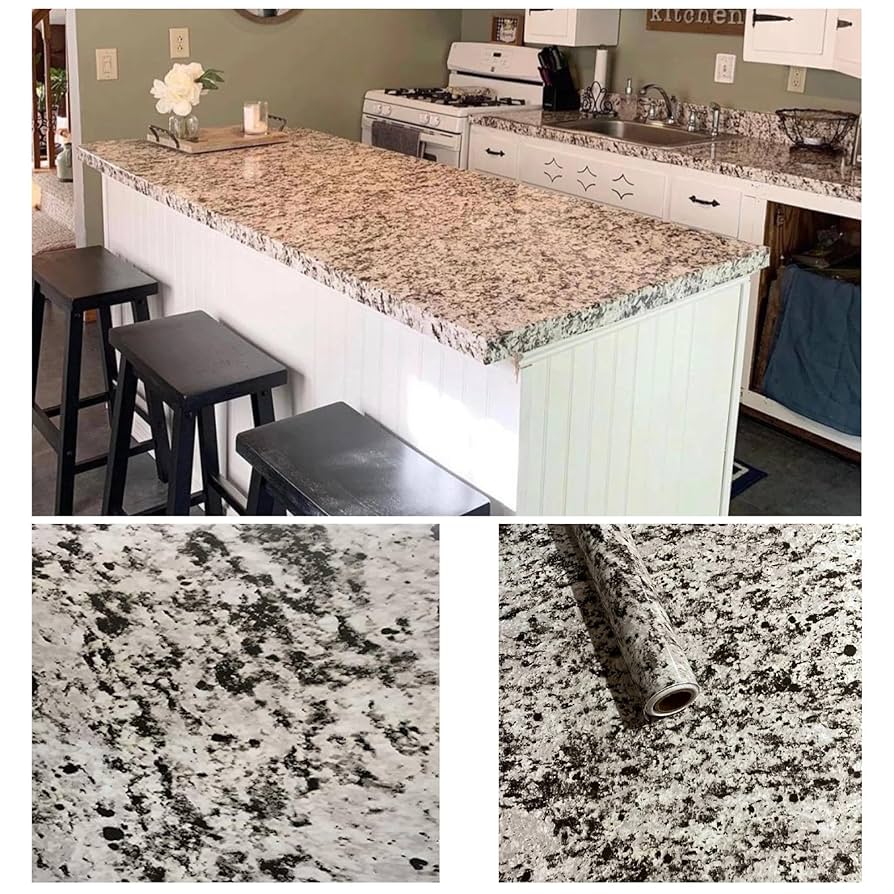
Are you tired of your old kitchen tile countertops but worried about the mess and cost of a full replacement? You might be surprised to learn that you don’t have to tear everything out to get a fresh, modern look.
Covering your kitchen tile countertops can be a smart, budget-friendly way to transform your space quickly. But is it really possible to cover tile countertops effectively? And if so, what options do you have? Keep reading to discover practical solutions that can give your kitchen a stunning makeover without the hassle you might expect.
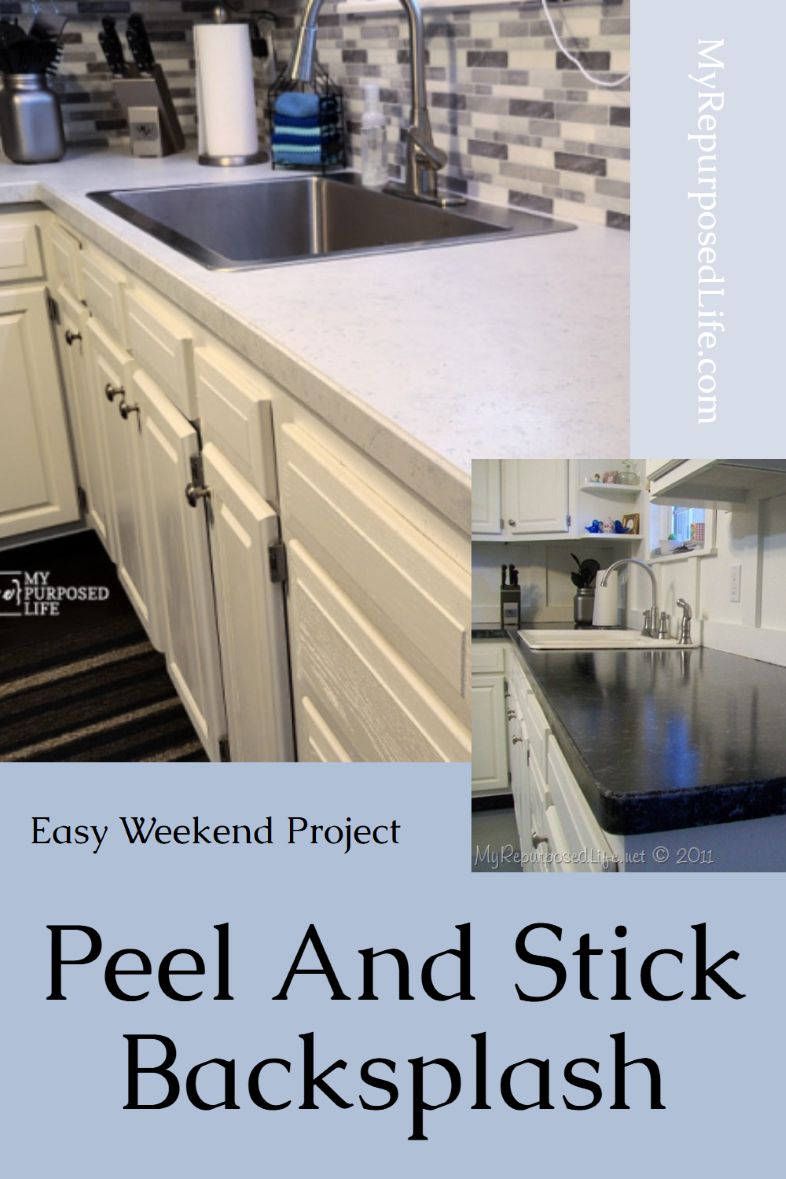
Credit: www.myrepurposedlife.com
Reasons To Cover Kitchen Tile Countertops
Covering kitchen tile countertops can be a smart choice for many homeowners. You might love the durability of tiles, but have you noticed how grout lines can trap dirt or how some tiles chip over time? Addressing these issues by covering the tiles can refresh your kitchen without the hassle of a full remodel.
Common Issues With Tile Countertops
Tile countertops often come with grout lines that are hard to clean. Over time, grout can stain and harbor bacteria, making your kitchen less hygienic.
Tiles can also crack or chip, especially if heavy pots or utensils are dropped on them. This damage not only looks bad but can also be unsafe.
Additionally, the surface of tile countertops is uneven, which can make certain kitchen tasks tricky or uncomfortable.
Benefits Of Covering Tiles
Covering your tile countertops can instantly create a smooth, easy-to-clean surface. You can choose materials like laminate, butcher block, or even concrete overlays to match your style.
This update can save you money and time compared to removing and replacing the entire countertop. Plus, it minimizes mess and disruption in your kitchen.
Are you ready to transform your kitchen’s look and improve its functionality without a major renovation? Covering your tile countertops might be the practical solution you need.

Credit: www.youtube.com
Popular Materials For Covering Tiles
Covering kitchen tile countertops offers a fresh look without the hassle of a full replacement. Choosing the right material can transform your kitchen’s style and functionality. Let’s look at popular options that suit different budgets and tastes.
Laminate Sheets
Laminate sheets are a budget-friendly choice that offers endless design possibilities. They come in many colors and patterns, including those that mimic wood or stone. Installation is relatively quick, and the surface is easy to clean, making it perfect for busy kitchens.
Think about how laminate can brighten your space with a smooth, modern finish. However, it’s less heat-resistant than other materials, so placing hot pots directly on it isn’t a good idea. Would you like a countertop that looks good and stays practical for everyday use?
Butcher Block
Butcher block adds warmth and natural charm to any kitchen. Its wooden surface is perfect for chopping and prepping food directly on the counter. Over time, it develops a unique patina, which many find appealing.
Keep in mind that butcher block requires regular sealing to protect against moisture and stains. If you enjoy a rustic or farmhouse style, butcher block might be your go-to. Do you like the idea of a countertop that doubles as a cutting board?
Concrete Overlays
Concrete overlays let you achieve a sleek, industrial look without tearing out your existing tiles. They can be customized with stains and textures to create unique designs. Once sealed properly, concrete is durable and heat-resistant.
Applying a concrete overlay is a bit more involved but offers a high-end finish. Are you ready to invest time in creating a countertop that feels solid and modern?
Epoxy Coatings
Epoxy coatings provide a glossy, seamless surface that’s both durable and waterproof. They can be tinted in various shades or even embedded with decorative elements like glitter or stone chips. Epoxy is tough enough to handle spills, scratches, and heat.
One challenge is the application process, which requires careful mixing and curing time. If you want a countertop that stands out with a shiny finish and strong protection, epoxy is worth considering. How important is a countertop’s durability and appearance to your kitchen routine?
Step-by-step Covering Process
Covering kitchen tile countertops can breathe new life into your kitchen without the cost of a full renovation. The process may seem daunting, but breaking it down into clear steps makes it manageable. Understanding each phase will help you avoid common mistakes and get a smooth, lasting finish.
Preparation And Cleaning
Start by clearing everything off your countertops. Dirt, grease, and old grout residues can prevent the new covering from sticking properly. Use a strong degreaser and a scrub brush to clean every inch thoroughly.
After cleaning, dry the surface completely. Moisture trapped under the covering can cause bubbles or peeling later. Have you checked your workspace for any stubborn spots that might need a second cleaning?
Repairing Damaged Tiles
Inspect your tiles carefully. Cracked or loose tiles must be fixed before you apply any covering. If you ignore this, the damage could worsen and ruin your new surface.
Use tile adhesive to reattach loose tiles and grout to fill small cracks. Sand down any rough edges once the repair is dry. This creates a smooth base, essential for the next steps to work well.
Applying The Covering Material
Choose a covering material that suits your style and needs—options include peel-and-stick vinyl, laminate sheets, or even epoxy coatings. Cut the material to size, allowing a bit of overlap on the edges for a clean finish.
Apply the covering carefully, starting from one edge and smoothing out air bubbles as you go. Use a squeegee or a flat tool to press firmly. Does your material require sealing or additional coats? Follow the product instructions precisely to ensure durability.

Credit: www.amazon.com
Maintenance Tips For Covered Countertops
Covering kitchen tile countertops helps protect them from stains and damage. Regular cleaning and avoiding sharp objects keep the surface looking fresh. Using gentle cleaners prevents wear and maintains the cover’s appearance over time.
Maintaining covered kitchen tile countertops can greatly extend their lifespan and keep them looking fresh and appealing. Whether you’ve opted for a laminate cover or a more specialized material, regular maintenance is key. Let’s delve into some practical tips that can help you keep your countertops in excellent condition.
Cleaning Techniques
Start with a gentle cleanser. Avoid harsh chemicals that could damage the cover material. A mixture of mild dish soap and warm water is often sufficient for daily cleaning. Use a soft cloth or sponge to prevent scratches. Wipe in circular motions for thorough cleaning.
Preventing Damage
Always use a cutting board. This simple step prevents knife marks and scratches. Hot pads or trivets should be used to protect the surface from hot pots and pans. Consider using coasters under beverages to avoid water rings and potential staining.
When To Reapply Or Replace
Regularly check for signs of wear. Small tears or peeling edges may indicate it's time to reapply the cover. If the surface appears dull or stained despite cleaning, a replacement might be necessary. Reapplying or replacing covers can be a weekend DIY project or you may choose to consult a professional for a seamless finish. How often do you assess the condition of your countertops? Regular checks can save you from bigger problems down the road.
Cost And Time Considerations
Covering kitchen tile countertops can be a smart way to refresh your space without a full remodel. But before you start, it’s important to weigh the cost and time involved. These factors can greatly influence whether this project fits your budget and schedule.
Budgeting For Materials And Labor
Your material choices directly impact your budget. Options like laminate or wood veneer tend to be more affordable than solid surfaces or stone overlays. Don’t forget to include the cost of adhesives, sealants, and any preparation tools.
Labor costs vary depending on the complexity of your countertop and the skill level required. Hiring a professional might seem costly upfront, but it can save you from expensive mistakes. Have you considered how much your time is worth if you decide to DIY?
- Material costs can range from $20 to $100+ per square foot.
- Labor may add $30 to $70 per hour depending on location and expertise.
- Unexpected expenses often arise, so set aside a 10-15% contingency fund.
Project Duration Estimates
The time needed for covering tile countertops depends on the method you choose. Simple peel-and-stick options can take just a few hours, while more involved overlays might require several days. Think about your kitchen usage—can you live without your countertop during this period?
Preparation work, like cleaning and sanding, usually takes longer than you expect. Allow ample drying and curing time for adhesives to ensure durability. Have you planned your meals around the temporary loss of your countertop?
- Peel-and-stick: 2-4 hours for an average kitchen.
- Laminate or wood overlay: 1-3 days including prep and drying time.
- Professional installations may take 2-5 days depending on project scope.
Common Mistakes To Avoid
Covering kitchen tile countertops can refresh your space without a full renovation. Avoid common mistakes to ensure a smooth, durable finish. These errors can cause peeling, uneven surfaces, or wasted time and money.
Ignoring Surface Preparation
Clean the countertop thoroughly before starting. Dirt, grease, or old grout can stop new materials from sticking. Sand rough spots to create an even base. Skipping this step leads to peeling or bubbles later. Proper preparation ensures the new surface stays strong and smooth.
Choosing Incompatible Materials
Not all covering materials work well on tile. Some adhesives fail to bond with glossy or textured tiles. Use products designed for tile surfaces and kitchen use. Check if materials resist heat, moisture, and stains. Wrong materials cause cracks or quick wear, wasting your effort and money.
When To Consult A Professional
Covering kitchen tile countertops might seem simple, but some situations require expert help. Knowing when to call a professional can save time and avoid costly mistakes. Certain repairs or design changes need skills beyond basic DIY.
Complex Repairs
Tile countertops with deep cracks or loose tiles need professional care. Fixing damage incorrectly can cause more problems. Experts have tools and experience to restore surfaces safely. They ensure repairs last longer and look better. DIY fixes may only hide the issues temporarily.
Custom Design Needs
Customizing the look of your kitchen tile countertops often demands a professional touch. Creating unique patterns or fitting unusual shapes requires precise skills. Professionals can match grout colors and tile styles perfectly. They also handle measurements and cuts for a flawless finish. Attempting complex designs without help can lead to uneven results.
Frequently Asked Questions
Can You Paint Over Kitchen Tile Countertops?
Yes, you can paint over kitchen tile countertops using special tile paint. Proper cleaning and priming ensure better adhesion and durability.
What Materials Can Cover Kitchen Tile Countertops?
Materials like epoxy, laminate, butcher block, or concrete overlays effectively cover kitchen tile countertops for a fresh look.
Is It Cheaper To Cover Or Replace Tile Countertops?
Covering tile countertops is usually more cost-effective and quicker than full replacement, saving labor and material costs.
How Durable Is Covering Kitchen Tile With Epoxy?
Epoxy coatings are highly durable, resistant to stains, heat, and scratches, making them ideal for covering kitchen tile countertops.
Conclusion
Covering kitchen tile countertops is possible with the right approach. Choose materials that fit your style and budget. Preparation is key to ensure a smooth surface and lasting results. Simple tools and steps can transform your kitchen’s look quickly. Think about durability and ease of cleaning before deciding.
Small changes can make a big difference in your space. This project can refresh your kitchen without a full remodel. Start with a clear plan and enjoy your updated countertops soon.