
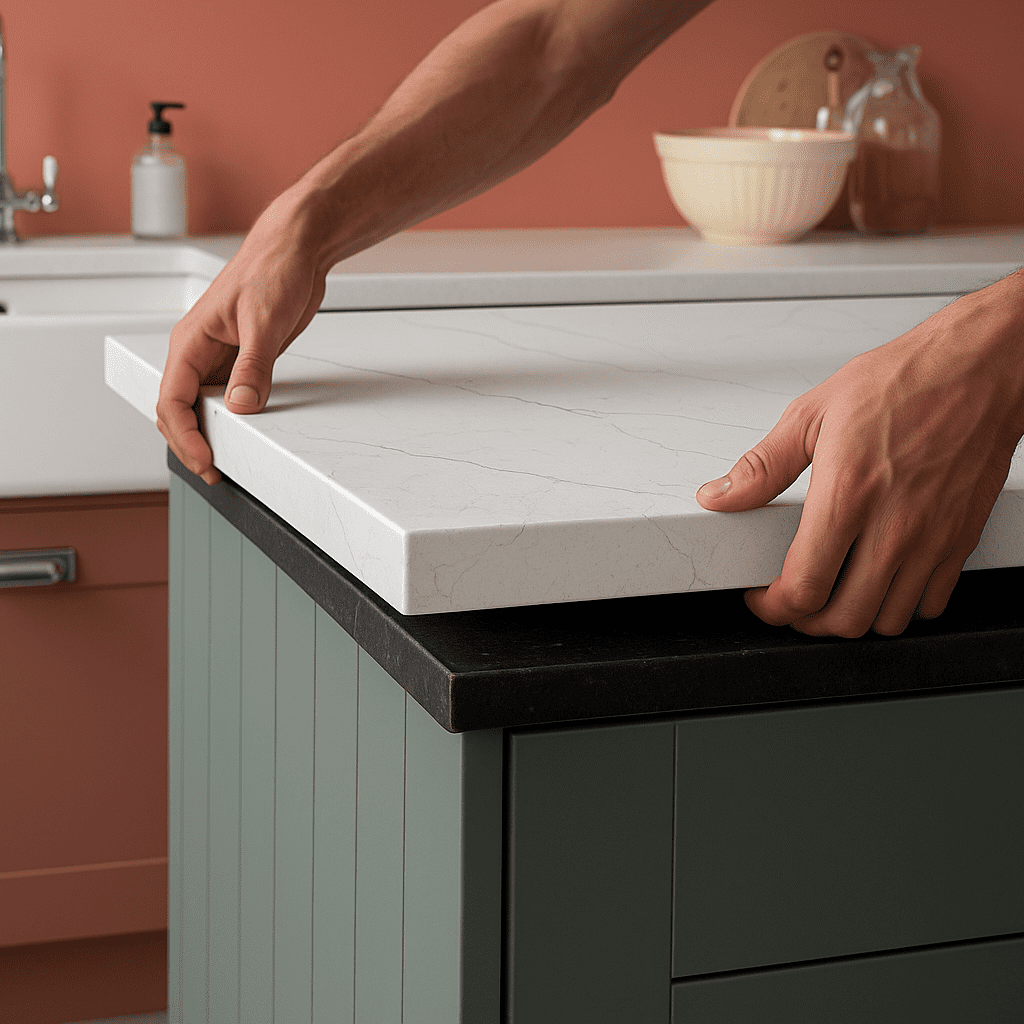
Are your kitchen worktops looking tired or outdated? You might be wondering if there’s an easy way to refresh them without spending a fortune on a full replacement.
The good news is—you can cover kitchen worktops, and it’s simpler than you think. Imagine transforming the heart of your home with just a few smart moves. Curious how to do it right and avoid common mistakes? Keep reading, because by the end of this article, you’ll know exactly how to give your kitchen a fresh new look that fits your style and budget.

Credit: www.amazon.com
Choosing The Right Covering Material
Choosing the right covering material for your kitchen worktops can transform your space without the hassle of a full renovation. It’s about balancing style, durability, and budget to find what fits your needs best. Think about how you use your kitchen daily—does your worktop need to withstand heavy chopping, or is it mostly a surface for serving and light prep?
Reflecting on my own kitchen update, I learned that the choice of material affects not just the look but also maintenance and longevity. Some materials are easy to clean but less heat-resistant, while others can handle hot pans but might require more care. What matters most to you: ease of upkeep, visual appeal, or toughness?
Laminate Options
Laminate worktops are budget-friendly and come in many colors and patterns, mimicking wood, stone, or metal. They resist stains well and clean up easily with just soap and water. However, they can scratch or chip if you’re not careful, so consider if your kitchen activities are rough on surfaces.
Laminate is a great choice if you want a quick update that looks modern without spending a lot. It’s lightweight and DIY-friendly, making it perfect for renters or those who want a temporary fix. Would you prefer a material that you can install yourself?
Tile Choices
Tiled worktops offer a unique, customizable look with endless design possibilities thanks to different tile shapes, colors, and grout patterns. Ceramic and porcelain tiles are durable and heat resistant, perfect for a busy kitchen. But remember, grout lines can stain and need regular cleaning to avoid buildup.
Think about how much maintenance you want to handle. Tiles can crack if heavy objects fall on them, so weigh the pros and cons carefully. Are you ready to commit to occasional grout upkeep for a creative and durable surface?
Vinyl Wraps
Vinyl wraps are a quick and affordable way to refresh your worktops with modern patterns or textures. They are water-resistant and easy to clean but may not stand up well to sharp knives or hot pots. Vinyl is ideal if you want to experiment with bold designs without long-term commitment.
Consider how often you cook and what kind of wear your surfaces get. Vinyl works well in low-traffic kitchens or as a short-term style update. Could vinyl be your go-to if you like changing your kitchen’s look every few years?
Butcher Block Covers
Butcher block covers add warmth and natural beauty to your kitchen with their rich wood tones. They’re great for chopping and food prep but need regular oiling to stay protected from stains and moisture. This material suits those who enjoy the tactile feel of wood and don’t mind a bit of upkeep.
If you love cooking and want a surface that doubles as a cutting board, butcher block might be your perfect match. It ages gracefully, developing character over time. Are you prepared to care for wood to keep it looking and functioning well?
Preparing Your Worktops
Preparing your kitchen worktops is essential before covering them. Proper preparation ensures the new surface sticks well and lasts longer. Neglecting this step may cause peeling or uneven finishes. Start with thorough cleaning, then repair any damage. Sanding the surface creates a good texture for adhesion. Finally, priming prepares the worktop to bond with the new material.
Cleaning And Repairing Surfaces
Remove all dirt, grease, and stains from your worktops. Use a mild detergent and warm water for cleaning. Dry the surface completely before moving on. Check for cracks, chips, or holes. Fill small damages with a suitable filler. Let the filler dry and sand it smooth. A clean, smooth surface helps the new covering stick better.
Sanding Techniques
Sanding roughens the surface slightly to improve adhesion. Use medium-grit sandpaper for most materials. Sand evenly, covering all areas to be covered. Avoid sanding too deep or unevenly. After sanding, wipe away dust with a damp cloth. This step creates a texture for paint or adhesive to grip.
Priming For Adhesion
Apply a primer suitable for your worktop material. Primer helps the covering bond firmly and prevents peeling. Use a brush or roller for even application. Let the primer dry fully before applying the new surface. Skipping primer may cause poor adhesion and shorten the life of your worktop cover.
Step-by-step Covering Process
Covering kitchen worktops can refresh your space without a full replacement. The process requires care and precision to achieve a smooth, lasting finish. Follow these clear steps to cover your worktops effectively.
Measuring And Cutting Materials
Start by measuring the length and width of the worktop accurately. Use a tape measure to get exact dimensions. Mark the material with a pencil or chalk. Cut the covering material using a sharp utility knife or saw. Cut slightly larger pieces to allow for trimming later.
Applying Adhesive Properly
Choose an adhesive suitable for your covering material and worktop type. Spread the adhesive evenly over the surface using a notched trowel. Avoid applying too much glue to prevent lumps. Work in small sections to keep the adhesive fresh. Wait a few minutes for the adhesive to become tacky before placing the cover.
Securing And Finishing Edges
Press the covering material firmly onto the worktop, smoothing out bubbles. Use a roller or flat tool to ensure full contact. Trim excess material along the edges with a sharp knife. Seal edges with silicone or edge trim for a neat look. Let the adhesive cure fully before use to ensure durability.

Credit: granitetransformations.co.uk
Maintaining Covered Worktops
Covering kitchen worktops protects them from scratches and stains. Regular cleaning with mild soap keeps the surface looking fresh. Avoid harsh chemicals to maintain the cover’s durability and appearance.
Maintaining covered kitchen worktops ensures they remain beautiful and functional. Regular care extends their life and keeps them in top condition. Below, explore how to effectively maintain covered worktops.
Cleaning Tips
Clean worktops with a mild detergent and warm water. Use a soft cloth for wiping. Avoid abrasive materials that can scratch the surface. Rinse thoroughly to remove any soap residue. Dry the surface with a clean towel. This prevents water spots and stains.
Preventing Damage
Place hot pots on trivets, not directly on worktops. Use cutting boards for chopping, not the worktop surface. Keep acidic substances away from the covers. They can cause discoloration or damage. Wipe spills immediately to prevent staining.
When To Replace Covers
Inspect covers for wear or damage regularly. Replace them if they show tears or peeling. If the cover loses its adhesive grip, consider a replacement. This ensures your worktop remains protected and visually appealing. Regular checks help maintain a pristine kitchen environment.
Cost And Time Considerations
Covering kitchen worktops involves careful planning of cost and time. These factors impact your overall satisfaction and project success. Knowing what to expect helps avoid surprises and keeps the upgrade smooth.
Budgeting Your Upgrade
Set a clear budget before starting. Consider materials, tools, and any extra supplies. Some coverings cost less but may wear out faster. Others are pricier but last longer and look better.
Include hidden costs like delivery fees or disposal of old surfaces. Think about your long-term savings too. A durable cover might save money on repairs later.
Diy Vs. Professional Help
Decide if you want to do the work yourself or hire a pro. DIY saves money but takes more time and skill. Mistakes can be costly and hard to fix.
Professional help costs more but ensures quality and speed. Experts know how to handle tricky parts and finishes. Check reviews and quotes before choosing.
Project Timeline
Plan the time needed for each step. Covering worktops can take a few hours to several days. It depends on the size, material, and method.
Allow extra time for drying or curing if using adhesives or paints. Prepare your kitchen for limited use during the project. This helps reduce stress and keeps the process smooth.
Design Ideas For A Stunning Look
Covering kitchen worktops offers a fresh way to update your kitchen's style. It transforms old surfaces into stunning focal points. Choosing the right design can change the entire room's mood. Here are creative ideas to make your worktops stand out.
Color Coordination
Choose colors that match your kitchen walls and cabinets. Soft shades create a calm and clean look. Bright colors add energy and personality. Neutral tones like beige, gray, or white blend well with many styles. Use contrasting colors to highlight the worktop.
Texture And Patterns
Texture adds depth and interest to worktops. Smooth surfaces feel modern and sleek. Rough or matte finishes give a rustic or natural vibe. Patterns like marble veins or geometric shapes bring uniqueness. Mix subtle patterns with plain colors for balance.
Combining Materials
Mixing materials can create a rich, layered look. Wood with stone adds warmth and strength. Glass surfaces bring lightness and shine. Metal details introduce an industrial touch. Use each material in small areas to keep harmony.

Credit: www.worktophub.co.uk
Frequently Asked Questions
Can You Cover Kitchen Worktops With Vinyl?
Yes, vinyl is a popular, affordable option to cover kitchen worktops. It’s easy to apply, waterproof, and comes in various designs.
Are There Durable Materials To Cover Old Worktops?
Laminate and quartz overlays are durable choices. They resist scratches and heat, extending your worktops’ life while improving their look.
How Much Does It Cost To Cover Kitchen Worktops?
Costs vary by material and size. Vinyl can be under $50, while quartz overlays or laminates range from $100 to $500+.
Is Covering Kitchen Worktops A Diy Project?
Many coverings, like vinyl or laminate, are DIY-friendly with basic tools. Quartz or stone overlays usually require professional installation.
Conclusion
Covering kitchen worktops can be a smart choice for many homes. It saves money and refreshes the kitchen look quickly. Different materials offer various benefits and styles. Always check the surface condition before covering it. Simple care keeps the new surface lasting longer.
Choose the right cover to match your kitchen’s needs. Small changes can make a big difference in space. Enjoy a fresh, clean workspace without a full renovation.