

Can you imagine working in a kitchen that’s spotless and germ-free? A clean and sanitized kitchen isn’t just about looking good—it’s about keeping you and your loved ones safe from harmful bacteria.
If you’ve ever wondered what it really means to clean and sanitize your kitchen properly, this article is for you. By the time you finish reading, you’ll know exactly how to create a space where every meal feels fresh and every surface shines with cleanliness.
Ready to transform your kitchen into a healthy haven? Let’s dive in.
Credit: www.burgoscleaning.com
Kitchen Cleaning Essentials
A clean and sanitized kitchen keeps your family safe and healthy. It stops germs and bacteria from spreading. To maintain this, you need the right tools and cleaning agents. Having kitchen cleaning essentials ready makes the job easier and faster.
Must-have Cleaning Supplies
Every kitchen needs certain cleaning supplies for thorough cleaning. These include:
- All-purpose cleaner for counters and surfaces
- Dish soap for washing utensils and dishes
- Disinfectant spray or wipes to kill germs
- Scrub brushes and sponges for tough stains
- Microfiber cloths for wiping and drying
- Gloves to protect your hands
- Trash bags for waste removal
- Mop and bucket for cleaning floors
Choosing Safe Cleaning Agents
Pick cleaning agents that are safe for food areas. Avoid harsh chemicals that leave strong odors or residues. Look for products labeled food-safe or non-toxic. Natural cleaners like vinegar and baking soda work well. They clean without harmful effects. Always read instructions before use. Proper choice keeps your kitchen clean and your family safe.
Step-by-step Cleaning Process
Keeping your kitchen clean and sanitized is more than just a chore; it’s a key to maintaining a healthy home. The process might seem overwhelming, but breaking it down into clear steps makes it manageable and even satisfying. Let’s walk through a practical cleaning routine that you can easily fit into your daily or weekly schedule.
Clearing And Decluttering Surfaces
Start by removing everything from your countertops and tables. This gives you a clear space to work with and helps you spot hidden crumbs or spills that often get ignored. Toss expired food and put away utensils, gadgets, or decorative items that crowd your surfaces.
Have you noticed how much easier it is to clean when your counters are free of clutter? It’s not just about looks—clearing surfaces reduces the chances of bacteria hiding in hard-to-reach spots.
Wiping Down Counters And Cabinets
Choose a gentle yet effective cleaner suitable for your counter material. Spray the cleaner liberally, then wipe with a microfiber cloth to lift dirt and grime without scratching surfaces. Don’t forget cabinet doors—grease and fingerprints accumulate there more than you might realize.
Pay extra attention to handles and edges, where germs love to hang out. Regular wiping keeps these areas fresh and reduces sticky buildup. How often do you clean your cabinet handles? This simple habit can make a big difference in kitchen hygiene.
Cleaning Appliances Inside And Out
Appliances often get overlooked, but they need thorough cleaning too. Start with the exterior, wiping down the fridge, microwave, and oven with a damp cloth and mild detergent. For the inside, remove shelves and trays when possible and wash them separately.
Microwaves can be refreshed by heating a bowl of water with lemon slices for a few minutes, then wiping down the interior—this softens stubborn stains and neutralizes odors. Think about the last time you cleaned the inside of your fridge; could it use some attention?
Effective Sanitizing Techniques
Effective sanitizing techniques keep kitchens safe and free from harmful germs. These methods reduce bacteria and viruses that cause illness. Proper sanitizing supports a healthy environment for cooking and eating. Understanding the right steps ensures your kitchen stays clean and safe.
Difference Between Cleaning And Sanitizing
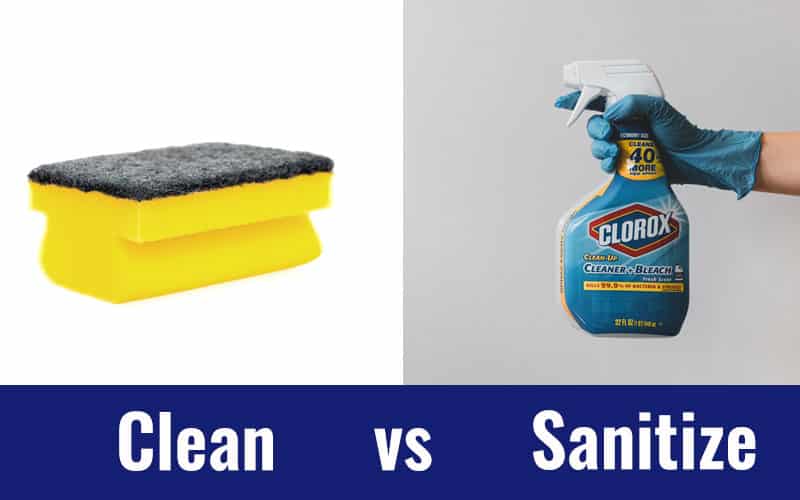
Cleaning removes dirt, food, and grease from surfaces. It makes the kitchen look neat and tidy. Sanitizing lowers the number of germs to a safe level. Cleaning always comes before sanitizing for best results.
Think of cleaning as washing, and sanitizing as killing germs. Both are needed for a truly safe kitchen.
Using Disinfectants Safely
Disinfectants kill harmful germs on kitchen surfaces. Use them according to the label instructions. Keep the area well-ventilated during use. Wear gloves to protect your skin.
Never mix disinfectants with other cleaners. Some combinations create dangerous fumes. Allow disinfectants to stay wet on surfaces for the recommended time. This ensures all germs are killed.
Sanitizing Cutting Boards And Utensils
Cutting boards and utensils can hide germs in small cracks. Sanitize them after each use, especially with raw meat or vegetables. Use a solution of one tablespoon of bleach per gallon of water. Soak items for at least one minute.
Rinse well with clean water and let dry completely. Replace boards with deep cuts or cracks to avoid bacteria buildup.

Credit: www.aol.com
Maintaining A Germ-free Kitchen
A clean and sanitized kitchen removes dirt and kills germs on surfaces. Using soap, water, and disinfectants keeps counters, sinks, and cutting boards safe. Regular cleaning stops bacteria spread and protects your health.
Maintaining a Germ-Free Kitchen A clean kitchen isn't just about appearances; it's about health. Keeping germs at bay ensures that the food you prepare is safe for your family. But how can you maintain this cleanliness consistently? Let's dive into some practical tips.
Proper Handwashing Practices
Handwashing is your first line of defense against germs. Always wash your hands with soap and warm water for at least 20 seconds before handling food. Sing a short song to yourself to ensure you’re washing long enough—it makes the routine more fun and effective.
Regular Trash And Recycling Management
Trash can quickly become a breeding ground for bacteria. Empty your kitchen trash and recycling bins frequently to prevent odors and pests. Consider using a bin with a tight-fitting lid to further minimize risks.
Keeping Dishcloths And Sponges Clean
Dishcloths and sponges are notorious for harboring germs. Replace sponges regularly, and sanitize them by microwaving for one minute. Cloths should be washed in hot water after each use to keep them fresh and bacteria-free. Is your kitchen a safe space for food preparation? Reflecting on these practices might reveal areas for improvement. Implementing these habits can transform your kitchen into a true sanctuary of cleanliness.
Preventing Cross-contamination
Preventing cross-contamination is key to keeping your kitchen safe and hygienic. It stops harmful bacteria from spreading between raw and cooked foods, cutting the risk of foodborne illnesses. Small habits can make a big difference in protecting your family and guests.
Separating Raw And Cooked Foods
Always keep raw meats, poultry, and seafood away from cooked foods. Use separate cutting boards and plates for raw and cooked items to avoid accidental contact. Think about your last meal prep—did you use the same knife for raw chicken and salad? Avoid this to keep germs out of your dishes.
Using Color-coded Tools
Color-coded tools help you instantly recognize which equipment is for raw or cooked foods. For example, red cutting boards for raw meat and green for vegetables. This simple system reduces mistakes, especially when you're busy or distracted in the kitchen.
Safe Food Storage Tips
- Store raw meat on the bottom shelf of the fridge to prevent juices from dripping onto other foods.
- Use airtight containers to keep cooked foods separate and fresh.
- Label leftovers with dates so you know when to use them.
Have you checked your fridge layout recently? Organizing your storage can prevent contamination and save you time during meal prep.
Dealing With Tough Stains And Odors
Tough stains and stubborn odors can make your kitchen feel less inviting, no matter how often you clean. These challenges require more than just a quick wipe-down—they call for targeted solutions that actually work. How do you tackle grime and smells that won’t budge, while keeping your kitchen safe and fresh?
Natural Solutions For Stain Removal
Natural ingredients often work wonders on stubborn kitchen stains without harsh chemicals. Baking soda, for instance, acts like a gentle abrasive that scrubs away grease and grime without scratching surfaces.
Mix baking soda with a little water to create a paste, then apply it to the stain and let it sit for 10 to 15 minutes. Afterward, scrub gently with a sponge or brush and rinse clean.
Vinegar is another powerful natural cleaner. It breaks down mineral deposits and cuts through oily stains. Spray undiluted white vinegar on the stain, let it sit briefly, then wipe away with a damp cloth. You’ll often see the difference immediately.
Eliminating Lingering Smells
Lingering odors can make your kitchen unpleasant, even if it looks spotless. To neutralize these smells, try placing an open bowl of baking soda or activated charcoal on your countertop. Both absorb odors naturally over time.
Another trick is boiling a pot of water with lemon slices and herbs like rosemary or mint. The steam refreshes your kitchen air and leaves a clean scent behind.
Have you noticed how some smells stick to your cutting boards or sponges? Rinsing them with lemon juice or soaking in vinegar for a few minutes can eliminate those hidden odors effectively.
Credit: advantagecleaningllc.net
Frequently Asked Questions
What Does It Mean To Clean And Sanitize A Kitchen?
Cleaning removes dirt and food residue from surfaces. Sanitizing kills bacteria and germs to ensure safety. Both steps are essential for a hygienic kitchen environment.
How Often Should You Clean And Sanitize Kitchen Surfaces?
Kitchen surfaces should be cleaned daily and sanitized after food preparation. High-touch areas need frequent sanitizing to prevent contamination and maintain hygiene.
What Are The Best Products For Kitchen Sanitizing?
Use EPA-approved sanitizers or diluted bleach solutions for effective sanitizing. Avoid harsh chemicals that can damage surfaces or leave harmful residues.
Why Is Sanitizing Important After Cleaning A Kitchen?
Sanitizing kills pathogens that cleaning alone cannot remove. It helps reduce foodborne illnesses and ensures a safe cooking environment for your family.
Conclusion
A clean and sanitized kitchen keeps you and your family safe. It stops germs and bacteria from spreading. Regular cleaning and sanitizing help food taste better and last longer. Simple habits, like wiping surfaces and washing hands, make a big difference.
A tidy kitchen also feels nice and inviting. Keep tools and counters clean every day. Small efforts lead to a healthier home. Clean kitchen, happy home.