
Imagine stepping into your kitchen and feeling instantly at ease because everything sparkles and smells fresh. A clean and sanitized kitchen isn’t just about looking good—it’s about protecting your health and making cooking a joy.
But what exactly makes a kitchen truly clean and sanitized? You might think wiping down surfaces is enough, but there’s more to it than meets the eye. Keep reading to discover how you can transform your kitchen into a safe, spotless haven where every meal starts with confidence.

Credit: www.yahoo.com
Essentials Of A Clean Kitchen
A clean kitchen is the heart of a healthy home. It helps prevent germs and keeps food safe. Maintaining cleanliness takes regular effort and good habits. Understanding the essentials of a clean kitchen makes the task simple. Focus on key areas to keep your kitchen spotless and hygienic every day.
Daily Cleaning Tasks
Daily cleaning keeps your kitchen fresh and safe. Wipe down countertops after cooking. Wash dishes or load the dishwasher immediately. Sweep the floor to remove crumbs and dirt. Clean sinks and faucets to avoid buildup. Empty trash regularly to prevent odors and pests.
Organizing Kitchen Tools
Keep kitchen tools neat and easy to find. Store knives, spoons, and forks in separate holders. Use drawer dividers for small items. Hang pots and pans to save space. Label containers to spot ingredients quickly. Proper organization reduces clutter and speeds up cooking.
Maintaining Countertops And Surfaces
Countertops need special care to stay clean and safe. Use gentle cleaners suitable for your countertop material. Avoid harsh chemicals that cause damage. Disinfect surfaces to kill bacteria after preparing raw food. Dry surfaces well to prevent mold and stains. Regular maintenance keeps surfaces looking new and hygienic.

Credit: www.youtube.com
Sanitizing For Safety
Sanitizing for safety is a key part of keeping a kitchen healthy. It means killing germs that cause illness. Cleaning removes dirt and food, but sanitizing goes further. This process protects everyone who uses the kitchen.
Difference Between Cleaning And Sanitizing
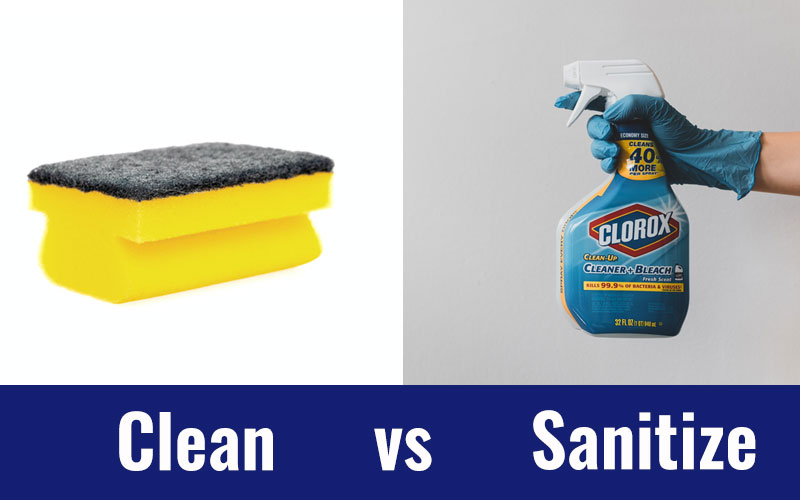
Cleaning removes visible dirt and grease from surfaces. It uses soap and water to clear away debris. Sanitizing kills bacteria and viruses that remain after cleaning. It lowers the number of germs to a safe level. Both steps are needed for a safe kitchen.
Effective Sanitizing Agents
Common sanitizers include:
- Bleach solutions - cheap and strong against many germs.
- Alcohol-based sprays - fast drying and effective.
- Quaternary ammonium compounds - used in many kitchens.
- Hydrogen peroxide - gentle and eco-friendly.
Choose agents approved for food contact surfaces. Follow instructions for mixing and contact time.
Sanitizing High-touch Areas
High-touch areas spread germs quickly. These include:
- Countertops and cutting boards
- Sink handles and faucets
- Refrigerator and cabinet handles
- Light switches and appliance buttons
Sanitize these spots often. Use a clean cloth or disposable wipe. Allow surfaces to air dry for best results.
Appliance Care And Hygiene
Appliance care and hygiene play a crucial role in keeping your kitchen safe and spotless. Your kitchen appliances are used daily and can easily harbor bacteria if not cleaned properly. Regular maintenance not only extends the life of your appliances but also ensures your food stays fresh and uncontaminated.
Cleaning Refrigerators And Freezers
Start by removing all items and checking for expired food. Use a mixture of warm water and mild soap to wipe down shelves, drawers, and walls. Pay close attention to door seals where dirt and mold can build up unnoticed.
Don’t forget to clean the drip pan and vents to prevent odors and maintain efficient cooling. How often do you check the temperature inside your fridge? Keeping it between 37°F and 40°F helps slow bacterial growth.
Maintaining Ovens And Microwaves
Ovens and microwaves need frequent cleaning to avoid buildup of grease and food particles. For your oven, use a non-toxic oven cleaner or a paste of baking soda and water to tackle stubborn stains. Remember to remove racks and clean them separately to reach every corner.
Microwaves require a quick steam clean—heat a bowl of water with lemon juice for a few minutes, then wipe down the interior. This not only sanitizes but also removes odors. Do you inspect your microwave’s turntable regularly? Keeping it clean prevents uneven cooking and potential bacteria growth.
Sanitizing Dishwashers And Sinks
Dishwashers can get smelly if left unattended. Run a cycle with a cup of white vinegar placed on the top rack to break down grease and sanitize the interior. You can also clean the filter regularly to avoid clogs and bad smells.
Your sink is often the dirtiest spot in the kitchen. Clean it daily with hot soapy water and disinfect with a bleach solution or a natural sanitizer. Don’t ignore the faucet handles—wipe them down to remove germs you might not see. Are you giving your sink the attention it deserves?
Preventing Cross-contamination
Maintaining a clean and sanitized kitchen is vital. It ensures food safety and prevents health issues. Cross-contamination poses a significant risk in kitchens. Bacteria from raw foods can transfer to other foods. This can cause foodborne illnesses. To avoid this, follow simple practices.
Proper Food Storage
Store foods properly to prevent cross-contamination. Raw meats should go on the bottom shelf. This prevents juices from dripping onto other foods. Use sealed containers for leftovers. Keep similar items together. This makes it easier to locate them and reduces mishaps. Label containers with dates. This helps in using older items first.
Using Separate Cutting Boards
Use separate cutting boards for different foods. Have one for raw meat and another for vegetables. This avoids mixing bacteria from raw meats with fresh produce. Clean cutting boards with hot, soapy water after each use. Replace worn-out boards to maintain hygiene. Consider color-coded boards for easy identification.
Handling Raw And Cooked Foods Safely
Wash hands thoroughly before and after handling food. Use different utensils for raw and cooked foods. This prevents bacteria transfer. Never place cooked food on a plate that held raw meat. Cook foods to the right temperature to kill bacteria. Use a food thermometer to check this. Keep cooked foods warm until served.
Deep Cleaning Strategies
Deep cleaning your kitchen goes beyond the usual wipe-downs. It means tackling the hidden dirt, grease, and bacteria that often hide in places you rarely check. These deep cleaning strategies will help you keep your kitchen truly clean and sanitized, making it safer and more pleasant to work in.
Cleaning Behind Appliances
Have you ever moved your fridge or stove and seen the dust and crumbs piled up behind them? This neglected area can harbor mold, pests, and unpleasant odors. Pull out your appliances carefully and use a vacuum or a damp cloth to remove all debris.
Don’t forget to clean the floor and wall behind the appliances, as grime often builds up there. Wiping these spots regularly prevents buildup and keeps your kitchen fresher.
Removing Grease And Grime
Grease can stick stubbornly to surfaces like stovetops, range hoods, and cabinet doors. Use a mixture of warm water, dish soap, and a little vinegar to cut through the grease effectively. Let the solution sit for a few minutes before scrubbing to loosen grime faster.
For tough spots, a paste made of baking soda and water works well as a gentle abrasive. Are you paying enough attention to your kitchen vents? Cleaning these regularly prevents grease from spreading and keeps your air fresh.
Scheduling Regular Deep Cleans
Cleaning your kitchen deeply once in a while isn’t enough. Set a schedule that fits your lifestyle—whether monthly or quarterly—to maintain high hygiene standards. Mark it on your calendar and stick to it so deep cleaning becomes a habit.
Think about the impact on your health and cooking experience when your kitchen is spotless. What if your regular cleaning missed spots that only a deep clean can fix? Creating a checklist can help you cover every corner and avoid missing important tasks.
Tools And Supplies For A Sanitized Kitchen
Keeping your kitchen clean and sanitized goes beyond just wiping down surfaces. The right tools and supplies make all the difference in maintaining a safe and healthy cooking environment. Choosing effective products and tools tailored to your kitchen's needs can save you time and protect your family from harmful germs.
Essential Cleaning Products
Some cleaning products are must-haves for sanitizing your kitchen effectively. A good multi-surface disinfectant kills bacteria and viruses on countertops, cutting boards, and appliances.
- Dish soap:Removes grease and food residue.
- Bleach or sanitizer sprays:Disinfects surfaces to prevent cross-contamination.
- Glass cleaner:Keeps windows and stainless steel appliances spotless.
- Baking soda and vinegar:Natural options for tackling stains and odors.
Do you check the label to ensure your cleaning product is safe for food preparation areas?
Recommended Cleaning Tools
Using the right tools helps you clean more thoroughly and reach tricky spots. Microfiber cloths trap dirt and germs better than regular rags, making them a smart choice.
- Scrub brushes:Ideal for scrubbing sinks and grout lines.
- Sponges:Use different colors to avoid cross-contamination between surfaces.
- Spray bottles:Handy for mixing and applying homemade cleaners.
- Disposable gloves:Protect your hands and keep bacteria from spreading.
How often do you replace your sponges or cloths to avoid bacteria buildup?
Eco-friendly Options
Choosing eco-friendly cleaning supplies benefits your health and the environment. Plant-based cleaners reduce chemical exposure without sacrificing effectiveness.
- Reusable cloths:Cut down on waste compared to paper towels.
- Natural scrubbing pads:Made from coconut fibers or other renewable materials.
- Refillable spray bottles:Help reduce plastic waste.
Have you tried swapping one chemical cleaner for a natural alternative and noticed a difference in your kitchen’s air quality?

Credit: clean2shine.in
Frequently Asked Questions
What Defines A Clean And Sanitized Kitchen?
A clean and sanitized kitchen is free from visible dirt and harmful germs. It involves thorough cleaning and disinfecting surfaces, utensils, and appliances. This practice prevents foodborne illnesses and ensures a safe cooking environment.
How Often Should Kitchen Surfaces Be Sanitized?
Kitchen surfaces should be sanitized daily, especially after food preparation. High-touch areas like countertops, sinks, and handles require regular disinfecting to minimize bacteria growth. Consistent sanitization maintains kitchen hygiene and food safety.
What Are The Best Cleaning Agents For Kitchen Sanitization?
Effective cleaning agents include bleach solutions, commercial kitchen sanitizers, and alcohol-based sprays. These kill bacteria and viruses efficiently. Always follow product instructions for safe and proper use in kitchen areas.
Why Is Sanitizing More Important Than Just Cleaning?
Cleaning removes dirt and debris, while sanitizing kills harmful microbes. Sanitizing reduces the risk of contamination and food poisoning. Both steps are essential for maintaining a healthy kitchen environment.
Conclusion
A clean and sanitized kitchen keeps your food safe and healthy. It stops germs and dirt from spreading. Regular cleaning makes cooking easier and more pleasant. Use soap, hot water, and disinfectants to kill bacteria. Wipe surfaces, clean utensils, and store food properly.
A tidy kitchen helps prevent illness and saves time. Everyone feels better in a fresh, neat space. Keep these habits daily for a safe kitchen environment. Simple steps make a big difference in your home.