
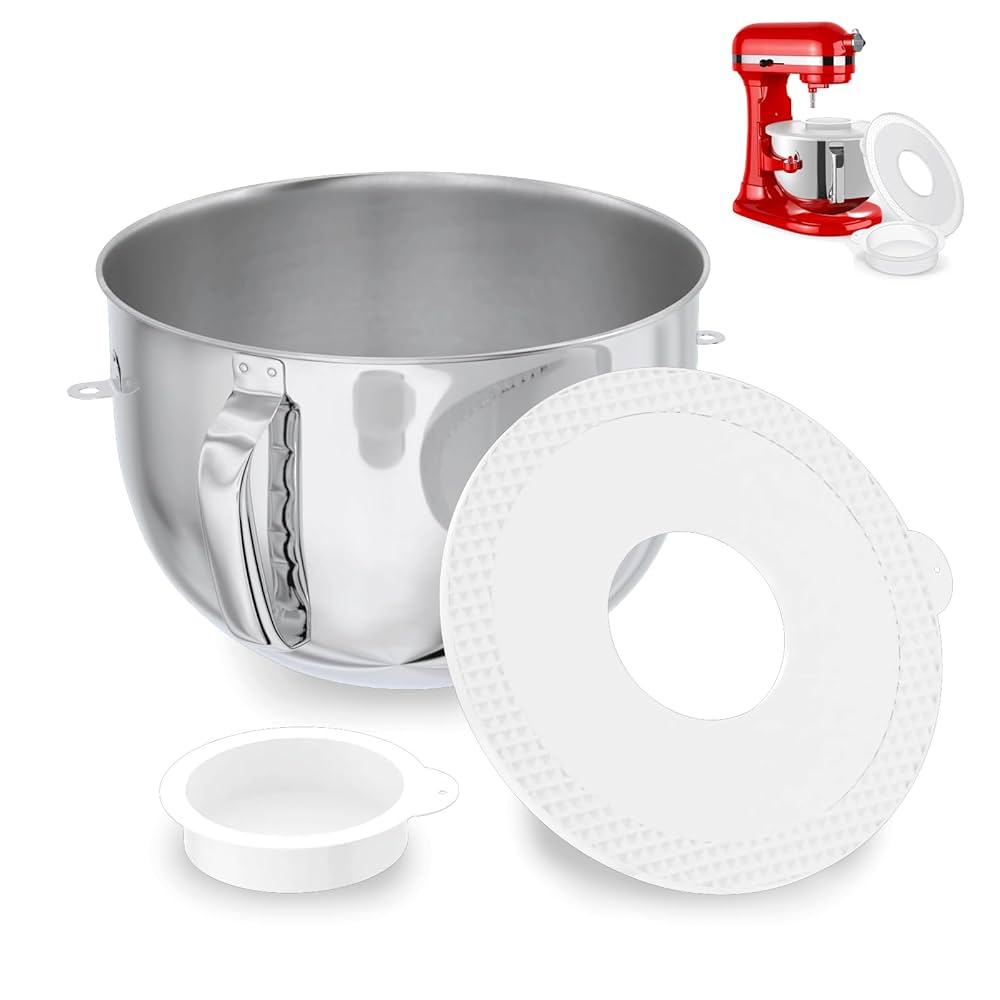
Are you wondering if you can safely put your KitchenAid bowl in the dishwasher? If you’ve ever faced the hassle of cleaning your mixer’s bowl, you know how tempting it is to just toss it in the dishwasher and call it a day.
But is that the right move? You’ll discover the best way to keep your KitchenAid bowl sparkling clean without risking damage. Keep reading to find out how to protect your investment and make your kitchen routine easier.
Kitchenaid Bowl Materials
KitchenAid bowls come in different materials. Each type has unique features that affect cleaning and durability. Knowing the material helps you care for the bowl properly. It also affects if the bowl is safe for dishwasher use.
Types Of Kitchenaid Bowls
- Stainless Steel: The most common and durable option.
- Glass: Offers a clear view of ingredients but can be fragile.
- Plastic: Lightweight and usually less expensive, but may stain or retain odors.
- Ceramic: Stylish and heavy, often used for special editions.
Material Durability
Stainless steel bowls resist dents and scratches. They handle heavy mixing well. Glass bowls can crack or chip if dropped. Plastic bowls may wear over time and absorb smells. Ceramic bowls need gentle handling to avoid cracks. Understanding durability helps choose the right bowl for your kitchen.

Credit: www.amazon.ca
Dishwasher Safety
Cleaning your KitchenAid bowl safely is important to keep it in good shape. Using a dishwasher can save time, but not all parts handle the heat and water pressure well. Knowing the right way to wash your bowl avoids damage and keeps it looking new.
Manufacturer Recommendations
KitchenAid suggests checking the product manual for care tips. Most bowls are dishwasher safe, but only on the top rack. Avoid using harsh detergents or high-heat drying settings. Following these rules helps protect the finish and the bowl’s integrity.
Potential Risks In Dishwashing
Dishwashers use strong water jets and hot water. This can cause scratches or dull the bowl’s surface. Seals and attachments may loosen or wear out faster from dishwasher exposure. Some plastic parts can warp or melt if placed too close to heating elements.
Cleaning Methods
Kitchen Aid bowls are usually dishwasher safe, but check your model’s instructions first. Hand washing with warm, soapy water keeps the bowl in good shape longer. Avoid harsh scrubbing to prevent scratches and maintain its finish.
Cleaning your KitchenAid bowl can be a breeze if you know the right methods. Whether you prefer the simplicity of a dishwasher or the precision of hand washing, each method has its own benefits. Let's dive into the best practices for keeping your KitchenAid bowl sparkling clean and ready for your next culinary creation.
Hand Washing Tips
Hand washing your KitchenAid bowl ensures a gentle touch that can prolong its life. Start by filling your sink with warm water and a splash of mild dish soap. Use a soft sponge or cloth to scrub the bowl gently, focusing on any sticky spots. Rinse thoroughly with warm water to remove all soap residue. Avoid using abrasive pads or harsh chemicals as they can scratch or damage the surface. Pat dry with a clean towel to prevent water spots.
Dishwasher Settings To Use
If you opt for the convenience of a dishwasher, it's crucial to select the right settings. Place the KitchenAid bowl on the top rack to avoid intense heat from the bottom of the dishwasher. Choose a gentle cycle to minimize wear and tear. Use a mild detergent to prevent any chemical reactions that might tarnish the bowl's finish. Ensure your dishwasher's water temperature isn’t too high, as excessive heat can warp or damage the bowl. Check your dishwasher's manual for any specific instructions related to KitchenAid accessories. Have you tried both methods? What do you find works best for maintaining your KitchenAid bowl in pristine condition?
Removing Stains And Odors
Removing stains and odors from your Kitchen Aid bowl keeps it fresh and ready for use. Stains from sauces or ingredients can build up over time. Odors may linger after mixing strong-smelling foods. Cleaning these effectively restores your bowl’s look and smell without damage.
Natural Cleaning Solutions
Natural cleaners are gentle and safe for your Kitchen Aid bowl. Baking soda works well to lift stains. Make a paste with water, apply it, then scrub gently. White vinegar helps remove odors. Soak the bowl in a mixture of vinegar and water for 15 minutes.
Lemon juice also brightens stains and leaves a fresh scent. Rub lemon juice on the stained areas and rinse well. These natural options avoid harsh chemicals and protect your bowl's finish.
Commercial Cleaners
Some commercial cleaners target tough stains and odors quickly. Choose a cleaner labeled safe for kitchen utensils. Follow the instructions carefully to avoid damage. Usually, apply the cleaner, let it sit briefly, then rinse thoroughly.
Look for non-abrasive cleaners to keep the surface smooth. These products can remove stubborn residue that natural solutions might miss. Use sparingly and always rinse well to keep your Kitchen Aid bowl in top shape.
Maintenance Tips
Keeping your KitchenAid bowl in top shape means more than just cleaning it after use. Proper maintenance ensures it lasts longer and performs better every time you bake or mix. Let’s look at some practical tips to help you care for your bowl and keep it looking new.
Preventing Damage
Always avoid using harsh scrubbers or abrasive cleaners on your KitchenAid bowl. These can scratch the surface and dull its finish.
Check if your bowl has any special coatings or materials that require gentle handling. For example, stainless steel bowls are sturdy, but ceramic or glass ones need more care.
Have you ever noticed tiny dents or scratches after a wash? That might be from stacking heavy items on top or bumping it against hard surfaces. Try to handle your bowl gently to prevent this.
Storage Advice
Store your KitchenAid bowl in a dry, cool place to avoid moisture buildup, which can lead to rust or stains over time.
Consider using a soft cloth or a bowl cover to protect it from dust and scratches when not in use. This simple step can save you from unwanted cleaning sessions later.
Think about where you keep your bowl in relation to other kitchen items. Crowded shelves might cause accidental knocks. A dedicated spot can help keep your bowl safe and easy to find.
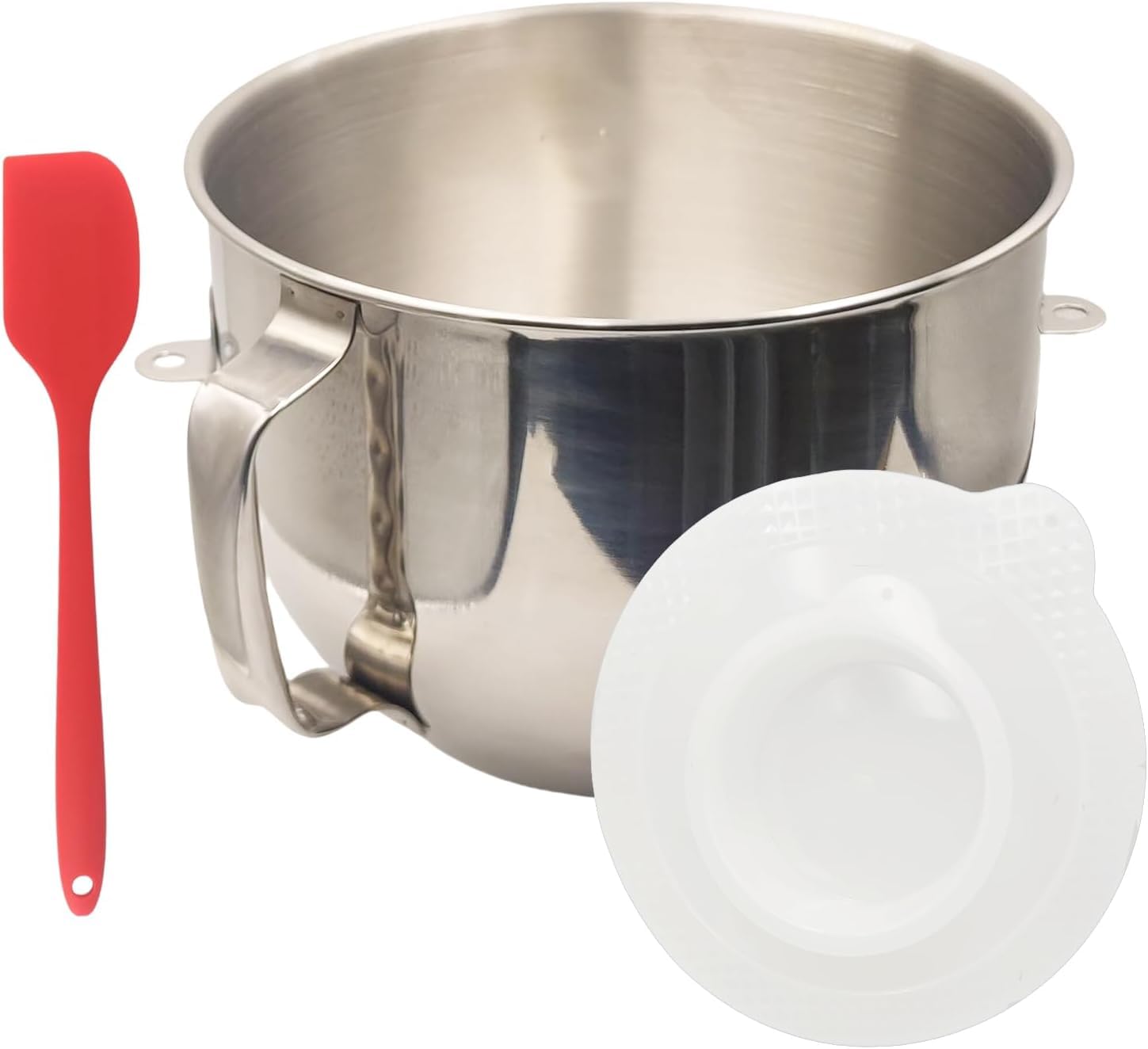
Credit: www.amazon.ca
Credit: www.kitchenaid.com
Frequently Asked Questions
Can You Put A Kitchenaid Bowl In The Dishwasher?
Yes, most KitchenAid bowls are dishwasher safe. Always place the bowl on the top rack to avoid damage. Hand washing is recommended to maintain the finish longer.
How To Clean A Kitchenaid Bowl Properly?
Use warm, soapy water and a soft sponge to clean your KitchenAid bowl. Avoid abrasive cleaners or steel wool to prevent scratches.
Will Dishwasher Damage The Kitchenaid Bowl’s Finish?
Dishwashing occasionally won’t damage the bowl, but frequent exposure can dull the finish. Hand washing preserves its shine and durability better.
Are All Kitchenaid Bowls Dishwasher Safe?
Most stainless steel KitchenAid bowls are dishwasher safe. However, check your specific model’s manual to confirm before placing it in the dishwasher.
Conclusion
You can safely wash your Kitchen Aid bowl in the dishwasher. Make sure to place it on the top rack to avoid damage. Avoid harsh detergents or high heat settings. Regular cleaning keeps your bowl looking new and working well.
Hand washing works fine too, especially for tough stains. Follow these tips to keep your Kitchen Aid bowl clean and durable. Simple care extends its life and performance. Enjoy hassle-free cleaning every time you use it.