
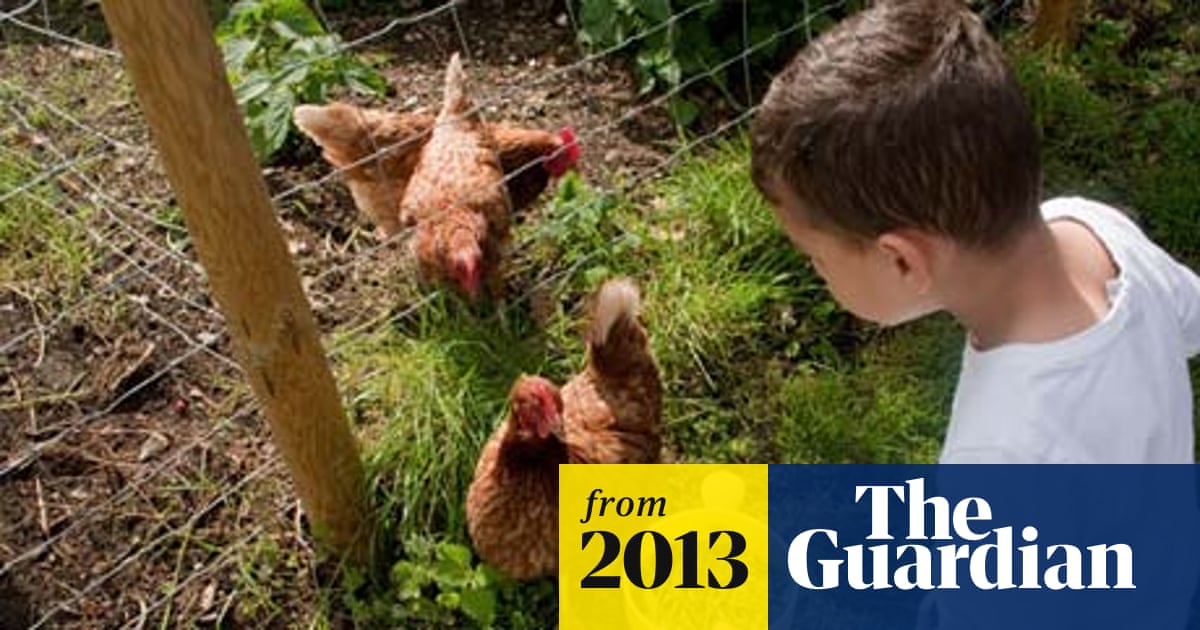
Are you wondering if you can feed your chickens kitchen scraps? It’s a question many backyard chicken keepers ask.
After all, using leftovers sounds like a smart way to reduce waste and save money. But is it safe for your feathered friends? What types of scraps are okay, and which ones should you avoid? Keep reading to discover the surprising truth about feeding chickens kitchen scraps—and learn how to keep your flock happy and healthy while making the most of your everyday food waste.

Credit: grubblyfarms.com
Benefits Of Feeding Scraps
Feeding kitchen scraps to chickens offers several valuable benefits. It supports their health, helps the environment, and saves money. Understanding these benefits encourages responsible feeding practices.
Nutritional Boost For Chickens
Kitchen scraps provide extra nutrients that chickens may not get from regular feed. Scraps like vegetable peels, fruit pieces, and grains add variety to their diet. This variety can improve their overall health and egg quality. Chickens enjoy different tastes and textures, which keeps them interested in eating.
Reducing Food Waste
Giving leftovers to chickens cuts down on food waste. Instead of throwing scraps away, you recycle them as chicken feed. This helps reduce the amount of garbage sent to landfills. It also lowers the environmental impact of wasted food. Feeding scraps supports a more sustainable lifestyle.
Cost Savings
Kitchen scraps reduce the need to buy extra feed. This lowers the overall cost of raising chickens. Using leftovers is a smart way to make your food budget stretch further. It also helps avoid wasting food that is still good to eat. Saving money while feeding chickens is a win-win.
Safe Kitchen Scraps For Chickens
Feeding your chickens kitchen scraps can be a great way to reduce waste and provide them with extra nutrients. However, not all scraps are safe or healthy for your flock. Knowing which foods to offer helps keep your chickens happy and healthy.
Vegetables And Fruits
Chickens love a variety of vegetables and fruits, which add essential vitamins and minerals to their diet. Safe options include leafy greens like spinach and kale, as well as carrots, cucumbers, and peas.
Fruits such as apples (without seeds), berries, and melons are also favorites. Avoid giving chickens anything moldy or spoiled, and steer clear of onions and citrus, which can upset their digestion.
Grains And Bread
Grains are a natural part of a chicken’s diet, so leftover cooked rice, oats, and corn are usually safe. Bread can be given occasionally, but it should be plain and free from mold or excessive salt.
Too much bread can fill them up without providing enough nutrients, so use it as a treat rather than a staple. Have you noticed how your chickens perk up when you toss them a handful of grains?
Cooked Vs. Raw Foods
Cooking some kitchen scraps can make them easier to digest and safer for your chickens. For example, cooked potatoes are fine, but raw potatoes and their skins contain toxins and should be avoided.
Raw vegetables like carrots and leafy greens are great, but always wash them thoroughly to remove pesticides. Offering a mix of cooked and raw foods keeps your chickens interested and ensures they get a range of nutrients.
Scraps To Avoid
Feeding your chickens kitchen scraps can be a great way to reduce waste and provide them with tasty treats. However, not all scraps are safe for your flock. Some foods can harm their health or even be fatal. Knowing which scraps to avoid is essential to keep your chickens happy and healthy.
Toxic Foods
Some common kitchen scraps contain substances toxic to chickens. Avoid feeding them raw beans, especially kidney beans, as they contain harmful lectins. Also, stay away from avocado skins and pits—these have a toxin called persin that can be deadly.
Chocolate and caffeine are often overlooked but can cause severe health issues in chickens. Garlic and onions, while safe in small amounts for humans, can lead to anemia in birds if given in large quantities. Are you certain all the foods you throw in the coop are safe?
Spoiled Or Moldy Items
Feeding spoiled or moldy scraps to your chickens is a big no. Mold can produce mycotoxins that damage the liver and immune system of your birds. Even if only a small part of the food looks bad, it’s safer to toss the whole portion.
Leftovers left out too long attract bacteria and pests. Your chickens might be curious, but their health isn’t worth risking just to save a few scraps. How often do you check your scraps before feeding them?
High-salt Or Sugary Foods
Kitchen scraps high in salt or sugar are harmful to chickens. Processed foods like chips, pretzels, or candy can upset their digestive system and cause dehydration. Even small amounts can lead to long-term health problems.
Fresh fruits and vegetables are great, but avoid giving your flock sugary desserts or salty snacks. Instead, stick to natural, wholesome scraps that support their well-being. Could cutting out these unhealthy treats improve your chickens' overall health?
Credit: bloominghealthfarms.com
Feeding Tips And Practices
Chickens enjoy many kitchen scraps like vegetable peels and fruit bits. Avoid feeding them onions, garlic, or anything moldy to keep them healthy. Small amounts of leftovers can add variety to their diet.
Feeding chickens kitchen scraps can be both economical and beneficial. It reduces waste and provides chickens with varied nutrients. Understanding feeding tips and practices ensures your flock remains healthy and happy. Here are some essential guidelines to follow when feeding chickens kitchen scraps.
Portion Control
Ensure chickens receive balanced portions of scraps. Too much can lead to obesity or nutrient imbalance. Offer scraps as a supplement, not the main diet. Use scraps to add variety without replacing their regular feed.
Timing And Frequency
Feed scraps at a consistent time daily. This routine helps chickens feel secure and reduces food waste. Morning or afternoon works best when they need energy. Adjust frequency based on the number of chickens and available scraps.
Introducing New Foods
Introduce new foods gradually. Sudden changes can upset their digestive systems. Start with small amounts and observe reactions. Avoid known harmful foods like avocado, chocolate, and raw potatoes. Keep the diet diverse but safe.
Health Risks And Precautions
Feeding your chickens kitchen scraps can seem like a great way to reduce waste and provide variety in their diet. However, it’s important to be aware of the health risks that come with this practice. Taking the right precautions can keep your flock safe and thriving.
Digestive Issues
Not all kitchen scraps are safe for chickens. Some foods, like onions, garlic, or raw beans, can upset their digestive system or even be toxic.
Introducing new scraps slowly helps you observe how your chickens react. If you notice diarrhea, lethargy, or a decrease in egg production, stop feeding that particular scrap.
Have you ever considered how certain leftovers might do more harm than good? Always research or ask an expert before adding unusual scraps to their diet.
Attracting Pests
Kitchen scraps can attract unwanted visitors like rats, raccoons, or flies. These pests not only spread disease but also stress your chickens.
To avoid this, feed scraps in small amounts and remove any leftovers promptly. Using designated feeding areas and secure containers can help keep pests away.
Think about how your feeding routine might impact your entire backyard ecosystem. Is it inviting pests or maintaining a clean, safe environment?
Monitoring Chicken Behavior
Watching your chickens closely after introducing kitchen scraps is crucial. Changes in behavior or health often signal a problem with what they’re eating.
Look for signs like reduced activity, changes in feather condition, or unusual droppings. These clues can help you adjust their diet quickly.
Have you noticed your chickens acting differently after certain meals? Keeping a feeding journal can help track which scraps work well and which don’t.
Alternatives To Kitchen Scraps
If you’re wondering about alternatives to feeding your chickens kitchen scraps, there are plenty of options that can keep your flock healthy and happy. Kitchen scraps can be inconsistent in nutrition and sometimes unsafe, so knowing other reliable food sources is important. Let’s look at some practical alternatives that you can easily provide.
Commercial Feeds
Commercial feeds are specially formulated to meet the nutritional needs of chickens. They provide a balanced diet with essential vitamins, minerals, and proteins. Using commercial feed ensures your chickens get consistent nutrition without the guesswork.
These feeds come in different types for chicks, layers, and broilers, so you can choose the right one based on your flock’s age and purpose. You might find that supplementing kitchen scraps with commercial feed improves egg quality and overall health.
Garden Waste
Garden waste can be a great supplement to your chickens’ diet if you have a vegetable garden or compost. Leaves, vegetable peels, and plant trimmings add fiber and variety to their meals.
However, be cautious about what you feed them. Avoid plants that are toxic to chickens, like tomato leaves or potato greens. Have you checked your garden for safe scraps that can reduce waste and feed your birds?
Supplemental Treats
Chickens love treats, and you can use them to keep your birds entertained and healthy. Good choices include mealworms, cracked corn, sunflower seeds, and fresh fruits like berries or melons.
Use treats sparingly to avoid upsetting their balanced diet. Treats are not only tasty but also great for training or encouraging natural foraging behavior. What treats have your chickens enjoyed the most?
Credit: bitchinchickens.com
Frequently Asked Questions
Can Chickens Eat All Types Of Kitchen Scraps?
No, chickens should avoid spoiled, salty, or sugary scraps. Safe options include vegetable peels, fruits, and grains. Always remove moldy or rotten food to prevent illness. Moderation is key to avoid digestive issues and maintain balanced nutrition.
What Kitchen Scraps Are Harmful To Chickens?
Avoid feeding chickens onions, garlic, raw potato peels, and chocolate. These can cause toxicity or digestive problems. Also, stay away from processed foods with high salt or sugar content. Always research before introducing new scraps to their diet.
How Often Can Chickens Eat Kitchen Scraps?
Feed kitchen scraps as a supplement, not the main diet. Offer small amounts daily or a few times a week. Ensure their primary diet is balanced poultry feed for proper nutrition. Monitor their health to adjust feeding frequency accordingly.
Can Kitchen Scraps Replace Commercial Chicken Feed?
Kitchen scraps cannot replace commercial feed entirely. They lack essential nutrients needed for growth and egg production. Use scraps to reduce waste and add variety, but maintain a balanced poultry feed as the main diet for healthy chickens.
Conclusion
Feeding chickens kitchen scraps can save money and reduce waste. Always avoid harmful foods like onions, garlic, or raw beans. Offer scraps in small amounts and balance with regular feed. Chickens enjoy many fruits, vegetables, and grains from your kitchen.
Watch their health and behavior for any signs of trouble. Safe feeding keeps chickens happy and productive. Try it carefully and see the benefits for yourself. Simple steps make feeding kitchen scraps easy and safe.