
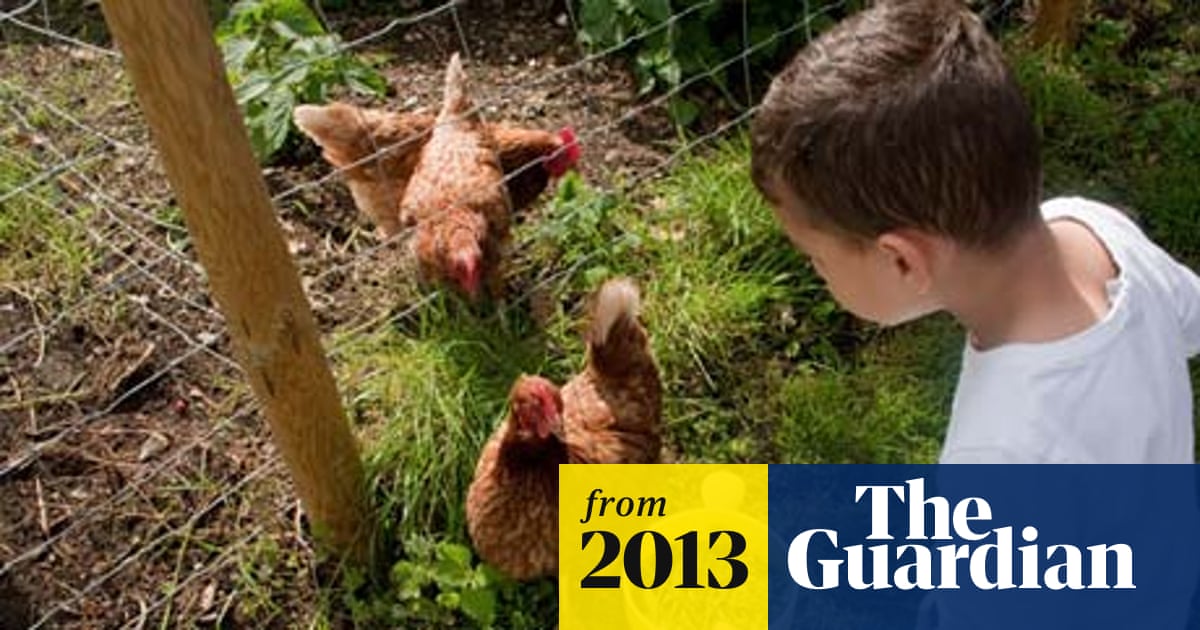
Have you ever wondered if those leftover kitchen scraps could be a tasty treat for your chickens? Feeding your chickens kitchen scraps might seem like a simple way to reduce waste and keep them happy, but there’s more to it than just tossing them your food leftovers.
What you feed your chickens can affect their health, egg quality, and overall well-being. If you want to make sure you’re giving your feathered friends the best, keep reading. You’ll discover what scraps are safe, which ones to avoid, and how to feed them properly to keep your chickens thriving.
Credit: bloominghealthfarms.com
Benefits Of Feeding Scraps
Feeding kitchen scraps to your chickens offers several advantages that go beyond just keeping your birds happy. It’s a simple way to make your daily routine more sustainable and cost-effective. Plus, it can add nutritional benefits that help your chickens stay healthy and productive.
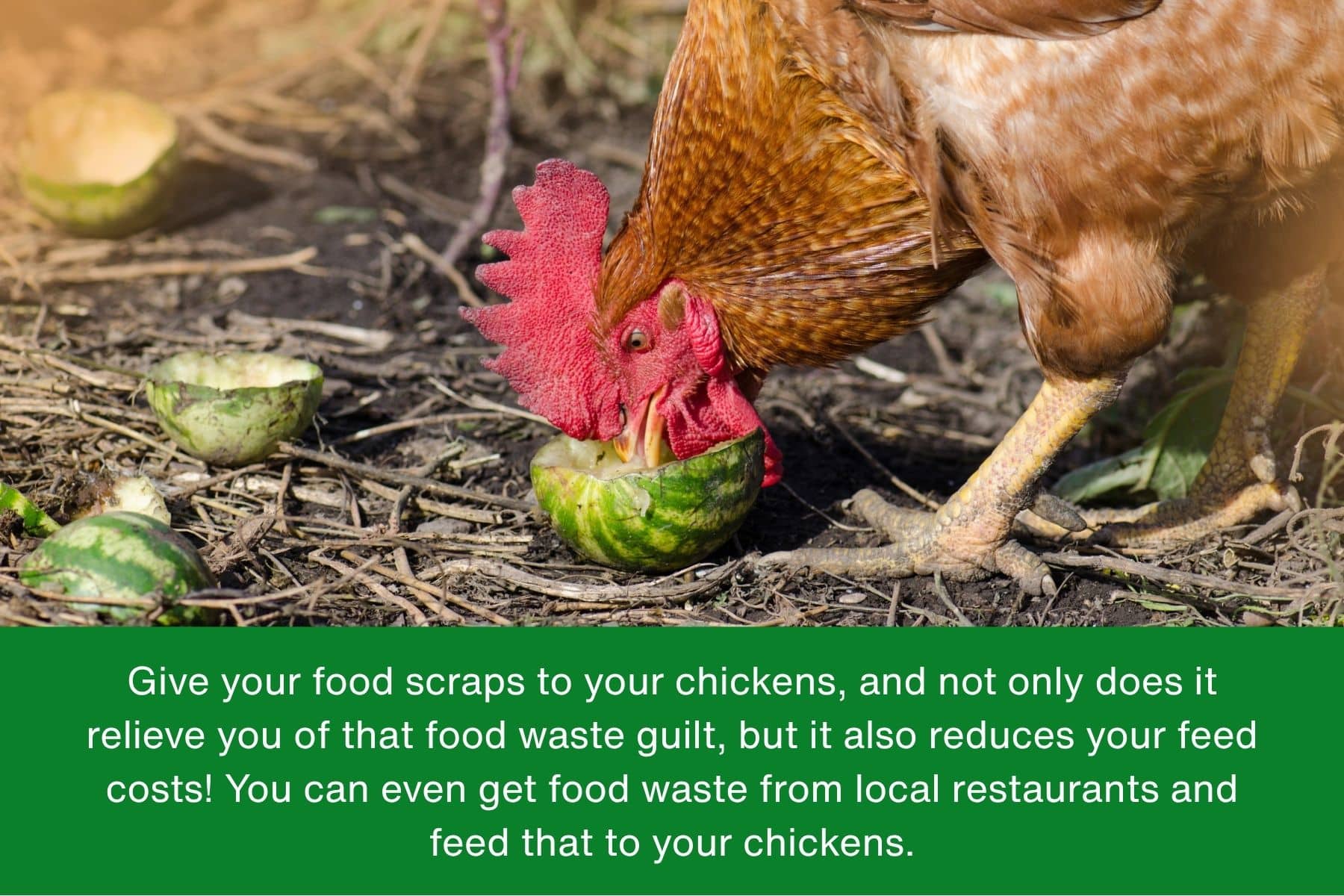
Reducing Food Waste
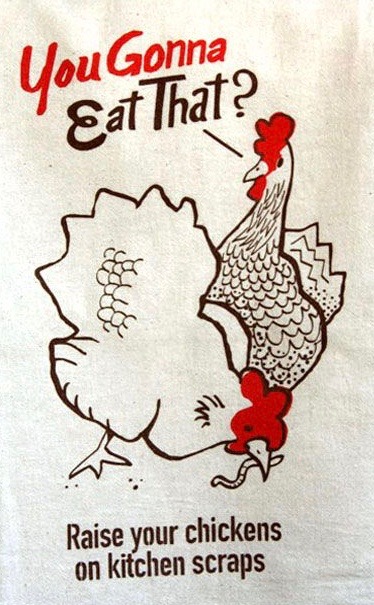
Throwing away leftover vegetables or stale bread feels wasteful, especially when you have hungry chickens waiting. Using scraps cuts down the amount of food you toss in the bin. This small change can significantly reduce your household waste over time.
Have you ever noticed how much food scraps you discard daily? Feeding them to chickens turns potential trash into valuable resources.
Nutritional Value
Kitchen scraps often contain vitamins and minerals that chickens need. Greens like spinach or carrot tops provide nutrients that support egg production and feather health. Even fruit peels and cooked grains can add variety and essential energy to their diet.
Be mindful, though; not all scraps are safe. Avoid anything salty, sugary, or spoiled to keep your flock healthy.
Cost Savings
Buying commercial feed can add up quickly, especially if you raise multiple chickens. Using kitchen scraps as part of their diet lowers your feed expenses without sacrificing nutrition. Over weeks and months, these savings really add up.
Imagine cutting your feed bill by 20-30% simply by feeding your chickens parts of food you'd otherwise discard. It’s a smart way to stretch your budget.
Credit: bitchinchickens.com
Safe Kitchen Scraps For Chickens
Feeding kitchen scraps to chickens can help reduce waste and provide them with extra nutrition. Not all scraps are safe, though. Choosing the right ones keeps chickens healthy and happy. Below are some safe kitchen scraps that chickens enjoy and benefit from.
Vegetable Peels And Scraps
Vegetable peels are a great treat for chickens. They get vitamins and fiber from these scraps. Common safe peels include:
- Carrot tops and peels
- Cucumber skins
- Potato peels (only if cooked and not green)
- Squash and pumpkin rinds
Avoid feeding raw potato skins that are green or sprouted. These contain toxins harmful to chickens.
Fruit Remnants
Chickens love fruits. They provide natural sugars and nutrients. Safe fruit scraps include:
- Apple cores (without seeds)
- Banana peels and fruit
- Berries and melon rinds
- Pear and peach skins
Remove seeds from fruits like apples and cherries. Some seeds can be toxic to chickens.
Grains And Bread
Grains and bread are good energy sources. Chickens enjoy these scraps in moderation. Safe options are:
- Cooked rice and pasta
- Whole grain bread (avoid moldy pieces)
- Oats and cereal (unsweetened)
Always avoid moldy or stale bread. It can cause illness in chickens.
Foods To Avoid
Certain kitchen scraps like onions, garlic, and citrus can harm chickens. Avoid feeding spoiled or moldy food to keep them healthy. Raw beans and chocolate are also unsafe for chickens.
Feeding kitchen scraps to chickens can be rewarding. It reduces waste and provides nutrition. But not all scraps are safe. Some can be harmful. Knowing what to avoid is essential for healthy chickens. Let's dive into the foods you should never feed them.
Toxic Fruits And Vegetables
Certain fruits and vegetables can be toxic. Avocado contains persin, which is harmful. Green potatoes and unripe tomatoes have solanine. This can cause digestive problems. Rhubarb leaves are also dangerous. They contain oxalic acid. Keep these out of the coop.
Processed And Salty Foods
Chickens need natural foods. Processed items can be harmful. Salty foods lead to salt poisoning. This affects their kidneys. Avoid chips, processed meats, and canned soups. These have high salt content. Fresh and unprocessed is best.
Moldy Or Spoiled Items
Never feed moldy food to chickens. Mold contains toxins. These can make chickens sick. Spoiled food can lead to digestive issues. It can also attract pests. Always check scraps for freshness. Fresh scraps keep chickens healthy.
Feeding Tips
Feeding kitchen scraps to chickens can be a great way to reduce waste and provide variety in their diet. Proper feeding tips ensure chickens stay healthy and happy. Careful attention to portion sizes, food introduction, and cleanliness matters a lot.
Portion Control
Feed kitchen scraps in small amounts. Too much can upset chickens’ digestion. Keep scraps to about 10% of their daily diet. Balance scraps with their regular feed to avoid nutrient gaps. Watch chickens’ reactions to adjust portion size.
Introducing New Foods Gradually
Introduce new scraps slowly over several days. Sudden changes can cause stomach problems. Start with small pieces and observe chickens closely. Stop feeding if any signs of illness appear. Gradual introduction helps chickens adapt well.
Maintaining Clean Feeding Areas
Keep feeding areas clean and dry. Remove leftover scraps daily to prevent mold and pests. Use feeders or trays to keep food off the ground. Clean water sources regularly. A clean area reduces disease risks and keeps chickens healthy.
Potential Risks
Feeding kitchen scraps to chickens seems harmless but carries some risks. These risks can affect chicken health and the cleanliness of your coop. Understanding potential problems helps keep chickens safe and healthy.
Digestive Issues
Some scraps cause stomach upset in chickens. Fatty or spoiled food can lead to diarrhea or bloating. Citrus, onions, and raw beans are hard to digest and may harm chickens. Avoid giving these to prevent tummy troubles.
Attracting Pests
Leftover scraps can attract unwanted pests. Rats, flies, and raccoons come to the coop for easy meals. Pests spread disease and create a mess. Clean scraps quickly and store food properly to stop pests.
Nutritional Imbalance
Kitchen scraps lack essential nutrients chickens need daily. Relying on scraps can cause vitamin and mineral shortages. Poor nutrition leads to weak eggs and sick birds. Balance scraps with quality feed for healthy chickens.
Alternative Feeding Options
Feeding chickens a balanced diet is important for their health and egg production. Kitchen scraps can be part of their diet, but alternative feeding options help provide essential nutrients. These options ensure chickens get a variety of vitamins, minerals, and proteins.
Using alternative feeds can keep chickens strong and active. It also prevents nutritional gaps that scraps alone might cause. Here are some reliable feeding choices to consider.
Commercial Chicken Feed
Commercial chicken feed is specially made to meet chickens' dietary needs. It contains the right balance of grains, proteins, vitamins, and minerals. This feed supports growth, egg laying, and overall health.
Most feeds come in pellet or crumble form. They are easy to store and serve. Using commercial feed helps avoid harmful substances sometimes found in kitchen scraps.
Garden-grown Treats
Fresh vegetables and herbs from your garden make great chicken treats. Chickens enjoy leafy greens, carrots, peas, and cucumbers. These provide extra vitamins and moisture.
Grow safe plants like kale, spinach, and parsley. Avoid toxic plants such as onions or avocado leaves. Garden treats add variety and encourage natural foraging behavior.
Supplemental Protein Sources
Protein is vital for chickens' muscle and feather health. Insects, worms, and mealworms are excellent natural protein sources. You can also offer cooked eggs or fish scraps in moderation.
Protein supplements boost energy and improve egg quality. Avoid raw meat or spoiled items to prevent illness. Balanced protein intake supports strong, healthy chickens.
Credit: mobilechickenhouse.com
Frequently Asked Questions
What Kitchen Scraps Are Safe For Chickens To Eat?
Chickens can eat vegetable peels, fruit scraps, and leftover grains. Avoid onions, garlic, and citrus as they can harm chickens. Always provide fresh scraps and remove any moldy or spoiled food to keep chickens healthy.
Can Chickens Eat Cooked Kitchen Scraps?
Yes, chickens can eat cooked scraps like rice, pasta, and vegetables. Avoid salty, greasy, or heavily seasoned foods. Cooked scraps should be given in moderation to maintain a balanced diet for your chickens.
How Often Should I Feed Kitchen Scraps To Chickens?
Feed kitchen scraps as a treat up to 10-15% of their diet. Too many scraps can upset digestion and reduce their main feed intake. Balance scraps with quality chicken feed for optimal health and egg production.
Are There Any Kitchen Scraps Chickens Should Never Eat?
Yes, chickens should not eat chocolate, avocado, raw beans, or anything moldy. These scraps can be toxic and cause serious health issues. Always research new scraps before feeding to ensure safety.
Conclusion
Feeding kitchen scraps to chickens can be safe and helpful. Always avoid harmful foods like onions, garlic, and raw beans. Chop scraps into small pieces for easy eating. Fresh scraps reduce waste and save money. Watch your chickens for any signs of illness.
Clean feeding areas to keep chickens healthy. Balanced feeding supports strong, happy chickens. Careful choices in scraps make a big difference. Try feeding scraps but stay cautious and informed. Your chickens will enjoy a varied diet and better nutrition.