
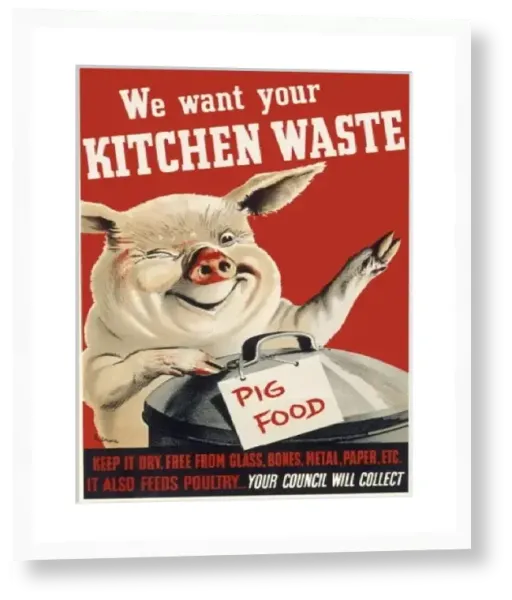
Have you ever wondered if you can feed your pigs kitchen scraps? It sounds like a simple way to save money and reduce waste, right?
But before you toss those leftovers to your pigs, there are important things you need to know. Feeding pigs the wrong scraps can harm their health or slow their growth. You’ll discover which kitchen scraps are safe, how to prepare them, and what to avoid.
Keep reading to make sure your pigs stay healthy and happy while you make the most of your food waste.
Benefits Of Feeding Kitchen Scraps
Feeding kitchen scraps to pigs offers several advantages that go beyond just filling their bellies. It can make your pig-raising experience more efficient and rewarding. Understanding these benefits helps you decide if this practice fits your lifestyle and farming goals.
Cost Savings
Using kitchen scraps as pig feed can significantly reduce your daily feed expenses. Instead of buying commercial pig feed, you can recycle leftovers from your meals, saving money on feed bills.
Imagine cutting your feed costs by up to 30% just by feeding your pigs what you would have otherwise thrown away. This budget-friendly approach can make small-scale pig farming more sustainable for you.
Nutritional Value
Kitchen scraps can provide a variety of nutrients essential for your pigs' health. Leftover vegetables, fruits, and grains offer vitamins, minerals, and fiber that support growth and digestion.
However, not all scraps are equal. Adding diverse leftovers ensures your pigs receive a balanced diet, but avoid harmful foods like onions or chocolate. Have you checked which scraps are safe for your pigs lately?
Waste Reduction
Feeding pigs kitchen scraps helps reduce household waste that would otherwise end up in landfills. This practice lowers your environmental footprint by recycling food in a useful way.
Think about the amount of food your family discards weekly—redirecting it to your pigs turns waste into nourishment. It's a practical step towards greener living and better resource use.

Credit: m.youtube.com
Safe Kitchen Scraps For Pigs
Feeding pigs kitchen scraps can be a smart way to reduce waste and provide extra nutrition. Choosing the right scraps ensures pigs stay healthy and happy. Some scraps are safe and nutritious, while others can be harmful. Knowing which scraps to offer helps prevent illness and keeps pigs strong.
Vegetable And Fruit Peels
Vegetable and fruit peels are often safe for pigs. Peels from potatoes, carrots, apples, and cucumbers are good options. Avoid peels from citrus fruits like oranges and lemons. Wash peels well to remove pesticides and dirt. Remove any moldy or rotten parts before feeding. Peels add fiber and vitamins to pigs’ diets.
Cooked Leftovers
Cooked leftovers can be a tasty treat for pigs. Plain cooked vegetables, rice, and pasta work well. Avoid feeding scraps with onions, garlic, or salty sauces. Meat scraps are okay if fully cooked and free of bones. Never feed spoiled or moldy leftovers. Warm leftovers slightly before serving for better digestion.
Grains And Bread
Grains and bread provide energy and fiber for pigs. Bread should be plain, without mold or added sugar. Cooked grains like oats, corn, and barley are safe choices. Avoid raw beans or grains that can be toxic if uncooked. Feed grains in moderation to keep a balanced diet. Too much bread or grains can cause stomach upset.
Foods To Avoid
Feeding pigs kitchen scraps can be a great way to reduce waste and provide a varied diet. However, not all scraps are safe for pigs. Knowing what foods to avoid is crucial to keep your pigs healthy and thriving.
Toxic Ingredients
Some common kitchen ingredients can be harmful or even deadly to pigs. Avoid feeding them anything containing onions, garlic, chocolate, or raw potato peels. These ingredients contain toxins that can cause serious illness or poisoning.
Have you ever accidentally tossed scraps with these ingredients into the pig pen? It’s easy to do, but the risks are too high. Always double-check your scraps before feeding.
Spoiled Or Moldy Food
Feeding spoiled or moldy food to pigs is a big no. Mold can produce mycotoxins that cause digestive issues and weaken your pigs’ immune system. Even a small amount can be dangerous.
If your kitchen scraps look or smell off, don’t take the chance. It’s better to discard them than risk your pigs’ health. Remember, fresh and clean scraps support better growth and wellbeing.
Excessive Salt And Sugar
Pigs don’t need salty or sugary treats. Foods with too much salt can lead to dehydration and kidney problems. Sugary scraps might cause obesity and dental issues over time.
Think about the common salty snacks and sweets in your kitchen. While they might be tempting to share, they’re not designed for pigs. Stick to natural, low-salt, and low-sugar scraps to keep your pigs in peak condition.
Preparing Scraps For Feeding
Kitchen scraps should be clean and free from spoiled or moldy food before feeding pigs. Chop scraps into small pieces to help pigs eat easily and digest better. Avoid feeding salty, spicy, or cooked bones to keep pigs healthy.
Preparing kitchen scraps for pigs requires care and attention. It ensures the health and happiness of your pigs. Proper preparation enhances nutrition and minimizes waste. Let's explore how to prepare scraps effectively.
Cleaning And Sorting
Start by cleaning all kitchen scraps. Remove dirt and debris thoroughly. Sort the scraps into edible and non-edible piles. Avoid feeding pigs spoiled or moldy food. It can harm their health. Check for plastic, bones, and other unsafe items.
Proper Portion Sizes
Feed pigs the right portion sizes. Overfeeding can lead to health issues. A balanced diet is crucial for their growth. Measure the scraps before feeding. Adjust portions according to the pig's size and age.
Cooking Vs. Raw
Decide whether to cook or feed raw. Cooking can kill harmful bacteria. Some pigs may prefer cooked food. Raw scraps retain more nutrients. Test both methods to see what your pigs prefer.
Feeding Frequency And Amounts
Feeding pigs kitchen scraps can be a good way to reduce waste and provide extra nutrition. The frequency and amount of scraps given must be controlled carefully. Too much or too often can cause health issues or unbalanced diets. Proper feeding supports pig growth and well-being.
Balancing With Regular Feed
Pigs need a balanced diet with essential nutrients. Kitchen scraps should not replace their main feed. Use scraps as a supplement, not the primary food source. Maintain consistent portions of regular pig feed daily. This keeps pigs healthy and growing steadily.
Monitoring Pig Health
Watch pigs closely for any signs of illness or discomfort. Changes in appetite, stool, or behavior can indicate problems. Stop scraps immediately if pigs show digestive issues. Consult a vet if unsure about health concerns. Healthy pigs digest scraps better and benefit from them.
Adjusting Based On Growth Stage
Piglets, growers, and adults have different nutritional needs. Feed smaller amounts of scraps to young pigs to avoid upset stomachs. Growers can handle moderate scrap amounts mixed with feed. Adult pigs tolerate larger scrap portions but still need balanced nutrition.

Credit: www.foodformzansi.co.za
Health And Safety Precautions
Feeding kitchen scraps to pigs can be safe if done with care. Health and safety precautions protect pigs from illness and injury. Proper handling of scraps and clean feeding areas reduce risks. Understanding these precautions helps keep pigs healthy and happy.
Preventing Disease
Only feed pigs scraps free from mold or rot. Avoid raw meat, bones, or spoiled food. Wash hands and utensils before and after feeding. Keep scraps away from chemicals or cleaners. Regularly check pigs for signs of illness or discomfort.
Avoiding Choking Hazards
Cut scraps into small, manageable pieces. Remove hard seeds, pits, and sharp objects. Avoid giving pigs large bones or tough items. Supervise pigs during feeding to spot choking risks. Provide fresh water to help swallow food safely.
Maintaining Clean Feeding Areas
Clean feeding spots daily to stop bacteria buildup. Remove leftover scraps and wash containers thoroughly. Use dry bedding to keep the area hygienic. Prevent pests by sealing trash and scraps properly. Regular cleaning helps prevent disease and keeps pigs comfortable.
Environmental Impact
Feeding pigs kitchen scraps can have a notable environmental impact that extends beyond the farm. It offers a chance to make your daily habits more eco-friendly and helps lower the overall carbon footprint of food consumption. Understanding how this practice affects the environment encourages you to rethink waste and resource management in your home and community.
Reducing Food Waste
Kitchen scraps often end up in landfills, where they produce methane, a potent greenhouse gas. By feeding these scraps to pigs, you divert waste from landfills and reduce methane emissions.
Think about the peels, leftover vegetables, and stale bread you usually toss out. Instead of discarding them, feeding these to your pigs turns potential waste into valuable nutrition.
Have you ever considered how much food your household throws away each week? Redirecting even a fraction of that to pigs can make a real difference in cutting down food waste.
Sustainable Feeding Practices
Using kitchen scraps as pig feed supports a more circular food system. It closes the loop by turning waste into resources, which reduces the need for commercial feed production.
Commercial pig feed requires energy-intensive farming and transportation. By supplementing your pigs' diet with scraps, you lower the demand for these feeds and reduce environmental strain.
However, it’s important to avoid feeding pigs harmful or non-digestible scraps. Properly sorting and selecting safe kitchen waste ensures your pigs stay healthy and the environment benefits.
Are you ready to take a small step that contributes to a larger sustainability goal? Feeding your pigs kitchen scraps responsibly can be a powerful way to support eco-friendly farming.
Credit: www.theguardian.com
Frequently Asked Questions
Can Pigs Safely Eat Kitchen Scraps Daily?
Yes, pigs can eat kitchen scraps daily if balanced with proper nutrients. Avoid spoiled or toxic foods. Moderation is key to prevent digestive issues and maintain pig health.
What Kitchen Scraps Are Harmful To Pigs?
Avoid feeding pigs onions, garlic, chocolate, and raw potatoes. These scraps can cause toxicity or digestive problems. Always research before feeding new scraps to pigs.
How Should Kitchen Scraps Be Prepared For Pigs?
Chop scraps into small pieces to aid digestion. Remove bones and avoid moldy or spoiled items. Fresh, clean scraps reduce health risks and improve nutrient absorption.
Can Feeding Kitchen Scraps Save Money On Pig Feed?
Yes, feeding kitchen scraps can reduce pig feed costs. Use nutritious, safe scraps to supplement commercial feed. Balance is essential to meet pigs’ dietary needs.
Conclusion
Feeding pigs kitchen scraps can save money and reduce waste. Always check which foods are safe and avoid harmful items. Fresh scraps help pigs stay healthy and happy. Clean feeding areas prevent sickness and keep pigs strong. Careful feeding supports good growth and good taste in pork.
Remember, balance and safety matter most when feeding pigs. Keep learning and watch your pigs thrive with proper scraps. Simple steps make a big difference on your farm.